

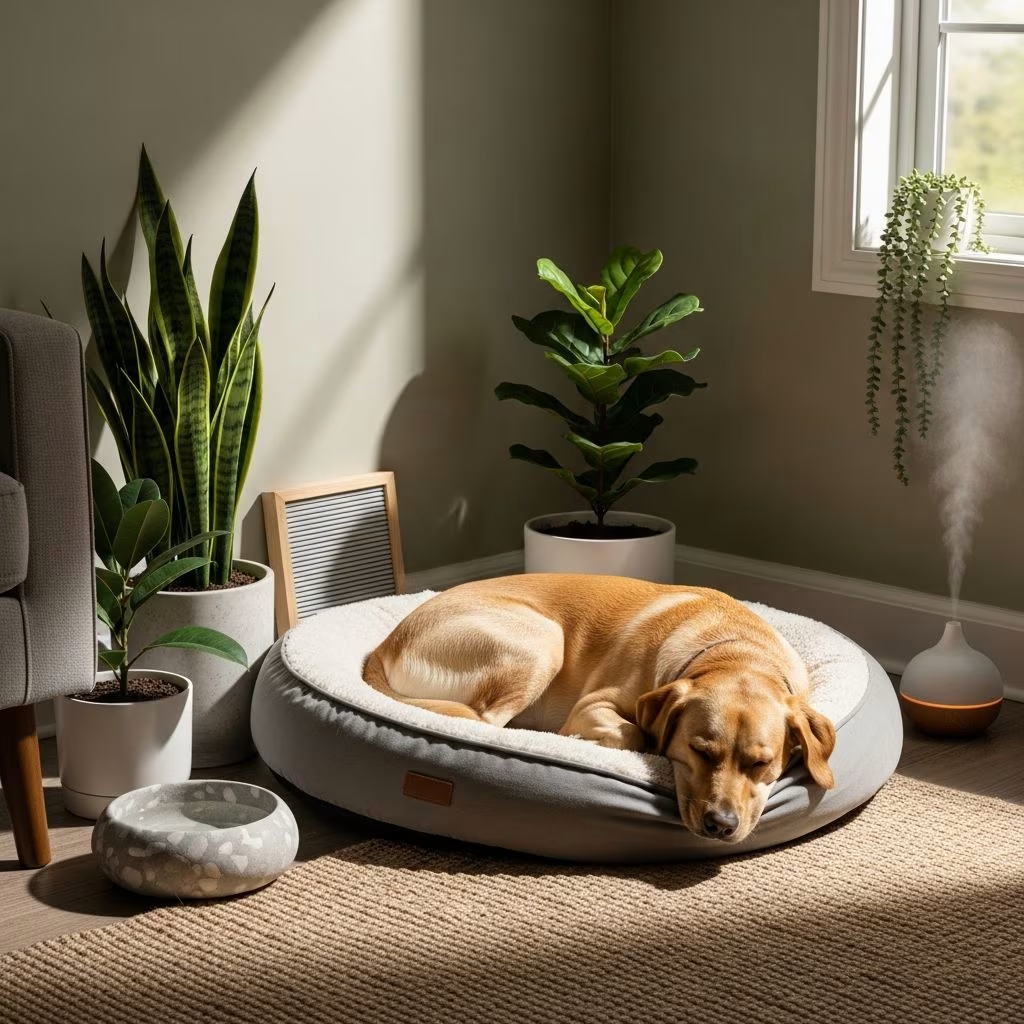
Creating a Zen Space for Your Dog to Alleviate Anxiety
Dogs, like humans, experience stress and anxiety that can negatively impact their overall well-being and behavior. Whether your dog suffers from separation anxiety, noise sensitivity, or general nervousness, creating a dedicated zen space can provide a safe refuge where your furry companion feels secure and calm. A well-designed zen space is more than just a comfortable corner—it’s a therapeutic environment thoughtfully crafted to reduce anxiety and promote relaxation. This comprehensive guide will help you transform any area of your home into a peaceful sanctuary tailored to your dog’s emotional needs.
Understanding Dog Anxiety and Its Impact
Before designing the perfect zen space, it’s important to understand what causes anxiety in dogs and how it manifests. Dogs can experience anxiety from various triggers including loud noises, separation from their owners, unfamiliar environments, or changes in their daily routine. When dogs are anxious, they may exhibit behaviors such as excessive barking, destructive chewing, pacing, or withdrawal. A zen space provides them with a controlled environment where they can retreat and decompress, reducing stress hormones and promoting emotional stability.
Creating a dedicated space sends a signal to your dog that this area is their safe haven. Over time, dogs learn to self-regulate by seeking out this space when they feel overwhelmed. This natural coping mechanism is far healthier than relying solely on medication or forcing them to endure stressful situations without relief.
Choosing the Ideal Location for Your Dog’s Zen Space
The location of your zen space is crucial to its effectiveness. The ideal spot should balance privacy with family connection—you want your dog to feel secluded enough to relax but not so isolated that they feel abandoned.
Key Location Considerations
- Quiet and Low-Traffic Areas: Select a room or corner away from high-traffic zones like the kitchen or laundry room where constant activity and noise can trigger stress.
- Away from External Stimuli: Avoid placing the zen space near windows where external sights and sounds can distract or agitate your dog. Windows provide visual access to passing cars, animals, or people that might provoke anxiety.
- Connected Yet Calm: Ideally, position the space adjacent to where the family spends time, such as near the living room or home office, so your dog doesn’t feel isolated while still maintaining a sense of calm.
- Consistent Temperature: Choose an area with stable temperature control, away from drafts, heat sources, or air conditioning vents that could cause discomfort.
- Natural Light Consideration: While some natural light is beneficial, avoid areas with excessive direct sunlight that could make the space uncomfortably warm or create glare.
For dogs that experience nighttime anxiety or separation issues, placing a zen space in your bedroom can provide additional comfort and security, allowing your dog to remain close while having their own designated retreat.
Furnishing and Outfitting the Zen Space
Selecting the Right Bed or Crate
The foundation of any zen space is a comfortable, appropriately-sized sleeping area. Whether you choose an open bed, cushioned mat, or enclosed crate depends on your dog’s preferences and anxiety triggers.
For Open Beds or Mats: Select orthopedic or memory foam options that provide proper support and comfort. The bed should be large enough for your dog to stretch out fully, lie on their side, and change positions freely.
For Crates: If using a crate, ensure it’s appropriately sized—your dog should be able to stand, turn around, and stretch out comfortably without feeling confined or cramped. For anxious dogs, crates provide a den-like feeling that many find comforting. However, never use the crate as punishment, as this creates negative associations.
Bedding and Textiles
Layer the sleeping area with soft, washable materials that create a cozy nest-like environment. Use fleece blankets, soft mats, or specially designed calming bed covers. Consider materials with memory foam that conform to your dog’s body, providing both comfort and a sense of being nestled.
For puppies, introduce bedding gradually and supervise closely, as young dogs may be tempted to chew on soft materials. Remove toys unless you’re present to monitor play.
Calming Scents and Aromatherapy
Scent is a powerful tool for canine relaxation. Incorporate calming elements such as:
- Synthetic pheromone diffusers designed specifically for dogs that mimic natural calming pheromones
- Lavender-scented products formulated for pets (never use essential oils directly on dogs, as many are toxic)
- Unscented bedding treated with pet-safe calming sprays
- Natural scents from worn clothing belonging to family members, which provide comfort through familiar smells
Creating the Perfect Sensory Environment
Lighting
Harsh, bright lighting can heighten anxiety. Implement soft, gentle lighting solutions such as:
- Dimmable warm-toned lamps set to low levels
- Nightlights that provide subtle illumination without overwhelming the space
- Natural window light filtered through sheer curtains
- Avoiding sudden changes from bright to dark areas
Soundscapes and Audio Environment
Sound management is critical for an effective zen space. Many anxious dogs are sensitive to household noises, traffic sounds, or other environmental audio triggers.
Solutions include:
- Calming music specifically composed for dogs, which has proven relaxation benefits
- White noise machines that mask startling sounds and create consistent background audio
- Nature soundscapes featuring rainfall, ocean waves, or forest sounds
- Background television or podcasts at low volume for dogs that find silence unsettling
The goal is to create an audio environment that either masks anxiety-triggering sounds or provides soothing auditory input that promotes relaxation.
Temperature Control
Maintain a comfortable temperature in the zen space—typically between 65-75 degrees Fahrenheit. Too-warm spaces can make dogs uncomfortable and irritable, while cold areas may cause tension. Consider adding a heated bed pad during cooler months, but ensure your dog can move away from it if they become too warm.
Incorporating Enrichment and Mental Stimulation
While the zen space should primarily promote relaxation, it can also include controlled enrichment elements that keep your dog mentally engaged without causing overstimulation.
Appropriate Toys and Puzzle Feeders
- Long-lasting chews: Bully sticks or yak chews that provide extended occupation
- Puzzle toys: Interactive toys that dispense treats slowly, engaging problem-solving skills
- Kong-style toys: Fillable rubber toys that can be frozen with treats or peanut butter
- Sniff mats: Fabric mats with hidden treats that encourage natural foraging behavior
Remove toys during extended absences and monitor your dog’s interaction with enrichment items to prevent choking hazards or destructive behavior.
Establishing Routines and Behavioral Training
Creating Predictability Through Routine
Dogs thrive on consistency. Establish a regular schedule for:
- Exercise and play sessions at the same times daily
- Feeding times with consistent meal portions
- Designated “zen time” where your dog is encouraged to rest in their space
- Bedtime routines that signal relaxation and sleep
A predictable routine reduces anxiety because your dog learns what to expect and when, eliminating the stress of uncertainty.
Positive Reinforcement Training
Train your dog to associate their zen space with positive experiences:
- Leave treats inside the space for your dog to discover independently
- Reward your dog with praise and treats when they willingly enter the space
- Never force your dog into the zen space or use it as punishment
- Practice short, positive sessions initially, gradually increasing duration
- Use calming treats or supplements recommended by your veterinarian if appropriate
If your dog shows hesitation, take a step back and allow them to progress at their own pace. Forcing the issue will create negative associations and increase anxiety.
Environmental Modifications for Anxiety Management
Removing Anxiety Triggers
While you cannot eliminate all stressors, removing controllable triggers helps:
- Close blinds or curtains to block outdoor visual stimuli
- Use door gates or barriers to prevent your dog from accessing triggering areas
- Minimize clutter in the zen space that could create visual overstimulation
- Keep potentially anxiety-inducing items (vacuum cleaners, fireworks) stored away from the space
Desensitization and Counter-Conditioning
For dogs with specific fears or anxieties, gradual exposure combined with positive reinforcement helps them overcome triggers. For example, if your dog fears thunderstorms, play low-volume recordings of storm sounds during calm moments while offering treats and praise. Gradually increase the volume over weeks as your dog associates the sound with positive outcomes.
Your Role in Your Dog’s Relaxation
Managing Your Own Stress
Dogs are highly perceptive and can sense your emotional state. Your stress levels directly affect your dog’s ability to relax. When introducing your dog to their zen space:
- Remain calm and relaxed yourself
- Use a soothing tone of voice
- Take deep breaths to model relaxation
- Avoid showing anxiety about your dog’s anxiety, which reinforces the problem
Quality Time and Physical Connection
Regular bonding activities strengthen your relationship and provide emotional security:
- Gentle massage sessions that relax muscles and promote oxytocin release
- Quiet petting and stroking that calms both dog and owner
- Cuddle time in the zen space to create positive associations
- Consistent eye contact and verbal affirmation that your dog is safe
Daily Habits to Support Zen Living
Exercise and Physical Activity
A tired dog is a calm dog. Provide appropriate daily exercise for your dog’s breed and age—typically 30 minutes to an hour of structured activity. This includes:
- Brisk walks or jogging
- Fetch or retrieval games
- Agility training
- Swimming or water activities
- Interactive play sessions
Exercise burns excess energy and anxiety-related adrenaline, making your dog more receptive to relaxation in their zen space.
Mental Enrichment
Beyond physical exercise, dogs need mental stimulation:
- Training sessions for new commands or tricks
- Hide-and-seek games with treats or toys
- Rotating toys to maintain novelty and interest
- Interactive games that require problem-solving
When to Seek Professional Help
While a well-designed zen space benefits most dogs, some may require professional intervention:
- Severe separation anxiety: Excessive destructiveness, elimination, or self-injury despite management efforts
- Persistent behavioral issues: Aggression, extreme fear, or compulsive behaviors
- Medical concerns: Undiagnosed pain or health conditions contributing to anxiety
- Medication consideration: Consultation with a veterinarian about anti-anxiety medications combined with behavior modification
A certified professional dog trainer or veterinary behaviorist can develop customized protocols tailored to your dog’s specific anxiety triggers and needs.
Quick Reference: Zen Space Checklist
| Element | Specifics | Purpose |
|---|---|---|
| Location | Quiet, low-traffic area with family connection | Reduces overwhelming stimuli while preventing isolation |
| Bedding | Soft, washable, orthopedic materials | Physical comfort and emotional security |
| Lighting | Soft, dimmable, warm-toned lamps | Creates calming visual environment |
| Sound | Calming music or white noise machines | Masks anxiety triggers and promotes relaxation |
| Scent | Pet-safe pheromone products or familiar smells | Provides chemical comfort signals |
| Temperature | Consistent 65-75°F with climate control | Physical comfort prevents stress |
| Enrichment | Long-lasting chews and puzzle toys | Keeps mind engaged without overstimulation |
Frequently Asked Questions
Q: How long does it take for a dog to become comfortable in their zen space?
A: This varies by individual dog and their anxiety level. Some dogs adapt within days, while others may take weeks or months. Patience and consistent positive reinforcement are essential. Never rush the process or force your dog into the space.
Q: Can I use the zen space as a crate for housetraining?
A: Yes, when introduced properly, a crate-style zen space is excellent for housetraining because dogs naturally avoid soiling their sleeping area. However, don’t confine your puppy for excessively long periods, and always provide bathroom breaks between training sessions.
Q: What if my dog refuses to use their zen space?
A: Reassess the space’s appeal. Is it truly quiet? Is the bedding comfortable? Are there positive reinforcements? Try placing high-value treats inside, leaving the space open with the door removed, or spending time in the space yourself to normalize it. Some dogs prefer open beds over enclosed crates, or vice versa.
Q: Can I move the zen space to different locations?
A: While some movement is acceptable, consistency helps dogs feel secure. If you must relocate the space, do so gradually and maintain the same familiar bedding and items to help your dog recognize it as their safe place.
Q: Should my dog’s zen space include toys and food?
A: Yes, but selectively. Include long-lasting chews and puzzle toys to promote relaxation and mental engagement. Remove regular toys unless supervised. Feeding in the space can create positive associations, but don’t leave food available for extended periods.
Q: Is a zen space sufficient treatment for severe anxiety?
A: A zen space is an excellent management tool and therapeutic environment, but severe anxiety often requires comprehensive treatment including professional training, possible medication, behavior modification, and lifestyle changes. Consult your veterinarian or a certified behaviorist for severe cases.
Q: How can I tell if my dog is truly relaxed in their zen space?
A: Signs of relaxation include lying down with a soft body posture, slow blinking, gentle breathing, and eventual sleep. Anxious dogs may exhibit tension, panting, pacing, or vigilance. Your dog’s behavior should progressively shift toward calmness as they become more comfortable.
References
- Creating a Peaceful Crate Environment for Your Dog — Animal Wellness Magazine. Accessed 2025. https://animalwellnessmagazine.com/how-to-create-a-peaceful-crate-environment/
- Keeping Your Dog Zen: Strategies for Canine Stress Relief — The Zen Pet. Accessed 2025. https://www.thezenpet.com/keeping-your-dog-zen/
- Zen Paws: A Guide to Easing Anxiety in Your Furry Friends — Animal Hospital of West Woodstock. Accessed 2025. https://www.animalhospitalofwestwoodstock.com/blog/zen-paws-a-guide-to-easing-anxiety-in-your-furry-friends/
- Creating a Zen Zone State of Mind with Your Dog — Boston K9 Concierge. Accessed 2025. http://bostonk9concierge.com/blog/creating-a-zen-zone-state-of-mind-with-your-dog
- How to Build a Zen Zone for Your Energetic Dog — Design for Pets. Accessed 2025. https://designforpets.co/blogs/news/how-to-build-a-zen-zone-for-your-energetic-dog



