

Creating a Weight Reduction Plan for Dogs
Obesity in dogs is a significant health concern affecting a substantial portion of the canine population. Managing your dog’s weight requires a comprehensive approach that goes beyond simply reducing food portions. A well-designed weight reduction plan involves collaboration with your veterinary care team, careful monitoring, and strategic lifestyle adjustments. This guide will help you understand the essential components of creating an effective weight loss program for your dog.
Understanding Your Dog’s Current Weight Status
Before initiating any weight reduction plan, it is crucial to assess your dog’s current weight and body condition. Your veterinarian will evaluate your dog’s Body Condition Score (BCS) and calculate the ideal body weight based on breed standards and individual factors. This baseline assessment provides the foundation for determining how many pounds your dog needs to lose and how long the process should take.
Your veterinary team may also request that you complete a food diary. This written log documents everything your dog consumes over several days, including meals, treats, and any table scraps. By analyzing this diary, your veterinarian can determine your dog’s current calorie intake and establish a starting point for the weight loss plan at a lower caloric level.
Calculating Caloric Requirements for Weight Loss
One of the most critical aspects of a successful weight reduction plan is determining the correct number of calories your dog needs to consume daily. Your veterinary care team will use specific equations to calculate appropriate caloric intake based on your dog’s ideal body weight. However, it is important to remember that these calculations provide averages, and individual dogs may require more or fewer calories to achieve weight loss.
The standard formula used by veterinarians is based on the Resting Energy Requirement (RER). Different equations apply depending on your dog’s weight range, and your veterinarian will select the most appropriate calculation for your pet. Once the initial caloric target is established, your dog should be weighed and reassessed within one to two weeks to ensure the amount is correct. Often, the initial calculation serves as a starting point that requires adjustment over time.
What Makes Veterinary Weight-Loss Diets Special
Veterinary therapeutic weight-loss foods are specifically formulated to support safe and effective weight reduction in dogs. These specialized diets differ significantly from standard commercial pet foods in several important ways.
Key Features of Therapeutic Weight-Loss Foods
Lower Fat Content: Reducing fat helps lower the energy density of the food, allowing your dog to consume a satisfying volume of food while taking in fewer calories.
Higher Nutrient Concentration: Because your dog will be eating less food overall, therapeutic diets contain a higher concentration of essential vitamins and minerals to ensure your pet meets their nutritional requirements despite reduced caloric intake. This is crucial for maintaining your dog’s health during the weight loss phase.
Veterinary weight-loss diets are available in multiple formats, including dry kibble, wet canned food, and various flavors. Some formulations are designed to address concurrent health conditions, such as preventing bladder stones. Your veterinarian will recommend the most appropriate option based on your dog’s individual needs and any existing health concerns.
Determining the Right Food Dose
The amount of food to feed your dog daily depends entirely on the specific weight-loss diet prescribed. Each therapeutic diet has a different energy density, meaning the same volume of food can contain different calorie amounts. This is why switching between weight-loss foods without veterinary guidance can undermine your weight management efforts.
Your veterinarian will calculate the precise portion size based on your dog’s target caloric intake and the energy density of the selected food. It is essential to measure portions accurately using a scale or the measuring cup provided with the food. Guessing at portion sizes can quickly add up to excess calories and impede progress.
Transitioning to a Weight-Loss Diet
Moving your dog to a new weight-loss food requires a gradual transition to prevent gastrointestinal upset. A typical transition schedule follows these steps over 7-12 days:
Step 1: Mix 25% new food with 75% old food.
Step 2: Mix 50% new food with 50% old food.
Step 3: Mix 75% new food with 25% old food.
Step 4: Feed 100% new food.
Each step should last two to three days, though you can progress faster or slower depending on how well your dog tolerates the change. Dogs that have experienced a variety of foods and textures without gastrointestinal problems may transition more quickly, while those with sensitive digestive systems benefit from a slower approach.
Adjusting Meal Size and Frequency
Research on optimal meal patterns for weight loss in dogs has produced mixed results. Some studies suggest that smaller, more frequent meals improve satiety—the feeling of fullness—by making dogs believe they are eating more throughout the day. Other research indicates that fewer, larger meals may provide better satiety effects. The best approach depends on your individual dog’s response and your household schedule.
What matters most is consistency. Regardless of whether you feed one, two, or three meals daily, the total daily caloric intake must remain constant. Establishing a regular feeding schedule helps prevent your dog from becoming overly focused on food and makes it easier to track overall consumption.
Managing Treats and Between-Meal Hunger
Treats and snacks should comprise no more than 10% of your dog’s daily calorie intake. Instead of offering high-calorie commercial treats, consider using lower-calorie alternatives such as plain fruits and vegetables. This strategy allows you to provide a larger volume of snacks throughout the day, satisfying your dog’s desire for treats without exceeding the daily caloric budget.
Healthy treat options include:
– Carrots (raw or cooked)
– Green beans
– Apples (without seeds)
– Watermelon (seedless)
– Plain cooked chicken breast
If your dog appears hungry between meals, offering fresh, cold water may satisfy cravings. Many dogs mistake thirst for hunger, and a drink of water can provide comfort without adding calories.
Implementing Feeding Management Strategies
Beyond diet selection and portion control, implementing specific feeding management practices can significantly enhance weight loss success. These strategies help prevent overeating and reduce your dog’s access to excess calories.
Managing the Home Environment
Crate or Room Separation: Place your dog in her crate or a separate room while family members eat their own meals. This removes the temptation to beg for food from your plate and prevents accidental sharing of human foods, which often contain excessive calories and sodium.
Scheduled Mealtimes: Feed your dog at specific times during the day and monitor mealtime carefully. Remove any leftover food after 15-30 minutes to prevent ongoing access to food throughout the day.
Never Leave Food Out: Avoid leaving food available when you are away from home. You cannot control who eats what when unsupervised, and your overweight dog may consume significantly more than intended.
Managing Multiple Dogs
If you have more than one dog and only one requires weight loss, feeding management becomes more complex. The most effective approach is to feed your dogs in separate locations. Feed the overweight dog her therapeutic diet in one room while feeding other dogs in a different area. This prevents the overweight dog from finishing her own food and then eating the other dogs’ portions. Allow each dog 15-30 minutes to eat, then remove all uneaten food until the next scheduled feeding.
Monitoring Progress and Adjusting the Plan
Regular weight monitoring is essential for successful weight loss and to keep everyone in the household accountable. Once your dog has fully transitioned to the new food, a veterinary assessment should be conducted within one to two weeks to ensure the feeding amounts are appropriate.
After the initial assessment, your dog should be weighed at least every other week until reaching the goal weight. Your veterinarian might allow you to weigh your dog at home using an accurate scale and report those weights. However, you should still bring your dog to the clinic for a professional assessment once monthly to ensure your home scale is providing accurate measurements.
The goal is gradual, steady weight loss. Dogs should lose between 1% and 2% of their initial body weight per week. For morbidly obese dogs, a target closer to 0.5% weekly loss may be more realistic and healthier. Rapid weight loss can lead to loss of lean muscle mass, which is counterproductive to long-term health.
How Long Will My Dog Need to Be on a Diet?
The duration of a weight loss plan varies considerably depending on your dog’s starting weight and individual response to the diet and lifestyle changes. Dogs that need to lose only a few pounds (1-5 pounds) may not require a specialized diet or extended timeline; adjusting feeding management and focusing on low-calorie treats might achieve success relatively quickly.
However, dogs that need to lose 20 pounds or more require a veterinary therapeutic diet, a focused feeding management plan, and typically 6-12 months to reach their goal weight. With veterinary guidance, most overweight pets can lose weight over a timeline ranging from 2-3 months to 18 months, depending on how much weight needs to be lost.
Each dog is an individual and may require adjustments to the recommended diet or routine, which could extend the weight loss timeline. Remember that weight loss is the goal, but achieving it gradually and safely is far more important than rapid results.
Incorporating Exercise and Activity
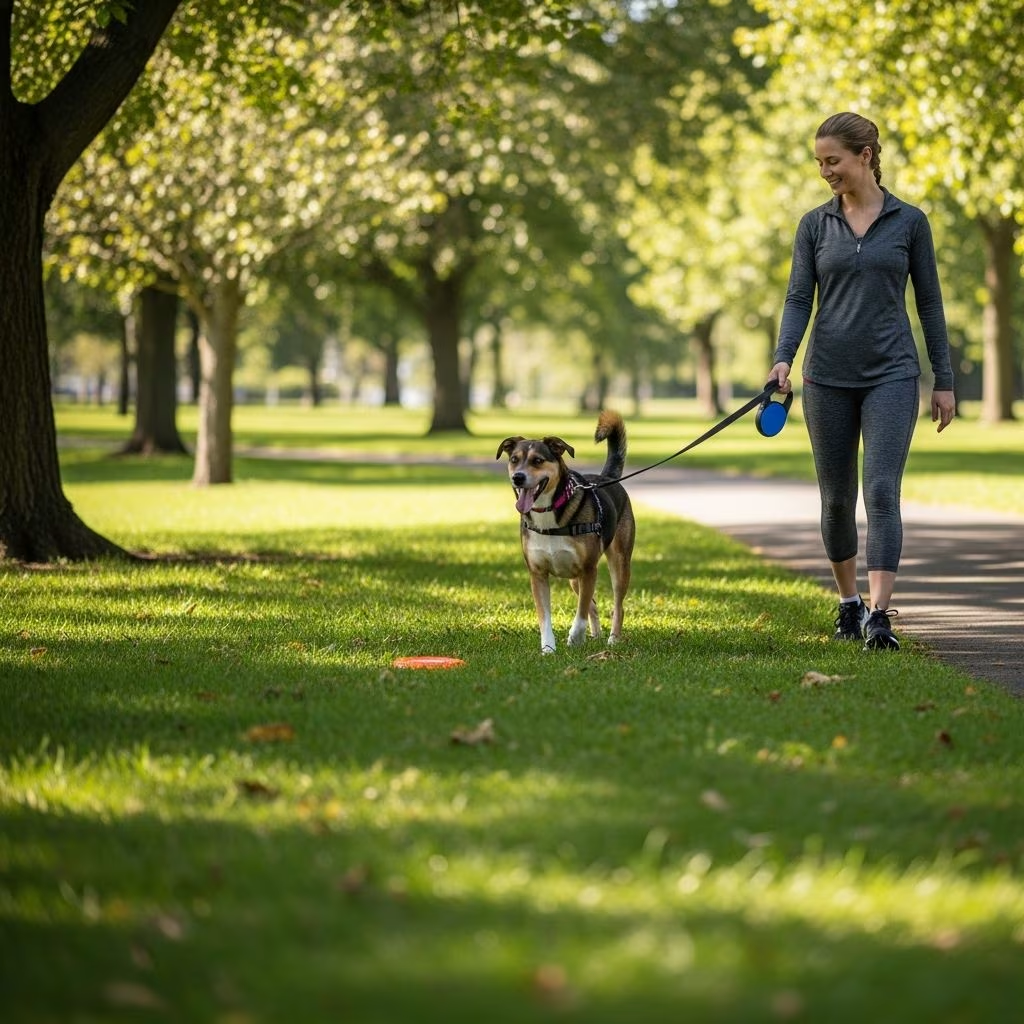
While diet is the primary tool for weight loss, incorporating appropriate exercise and activity enhances results and improves overall health. Exercise helps burn additional calories, improves cardiovascular fitness, and supports muscle maintenance during weight loss.
For dogs with activity restrictions due to injury or joint problems, working with your veterinary team to develop a modified exercise plan is important. Physical rehabilitation consultations and therapies can be beneficial components of a comprehensive weight loss program. Start with low-impact activities and gradually increase intensity as your dog loses weight and becomes more mobile.
Frequently Asked Questions
Q: Can I simply reduce the portion of my dog’s current food instead of switching to a therapeutic diet?
A: No. Simply reducing portions of regular food can result in deficiencies of important micronutrients over time. Veterinary therapeutic weight-loss diets are specifically formulated to provide adequate nutrition even at reduced caloric levels.
Q: What if my dog is hungry all the time on the new diet?
A: Offering fresh water, low-calorie vegetables, or adjusting meal frequency might help. Discuss this concern with your veterinarian, as the feeding amount may need adjustment.
Q: How accurate do I need to be with portion sizes?
A: Portion accuracy is critical. Use a kitchen scale to measure food precisely, as even small overages can add up to significant excess calories over time.
Q: Can I supplement the veterinary diet with regular dog food?
A: No. Mixing therapeutic diet with regular food compromises the nutrient profile and can introduce excess calories, undermining your weight loss efforts.
Q: What happens after my dog reaches goal weight?
A: Your veterinarian may transition your dog to an over-the-counter weight management diet once goal weight is reached. Maintaining consistent feeding practices and activity levels is essential to prevent weight regain.
References
- Creating a Weight Reduction Plan for Dogs — VCA Animal Hospitals. 2024. https://vcahospitals.com/know-your-pet/creating-a-weight-reduction-plan-for-dogs
- Obesity in Dogs — VCA Animal Hospitals. 2024. https://vcahospitals.com/know-your-pet/obesity-in-dogs
- Weight Management for Pets with Activity Restriction — VCA Animal Hospitals. 2024. https://vcahospitals.com/know-your-pet/weight-management-for-pets-with-activity-restriction
- Maintaining Weight Loss in Dogs and Cats — VCA Animal Hospitals. 2024. https://vcahospitals.com/know-your-pet/maintaining-weight-loss-in-dogs-and-cats
- How Successful Are Veterinary Weight Management Plans for Dogs and Cats? — National Institutes of Health (NIH). 2024. https://pmc.ncbi.nlm.nih.gov/articles/PMC10930922/
- Tips for Successful Weight Loss in Dogs and Cats — VCA Animal Hospitals. 2024. https://vcahospitals.com/know-your-pet/tips-for-successful-weight-loss-in-dogs-and-cats



