

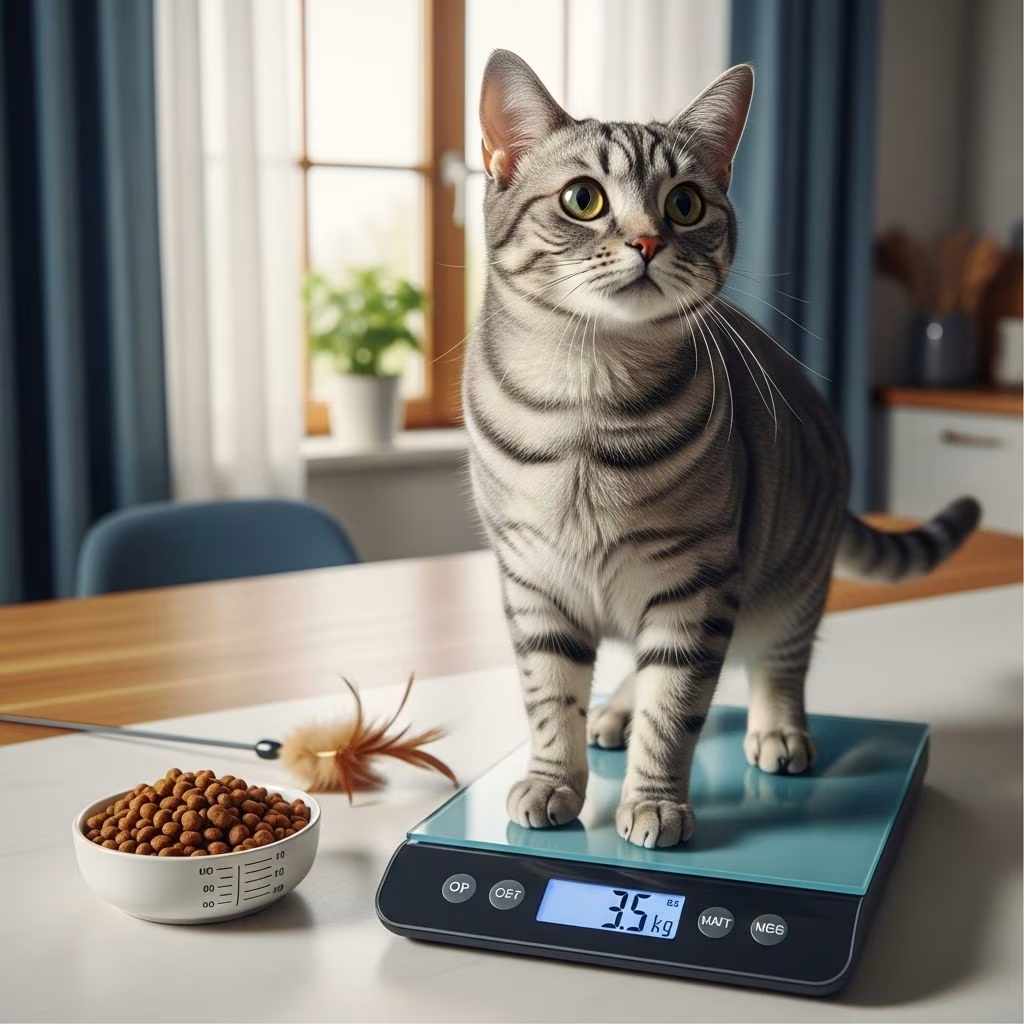
Creating a Weight Reduction Plan for Cats
Cat obesity has become an increasingly common health concern among pet owners, contributing to numerous preventable diseases that significantly impact feline longevity and quality of life. When cats maintain their ideal body weight throughout their lives, they have been shown to live approximately 15% longer than their overweight or obese counterparts. Understanding how to create and maintain an effective weight reduction plan is essential for any cat owner concerned about their pet’s health and wellbeing.
The process of helping your cat achieve a healthier weight requires more than simply feeding less food. It demands a comprehensive, medically supervised approach that takes into account your cat’s individual health status, lifestyle, and nutritional needs. This guide will walk you through the essential steps and considerations for developing a successful weight management program for your feline companion.
Why Weight Management Matters for Cats
Obesity in cats is not merely a cosmetic concern—it is a serious health risk that opens the door to multiple life-threatening conditions. Overweight cats face significantly increased risks of developing Type II diabetes mellitus, arthritis, heart disease, and high blood pressure. These conditions not only diminish a cat’s quality of life but also increase veterinary expenses and healthcare complications over time.
Additionally, excess weight exacerbates joint problems and contributes to chronic pain and inflammation. Fat tissue actively perpetuates inflammation throughout the body, making weight management not just about appearance but about preventing and managing chronic pain conditions. By addressing weight issues proactively, you are taking a crucial step in pain prevention and overall health maintenance.
Getting Started: The Initial Assessment
Before beginning any weight reduction program, it is critical that your cat receives a thorough veterinary examination. Your veterinarian will perform a physical assessment and likely recommend diagnostic testing to identify any underlying diseases or health obstacles that might impact weight loss efforts. Some medical conditions can complicate weight management, and your veterinarian needs to rule these out before proceeding.
During this initial consultation, your veterinary team will determine two crucial pieces of information: your cat’s current weight and their ideal target weight. This establishes the baseline for all subsequent calculations and monitoring. Your veterinarian will also assess your cat’s Body Condition Score (BCS), which provides a more comprehensive evaluation of body fat composition than weight alone.
It is essential that you communicate openly with your veterinarian about all aspects of your cat’s diet and lifestyle. This includes:
– All foods and treats your cat consumes- Current feeding schedule and portion sizes- Your cat’s daily opportunities for activity and play- Any behavioral issues related to food seeking- Information about other pets in the household
Understanding the Calorie Equation
While weight loss appears theoretically simple—fewer calories in plus more calories out equals weight loss—the reality is considerably more complex, particularly for cats. Your veterinary care team will calculate the specific number of calories your cat needs to lose weight using established equations designed for feline metabolism. However, these calculations provide an average estimate, and your individual cat may require fewer or more calories to achieve optimal weight loss.
This is why initial calorie calculations are frequently just a starting point. Your veterinarian will likely need to adjust the recommended calorie intake over time based on your cat’s actual response to the program. Regular follow-up appointments ensure that the calorie level remains appropriate as your cat progresses toward their goal weight.
To establish an accurate baseline, your veterinarian may ask you to complete a detailed food diary. For several days, you would record everything that enters your cat’s mouth—all meals, treats, table scraps, and even flavored medications or supplements. This comprehensive record allows your veterinarian to calculate your cat’s current calorie intake accurately and establish the weight loss plan at an appropriately reduced level.
Selecting the Right Diet for Weight Loss
A critical mistake many cat owners make is simply reducing the volume of their cat’s current food. This approach is inappropriate because it inevitably leads to deficiencies in important micronutrients over time. Instead, the most efficient method for supporting weight loss is using a calorie-restricted therapeutic diet specifically formulated for weight management.
Purpose-formulated veterinary therapeutic weight-loss foods possess several key characteristics that make them superior to simply feeding less regular food:
Lower Energy Density
Weight-loss diets contain fewer calories per cup or per 100 grams of food. This lower energy density allows your cat to consume an adequate volume of food—important for satiety and preventing hunger-related behavioral issues—while still receiving fewer total calories.
Higher Protein Content
These diets maintain elevated protein levels to preserve lean muscle mass during the weight loss process. When cats are fed fewer calories, adequate protein ensures that weight loss comes from fat reduction rather than muscle loss, which is essential for maintaining metabolic health.
Increased Fiber
Higher fiber content adds bulk to the diet, promoting feelings of fullness and satiety. This helps your cat feel satisfied despite consuming fewer calories, reducing the constant food-seeking behavior that often accompanies diet changes.
Reduced Fat Content
Since fat is calorie-dense, therapeutic weight-loss diets contain lower fat levels to reduce overall energy density while maintaining nutritional balance.
Enhanced Micronutrient Concentration
Therapeutic weight-loss foods contain higher concentrations of essential vitamins and minerals. Since your cat will be consuming fewer total calories, these concentrated nutrient levels ensure that your cat still meets all nutritional requirements despite the reduced food volume.
The Food Transition Process
When switching your cat to a new weight-loss diet, a gradual transition is essential to prevent gastrointestinal upset and promote dietary compliance. The recommended transition typically involves four progressive steps over 8 to 12 days:
Step 1: 75% Old Food, 25% New Food
Begin by mixing 75% of your cat’s current diet with 25% of the new therapeutic weight-loss food. This initial step should last approximately two to three days.
Step 2: 50% Old Food, 50% New Food
Progress to a 50/50 mixture, maintaining this ratio for another two to three days as your cat’s digestive system continues to adapt.
Step 3: 25% Old Food, 75% New Food
Increase the proportion of new food to 75%, continuing for two to three days.
Step 4: 100% New Food
Finally, transition to feeding 100% of the new therapeutic weight-loss diet.
Each step is designed to last two to three days, but you can proceed faster or slower depending on how well your cat tolerates the dietary change. Cats with prior exposure to various foods and textures, or those with no history of gastrointestinal upset, may transition more quickly. Conversely, cats with sensitive digestive systems may require a more gradual transition.
Determining Appropriate Feeding Amounts and Frequency
Once your veterinarian has calculated your cat’s target daily calorie intake, the question becomes how to distribute that amount throughout the day. Research on optimal feeding frequency has produced conflicting results, and the best approach depends on your cat’s individual response and your household schedule.
Meal Frequency Options
Some studies suggest that smaller, more frequent meals promote better satiety, essentially tricking your cat into feeling fuller despite consuming fewer calories. Other research indicates that fewer, larger meals produce better satiety outcomes. The key is determining which approach works best for your individual cat while maintaining consistency with the total daily calorie amount.
Possible feeding schedules include:
– Two meals per day at consistent times- Three to four meals distributed throughout the day- Five to six very small meals for cats requiring maximum satiety support
Managing Mealtimes Effectively
Regardless of which feeding frequency you choose, establishing structured mealtimes with proper monitoring is crucial. Feed your cat at designated times each day, allowing them to eat for a specific duration—typically 15 to 30 minutes. After this time window concludes, remove any uneaten food until the next scheduled mealtime. This prevents grazing and free-feeding, which makes calorie control impossible.
If you have multiple cats in your household, feed them in separate locations. Place your overweight cat’s diet food in one room while feeding other cats elsewhere. This prevents competition for food and ensures each cat consumes only their designated portion. Using closed doors or barriers during mealtimes helps reduce stress and food-focused tension among cats in the same household.
Managing Treats Within the Weight Loss Plan
Treats represent a frequently overlooked source of excessive calories in cats’ diets. A general guideline holds that calories from treats should not exceed 10% of your cat’s total daily calorie intake, with the remaining 90% coming from their main diet. In practical terms, just four or five treats can easily equal an extra meal’s worth of calories, quickly undermining weight loss progress.
As you develop your weight loss plan with your veterinarian, account for all treats within your cat’s total daily calorie budget. This might mean significantly reducing treat quantities or finding lower-calorie alternatives. Some cats will accept small pieces of cooked chicken or other low-calorie protein options in place of commercial treats.
Alternative Strategies to Reduce Food-Seeking Behavior
Many cats, particularly those accustomed to frequent feeding or snacking, will persistently seek food even after receiving adequate nutrition. Rather than providing additional food in response to begging, consider these alternative strategies:
Substitute Affection for Food
Many cats will happily substitute food with affection and play. When your cat begs for food, pet them or engage them in interactive play instead. You may discover that playtime effectively displaces feeding time in your cat’s mind.
Offer Fresh Water
If your cat is eyeing an empty food bowl, offer a drink of cold, fresh water. Sometimes thirst mimics hunger, and water may satisfy the craving without adding calories.
Use Food Puzzles and Slow Feeders
Food puzzles and slow feeders serve multiple purposes: they slow eating pace, provide mental stimulation, and create an engaging activity that occupies your cat’s attention. These tools make eating a more involved process, increasing satisfaction and potentially allowing your cat to feel fuller on smaller food volumes.
Safe Weight Loss Rates and Timeline
One of the most important aspects of feline weight loss is achieving the appropriate rate of weight loss. Rapid weight loss in cats poses serious health risks, most notably the development of hepatic lipidosis (fatty liver syndrome), a potentially life-threatening condition.
Recommended Weight Loss Rate
Ideally, cats should lose between 1% and 2% of their initial body weight per week. For morbidly obese cats, an even more conservative rate of approximately 0.5% per week may be more appropriate. These gradual rates ensure that weight loss comes primarily from fat stores rather than lean muscle tissue, which is critical for maintaining your cat’s metabolic health and preventing serious complications.
Program Duration
Guided weight loss programs typically require anywhere from 2 to 3 months for moderately overweight cats to achieve their goal weight, extending up to 12 to 18 months for more severely obese cats. This extended timeline reflects the reality that safe, sustainable weight loss in cats is a gradual process. Each cat is an individual and may require adjustments to the recommended diet or routine, which could lengthen the overall program duration.
Monitoring Progress and Making Adjustments
Regular monitoring is essential to ensure your cat is losing weight at a safe, appropriate rate and to make necessary adjustments to the weight loss plan. After your cat has fully transitioned to the new therapeutic diet, an assessment should be performed within one to two weeks. Your veterinary team will evaluate whether the feeding amounts are appropriate for your cat’s individual needs.
Weighing Schedule
After the initial assessment, your cat should be weighed at least every other week until reaching the goal weight. Many veterinarians allow owners to weigh cats at home using an inexpensive baby scale or luggage scale. If you monitor weight at home, you should still bring your cat to the clinic for assessment approximately once monthly to ensure your home scale is providing accurate measurements.
Veterinary Adjustments
Based on your cat’s weight loss progress, your veterinarian may need to adjust the calorie level. If weight loss is occurring too slowly, calories might be reduced slightly. Conversely, if weight loss appears to be proceeding too rapidly, calorie intake should be increased to prevent complications like hepatic lipidosis. These adjustments demonstrate why professional veterinary supervision is not optional but essential throughout the weight loss process.
Increasing Physical Activity and Exercise
While dietary modification forms the foundation of weight loss in cats, increasing calorie expenditure through exercise and activity is equally important. Obesity occurs when cats consume more calories than they expend, so encouraging increased activity helps burn additional calories and supports the weight loss process.
Interactive play sessions, food puzzles that require physical engagement, climbing structures, and toys that encourage movement all contribute to increased activity levels. Even modest increases in daily play time can meaningfully impact weight loss success. Additionally, exercise provides important mental stimulation and enrichment that improves overall quality of life.
Why Veterinary Supervision Is Non-Negotiable
You should never put an obese cat on a diet without veterinary supervision. Too rapid weight loss or weight loss using inappropriate food can be quite dangerous, potentially causing serious health complications. A cat placed on a sudden starvation diet risks developing hepatic lipidosis, a condition that can be life-threatening.
Veterinary supervision ensures that:
– Underlying health conditions are identified and managed- An appropriate, individualized plan is developed for your specific cat- Calorie calculations are accurate for your cat’s needs- Regular monitoring prevents complications- Adjustments are made promptly if needed- Your cat’s progress is tracked systematically
Frequently Asked Questions
Q: How do I know if my cat is overweight?
A: Your veterinarian can determine if your cat is overweight by performing a physical examination and calculating your cat’s Body Condition Score. Signs of overweight cats include visible fat pads, inability to feel ribs easily, and decreased activity levels.
Q: What if I have multiple cats and only one needs to lose weight?
A: Feed your cats in separate locations at mealtimes to ensure each cat receives only their designated diet and portion size. Use closed doors or barriers during feeding periods to prevent the overweight cat from accessing other cats’ food.
Q: Can I just feed my cat less of their regular food?
A: No. Simply reducing food volume leads to nutritional deficiencies over time. Instead, use a therapeutic weight-loss diet specifically formulated to provide complete nutrition in smaller calorie amounts.
Q: How often should I weigh my cat during weight loss?
A: Your cat should be weighed at least every other week until reaching their goal weight. Veterinary assessments should occur approximately once monthly to verify accuracy of home scales and evaluate overall progress.
Q: What is the fastest my cat can safely lose weight?
A: Cats should ideally lose between 1% and 2% of their initial body weight per week, with 0.5% per week being more appropriate for morbidly obese cats. Faster weight loss risks hepatic lipidosis and other serious complications.
Q: How long will my cat need to be on a weight-loss diet?
A: Duration depends on how much weight your cat needs to lose. Programs typically last from 2-3 months for moderately overweight cats to 12-18 months for severely obese cats. Your veterinarian will establish a timeline based on your cat’s individual needs.
References
- Creating a Weight Reduction Plan for Cats — VCA Animal Hospitals. Accessed November 2025. https://vcahospitals.com/know-your-pet/creating-a-weight-reduction-plan-for-cats
- Obesity in Cats — VCA Animal Hospitals. Accessed November 2025. https://vcahospitals.com/know-your-pet/obesity-in-cats
- Weight Management Program Services — VCA Cat Hospital of Philadelphia. Accessed November 2025. https://vcahospitals.com/cat-hospital-of-philadelphia/services/preventive-care/weight-management-program
- Obesity — Cornell University College of Veterinary Medicine. Accessed November 2025. https://www.vet.cornell.edu/departments-centers-and-institutes/cornell-feline-health-center/health-information/feline-health-topics/obesity
- Cat Weight Loss Information — Association for Pet Obesity Prevention. Accessed November 2025. https://www.petobesityprevention.org/weight-loss-cats
- Exercising Your Cat for Weight Loss — VCA Animal Hospitals. Accessed November 2025. https://vcahospitals.com/know-your-pet/exercising-your-cat-for-weight-loss
- Tips for Successful Weight Loss in Dogs and Cats — VCA Animal Hospitals. Accessed November 2025. https://vcahospitals.com/know-your-pet/tips-for-successful-weight-loss-in-dogs-and-cats



