

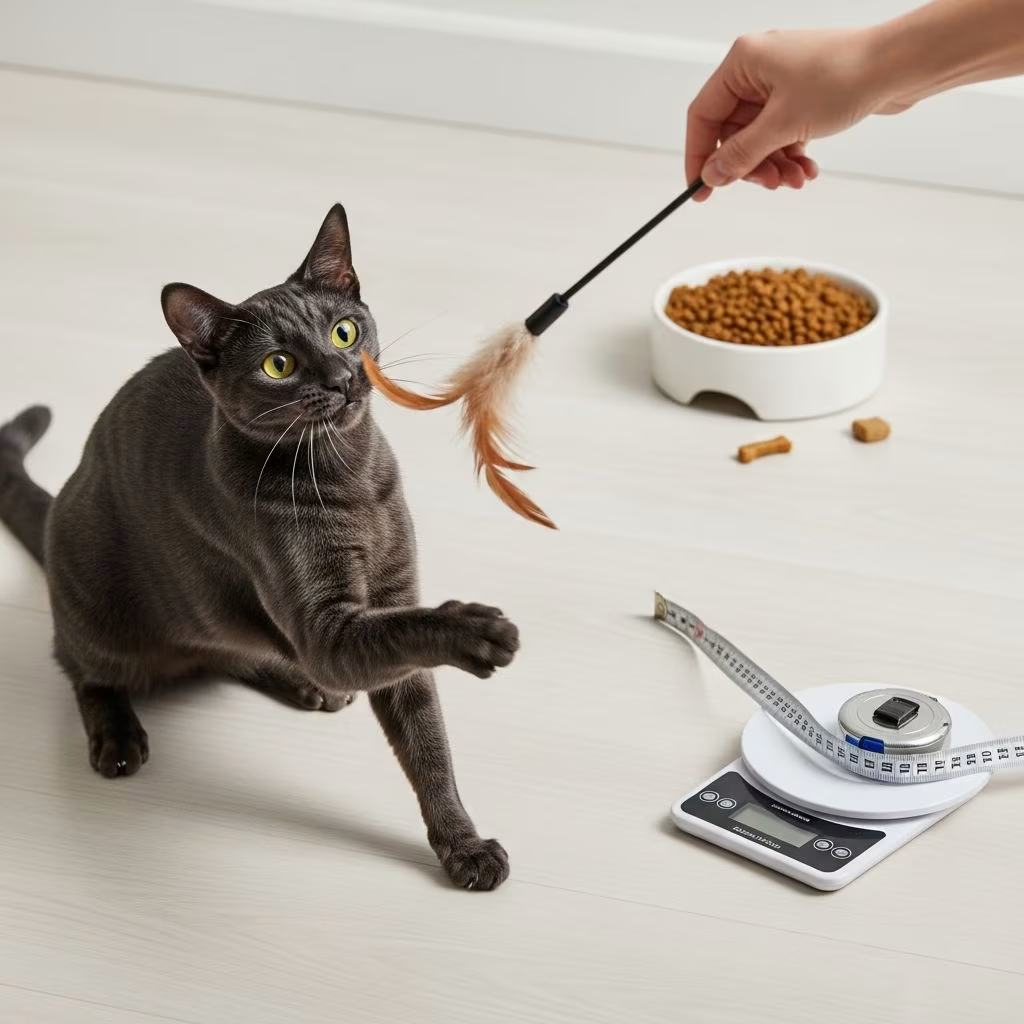
Creating a Weight Reduction Plan for Cats
Cat obesity has become increasingly common in modern households, affecting millions of pets worldwide. While it may seem endearing to have a plump feline companion, excess weight can lead to serious health complications including diabetes, joint disease, and liver problems. The good news is that with proper planning, veterinary supervision, and commitment from you as a pet owner, your cat can successfully achieve and maintain a healthy weight. Creating an effective weight reduction plan requires more than simply feeding your cat less food—it demands a strategic approach that combines proper nutrition, appropriate portion sizes, increased activity, and consistent monitoring.
Understanding Cat Obesity and Weight Loss Basics
Obesity in cats occurs when caloric intake exceeds caloric expenditure, leading to excess fat accumulation. The fundamental principle of weight loss is straightforward: fewer calories in, plus more calories out, equals weight loss. However, implementing this principle safely requires expertise and oversight. One critical mistake many cat owners make is simply reducing the volume of their cat’s current food. This approach can lead to nutritional deficiencies over time, as the cat may not receive adequate vitamins, minerals, and other essential nutrients. A proper weight loss program addresses both sides of the equation: reducing caloric intake through appropriate diet selection and increasing caloric expenditure through enhanced exercise and activity.
Why Veterinary Supervision Is Essential
Before embarking on any weight loss journey, you should never put an obese cat on a diet without veterinary supervision. Rapid weight loss or weight loss achieved through inappropriate foods can pose serious health risks to your cat. Your veterinarian will perform a comprehensive physical examination and likely recommend diagnostic testing to identify any underlying diseases or obstacles that might impact your cat’s weight loss journey. This initial assessment is crucial because certain medical conditions can affect metabolism and weight management. Additionally, your veterinarian will determine your cat’s current Body Condition Score (BCS) and establish an appropriate target weight based on breed, age, and individual health factors.
Beginning Your Cat’s Weight Loss Program
Initial Assessment and Planning
The first step involves having your veterinarian evaluate your cat to rule out underlying medical diseases and determine the current Body Condition Score and ideal weight target. Your veterinary care team will then calculate the number of calories your cat needs to lose weight. It’s important to remember that these calculations are for the average cat, and your individual pet may need fewer or more calories to achieve weight loss. Your veterinarian may ask you to complete a food diary—a written log of everything that enters your cat’s mouth for several days. This helps your veterinarian determine your cat’s current caloric intake and establish an appropriate starting point for the weight loss plan.
Selecting the Right Diet
Rather than simply feeding less of your cat’s current food, work with your veterinarian and healthcare team to select an appropriate therapeutic diet specifically formulated for weight loss. The most efficient approach involves using a calorie-restricted therapeutic diet with a specific portion and specific meal frequency. Purpose-formulated veterinary therapeutic weight-loss foods offer several advantages:
- Lower in fat to reduce energy density
- Higher concentration of vitamins and minerals to ensure your cat meets nutritional requirements even when consuming fewer calories
- Formulated to promote satiety, helping your cat feel fuller longer
- Designed to support lean muscle mass while reducing fat
The transition to a new diet should be gradual to prevent digestive upset. A minimum of one to two weeks is recommended for the transition process. Start by substituting one-quarter of the new diet for two to three days, then increase to one-half of the total volume for another two to four days, then three-quarters of the new food for a final three to five days before completely switching to the new diet.
Implementing Effective Feeding Strategies
Portion Control and Meal Frequency
Portion control is critical to successful weight loss and preventing future weight regain. Your veterinary care team will calculate specific portion sizes based on your cat’s caloric requirements. Some research suggests that smaller, more frequent meals may be better for satiety, fooling cats into thinking they are receiving more food, while other studies suggest that fewer, larger meals have a better impact on satiety. The key is to remain consistent with the total amount of food provided each day, regardless of whether you choose to divide it into multiple meals or fewer portions.
Structured Feeding Schedule
Establish a consistent feeding schedule with two to four set mealtimes per day rather than allowing free feeding or grazing. Feed your cat specific meals during designated times and monitor mealtimes closely. Remove any leftover food after 15 to 30 minutes to prevent constant access to food. If you have multiple cats, feed them in separate locations. Place your overweight cat’s therapeutic diet in one room while feeding other cats elsewhere. This prevents competition, food aggression, and allows you to monitor exactly how much each cat consumes.
Managing Between-Meal Hunger
If your cat frequently eyes the empty food bowl between meals, consider offering fresh, cold water to satisfy cravings without adding calories. Additionally, pet your cat or play with it when it begs for food. Many cats will happily substitute food for affection, so engaging in playtime can displace the desire to eat. Using food puzzles or slow feeders can help overweight cats eat more slowly, burn additional calories through play, and stay mentally stimulated.
Treating and Reward Management
Treats are often overlooked but can significantly impact weight loss efforts. Just four or five treats can easily equal an extra meal’s worth of calories, so reducing or carefully controlling treats is important to reducing your pet’s weight. If your cat enjoys treats, choose low-calorie options and ensure they constitute no more than 10 percent of daily caloric intake.
Monitoring Progress and Making Adjustments
Initial Checkups
After starting a weight loss program, your cat should be reassessed within one week of initiating the diet plan, even if you are still transitioning to the new food. This early checkup ensures that the plan is beginning correctly and allows your veterinarian to address any concerns. Once your cat has fully transitioned to the new food, another assessment should be conducted within one to two weeks so your veterinary care team can ensure feeding amounts are appropriate for your cat’s individual needs.
Regular Weigh-Ins and Assessments
Monthly weigh-ins are important for successful weight loss and to keep everyone accountable. After the initial transition period, your cat should be weighed at least every other week until the goal weight is achieved. Your veterinarian might allow you to weigh your cat at home using a luggage scale or baby scale and report those weights. However, you should still bring your cat in to the clinic for an assessment once per month to ensure you are getting accurate measurements on your home scale. A plan that is working means that your cat is eating the prescribed diet in prescribed amounts, is not getting any unaccounted calories, is not having adverse reactions such as vomiting or diarrhea, and is losing weight appropriately.
Appropriate Weight Loss Rate
It is essential to verify that weight loss is neither too fast nor too slow. Rapid weight loss is not desirable because it can lead to loss of lean muscle and can put your cat at risk of severe liver disease (hepatic lipidosis or fatty liver syndrome). Ideally, cats should lose somewhere between 1 percent and 2 percent of their initial body weight per week, and closer to 0.5 percent might be more appropriate for morbidly obese cats. A gradual reduction is especially important—and safest—for cats with a Body Condition Score of 7 to 9, where obesity is present.
Duration of the Weight Loss Program
The length of time your cat needs to remain on a weight loss diet varies considerably. Each cat is an individual and may require adjustments to the recommended diet or routine, which could lengthen the duration of the weight loss plan. Under veterinary care, guided weight loss programs typically take anywhere from 2 to 3 months to 12 to 18 months for overweight pets to shed excess weight and achieve their target weight. Overweight pets typically require many months to return to a healthy weight, so patience and consistency are essential throughout this process.
Incorporating Exercise and Activity
While diet forms the foundation of weight loss, increasing your cat’s daily exercise and activity level is equally important. Exercise increases calorie expenditure and helps ensure that your cat burns more calories than she consumes. Modifying your cat’s exercise and activity level can complement the overall weight loss plan by increasing the calories expended. Work with your veterinarian to develop an exercise plan appropriate for your cat’s current fitness level and any underlying health conditions. Activities might include interactive play sessions, climbing structures, laser pointers, or outdoor enrichment if your cat has access to a safe outdoor space.
Maintaining Weight Loss Long-Term
After your cat has achieved the target weight, maintaining that weight becomes the next challenge. Portion control remains critical at this stage to avoid regaining weight, and that applies to both food in the bowl and treats. Some cats, especially those who exhibit begging behaviors and are less active, may benefit from remaining on a therapeutic weight-loss diet with slightly higher meal portions for maintenance. Your veterinary team can guide you through this transition process and help establish a maintenance feeding plan that works for your household.
Frequently Asked Questions
Q: What’s the main principle behind cat weight loss?
A: Weight loss is achieved through consuming fewer calories while expending more calories through activity. However, this must be done safely under veterinary supervision to avoid nutritional deficiencies and health complications.
Q: Can I just feed my cat less of their current food?
A: No. Simply reducing the volume of your cat’s current food can result in deficiencies of important micronutrients over time. Instead, work with your veterinarian to select a purpose-formulated therapeutic weight-loss diet with appropriate portions.
Q: How quickly should my cat lose weight?
A: Cats should ideally lose between 1 percent and 2 percent of their initial body weight per week, or closer to 0.5 percent for morbidly obese cats. Rapid weight loss can lead to serious health complications like hepatic lipidosis.
Q: How often should I weigh my cat during weight loss?
A: Your cat should be weighed at least every other week until the goal weight is achieved. Monthly clinic assessments are also recommended to ensure accurate measurements and monitor overall progress.
Q: How long will the weight loss program take?
A: Weight loss programs typically take 2 to 3 months to 12 to 18 months depending on the amount of weight to lose and individual factors. Each cat requires a personalized timeline.
Q: Should I include exercise in the weight loss plan?
A: Yes. Increasing your cat’s daily exercise and activity level is crucial to successful weight loss, as it increases calorie expenditure. Work with your veterinarian to develop an appropriate exercise plan.
Q: What should I do if my cat begs for food?
A: Offer fresh water or engage in playtime instead. Many cats will happily substitute food for affection, so interactive play sessions can help satisfy their desire for attention.
References
- Exercising Your Cat for Weight Loss — VCA Animal Hospitals. https://vcahospitals.com/know-your-pet/exercising-your-cat-for-weight-loss
- Obesity in Cats — VCA Animal Hospitals. https://vcahospitals.com/know-your-pet/obesity-in-cats
- Creating a Weight Reduction Plan for Cats — VCA Animal Hospitals. https://vcahospitals.com/know-your-pet/creating-a-weight-reduction-plan-for-cats
- Cat Weight Loss Information: Start Healthy Weight Loss Today — Pet Obesity Prevention. https://www.petobesityprevention.org/weight-loss-cats
- Tips for Successful Weight Loss in Dogs and Cats — VCA Animal Hospitals. https://vcahospitals.com/know-your-pet/tips-for-successful-weight-loss-in-dogs-and-cats
- Maintaining Weight Loss in Dogs and Cats — VCA Animal Hospitals. https://vcahospitals.com/know-your-pet/maintaining-weight-loss-in-dogs-and-cats
- Exercise and Your Obese Cat — VCA Animal Hospitals. https://vcahospitals.com/know-your-pet/exercise-and-your-obese-cat



