
Rabbit Habitat: Complete Guide To Safe, Comfortable Homes
Discover expert tips on designing a safe, stimulating home for your pet rabbit to ensure their health and happiness.
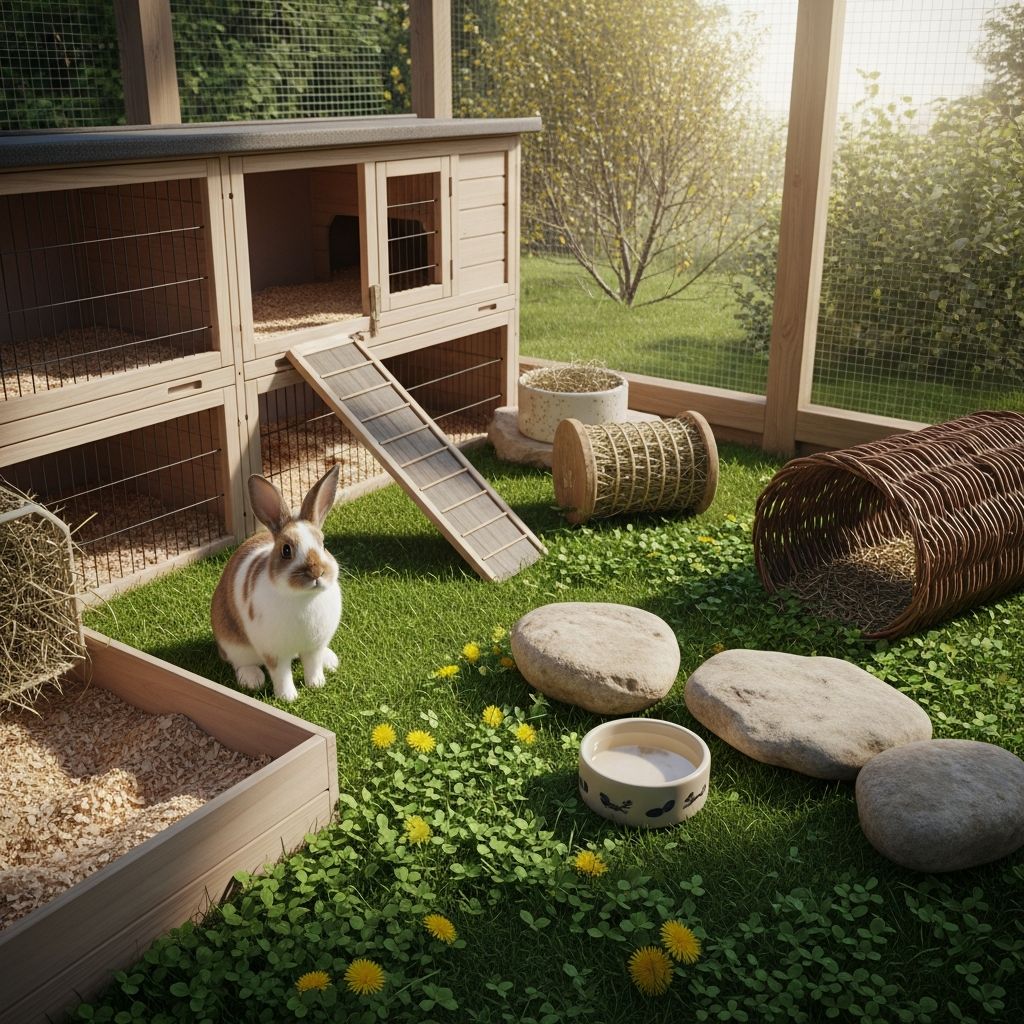
Pet rabbits thrive in environments that mimic their natural behaviors while prioritizing safety and comfort. A well-designed habitat supports physical health, mental stimulation, and longevity, allowing these active animals to hop, dig, and explore without risk.
Selecting the Right Enclosure
Choosing an appropriate living space is the foundation of rabbit care. Rabbits require ample room to stretch, jump, and play, as confinement can lead to stress and health issues like obesity or foot problems. Opt for enclosures that exceed minimum sizes: at least 24 inches long, wide, and high for small to medium breeds, scaling up to 36 inches or more for larger ones. Wire floors should be avoided to prevent hock sores; solid flooring with soft bedding is ideal.
- Use spacious indoor cages, hutches, or exercise pens with secure latches.
- Ensure good ventilation to maintain fresh air without drafts.
- Incorporate multiple levels or platforms for climbing, if the rabbit’s breed allows.
For outdoor options, secure predator-proof hutches with shaded areas are suitable only in mild climates, but indoor housing remains preferable year-round for temperature control.
Safety Essentials for Indoor Living
Rabbits are curious chewers and diggers, making home safety critical when they roam. Rabbit-proofing prevents electrical hazards, toxic ingestions, and injuries. Cover or hide cords with plastic tubing, block baseboards, and remove poisonous plants like lilies or pothos.
| Hazard | Protection Method |
|---|---|
| Electrical Wires | Spiral chew guards or cord covers |
| Furniture Legs | Bitter apple spray or PVC pipes |
| Plants & Small Objects | Elevate or relocate entirely |
| Carpets | Scatter rugs or tile guards |
Supervised free-roam time in a dedicated room fosters exercise while minimizing risks. Baby gates can section off safe zones.
Bedding and Comfort Features
Comfortable flooring prevents ulcers on delicate paws. Layer absorbent, dust-free materials like paper pellets, fleece liners, or aspen shavings over solid bases. Avoid pine or cedar due to respiratory irritants. Provide hiding spots such as boxes or tunnels for security, as rabbits are prey animals that feel safest concealed.
- Hay racks keep grass elevated and clean.
- Litter boxes with paper-based, unscented filler support natural toilet habits.
- Heavy ceramic bowls or sipper bottles for water prevent spills.
Daily spot-cleaning of soiled areas maintains hygiene, with full deep cleans weekly.
Nutrition Stations in the Habitat
A rabbit’s home must facilitate proper feeding. Unlimited timothy hay should be the centerpiece, comprising 80-90% of their diet to aid digestion and dental wear. Position hay racks to encourage constant nibbling.
Limit pellets to 1/4 cup per 5 pounds of body weight daily, choosing plain varieties without seeds or treats. Fresh greens like romaine, parsley, or dandelion complement meals but introduce gradually to avoid GI upset. Always supply fresh water, refreshed daily in stable containers.
Enrichment and Mental Stimulation
Boredom leads to destructive behaviors, so integrate toys and activities. Offer safe chew items like untreated wood blocks, cardboard tunnels, and puzzle feeders to satisfy gnawing instincts. Rotate items weekly to maintain interest.
- Digging boxes filled with soil or shredded paper.
- Hanging toys or willow balls for batting.
- Scattering herbs for foraging games.
Social time with owners or compatible rabbits provides emotional fulfillment, but introductions must be gradual in neutral spaces.
Daily Maintenance Routines
Consistency in upkeep promotes health. Spot-clean enclosures daily, removing waste and uneaten food to deter flies and bacteria. Weekly protocols include:
- Remove rabbit to a safe play area.
- Wash habitat with mild soap or vinegar solution; rinse thoroughly.
- Dry completely before re-bedding.
Monitor for ammonia smells, which signal insufficient cleaning and potential respiratory risks.
Grooming Within the Living Space
Incorporate grooming tools into the habitat for routine care. Brush long-haired breeds several times weekly to prevent wool block; short-haired ones need less but benefit from shedding season sessions. Nail trims every 4 weeks keep feet healthy—use clippers and styptic powder for accidents.
Rabbits self-groom but appreciate spot-cleaning with damp cloths for soiled fur, avoiding full baths unless medically necessary.
Health Monitoring in the Home Setup
A proper habitat aids early illness detection. Watch for changes like reduced appetite, lethargy, or abnormal droppings. Spay/neuter rabbits post-puberty to curb cancers and behaviors like spraying. Schedule annual vet checkups with rabbit-savvy professionals for vaccinations and dental exams.
**Common Health Red Flags:**
- Overgrown teeth from insufficient hay.
- Pododermatitis from wire floors.
- GI stasis from poor diet.
Multi-Rabbit Households
Housing bonded pairs or groups requires expanded space—double the size minimum—and same-sex or neutered pairings to reduce fights. Introduce slowly: scent swapping, then supervised meets. Provide separate resources to avoid resource guarding.
Seasonal and Environmental Adjustments
Maintain 60-70°F temperatures, using fans or cool mats in summer and safe heaters in winter. Humidity control prevents mold in bedding. Outdoor time in enclosed runs offers sunlight benefits but demands predator vigilance.
Frequently Asked Questions (FAQs)
Can rabbits live outdoors full-time?
While possible in temperate zones, indoor living is safer due to weather extremes, predators, and loneliness.
How often should I clean the enclosure?
Daily spot cleans and weekly full sanitizes keep environments healthy.
What if my rabbit chews everything?
Supply more chew toys and redirect; it’s natural but needs safe outlets.
Is a cage enough space for a rabbit?
No—rabbits need room to exercise daily outside the enclosure.
Do rabbits need companions?
Many benefit from pairs, but singles thrive with owner interaction.
Advanced Habitat Upgrades
For avid owners, consider custom condos with attached runs, automated waterers, or camera monitoring. Natural branches for climbing add variety, ensuring they’re pesticide-free.
References
- Rabbit Care Essentials: A Beginner’s Guide to Caring for Your Rabbit — WellKeptRabbit.com. 2023. https://wellkeptrabbit.com/blogs/care/rabbit-care-essentials-a-beginners-guide-to-caring-for-your-rabbit
- Rabbit Care: The Complete Guide — BunnyLady.com. 2023. https://bunnylady.com/rabbit-care-guide/
- How To Care for a Pet Rabbit: Bunny Care Sheet — PetMD.com. 2024-02-15. https://www.petmd.com/rabbit/bunnies-care-sheet
- How To Care For A Pet Rabbit: A Primer — Rabbit.org. 2022. https://rabbit.org/care/how-to-care-for-a-pet-rabbit-a-primer/
- Rabbit care — Animal Humane Society. 2023. https://www.animalhumanesociety.org/resource/rabbit-care
Similar Articles








Read full bio of medha deb