

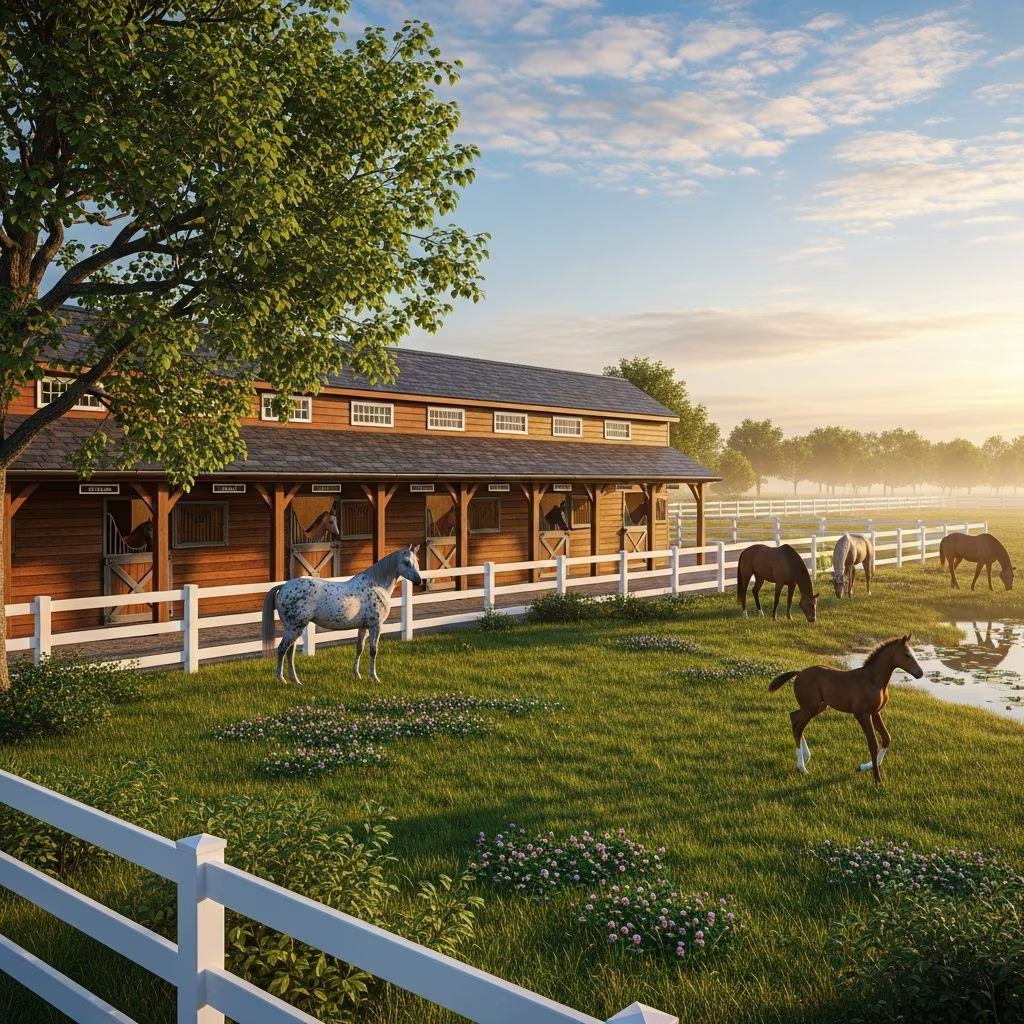
Establishing a suitable living space for a horse involves careful planning to meet their physical, nutritional, and social requirements. This ensures robust health, contentment, and longevity for your equine companion.
Evaluating Your Property for Horse Living
Before welcoming a horse, assess your land’s suitability. Look for ample open areas that allow natural movement, sturdy fencing to contain them securely, and proximity to your residence for frequent oversight. Reliable access to utilities like electricity and water simplifies upkeep.
- Verify soil quality to avoid excessive mud or erosion issues.
- Ensure fencing stands at least 4-5 feet high with no-climb design to deter escapes.
- Plan for waste removal systems to maintain hygiene.
Properties with varied terrain promote mental engagement and physical fitness, reducing stress-related behaviors.
Designing Secure Shelter Options
Horses require protection from harsh weather while retaining freedom to roam. Options range from open pastures with natural windbreaks to constructed run-in sheds measuring at least 12×12 feet per horse for comfort.
| Shelter Type | Pros | Cons | Best For |
|---|---|---|---|
| Run-in Shed | Cost-effective, allows turnout | Limited space in storms | Mild climates |
| Barn Stall | Full enclosure, easy monitoring | Risk of stall rest issues | Cold regions |
| Pasture Trees | Natural, low-maintenance | Inadequate in heavy rain | Temperate areas |
Prioritize three-sided structures facing away from prevailing winds, with non-slip flooring and adequate ventilation to prevent respiratory problems.
Nutrition Fundamentals for Optimal Health
A forage-centric diet forms the cornerstone of equine nutrition, mimicking their natural grazing habits. Aim for 1.5-2% of body weight in hay daily, supplemented judiciously with grains based on activity level.
- Offer free-choice high-quality grass hay to sustain gut health.
- Divide concentrates into 2-4 small meals to avoid digestive upset.
- Monitor body condition score regularly, targeting 5-6 on a 9-point scale.
Clean, fresh water—10-15 gallons per day—must be available at all times. Automatic waterers reduce labor but require daily checks for functionality.
Daily Management Routines
Consistent daily tasks prevent common issues and foster a strong owner-horse bond. A structured checklist ensures nothing is overlooked amid busy schedules.
- Water Inspection: Refresh and quantify intake to detect dehydration early.
- Forage Distribution: Provide hay in multiple feedings or nets to extend consumption time.
- Stall Hygiene: Remove manure and wet bedding fully each day to thwart infections like thrush.
- Environmental Scan: Hunt for hazards such as sharp protrusions or uneven ground.
- Grooming Session: Brush thoroughly to boost circulation and spot injuries.
- Hoof Maintenance: Clean soles daily and schedule farrier visits every 6-8 weeks.
- Exercise Provision: Ensure at least 4-6 hours of turnout or structured activity.
- Health Monitoring: Note vital signs—temperature 99-101°F, pulse 28-44 bpm, respirations 8-16 per minute.
These practices, performed morning and evening, significantly lower injury and illness risks.
Social Interaction and Companionship Needs
Horses thrive in herds, so isolation can lead to anxiety or stereotypic behaviors like cribbing. Pair with compatible pasture mates, avoiding aggressive stallions unless breeding-focused.
- Gelding or mares serve as calmer buddies.
- Rotate companions to prevent over-bonding.
- Human interaction through grooming and handling builds trust.
Stabled horses benefit from adjacent stalls with visual and olfactory contact.
Exercise and Space Allocation
Ample room for movement combats obesity and supports joint integrity. Pastures should offer 1-2 acres per horse, with rotational grazing to preserve grass cover.
Hand-walking or lunging suits horses with turnout limits, aiming for 30-60 minutes daily. Avoid prolonged tethering, which restricts natural postures and risks entanglement.
Preventive Healthcare Strategies
Collaborate with veterinarians, farriers, and nutritionists for proactive care. Annual vaccinations, deworming based on fecal tests, and dental floats every 6-12 months are non-negotiable.
- Dental exams reveal sharp edges causing weight loss.
- Foals need early socialization and halter training.
- Senior horses require joint supplements and softer bedding.
Regular body condition assessments guide dietary tweaks, preventing laminitis or colic.
Seasonal Adjustments for Comfort
Tailor care to weather shifts. Summer demands fly control and electrolyte boosts; winter calls for blanket checks and increased calories for thermoregulation.
Clip horses only if blanketed consistently, and provide salt blocks year-round to encourage drinking.
Fencing and Safety Infrastructure
Robust barriers are paramount. Use woven wire or wood with smooth wires at chest height (4 feet) and lower braces to discourage leaning.
- Electric strands add deterrence without harm.
- Gate latches must be horse-proof.
- Remove debris like wire or tools promptly.
Daily perimeter walks identify weak points before accidents occur.
Financial Planning for Ownership
Budget for feed ($300-600/month), vet ($500+/year), farrier ($150 bimonthly), and bedding. Factor in facility upgrades or insurance for unexpected events.
New owners should join clubs for shared resources and lessons, ensuring safe riding gear fits properly.
FAQs
How much space does one horse need?
At minimum, 1 acre for turnout, expandable for multiple horses to allow grazing recovery.
Can horses live without a barn?
Yes, with reliable run-in shelters and trees, provided climate suits.
How often should I deworm?
Fecal egg counts guide frequency, typically 2-4 times yearly, not blanket schedules.
What bedding is best?
Kiln-dried shavings or straw absorb moisture effectively without dust.
Signs my horse needs a vet?
Lethargy, colic symptoms (pawing, rolling), lameness, or appetite loss warrant immediate calls.
References
- Basic Horse Care Guide for Beginners [Daily Checklist] — Mad Barn. 2023. https://madbarn.com/basic-horse-care-guide/
- Basic horse care — Agriculture Victoria. 2024-01-15. https://agriculture.vic.gov.au/livestock-and-animals/horses/basic-horse-care
- Horse Care For Beginners — YouTube (Carmella Abel). 2022-05-10. https://www.youtube.com/watch?v=fdGhd2phEHs



