

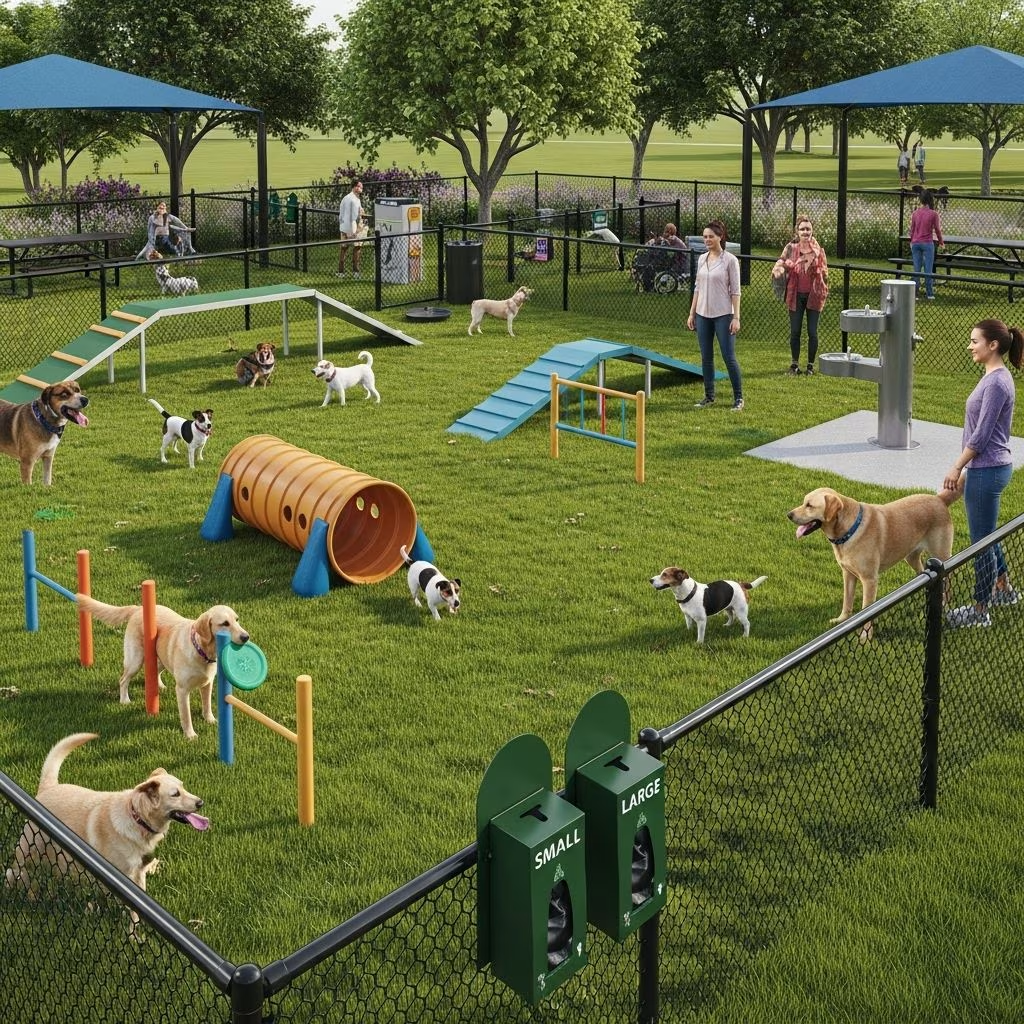
Dog parks serve as vital community spaces where canine companions can exercise, socialize, and burn energy in designated off-leash areas. However, the success of these facilities depends heavily on the adherence to established guidelines and the mutual respect of all participants. Understanding the framework of dog park operations ensures that every visit remains enjoyable and safe for both dogs and their human companions.
Understanding the Foundation of Dog Park Regulations
Effective dog park management begins with establishing clear, enforceable rules that address health, safety, and behavioral concerns. These regulations protect not only the dogs using the facilities but also the broader community and the municipality responsible for maintaining them. The most successful dog parks implement comprehensive policies that cover vaccination requirements, age restrictions, behavioral standards, and facility maintenance procedures.
Dog parks typically operate under municipal ordinances that define the legal framework for off-leash activities. Owners and handlers who use these facilities implicitly agree to comply with all posted regulations and assume responsibility for their dog’s actions and any injuries or property damage that may result. This legal understanding creates a shared commitment to maintaining a safe and welcoming environment for all participants.
Health and Vaccination Prerequisites for Park Access
One of the most critical rules in any dog park pertains to health and vaccination status. All dogs must possess current rabies vaccinations, a requirement mandated by both public health regulations and municipal ordinances. Beyond rabies protection, many facilities require proof of vaccination against other common canine diseases to prevent the spread of potentially serious illnesses within the confined park environment.
Dogs must display current identification tags at all times while in the park. These tags serve multiple purposes: they verify vaccination status, provide identification if a dog becomes lost or escapes the park, and demonstrate that the owner takes their pet’s safety seriously. Additionally, many jurisdictions require that dogs be officially licensed through local authorities, with documentation available upon request by animal control officers.
Parasite prevention represents another important health consideration. Dogs should be healthy and parasite-free before entering the park environment. This requirement protects all canines using the facility from exposure to fleas, ticks, worms, and other parasites that can spread quickly in shared spaces where dogs interact closely.
Age and Development Stage Considerations
Age restrictions exist in dog parks for several important reasons. Most facilities prohibit puppies younger than four months from accessing off-leash areas. Young puppies are still developing their immune systems and lack complete vaccination protection. Additionally, puppies in this age range may not have established proper socialization and play behaviors, and their fragile bodies remain more vulnerable to injury during interaction with larger or more boisterous dogs.
Female dogs in heat are similarly prohibited from most dog parks. This restriction prevents unwanted breeding behaviors, reduces conflict and stress in the park environment, and protects the reproductive health of all participants. Park operators typically post these restrictions clearly at entrance points to ensure all visitors understand these health-related limitations.
Behavioral Standards and Aggression Management
Clear behavioral expectations form the backbone of dog park safety. Dogs must be removed immediately at the first sign of aggression toward other dogs or humans. This zero-tolerance approach to aggression protects all park users and prevents minor incidents from escalating into serious confrontations. Owners and handlers bear the responsibility for recognizing warning signs of tension or conflict and intervening promptly.
Dogs that are known to be dangerous, aggressive, sick, or have open wounds are prohibited from entering dog parks. This category also includes dogs with histories of attacking people or other animals, as well as those with documented behavioral issues. These restrictions protect the welfare of all dogs using the facility and create a safer environment for human visitors as well.
Many facilities limit the number of dogs each person can bring to the park simultaneously. Common restrictions allow no more than two to three dogs per handler, ensuring that individuals maintain adequate visual and verbal control of their animals. This limitation prevents overwhelming the handler’s ability to supervise, respond to conflicts, or manage emergency situations.
Entry and Exit Procedures for Safe Transitions
Proper entry and exit protocols protect dogs from escaping and ensure controlled transitions between leashed and unleashed areas. Dogs must be leashed when entering and leaving the off-leash park. Some facilities install double-gated airlocks or holding areas where handlers can enter with a leashed dog, close the first gate, remove the leash, and then open the second gate to access the main park. This design feature prevents accidental escapes during transitions.
Once inside designated off-leash areas, dogs are released from their leashes to play freely. However, handlers must keep leashes visible and accessible at all times, allowing for quick recapture if necessary. This balance between freedom and control enables dogs to enjoy off-leash play while maintaining safety measures for emergency situations.
Collar and Equipment Requirements
Specific equipment restrictions enhance safety during dog-to-dog interactions. Spike, prong, and choke collars are prohibited in dog parks. These training tools can injure other dogs during play and create hazards in the controlled environment of a dog park. Additionally, dogs must wear standard collars or harnesses at all times while in the park, providing handlers with a method to quickly control or capture their dog if needed.
The requirement to keep equipment on dogs acknowledges the practical need for handlers to manage their animals in emergency situations while accepting that such gear may occasionally become involved in play interactions. This balance between safety and practicality reflects the real-world challenges of managing multiple dogs in shared spaces.
Supervision and Handler Responsibilities
Active supervision represents one of the most important owner responsibilities. Handlers must remain within the fenced area with their dogs at all times, maintaining visual and verbal control. This requirement ensures that owners can respond immediately to their dog’s actions, intervene in conflicts, and manage their pet’s behavior throughout the park visit.
Many facilities establish minimum age requirements for handlers, typically requiring that people supervising dogs be at least 14 to 16 years old. This age requirement ensures that handlers possess sufficient maturity and physical capability to manage dogs safely. Additionally, children under certain ages may be prohibited from entering fenced areas entirely for safety reasons, while others may be allowed only with adult supervision.
Children are specifically restricted from running, chasing, or playing with dogs in the park environment. These restrictions protect children from accidental injuries and prevent dogs from becoming overstimulated by erratic child behavior. Clear guidance on appropriate adult roles helps maintain order and safety in the park setting.
Waste Management and Facility Maintenance
Owners bear full responsibility for cleaning up after their dogs. Dog feces must be removed immediately by the owner or handler. This requirement maintains hygienic conditions, prevents the spread of parasites and diseases, and demonstrates basic respect for other park users. Many parks provide waste disposal stations and bags to facilitate this responsibility.
Dogs frequently dig holes while playing in dirt or sandy areas of dog parks. Owners must fill any holes created by their dog. This maintenance responsibility prevents injuries, maintains the park’s aesthetic appeal, and extends the life of the facility. Regular attention to such details prevents the accumulation of hazards and keeps the park in good condition for future visitors.
Facility operators must provide clean drinking water and maintain any water features regularly. Dog fountains or water features should be cleaned frequently and inspected for leaks or malfunctions. Adequate seating areas allow human visitors to supervise their dogs comfortably, and clear signage at entrance gates communicates all rules and regulations to visitors before they enter.
Prohibited Items and Substances
No food of any kind—whether intended for dogs or humans—is permitted in dog parks. This restriction prevents resource-guarding behaviors, reduces conflicts over food, and prevents dogs from consuming inappropriate items. Similarly, glass containers are prohibited to prevent injuries from broken glass to dogs’ paws and to protect human visitors.
Additional prohibited activities include dog grooming in the park, conducting fundraisers without prior approval, and bringing non-canine animals into designated dog-only spaces. Bicycles, skateboards, scooters, roller blades, and motorized vehicles are also typically restricted to maintain focus on dogs’ safety and prevent distractions or injuries. These restrictions create an environment dedicated exclusively to canine play and interaction.
Dress Code and Facility Conduct
Practical safety measures extend to footwear requirements. Handlers should wear shoes at all times in dog parks to protect their feet from injuries, parasites, and other hazards. This simple requirement reflects the reality that dog parks involve physical activity and potential exposure to dirt, waste, and rough ground surfaces.
All general park rules and town ordinances must be obeyed while using dog park facilities. This comprehensive requirement ensures that dog park usage aligns with broader municipal expectations and maintains consistency across all park facilities managed by local governments.
Liability and Risk Assumption
Legal language in dog park regulations clarifies that all dogs and visitors use the park at their own risk, and property owners or municipalities are not responsible for injuries caused by dogs or facility structure. This liability waiver, combined with owner agreements to comply with regulations and protect the municipality from liability claims, creates a legal framework that protects public entities while establishing clear owner responsibility.
Owners are legally responsible for their dog’s behavior at all times, and this responsibility persists both inside and outside the park. Dogs must not be left unattended in parks, and the principle of “no dogs without people, no people without dogs” reflects the essential requirement for constant human supervision.
Special Considerations for Different Dog Types
Many dog parks include separate areas for small dogs, typically designated for canines weighing 30 pounds or less. This separation accommodates size differences and play style variations between small and large dogs, reducing injury risks and allowing dogs to play with similarly-sized companions. The remainder of the park remains open to dogs of all sizes, creating flexibility for larger dogs and mixed groups.
Dogs with documented dangerous animal designations under state law or local ordinances are absolutely prohibited from dog parks. These legal designations reflect official recognition of behavioral problems or attack history, and such dogs pose unacceptable risks to other park users.
Hours of Operation and Maintenance Schedules
Dog parks typically operate during daytime hours and close during evening or night periods when supervision becomes difficult. Many facilities close one day weekly for maintenance activities. These operational patterns ensure that facilities receive adequate care and that park staff can address maintenance needs, sanitization, and repairs. Closures during inclement weather protect both dogs and people from hazardous conditions.
Verification and Documentation Procedures
Park operators conduct investigations and documentation of any reported accidents or incidents. This formal record-keeping ensures accountability, identifies patterns of problematic behavior, and allows park managers to take corrective action when necessary. Owners must provide current vaccination and registration information upon request by animal control officers.
Community Benefit and Socialization Value
Beyond the regulatory framework, dog parks provide invaluable socialization opportunities for dogs to interact with peers, exercise their bodies, and engage their minds. When rules are followed and owners remain responsible, these facilities support dogs’ physical and psychological well-being. The shared community resource model of dog parks depends on mutual respect and adherence to guidelines that protect all participants.
Practical Tips for First-Time Dog Park Visitors
Before your first dog park visit, familiarize yourself with specific facility rules and any membership or fee requirements. Verify that your dog meets all health and vaccination prerequisites, and bring documentation if requested. Observe your dog’s body language and other dogs’ interactions to understand play dynamics and identify early warning signs of conflict.
Maintain active supervision throughout your visit, keep your leash accessible, and be prepared to intervene if your dog shows signs of aggression or stress. Respect other handlers’ space and decisions about their dogs’ play participation, and report any rule violations or safety concerns to park management. Following these practices ensures enjoyable, safe experiences for everyone.
References
- Best Practices for Dog Parks — Trident Public Risk Solutions. 2024. https://156feb2f4d.nxcli.net/wp-content/uploads/2024/03/Trident_Public_Risk_Solutions_Risk_Control_Dog_Parks.pdf
- Off-Leash Site Rules & Regulations — City of Dallas Parks and Recreation Department. 2024. https://www.dallasparks.org/205/1520/Dog-Park-Rules
- Hound Mound Rules — Town of Flower Mound, Texas. 2024. https://www.flowermound.gov/1551/Dog-Park-Rules
- Dog Park Rules — City of Mansfield, Texas. 2024. https://www.mansfieldtexas.gov/1569/Dog-Park-Rules
- Dog Park Rules — Whole Dog Journal. 2024. https://www.whole-dog-journal.com/blog/dog-park-rules/
- 9 Rules For Dog Park Etiquette — Park N Play Design. 2024. https://www.parknplaydesign.com/post/rules-for-dog-park-etiquette



