

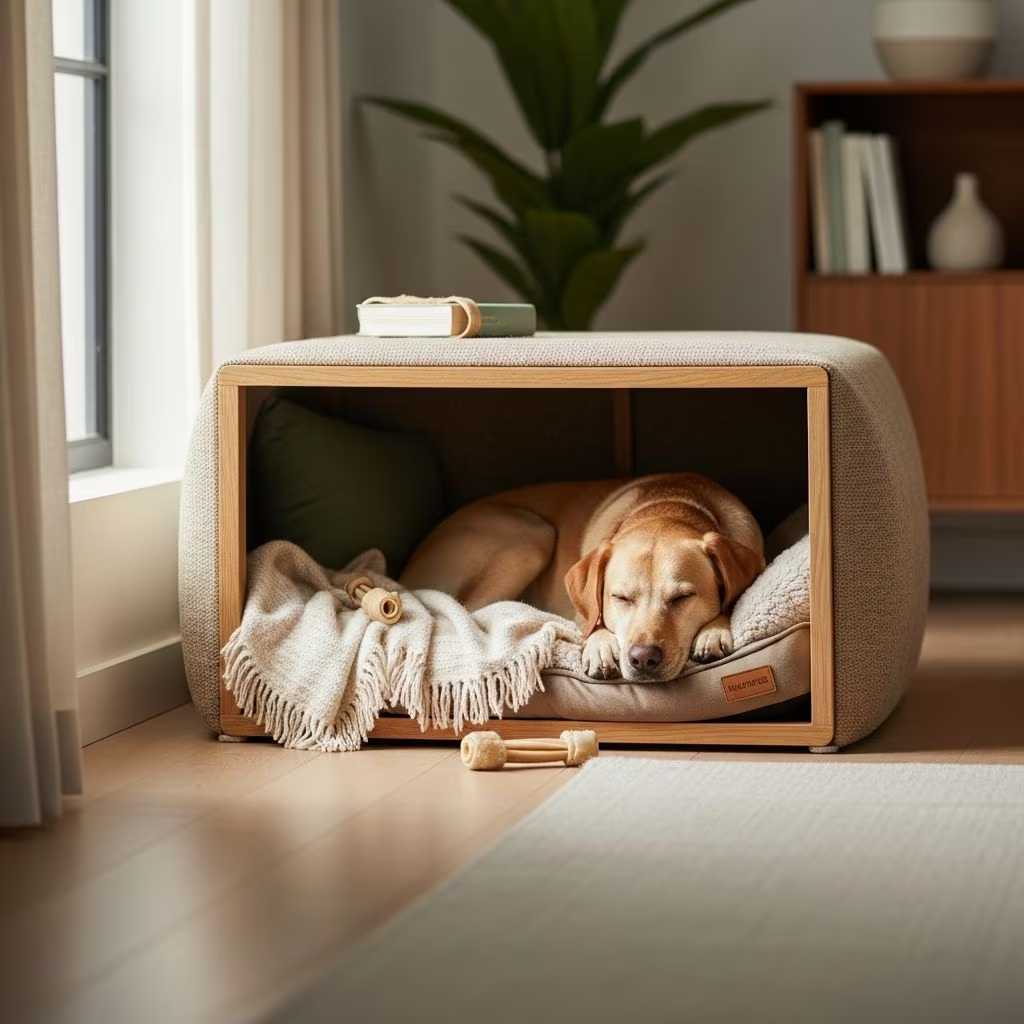
Dogs instinctively seek enclosed spaces for comfort and protection, making a dedicated den an essential element of modern pet care. This personal sanctuary mimics their wild ancestors’ burrows, promoting relaxation and behavioral health.
The Instinctual Pull of Dens in Canine Behavior
From wolves to domesticated breeds, canines have evolved to favor small, secure enclosures. In the wild, these dens shield pups from predators and weather, fostering a sense of safety. Domestic dogs retain this trait, often curling up in tight spots like under furniture or behind doors during stress.
Genetic wiring drives this preference: dogs feel vulnerable in open areas, associating enclosed spaces with puppyhood nurturing. Research highlights how such environments lower cortisol levels, the hormone linked to stress, leading to calmer demeanors.
- Ancestral roots: Wolves dig burrows for whelping and resting.
- Modern signs: Dogs digging yards or hiding under tables.
- Emotional link: Dens evoke maternal care memories.
Key Advantages of Introducing a Dog Den
A well-designed den transforms daily challenges into manageable routines. It serves multiple roles, from a quiet retreat to a training aid, enhancing both dog and owner well-being.
| Benefit | Description | Supported By |
|---|---|---|
| Anxiety Management | Reduces separation distress by providing a familiar safe haven, preventing destructive outbursts. | |
| House Training Aid | Leverages instinct to avoid soiling sleeping areas, accelerating potty success. | |
| Safety During Absences | Prevents mischief or injury when owners step out, offering peace of mind. | |
| Travel and Recovery Prep | Familiarity eases vet visits, trips, or post-surgery confinement. |
Owners report dogs entering dens voluntarily once acclimated, signaling trust in the space as their own.
Selecting the Perfect Den Setup
Choose based on size, material, and features to match your dog’s needs. The enclosure should allow standing, turning, and lying down comfortably—too large invites accidents, too small causes discomfort.
- Size Guidelines: Small breeds (under 25 lbs): 24″L x 18″W x 19″H; Medium (25-50 lbs): 30″L x 21″W x 24″H; Large (50-75 lbs): 36″L x 24″W x 27″H.
- Materials: Durable wire for ventilation, plastic for portability, fabric for portability with blackout covers.
- Enhancements: Memory foam bedding, sound-dampening panels, low-light interiors for optimal calm.
Placement matters: Position in high-traffic family areas for inclusion, yet offering escape from chaos.
Step-by-Step Guide to Den Training
Positive reinforcement builds lasting comfort. Rush the process, and it backfires into aversion; patience yields a lifelong ally.
- Introduction (Days 1-3): Leave door open with treats and toys inside. Praise entries without closing the door.
- Short Sessions (Week 1): Lure with meals fed inside, closing door for seconds, then minutes. Stay nearby.
- Build Duration (Week 2+): Extend alone time gradually, up to hours. Use cues like “kennel” paired with rewards.
- Integration: Nighttime bedding; absences only after full acceptance. Never punish inside.
Puppies adapt quickest before 16 weeks, but adults succeed with consistency. Monitor for distress signs like whining or pawing—shorten sessions if needed.
Common Hurdles and Fixes
Not all dogs embrace dens immediately. Address issues proactively.
- Fear of Confinement: Caused by past punishment. Revert to basics, use larger temporary spaces.
- Excessive Barking: Ignore attention-seeking; reward silence. Add calming toys.
- Overuse: Limit to 6-8 hours daily max for adults; puppies need frequent breaks.
- Size Mismatch: Upgrade if growth spurts occur.
Consult vets or shelters for tailored advice if anxiety persists.
Enhancing the Den for Maximum Comfort
Customize to amplify benefits. Soft, washable liners prevent chilling; pheromone diffusers mimic maternal scents.
Incorporate tech sparingly: Motion-activated fans for airflow, soft music for noise masking. Avoid overstimulating gadgets that disrupt natural rest.
Real-World Applications Beyond Home
Dens extend utility: Daycares use them for behavior management; travel crates ensure airport compliance. Post-injury, they limit movement safely.
In multi-pet homes, individual dens prevent resource guarding, promoting harmony.
Long-Term Outcomes of Den Use
Trained dogs exhibit confidence, fewer accidents, and voluntary retreats during storms or guests. Owners gain reliability for errands or work.
Studies from animal behaviorists confirm reduced vet visits for stress-related issues in den-acclimated dogs.
Frequently Asked Questions
Is crating cruel?
No, when sized properly and used briefly. It’s a natural extension of denning, not isolation.
How long can I leave my dog in a den?
Puppies: 2-4 hours; Adults: Up to 8 hours with exercise breaks. Adjust by age and tolerance.
What if my adult dog resists?
Start slow with high-value rewards. Professional trainers help entrenched cases.
Can dens help aggressive dogs?
Yes, by providing decompression space, but pair with behaviorist input.
Alternatives to wire crates?
Furniture-style covers or playpens for larger breeds, ensuring enclosure feel.
Conclusion: A Den for Lifelong Harmony
Investing in a den honors your dog’s heritage while solving practical issues. The result: a secure, independent pet and a stress-free home.
References
- Dog Dens — American Humane. Accessed 2026. https://www.americanhumane.org/public-education/dog-dens/
- Why Every Dog Needs a Den — ZenCrate. Accessed 2026. https://zendogcrate.com/blogs/news/why-every-dog-needs-a-den
- Crate Training: The Benefits for You and Your Dog — Washington PA Shelter. Accessed 2026. https://www.washingtonpashelter.org/crate-training-the-benefits-for-you-and-your-dog/
- The Benefits of Crate Training — Maryville/Alcoa Animal Rescue Center. Accessed 2026. https://maarcadopt.org/the-benefits-of-crate-training/
- Why Dogs Deserve a Den — Vocal Media Petlife. Accessed 2026. https://vocal.media/petlife/why-dogs-deserve-a-den



