Rat Habitat: Vet-Recommended Guide To Creating The Perfect Home
Discover expert tips on designing a safe, enriching home for your pet rats to ensure their health and happiness.
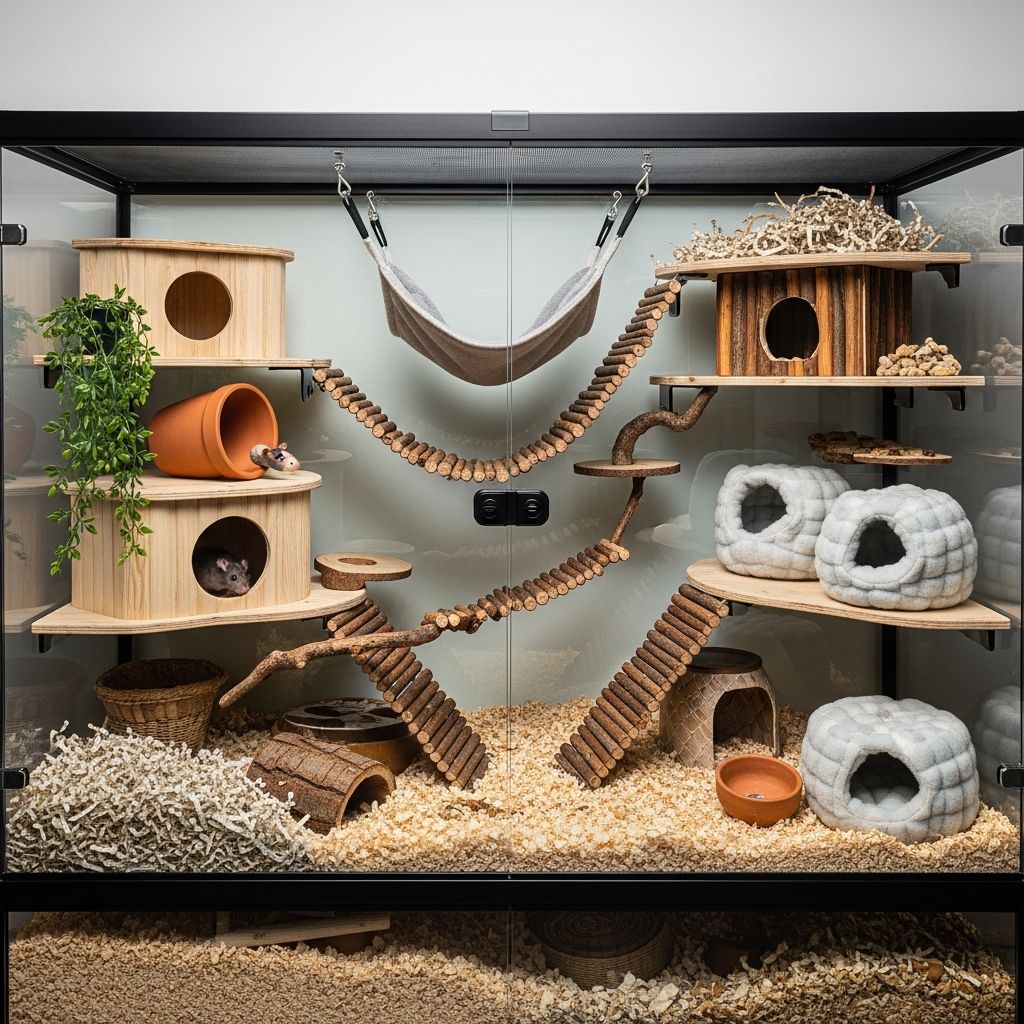
Pet rats thrive in environments that mimic their natural behaviors while prioritizing safety and comfort. A well-designed habitat promotes physical health, mental stimulation, and social interaction, helping these intelligent rodents live longer, fuller lives. This guide explores essential elements for setting up and maintaining an optimal home for your rats, drawing from veterinary-recommended practices.
Selecting the Right Enclosure
The foundation of any rat habitat is a spacious, secure enclosure. Rats are active explorers that need ample room to climb, burrow, and play. Minimum dimensions for a single rat should be 2 feet by 2 feet by 2 feet, but larger is always better—especially for pairs or groups, as rats are highly social and should never be housed alone.
- Wire cages with solid floors: Opt for bar spacing no wider than 1/2 inch to prevent escapes. Avoid all-wire floors, which can harm delicate feet.
- Aquariums or plastic totes: These provide secure containment but require excellent ventilation to prevent humidity buildup.
- Multi-level designs: Include ramps and platforms for vertical space, encouraging natural climbing instincts.
Position the enclosure in a quiet, draft-free area away from direct sunlight, extreme temperatures (ideal range: 65-75°F), and household hazards like cooking fumes or loud noises. Secure it to prevent tipping during enthusiastic play sessions.
Choosing Safe and Comfortable Bedding
Bedding serves multiple purposes: absorption, burrowing, and nest-building. Select dust-free, non-toxic materials to safeguard respiratory health, as rats are prone to infections from airborne particles.
| Bedding Type | Pros | Cons | Best For |
|---|---|---|---|
| Aspen Shavings | Absorbent, low-dust, affordable | Can be chewed | Daily use |
| Hemp or Paper Bedding | Highly absorbent, odor-control | More expensive | Multi-rat setups |
| Fleece Liners | Reusable, soft, easy to wash | Requires frequent laundering | Low-mess preference |
| Avoid: Pine/Cedar | – | Respiratory irritants | Not recommended |
Layer bedding 1-2 inches deep for digging opportunities. Spot-clean daily and fully replace weekly to maintain hygiene and prevent ammonia buildup from urine.
Enrichment Essentials for Mental Stimulation
Rats are curious problem-solvers that boredom can lead to stress or destructive behaviors. Incorporate a variety of toys and features to keep them engaged.
- Hammocks and nests: Suspended fabric pouches for sleeping and hiding, rotated weekly for novelty.
- Chew toys: Untreated wood blocks or lava rocks to wear down ever-growing teeth.
- Tunnels and hides: PVC pipes, cardboard boxes, or igloos for burrowing and exploration.
- Exercise wheels: Solid-surface models at least 12 inches in diameter; avoid wire wheels to prevent injuries.
Introduce new items regularly and rearrange the setup to mimic changing environments. Supervised out-of-cage playtime in a rat-proofed room or playpen (at least 1 hour daily) is crucial for exercise and bonding.
Nutrition and Hydration Fundamentals
A balanced diet supports immunity, energy, and longevity. Base 75-80% of meals on high-quality, fortified lab block pellets formulated for rats, avoiding seed mixes that encourage selective eating and malnutrition.
- Daily pellets: 1-2 blocks per rat, adjusted for age and activity.
- Fresh veggies: Every other day—dark leafy greens, carrots, broccoli (small portions to avoid diarrhea).
- Protein treats: Cooked eggs, yogurt, or mealworms 2-3 times weekly.
- Forbidden foods: Chocolate, caffeine, raw beans, citrus—toxic to rats.
Provide constant access to fresh water via a chew-proof bottle, cleaned daily. Use heavy ceramic bowls for food to prevent spilling.
Cleaning and Maintenance Routines
Regular upkeep prevents diseases, particularly respiratory issues common in rats. Consistency is key to a healthy habitat.
- Daily: Remove soiled bedding, uneaten food, and feces. Check and refill water.
- Weekly deep clean: Relocate rats to a safe play area. Disinfect enclosure and accessories with a 3% bleach solution (1:10 dilution, rinsed thoroughly) or pet-safe cleaner. Dry completely before reassembly.
- Accessories: Wash hammocks, toys, and wheels in hot soapy water; replace chew toys when frayed.
Wear gloves during cleaning and wash hands afterward to avoid spreading bacteria. A small shop vac aids in quick litter removal for larger enclosures.
Handling, Socialization, and Exercise
Gentle handling builds trust and reduces stress. Start with short sessions, supporting the body fully—never lift by the tail, which can cause injury.
- Safe holding: Cradle close to your chest while seated on the floor to minimize fall risks.
- Group housing: Same-sex pairs or groups (2-4 rats) for companionship; introduce gradually under supervision.
- Playpen time: Use enclosed spaces for supervised freedom, preventing escapes.
Daily interaction strengthens bonds, with rats enjoying shoulder rides or hoodie pockets once tamed.
Health Monitoring and Veterinary Care
Observe for signs of illness: labored breathing, weight loss, fur loss, lethargy, or nasal discharge. Rats hide sickness well, so weekly weigh-ins and body condition checks are vital.
- Common issues: Respiratory infections (from dust/smoke), tumors (genetic predisposition).
- Preventive measures: Dust-free environment, no smoke exposure, annual vet exams.
Seek exotic pet vets experienced in rodents. Grooming is minimal—rats self-clean—but assist seniors with soft brushes or wipes.
Frequently Asked Questions (FAQs)
Can rats live alone?
No, rats are social and suffer from isolation. House in compatible groups.
How often should I clean the cage?
Spot-clean daily, full clean weekly.
What size wheel is safe for rats?
Minimum 12-inch solid wheel to avoid tail entanglement.
Are rats easy to litter train?
Partially; they prefer corners, aiding cleaning.
Do rats need vaccines?
No routine vaccines, but regular health checks are essential.
References
- Rat Care Sheet — PetMD. 2024. https://www.petmd.com/exotic/rat-care-sheet
- Rat Care Guide — Oxbow Animal Health. 2024-03. https://oxbowanimalhealth.com/wp-content/uploads/2024/03/Rat-Care-Guide-Feb-2024.pdf
- Caring for your RAT — Oxbow Animal Health. 2024-03. https://oxbowanimalhealth.com/wp-content/uploads/2024/03/Rat-Care-Guide-Feb-2024.pdf
- Rat Care Guide — Little Critter Crew. 2023. https://littlecrittercrew.org/rat-care-guide/
- Rat care — Animal Humane Society. 2023. https://www.animalhumanesociety.org/resource/rat-care
Similar Articles








Read full bio of medha deb