

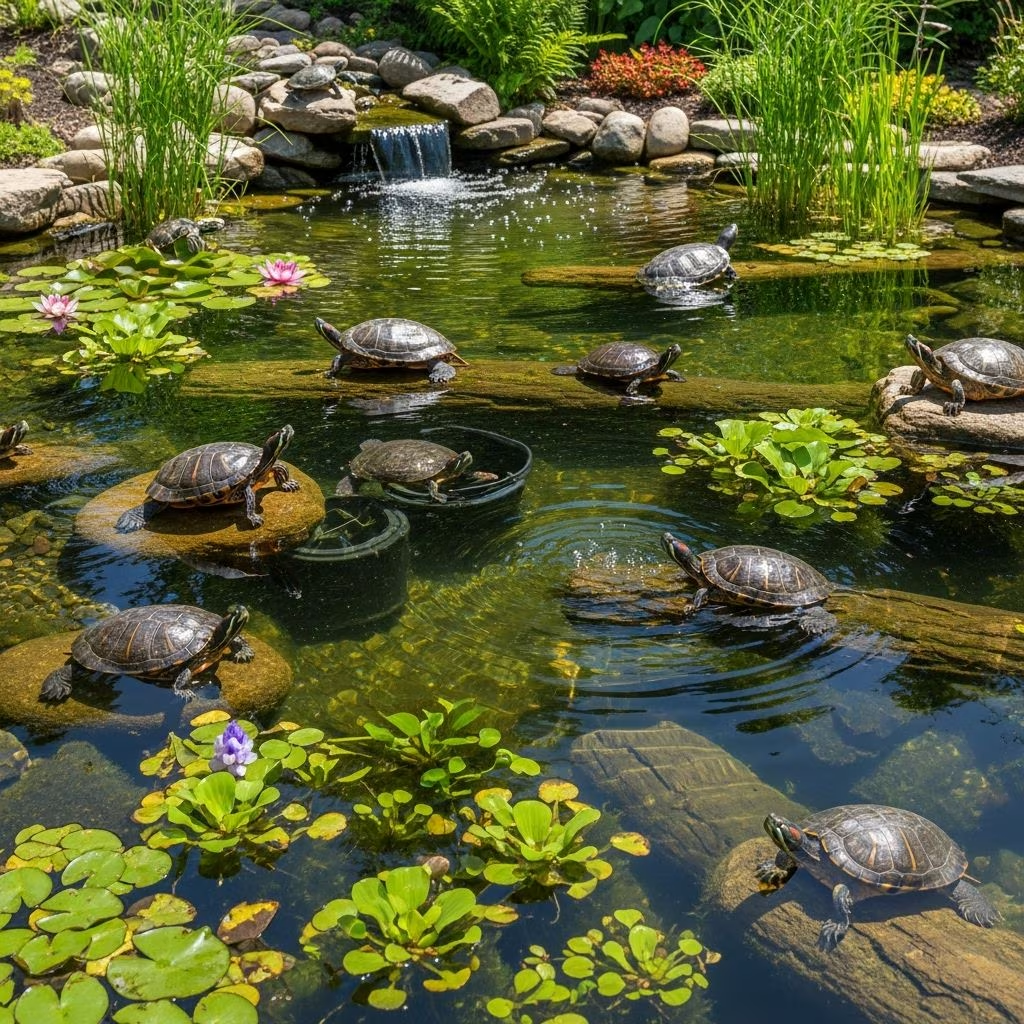
Creating the Perfect Pond for Turtles: A Comprehensive Guide
Owning pet turtles can be an incredibly rewarding experience, but providing them with an appropriate living environment is essential for their health and happiness. An outdoor pond can offer turtles a naturalistic habitat that allows them to thrive and exhibit natural behaviors. Whether you’re a seasoned turtle keeper or just starting your journey into reptile care, understanding how to design and build a proper turtle pond is crucial. This comprehensive guide will walk you through everything you need to know about creating the perfect pond for your shelled companions.
Understanding Turtle Pond Basics
Before breaking ground on your turtle pond project, it’s important to understand the fundamental requirements that make a pond suitable for turtles. Unlike ornamental koi ponds with cascading waterfalls and rapid water movement, turtle ponds should mimic the calm, shallow environments where turtles naturally thrive. Turtles are aquatic animals that spend significant time in water but also require access to land for basking, nesting, and foraging.
A well-designed turtle pond serves multiple purposes: it provides a safe swimming environment, offers space for natural behaviors, maintains water quality through proper filtration, and protects turtles from predators while preventing escapes. Understanding these core principles will help guide every decision you make during the pond construction and maintenance process.
Determining the Right Pond Size
One of the most critical decisions when building a turtle pond is determining its size. The general recommendation is to plan for at least 80 square feet of pond surface area for five to ten turtles, depending on their size. However, the principle of thinking big applies here—larger ponds are generally better for maintaining stable water conditions and providing adequate space for your turtles to move freely.
The pond should feature varying depths to accommodate different turtle behaviors and facilitate maintenance. A minimum average depth of 12 to 24 inches works well for most turtle species, with at least one deeper area designated for water drainage if needed. Shallow zones between 6 and 12 inches deep provide easy access for basking and allow smaller turtles to navigate the pond more comfortably.
Consider your specific turtle species when determining dimensions. Some species are more aquatic than others, and larger turtles obviously require more space than smaller varieties. It’s always better to err on the side of generosity when sizing your pond—the additional space will reduce maintenance challenges and create a more stable aquatic ecosystem.
Selecting Construction Materials and Methods
Several construction methods exist for building a turtle pond, each with distinct advantages and considerations:
Cement Pond Construction
Professional cement ponds represent one of the most durable long-term options for turtle habitats. A properly constructed cement pond should be 3 to 4 inches thick with embedded chicken wire to enhance structural strength. When cement remains underwater continuously, it won’t experience the expansion and contraction that causes cracking or leaking. Many cement ponds built more than 30 years ago continue to function without leaks, demonstrating their longevity.
For cement pond construction, hiring professional cement layers ensures a finished surface that will perform reliably. The installation process requires digging the pond to your specifications and using a cement mixer, with one bag of cement typically covering about 2 to 3 square feet.
Above-Ground Pond Construction
For those seeking a more accessible or temporary solution, above-ground ponds offer a viable alternative. These typically utilize wooden frames with EPDM rubber liners. A basic above-ground system might include twelve 2×6 wooden boards (mix of 8-foot and 4-foot lengths), pressure-treated corner posts, deck screws, metal corner brackets, and a 45mil EPDM liner with landscape fabric underlayment.
The advantage of above-ground ponds is their relative simplicity and the ability to modify or relocate them more easily than in-ground alternatives. However, they require regular maintenance and monitoring for liner integrity.
Essential Pond Components and Features
Basking Areas and Logs
Placing logs extending into the pond is absolutely essential for turtle welfare. Many turtle species, particularly map turtles, are wary of predators while sunbathing and will not bask on the shoreline without adequate cover. Basking logs provide both security and the UV exposure turtles need for shell and bone health.
Ensure that basking areas feature natural or constructed surfaces where turtles can fully dry out. Multiple basking spots at varying heights and distances from the water’s edge accommodate different turtle personalities and preferences.
Easy Access Points
Aquatic turtles need to leave the water regularly to forage for food, engage in mating behaviors, and explore their environment. Design your pond with gently sloped edges that facilitate easy entry and exit. Since turtles have claws that can scratch thinner pond linings, use wood or plastic inclines rather than exposing the liner directly. Large round stones around the pond’s perimeter create an additional protective barrier between turtle claws and any exposed liner material.
Sun and Shade Balance
Achieving the right balance between sunlight and shade is critical for pond success. Direct sunlight on the pond over many hours daily causes algae growth and degrades water quality. However, turtles absolutely require access to sunlight for healthy shell growth and calcium metabolism.
Small areas of sun exposure with basking logs will satisfy turtle needs while minimizing algae problems. Position your pond in an area that naturally receives both sunlight and shade, or use pond canopies and landscape plantings to create shaded areas. During the warmest summer months, shade becomes especially important as turtles seek relief from excessive heat.
Predator Protection and Enclosure
Some form of enclosure around the pond is necessary to keep predators out and turtles in. This could range from a simple fence or wall to a fully screened-in enclosure with part of your yard sectioned off. Position the pond close to your house if possible, providing good visibility from a window or porch for both security monitoring and enjoyment.
Metal or polycoated wire mesh combined with locked latches ensures that nothing escapes and no unwanted visitors gain access to your pond.
Water Filtration and Quality Management
Maintaining proper water quality is fundamental to turtle health. Turtles produce significant waste that disrupts the natural ecosystem balance, making filtration essential for keeping the pond clean and safe.
Filtration Systems
Bog filters represent an excellent option for turtle pond filtration, generating approximately 2,000 gallons per hour while creating gentle water movement that mimics natural turtle habitats. Avoid using traditional skimmers in turtle pond designs, as turtles are curious creatures that will investigate and potentially damage these components.
Always use wet wells for in-pond pump placement to protect equipment from turtle interference. A Filter Box protects your pump, helps remove debris, and promotes beneficial bacteria growth essential for maintaining ecosystem balance.
Water Flow Considerations
Unlike ornamental ponds, turtle habitats should feature calm, gentle water movement. Turtles don’t need or enjoy large waterfalls or fast-moving water; instead, they prefer the shallow, vegetation-rich environments found in nature. Gentle circulation keeps water oxygenated and supports beneficial bacteria without creating stressful conditions for your turtles.
Drainage Systems
If you desire a drain system, install it with many small holes entering into a large 4-inch pipe to prevent clogging. A sump pump can be used for ponds without built-in drainage, but it should be enclosed in a container with drainage holes to prevent the pump from becoming clogged with debris.
Landscaping and Nesting Areas
Creating a natural-looking turtle pond extends beyond water design to include appropriate landscaping elements.
Substrate and Bottom Composition
Using rock and gravel throughout the pond bottom creates a naturalistic appearance while supporting beneficial bacteria and plant life. A gravel substrate allows sand to naturally settle on the bottom over time, creating a varied landscape that turtles enjoy exploring and navigating.
Nesting Areas
Female turtles require suitable areas for egg-laying, making a dedicated sandy or dirt zone essential for breeding populations. Create a sandbox or loose soil area ideally positioned within 100 yards of the pond for optimal egg-laying conditions. This space should be accessible to females but protected from predators and maintained at appropriate moisture levels.
Aquatic Vegetation
Incorporate aquatic plants that provide both aesthetic appeal and functional benefits. Plants offer shade, create natural filtration through nutrient uptake, and provide turtles with foraging opportunities. Lily pads and other aquatic species create visual interest while supporting the overall ecosystem health.
Maintenance and Ongoing Care
Building the pond is only the beginning of your turtle pond journey. Regular maintenance ensures long-term success and turtle health.
Regular Monitoring
Inspect your pond regularly for signs of liner damage, filter performance issues, or water quality problems. Clear debris from the water surface and monitor vegetation growth. Check basking areas for algae accumulation and clean as needed.
Seasonal Considerations
Adjust maintenance practices seasonally. Spring and summer typically bring increased algae growth and require more frequent water quality monitoring. Fall necessitates removal of fallen leaves and debris. Winter care depends on your climate and whether turtles remain active or enter hibernation.
Water Quality Testing
Regularly test water parameters including pH, ammonia, nitrite, and nitrate levels. Maintain appropriate temperature ranges for your specific turtle species. Use quality test kits and follow recommended testing schedules to catch problems early.
Frequently Asked Questions About Turtle Ponds
Q: What is the minimum pond size for turtles?
A: A minimum of 80 square feet of surface area is recommended for five to ten turtles, depending on their size. Larger ponds provide better water stability and more space for natural behaviors.
Q: Can turtles live in ponds without filtration?
A: While some heavily planted ponds with small turtle populations might function without mechanical filtration, most turtle ponds require filtration to manage waste and maintain water quality suitable for your turtles’ health.
Q: How deep should a turtle pond be?
A: Average depths of 12 to 24 inches work well, with shallow zones between 6 and 12 inches and at least one deeper area for drainage or turtle preferences. Varying depths accommodate different species and behaviors.
Q: Can I use a koi pond design for turtles?
A: No. Koi ponds typically feature fast-moving water, waterfalls, and skimmers that stress turtles and create hazards. Turtle ponds should have calm, gentle water circulation mimicking natural turtle habitats.
Q: How much sunlight do turtles need?
A: Turtles need regular sun exposure for shell health and calcium metabolism, but too much direct sunlight causes excessive algae growth. Aim for a balance with basking areas in morning or afternoon sun and shade available during hot midday hours.
Q: What predators threaten outdoor turtle ponds?
A: Raccoons, herons, snakes, and larger birds pose significant predation risks. Secure enclosures, fencing, or screening protect turtles from these threats while preventing escapes.
Q: How often should I clean a turtle pond?
A: Maintenance frequency depends on pond size, filtration system, and turtle population. Most ponds benefit from weekly debris removal, monthly filter cleaning, and regular water quality testing. Seasonal deep cleaning may be necessary.
Conclusion
Creating an ideal pond for turtles represents a significant investment of time, effort, and resources, but the rewards are substantial. A well-designed turtle pond provides your shelled companions with a naturalistic environment where they can express normal behaviors, maintain optimal health, and thrive for decades. Whether you choose cement construction or above-ground options, prioritize adequate size, proper filtration, basking areas, and predator protection. Remember that turtle keeping is a long-term commitment, and your pond design should reflect that permanence. With proper planning and ongoing maintenance, your turtle pond will become a beautiful feature of your landscape and a sanctuary for your beloved turtles.
References
- Build The Ultimate Turtle Pond — Reptiles Magazine. 2024. https://reptilesmagazine.com/build-the-ultimate-turtle-pond/
- How to Build a Turtle Pond — Smart Pond. 2024. https://smart-pond.com/blogs/backyard-blog/how-to-build-a-turtle-pond
- DIY Cheap Above Ground Turtle Pond Build + Tips — Backyard Tortoise, YouTube. 2024. https://www.youtube.com/watch?v=FJjbXqZWxlo
- Designing and Building Ponds for Turtles — Gem Ponds. 2024. https://gemponds.com/blog/designing-and-building-ponds-for-turtles/
- Turtle Ponds 101 – Depth, Basking, Filtration Guide — Midwest Pond Features. 2024. https://midwestpondfeatures.com/turtle-ponds/



