Hamster Habitat: Complete Guide To Ideal Homes
Discover essential steps to build a safe, enriching home for your hamster with expert tips on enclosures, bedding, and daily maintenance.
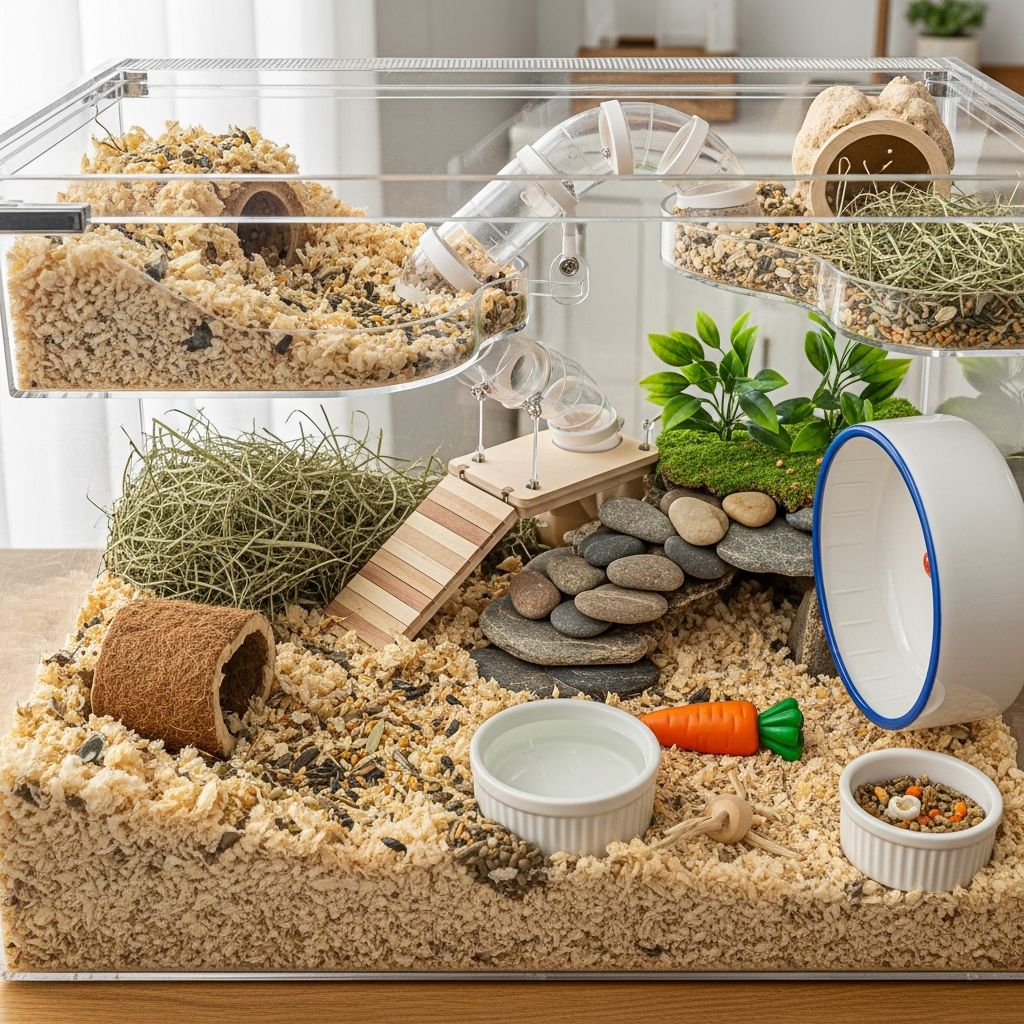
Hamsters thrive in environments that mimic their natural burrowing and foraging habitats, requiring thoughtful setup to ensure physical health and mental stimulation. A well-designed home prevents stress, supports exercise, and minimizes health risks like respiratory issues or obesity.
Selecting the Right Enclosure Size and Type
Choosing an appropriate cage is the foundation of hamster care, as insufficient space leads to behavioral problems and physical decline. Experts recommend a minimum floor area of 450 square inches for most species, with deeper dimensions for burrowing varieties like Syrians.
- Wire cages: Opt for bars spaced no more than 0.5 inches apart to prevent escapes and injuries.
- Glass aquariums: Provide excellent visibility and security but require strong lids and good ventilation.
- Plastic habitats: Lightweight and modular, though they must be chew-proof to avoid damage.
Avoid small ‘starter’ cages sold in stores, as they fail to meet modern welfare standards. Larger setups allow for nesting, wheel running, and exploration without territorial conflicts.
Essential Bedding Materials for Comfort and Health
Bedding serves multiple purposes: insulation, waste absorption, and burrowing substrate. Provide at least 6-8 inches of depth to enable natural digging behaviors essential for stress relief.
| Bedding Type | Pros | Cons | Recommended Depth |
|---|---|---|---|
| Paper-based (e.g., Clean & Cozy) | Dust-free, highly absorbent, safe for respiration | Can be pricey for large setups | 8+ inches |
| Aspen shavings | Affordable, odor-controlling | Less burrowing-friendly | 4-6 inches |
| Hemp or fleece | Reusable, eco-friendly | Requires frequent washing | 6 inches |
Never use pine or cedar shavings, as their aromatic oils cause liver damage and breathing difficulties over time. Mix textures for variety, enhancing sensory enrichment.
Water and Feeding Stations Setup
Fresh water is critical daily; use sipper bottles with metal nozzles to reduce spillage, checked for leaks to prevent damp bedding. Change water every 24 hours and scrub nozzles with a bottle brush to curb bacterial growth.
Position food dishes away from the water source to maintain hygiene. Scatter lab blocks or seed mixes weekly to encourage foraging, supplemented by small portions of veggies like carrots or broccoli 2-3 times per week.
- Staple diet: Pelleted blocks for balanced nutrition.
- Avoid: Sugary muesli mixes that promote selective feeding and obesity.
Incorporating Exercise and Play Features
Hamsters are nocturnal athletes, running miles nightly. Include a solid-surface wheel at least 8-12 inches in diameter (species-dependent) to protect backs from injury.
Supervised playpens expand safe exploration. Start small with hides, tunnels, and treats to build confidence before enlarging the area.
Enrichment Strategies for Mental Well-Being
Beyond basics, enrich with chew toys, cardboard tunnels, and wooden branches to wear ever-growing teeth. Rotate items weekly to sustain interest.
- Sand baths: Chinchilla sand in shallow dishes for grooming, limited to 20 minutes to avoid irritation.
- Foraging puzzles: Hide food in tissue boxes or egg cartons.
- Nesting materials: Unscented toilet paper shreds for cozy burrows.
These activities reduce boredom-induced bar-chewing and promote species-typical behaviors.
Daily and Weekly Cleaning Protocols
Hygiene prevents ammonia buildup from urine, linked to urinary tract issues. Spot-clean soiled areas daily, removing uneaten perishables.
- Scoop visible waste and damp bedding.
- Wipe surfaces with pet-safe vinegar solution.
- Full change weekly: Discard all bedding, disinfect, dry thoroughly, add fresh substrate with some used for scent continuity.
Litter-train by placing bedding from potty spots in a designated corner, leveraging natural habits.
Grooming and Health Monitoring Routines
Hamsters self-groom effectively, but long-haired types benefit from soft brushing. Monitor for wet tail, overgrown teeth, or lethargy during handling.
Annual vet checks by an exotic specialist catch issues early. Quarantine new pets for 2 weeks.
Ideal Location and Environmental Controls
Place enclosures in quiet rooms at 65-75°F, away from drafts, direct sun, or predators like cats. Low humidity (40-60%) curbs mold in bedding.
Species-Specific Housing Adjustments
Dwarf hamsters (e.g., Campbells) need multi-level setups for climbing, while Syrians prefer wide floors for solo burrows. Research your variety for tailored needs.
Frequently Asked Questions (FAQs)
What is the minimum cage size for a hamster?
Aim for 450+ square inches floor space with ample height for bedding; larger is always better for activity.
How often should I clean my hamster’s cage?
Spot clean daily, full refresh weekly to balance hygiene and stress reduction.
Can hamsters share a cage?
Syrians are solitary; some dwarfs cohabitate briefly, but monitor for fights and separate at maturity.
What bedding is unsafe for hamsters?
Pine, cedar, scented varieties, or dusty clumping litter harm respiratory and liver health.
How do I know if my hamster is happy?
Look for burrowing, wheel use, grooming, and relaxed exploration; stress signs include hiding constantly or aggression.
Advanced Tips for Long-Term Hamster Happiness
Track weight monthly to spot dietary issues. Introduce changes gradually, like new toys, over days. Consider bioactive setups with natural soil for expert-level enrichment, maintaining moisture control.
For breeding, provide extra protein and nesting materials post-weaning at 3 weeks, housing sexes separately thereafter.
References
- Hamster Care Sheet — PetMD. 2023. https://www.petmd.com/exotic/hamster-care-sheet
- Hamster care guide (PDF) — BC SPCA. 2022. https://spca.bc.ca/wp-content/uploads/hamster-care-guide.pdf
- Hamster Care — Blue Cross. 2024. https://www.bluecross.org.uk/advice/hamster/hamster-care
- Keeping Hamsters As Pets — RSPCA. 2023. https://www.rspca.org.uk/adviceandwelfare/pets/rodents/hamsters
- Hamster Care Guide — Little Critter Crew. 2024. https://littlecrittercrew.org/hamster-care-guide/
Similar Articles








Read full bio of Sneha Tete