Creating The Ideal Guinea Pig Habitat: Essential Guide
Discover expert tips on designing a safe, spacious, and enriching living space for your guinea pigs to thrive long-term.
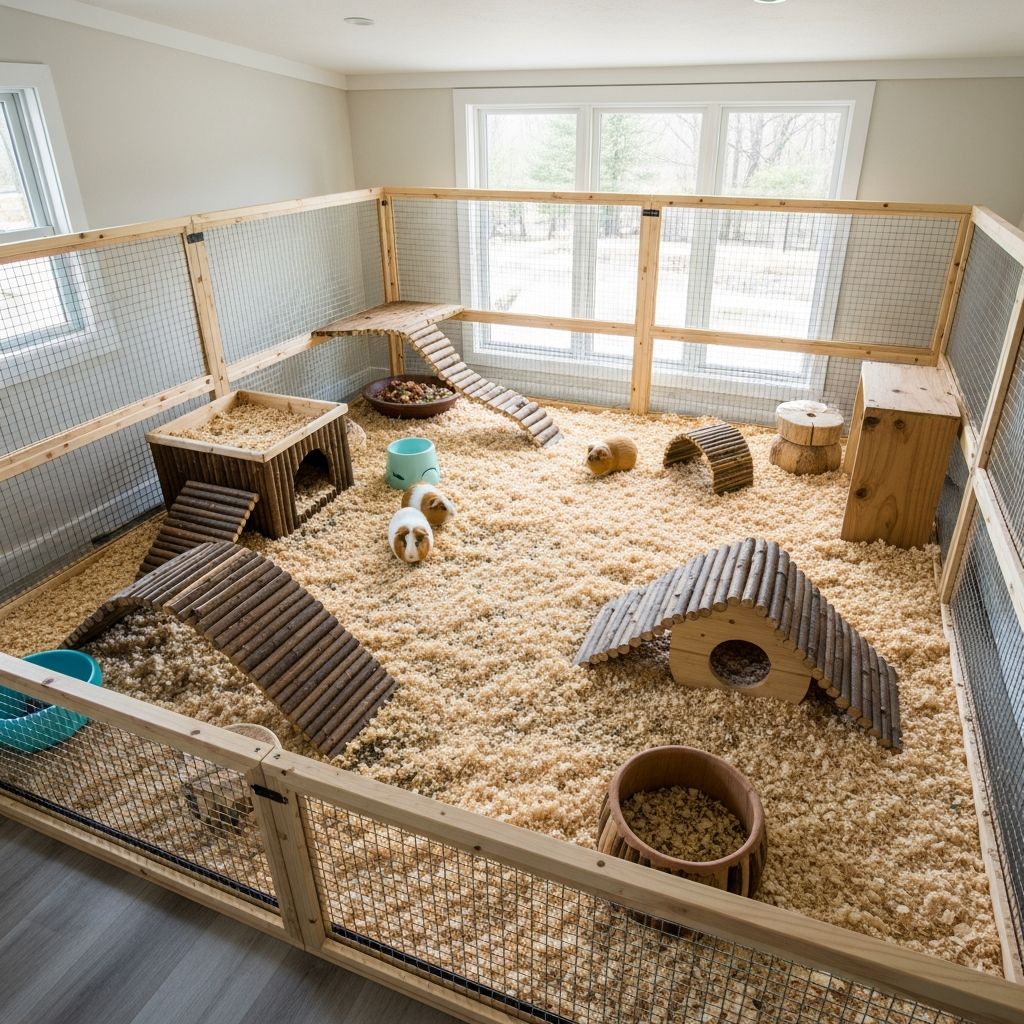
Guinea pigs, also known as cavies, make delightful companions when provided with a thoughtfully designed living space that meets their physical, social, and mental needs. A well-planned habitat promotes health, reduces stress, and supports their natural behaviors like foraging and hiding. This guide explores everything from enclosure selection to ongoing maintenance, drawing on best practices for long-term pet ownership.
Selecting the Right Enclosure Size and Design
The foundation of any guinea pig home is an adequately sized enclosure. Experts recommend a minimum of 7.5 square feet for one guinea pig, but doubling that space for pairs or groups is ideal to allow free movement and prevent territorial disputes. Larger setups, such as custom C&C (cubes and coroplast) cages, offer multi-level platforms connected by ramps, mimicking their exploratory nature.
- Use solid, non-slip flooring to protect delicate feet from injuries like bumblefoot, a common ulcer condition from wire bottoms or dirty substrates.
- Incorporate at least two hiding spots per pig, such as tunnels, igloos, or fabric sacks, to provide security.
- Add chew toys made from untreated wood or safe plastics to wear down ever-growing teeth and prevent dental overgrowth.
Position the enclosure in a quiet yet accessible room, away from drafts, direct sunlight, and high-traffic areas. Ideal temperatures range from 65-75°F (18-24°C), with humidity below 60% to avoid respiratory issues. A playpen attachment expands floor time, essential since no cage fully satisfies exercise requirements.
Choosing Safe and Comfortable Bedding Options
Bedding is crucial for absorption, comfort, and hygiene. Avoid cedar or pine shavings due to aromatic oils that irritate lungs and skin; opt for paper-based products, fleece liners, or aspen wood shavings instead. Fleece liners over absorbent pads or towels provide a soft, burrowable surface while minimizing dust.
| Bedding Type | Pros | Cons | Best For |
|---|---|---|---|
| Fleece Liners | Reusable, soft, low dust | Requires frequent washing | Multi-pig setups |
| Paper Bedding | Highly absorbent, safe | Can be pricey | Allergies-prone pigs |
| Aspen Shavings | Affordable, natural scent | Less absorbent | Single pigs |
Layer bedding 4-6 inches deep in eating areas for hay burrowing, thinner elsewhere. Spot clean daily to remove soiled spots, preventing urine scald and bacterial growth.
Essential Accessories for Enrichment and Safety
Outfit the habitat with items that stimulate natural instincts. Multiple hay racks prevent contamination, while heavy ceramic food bowls resist tipping. Sipper bottles mounted at chin height ensure clean water access, refilled twice daily.
- Litter box in a corner with pellet litter encourages natural toileting habits.
- Shelves or ramps for climbing, paired with tunnels for hiding.
- Hay racks, tunnels, and chew blocks for mental stimulation.
Supervised out-of-cage time in a secure pen daily boosts activity. Rotate toys weekly to maintain interest and prevent boredom-induced behaviors like bar chewing.
Daily and Weekly Maintenance Routines
Consistent cleaning sustains health. Daily tasks include removing uneaten produce, sweeping hay and droppings, and refreshing water. Weekly deep cleans involve dismantling the enclosure, washing with pet-safe vinegar solutions, and disinfecting hideouts.
- Morning: Spot clean, add fresh hay, check water.
- Evening: Feed veggies, tidy liners, health scan.
- Weekly: Full teardown, scrub, dry completely before reassembly.
Track weight weekly using a gram scale (aim for 800-1200g adults) to detect issues early. Log changes to share with vets.
Grooming Practices for Coat and Nail Health
Regular grooming prevents matting and infections. Short-haired breeds need weekly brushing; long-haired ones daily with soft slicker brushes to remove debris.
- Nail Trims: Monthly, clip 1-2mm tips using small pet clippers and styptic powder for accidents. Offer treats to ease stress.
- Baths: Rare, only for heavy soiling with small animal shampoo. Dry thoroughly to avoid chills.
- Grease Glands: Check and clean rear scent glands quarterly for short-haired pigs.
Texel or Peruvian breeds may need professional trims every 3 months due to coat length.
Understanding Social Needs and Group Housing
Guinea pigs are highly social herd animals; solitary living leads to depression. House in same-sex pairs or trios, introducing neutered males if needed. Same-sex females bond easiest.
Monitor for bullying: provide ample resources to minimize fights. Quarantine new arrivals 2-3 weeks to prevent disease spread.
Integrating Diet into Habitat Design
Hay should dominate (80% diet), piled accessibly for constant nibbling. Pellets (1/8 cup per adult daily) in a designated feeder; vitamin C-rich veggies (1 cup per 2lbs body weight) at dusk.
- Romaine, bell peppers, parsley for C boost.
- Avoid iceberg, high-calcium greens to prevent stones.
Scatter feeding mimics foraging, enhancing enrichment.
Health Monitoring and Vet Essentials
Daily checks for bright eyes, clean ears, firm droppings, and smooth fur catch problems like mites or URI early. Annual vet exams with guinea pig specialists are vital; no over-the-counter meds.
Common issues: dental malocclusion from poor chew access, obesity from excess pellets. Solid flooring and toys mitigate pod dermatitis.
Frequently Asked Questions
Can guinea pigs live outdoors?
No, indoor housing protects from predators, weather extremes, and toxins. Outdoor runs are for supervised play only.
What’s the minimum cage size for two guinea pigs?
At least 10.5 square feet; larger is better for harmony.
How often should I clean the cage?
Spot clean daily, full clean weekly.
Do guinea pigs need companions?
Yes, they thrive in groups; singles suffer mentally.
Are wire cages safe?
Avoid; they cause foot injuries. Opt for solid floors.
Long-Term Commitment and Costs
Guinea pigs live 5-8 years, costing $50-100 yearly for basics, plus vet bills. Plan schedules around life for consistent care. Bonding via hand-feeding builds trust over time.
References
- Guinea Pig Care Guide — Penny & Wild. 2024. https://pennyandwild.org/resources/guinea-pig-care-guide/
- How to Care for Your Guinea Pig: A Guide for Pet Parents — PetMD. 2024. https://www.petmd.com/exotic/how-to-care-for-your-guinea-pig
- Caring for your GUINEA PIG — Oxbow Animal Health. 2024-03. https://oxbowanimalhealth.com/wp-content/uploads/2024/03/Guinea-Pig-Care-Guide-Feb-2024.pdf
- Guinea Pig Care Guide — Guinea Lynx. 2024. https://www.guinealynx.info/healthycavy.html
- Guinea Pigs 101: Care Resource Guide — Small Pet Select. 2024. https://shop.smallpetselect.com/blogs/care-resources/guinea-pigs-101-care-resource-guide
Similar Articles








Read full bio of Sneha Tete