

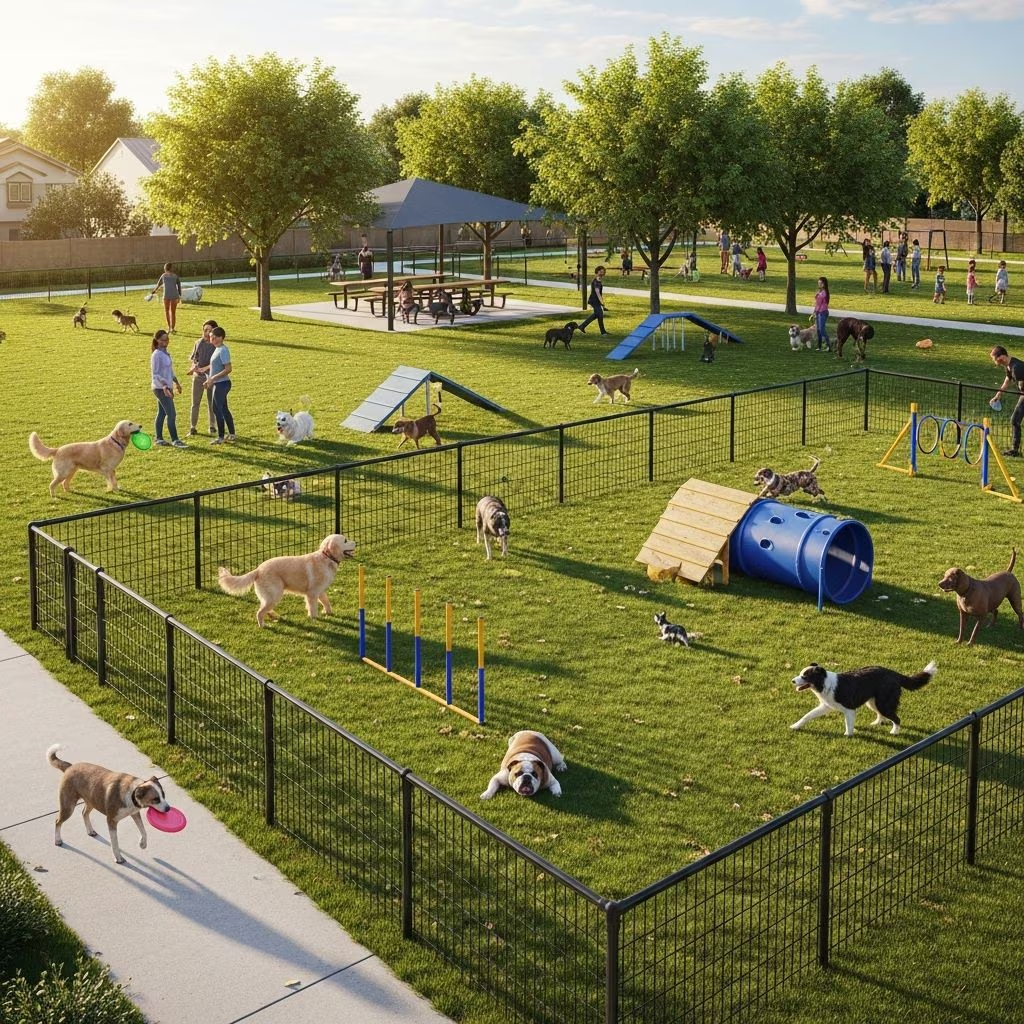
A well-designed dog park serves as more than just a recreational space—it’s a gathering place that strengthens community bonds while providing dogs with essential exercise and socialization opportunities. Whether you’re considering launching a dog park in your neighborhood or upgrading an existing facility, understanding the fundamentals of design, safety, and maintenance is crucial for success. This comprehensive guide walks you through each stage of the process, from initial planning through ongoing operations.
Starting Your Dog Park Initiative
The foundation of any successful dog park begins with community support and clear objectives. Before breaking ground or selecting a location, you’ll need to establish a coalition of interested residents, local officials, and potentially business partners who share your vision. This group should meet regularly to discuss the park’s purpose, anticipated size, and target users.
Defining specific goals for your dog park helps guide every subsequent decision. Are you aiming to serve a neighborhood with limited green space? Do you want to focus on socialization opportunities for dogs? Are you looking to create a gathering point for pet owners? Understanding your primary objectives will inform decisions about location, size, facilities, and amenities.
Financial planning cannot be overlooked during this initial phase. Develop a realistic budget that accounts for land preparation, fencing, landscaping, furniture, waste management systems, and ongoing maintenance. Many successful communities have secured funding through municipal budgets, grants, fundraising events, or local business sponsorships.
Selecting and Preparing Your Location
The right location can determine your dog park’s success or failure. Ideally, select a site that is centrally located within your community, easily accessible by car and public transportation, and visible to potential users. Accessibility matters greatly—a hidden or difficult-to-reach park will struggle to attract regular visitors.
Natural environmental factors should heavily influence your choice. Look for areas with existing shade from mature trees, as these provide crucial relief during hot months and reduce the need for expensive shade structures. The terrain should include a mix of surfaces; purely grassy areas tend to become muddy and damaged with heavy use, so diversity in ground composition is beneficial.
Assess drainage patterns carefully. Areas prone to standing water or flooding create unhygienic conditions and muddy terrain that’s uncomfortable for both dogs and owners. Slightly sloped terrain naturally directs water away and maintains better ground conditions year-round.
Consider proximity to residential areas, parking availability, and proximity to other community amenities like playgrounds or trails. A dog park located near complementary facilities encourages broader community use. However, ensure sufficient distance from areas where dog noise or activity might conflict with nearby residents or activities.
Essential Design Elements for Dog Safety
Security and safety form the backbone of responsible dog park design. The perimeter fencing is your first line of defense against escapes and unauthorized entry. Fences should measure at least five to six feet in height to prevent even athletic dogs from jumping over them. The fencing must be sturdy and free from gaps, sharp edges, or protrusions where dogs could become trapped or injured.
Pay special attention to the bottom of the fence line. Some dogs are natural diggers and will attempt to burrow underneath barriers. Consider burying fencing several inches below grade or installing deterrent systems that discourage digging behavior.
Entrances require thoughtful design to prevent dogs from escaping during transitions between the outside world and the park interior. A double-gate system functions as an airlock, creating a buffer zone where owners can secure their dogs before proceeding to the main play area. The entrance gates should have reliable locking mechanisms and be wide enough to accommodate multiple dogs and owners without crowding.
Divide your park into separate zones for dogs of different sizes. Small dog areas protect toy breeds and puppies from potential injuries caused by larger, more energetic dogs. These segregated spaces should have appropriate fencing height (often lower than the main enclosure) and be proportionally sized to accommodate the anticipated number of small dogs.
Consider creating a quiet zone or senior dog area where older dogs can socialize in a calmer environment without the chaos of high-energy play. This inclusive approach ensures all community dogs benefit from the facility.
Surfacing Solutions That Protect Paws
Ground surface selection represents one of the most important decisions in dog park design, directly impacting both safety and maintenance requirements. While natural grass seems intuitive, it fails in high-traffic dog parks. Constant use from running and jumping tears up vegetation, creating muddy, slippery conditions during wet weather that frustrate both dogs and owners.
Instead, consider a combination of surfaces that balance durability, comfort, and maintenance:
- Mixed surfaces of grass, sand, and specialized canine-friendly turf provide variety and distribute wear across different zones
- Commercial-grade synthetic turf withstands heavy use and maintains appearance throughout seasons
- Rubber mulch or specialized dog park mats offer cushioning that reduces impact on joints
- For walking paths and entry areas, painted materials similar to tennis court surfaces provide durability without excessive heat absorption
Each surface type presents tradeoffs between initial cost, maintenance requirements, durability, and comfort. While specialized surfaces require higher upfront investment, they typically prove more economical long-term due to reduced replacement needs and maintenance hours.
Drainage and Environmental Management
Proper drainage prevents the puddles, mud, and flooding that create unpleasant conditions and potential health hazards. Grade your park with a slight slope directing water away from seating areas and main play zones. Install French drains or similar systems in low-lying areas to prevent water accumulation.
Waste management significantly impacts the park’s cleanliness, hygiene, and community perception. Install trash receptacles equipped with integrated dog waste bag dispensers throughout the park. Position these stations strategically—near entrances, in central play areas, and along pathways—so owners conveniently access supplies. Regular emptying schedules maintain hygiene and prevent overflow.
Water stations where dogs can drink after play keep them hydrated and safe from heat stress. Provide multiple drinking stations, especially in larger parks, and maintain them daily to ensure water freshness and cleanliness.
Shade, Seating, and Owner Comfort
Your dog park serves both canine and human visitors. Dogs risk overheating, particularly during summer months, so adequate shade is essential. Maximize existing tree coverage and supplement with shade structures such as pergolas, gazebos, or sail shade structures that provide relief without blocking ventilation.
Create comfortable, durable seating areas for owners to relax while supervising their dogs. Arrange benches and picnic tables in small groupings that encourage conversation among pet owners, fostering the community aspect of the park. Avoid clustering seating near entrances, which creates congestion and distraction from supervising arriving dogs.
Select furnishings made from powder-coated metal or recycled plastic that withstand weather exposure and frequent use without deteriorating. These materials resist rust, require minimal maintenance, and offer longevity that justifies their cost.
Activity Zones and Enrichment Opportunities
Beyond basic play space, consider incorporating activity zones that provide physical and mental stimulation. Agility equipment—tunnels, jumps, weave poles, and A-frames—encourages exercise and skill development. These features transform the park from a simple running space into an enrichment environment where dogs engage different muscle groups and cognitive abilities.
Separate areas for different activity types help organize the space logically. An open field zone suits fetch and running games, while a designated agility zone contains equipment. Training areas with appropriate spacing allow owners to work on obedience or behavior without interfering with free play.
Water features, such as splash pads or shallow pools, provide cooling relief during hot weather and entertainment value, though they require careful design and maintenance to ensure safety and hygiene.
Navigating Regulations and Community Standards
Before finalizing your design, research local regulations, zoning laws, and municipal park standards. Many jurisdictions have specific requirements for off-leash dog areas, including minimum fencing heights, required amenities, liability coverage, and operational policies. Understanding these requirements prevents costly redesigns or closure orders.
Develop clear usage rules that all owners must follow. Common policies address on-leash requirements in surrounding areas, vaccination proof requirements, age restrictions for puppies, behavior standards, and consequences for rule violations. Prominently post these rules at park entrances and provide copies to regular users.
Maintenance Planning and Long-Term Operations
A beautifully designed park deteriorates quickly without consistent maintenance. Establish a maintenance schedule addressing daily, weekly, and seasonal needs:
| Frequency | Maintenance Tasks |
|---|---|
| Daily | Waste collection, water station refilling, debris removal |
| Weekly | Surface raking/cleaning, equipment inspection, drainage checks |
| Monthly | Fence inspection, seating repair, deep cleaning |
| Seasonal | Surface treatment, vegetation management, shade structure maintenance |
Designate responsible parties or hire maintenance contractors to ensure consistent care. Neglected parks quickly become eyesores that discourage use and create safety hazards.
Creating an Inclusive Community Space
The most successful dog parks serve diverse community members and dogs with varying needs. Beyond separating small and large dogs, consider accessibility for people with mobility limitations. Wide pathways, accessible seating, and parking near park entrances enable all community members to participate regardless of physical ability.
Aesthetic attention matters more than purely functional considerations. Choose quality materials, pay attention to details like diverse vegetation and decorative elements, and ensure the park harmonizes with its surrounding landscape. An attractive park attracts more regular users and generates community pride.
Provide informational resources including park rules, emergency contact information, and possibly event announcements. Some parks host organized activities like training sessions, meet-and-greets, or seasonal celebrations that deepen community engagement.
Addressing Special Needs and Challenges
Senior dogs benefit from lower-activity zones where they can socialize without risk of injury from exuberant younger dogs. These quieter spaces with additional seating nearby allow older pet owners to supervise comfortably while their dogs enjoy gentle interaction.
Manage behavioral challenges through clear rules enforced consistently. Aggressive or uncontrolled dogs create unsafe conditions for other park users. Establish policies allowing park staff or volunteer monitors to address problematic behavior and remove dogs when necessary.
Weather considerations affect park usability throughout the year. Provide adequate drainage and surface management to handle rain, establish cooling strategies for summer heat, and ensure winter accessibility when applicable to your climate.
Monitoring Success and Making Improvements
Track usage patterns, gather feedback from regular visitors, and observe which features receive the most attention and which sit underutilized. This information guides future improvements and helps you allocate maintenance resources effectively.
Conduct regular safety inspections identifying wear, damage, or potential hazards. Address issues promptly to prevent accidents and maintain community confidence in the facility.
Stay responsive to community needs and suggestions. A dog park that evolves to meet changing community preferences demonstrates that the investment in this space reflects genuine commitment to dog owners and their pets.
References
- How to Design a Dog Park — Park N Play Design. Accessed February 2026. https://www.parknplaydesign.com/post/how-to-design-a-dog-park
- Barking Up the Right Tree: Tips for Designing a Dog Playground — Playground Set Etc. Accessed February 2026. https://playgroundsetc.com/blogs/news/dog-playground-design-blog
- How to Create a Dog Park Perfect for Both Dogs and Owners: A Practical Guide — Lars Laj. Accessed February 2026. https://www.larslaj.com/news/how-to-create-a-dog-park-perfect-for-both-dogs-and-owners-a-practical-guide/2356
- Guide to Designing an Appealing Dog Park — Wabash Valley. Accessed February 2026. https://wabashvalley.com/blogs/blog/guide-to-designing-an-appealing-dog-park
- How To Design the Perfect Dog Park — Tangent Materials. Accessed February 2026. https://tangentmaterials.com/how-to-design-the-perfect-dog-park/



