

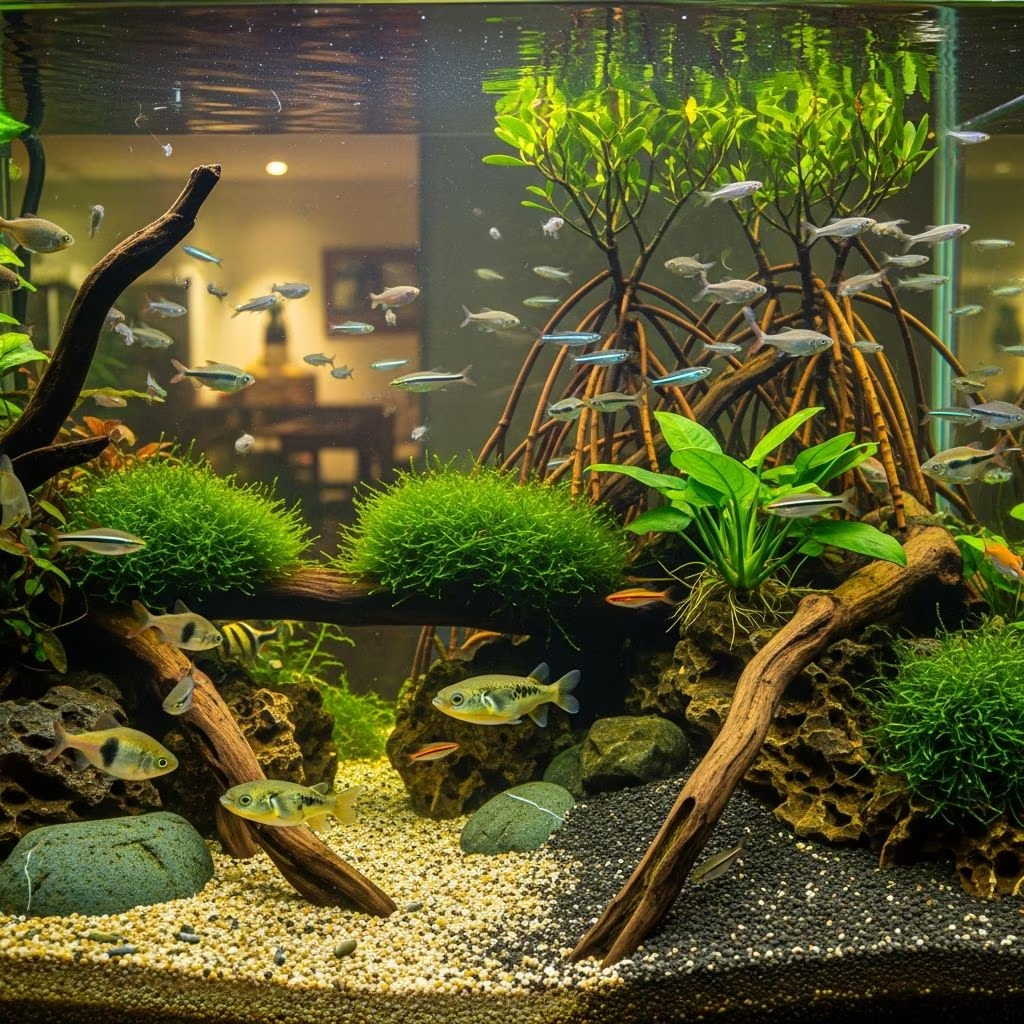
Creating a Brackish Habitat Fish Aquarium
Brackish aquariums represent an exciting frontier for aquarists who have already mastered freshwater systems. These unique environments combine elements of both freshwater and saltwater tanks, offering a distinct ecosystem that supports fascinating fish species you won’t find in traditional aquariums. If you’ve been keeping freshwater tanks and want to challenge yourself with something new, a brackish aquarium provides the perfect opportunity to expand your aquatic horizons.
A brackish habitat bridges the gap between freshwater and marine environments, containing water with salinity levels that fall between pure freshwater and full saltwater. This intermediate salinity level creates conditions that perfectly mimic natural estuaries, mangrove swamps, and coastal regions where freshwater rivers meet ocean tides. Understanding how to properly establish and maintain these conditions is essential for keeping brackish water fish healthy and thriving.
Understanding Brackish Water Chemistry
The foundation of any successful brackish aquarium lies in understanding and maintaining proper water chemistry. Unlike freshwater tanks where you primarily manage pH and hardness, brackish systems require careful attention to specific gravity—the measurement of water density relative to pure water at the same temperature.
Specific gravity in a brackish aquarium typically ranges from 1.004 to 1.012, with most aquarists maintaining their tanks between 1.005 and 1.008. This specific gravity range is lower than full marine aquariums (which maintain 1.020 to 1.025) but significantly higher than freshwater systems. This intermediate salinity level is what defines brackish water and distinguishes it from other aquatic environments.
In addition to specific gravity, brackish aquariums should maintain a pH between 7.8 and 8.4, with alkalinity levels between 10° and 20° dKH (180 to 360 ppm). These parameters help create stable, healthy conditions that support the diverse organisms found in natural brackish ecosystems. Maintaining these levels requires regular monitoring with appropriate testing equipment and consistent water management practices.
Essential Equipment and Supplies
The good news for aquarists transitioning from freshwater systems is that most equipment requirements remain identical. You’ll need a properly sized aquarium, stand, lid, lighting system, heater, thermometer, and filtration system. The key difference lies in ensuring that your heater and filter are specifically rated for use with salt water, as standard freshwater equipment may corrode or degrade when exposed to marine salt.
Tank Size Recommendations
While brackish aquariums can be established in various sizes, a minimum tank capacity of 20 gallons is recommended for most brackish fish species. Larger aquariums offer several advantages: they hold more stable water chemistry, accommodate more fish, and are generally easier to maintain than smaller systems. The additional water volume provides a buffer against rapid temperature or salinity fluctuations, making larger tanks more forgiving for both beginners and established aquarists.
Substrate Selection
Substrate choice in a brackish aquarium serves both aesthetic and functional purposes. Brackish water areas in nature are typically covered with sandy, silty, or muddy materials. For aquarium use, sand is often the best practical option as it is easiest to maintain and provides a natural appearance. Alternative substrate options include crushed coral, coral sand, or marine aragonite, which provide the added benefit of buffering water chemistry to help maintain higher pH and alkalinity levels naturally.
When using aragonite or crushed coral, be sure to rinse the substrate thoroughly multiple times before adding it to your tank. This process removes excess dust and sediment that can cause cloudy water, which detracts from the visual appeal of your aquascape and can compromise water quality during the establishment phase.
Filtration and Water Movement
Adequate filtration is essential for maintaining water quality in brackish systems. A filter rated for saltwater use will resist corrosion from salt exposure and maintain proper functionality over extended periods. External filters are excellent choices as they provide robust mechanical and biological filtration while keeping equipment out of view. Powerheads or air stones aid in salt dissolution during initial setup and help distribute water movement throughout the tank, preventing dead zones where organic waste might accumulate.
Setting Up Your Brackish Aquarium
Preparation Phase
Begin by selecting an appropriate location for your aquarium that is level, stable, and away from direct sunlight, which can promote excess algae growth and cause temperature fluctuations. Assemble your aquarium stand if using one, ensuring it can support the weight of a filled tank (freshwater weighs approximately 8.3 pounds per gallon). Rinse all tank components and accessories thoroughly with fresh water, but never use soap as it can damage fish and leave harmful residues.
Layering Your Aquascape
Once your tank is positioned, begin layering your aquascape by adding substrate to the desired depth, typically 2-3 inches. Add driftwood, rocks, pebbles, and other décor items that will create visual interest and provide shelter for your fish. Driftwood collected from natural sources should be inspected for snail eggs and treated appropriately before use. Consider adding dried oak leaves or other natural materials that will enhance the brackish environment and provide tannins that help stabilize water chemistry.
Creating Your Brackish Water
The most critical step in brackish aquarium setup involves creating water at the correct specific gravity. You have two primary approaches depending on your acclimation strategy.
For immediate brackish conditions: Fill your tank approximately 80% with dechlorinated fresh water. Calculate the amount of marine salt needed using the formula of 2 tablespoons of reef salt per gallon of water, then pre-mix this salt with dechlorinated water in buckets before adding to your tank. Marine salt dissolves quickly, so stir the premixed solution by hand, add an air stone, or use a powerhead to ensure complete dissolution. After the salt has fully dissolved, allow the system to run for approximately 8 hours, then measure specific gravity with a refractometer. Adjust by adding fresh water to lower specific gravity or additional premixed salt solution to raise it until you achieve your target range of 1.005 to 1.008.
For gradual acclimation: If your fish came from freshwater environments, you may prefer establishing your tank as fully freshwater initially. Fill the tank with dechlorinated water and allow it to cycle completely. Once cycled and stabilized, add your fish and then gradually increase salinity over four weeks by adding marine salt. This gradual approach allows fish to acclimate slowly to brackish conditions, reducing stress and potential health complications.
Fish Acclimation Strategies
Most brackish fish available at retail are typically raised in freshwater environments. If this is the case for your fish, you’ll need to spend at least four weeks gradually adapting them to brackish water conditions. Sudden exposure to higher salinity can stress fish and potentially cause illness or death, making this transition period critical for long-term success.
Initial Acclimation Process
Begin with a fully freshwater tank as described above. Once your aquarium is cycled and stable, add your fish and allow them to settle. During the following four weeks, gradually increase salinity by adding marine salt in small increments. This slow approach allows fish bodies to adjust physiologically to the new water chemistry while minimizing stress responses.
Quarantine Tank Alternative
If you already have an established brackish aquarium with acclimated fish and want to add new animals from freshwater sources, set up a separate quarantine tank or tub filled with fresh water. Use the same four-week gradual acclimation process in this quarantine system until the new fish’s water parameters match your established tank. This approach provides an additional benefit: as salinity increases in the quarantine tank, many parasites and diseases are eliminated naturally, effectively reducing disease transmission risks to your established population.
Water Changes and Maintenance
Maintaining your brackish aquarium requires regular water changes and consistent monitoring of critical parameters. During water changes, prepare replacement water at the same specific gravity as your established tank. Calculate your tank volume accurately, measure the proper proportion of dechlorinated water and marine salt, mix thoroughly, and allow the solution to equilibrate before adding it to your system. For a tank with a starting concentration of 2 tablespoons of salt per gallon that requires a 50% water change (10 gallons), you would remove 10 gallons of tank water and replace it with 10 gallons of premixed brackish water containing 20 tablespoons (approximately 1¼ cup) of marine salt.
The preferred method recommended by reef salt manufacturers is to pre-mix water and salt in buckets or large containers. Fill two 5-gallon buckets with 10 tablespoons of salt each for this example, then add 5 gallons of dechlorinated water to each bucket. Stir thoroughly, add an air stone for circulation, or use a powerhead to mix larger volumes. Once completely dissolved, pour the brackish water into your aquarium and measure specific gravity after several hours. Make minor adjustments as needed by sprinkling additional salt or removing water and replacing it with fresh dechlorinated water.
Regular maintenance also involves cleaning your filter according to manufacturer specifications, testing water parameters weekly, and monitoring fish behavior for signs of stress or illness. Maintaining stable water chemistry and cleanliness prevents most common aquarium problems.
Brackish Fish Species for Beginners
Several fish species thrive in brackish conditions and are suitable for aquarists beginning their brackish journey. Bumblebee gobies are popular choices for smaller tanks, growing up to approximately 3.5 inches. Monos, scats, and archerfish represent larger species that require more spacious environments. Each species has specific requirements regarding tank size, water parameters, and tankmate compatibility, so research your chosen species thoroughly before purchase.
Common Mistakes to Avoid
New brackish aquarists often make several preventable mistakes. Using equipment not rated for saltwater can result in corrosion and premature equipment failure. Rushing the acclimation process stresses fish unnecessarily and increases disease risk. Neglecting to properly mix salt before adding it to the tank can create inconsistent salinity throughout the aquarium. Failing to monitor water parameters regularly allows problems to develop undetected. Avoiding these common pitfalls significantly increases your brackish aquarium’s success rate.
Advantages of Brackish Aquariums
Brackish aquariums offer several compelling advantages for experienced aquarists. They provide access to fascinating fish species unavailable in freshwater or full marine systems. The intermediate salinity requirements are less demanding than full marine systems, making brackish aquariums an excellent stepping stone toward saltwater keeping. These unique environments offer aesthetic appeal with natural brackish biotope designs incorporating driftwood, specific plant species, and naturalistic layouts that replicate real-world ecosystems.
Frequently Asked Questions
Q: Can I use regular table salt instead of marine salt in my brackish aquarium?
A: No. Marine salt contains essential trace elements and minerals that table salt lacks. Using table salt can result in nutritional deficiencies and improper water chemistry. Always use quality marine salt specifically formulated for aquarium use.
Q: How often should I test my brackish aquarium’s specific gravity?
A: Test specific gravity weekly initially, then monthly once your system is established and stable. Always test after water changes to ensure correct salinity.
Q: Can freshwater plants survive in a brackish aquarium?
A: Most freshwater plants will melt or deteriorate in brackish conditions. Consider using hardy brackish-tolerant plants or focus on hardscape design with driftwood and rocks instead.
Q: What’s the difference between a brackish aquarium and a saltwater aquarium?
A: Brackish aquariums maintain specific gravity between 1.004 and 1.012, while saltwater systems maintain 1.020 to 1.025. This difference affects which species can thrive and the complexity of water chemistry management.
Q: How long does it take to establish a brackish aquarium cycle?
A: Brackish aquariums typically require 4-6 weeks for the nitrogen cycle to establish, similar to freshwater systems. Salt content doesn’t significantly affect cycling time.
References
- How to Set Up (and Maintain) a Brackish Tank — Aquarium Co-Op. https://www.aquariumcoop.com/blogs/aquarium/brackish-aquarium
- How to Set Up a Brackish Goby Aquarium — Practical Fishkeeping. https://www.practicalfishkeeping.co.uk/features/how-to-set-up-a-brackish-goby-aquarium/
- Starting A Brackish Tank — MonsterFishKeepers.com. https://www.monsterfishkeepers.com/forums/threads/starting-a-brackish-tank.83696/
- Brackish Fish Care Guide — Aqueon. https://www.aqueon.com/resources/care-guides/brackish



