

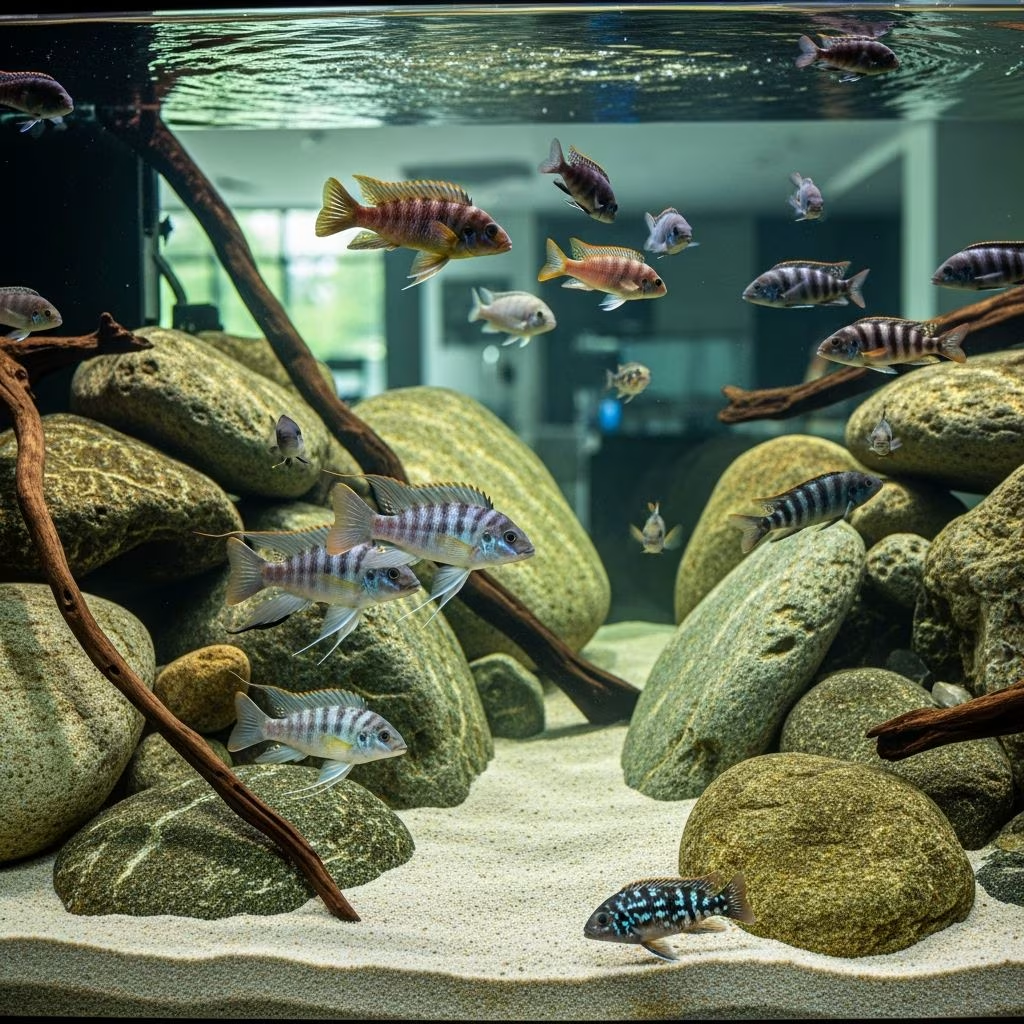
Create a Lake Tanganyika Biotope Aquarium
Lake Tanganyika is one of the world’s most fascinating freshwater ecosystems, home to incredibly diverse and colorful cichlid species found nowhere else on Earth. Creating a biotope aquarium that replicates this ancient African lake is an exciting challenge for experienced aquarists. Unlike other deep lakes, Lake Tanganyika’s waters circulate well, preventing the formation of thermoclines and maintaining relatively uniform temperatures throughout the water column. This unique hydrological feature, combined with its alkaline, mineral-rich waters, creates an environment that is both challenging and rewarding to recreate in a home aquarium setting.
Understanding Lake Tanganyika’s Unique Environment
Lake Tanganyika is the second-largest freshwater lake in the world by volume and the longest freshwater lake on Earth. Its unique geological and chemical characteristics make it an ideal subject for biotope aquarium creation. The lake’s waters are naturally alkaline and mineral-rich, creating distinct environmental conditions that support an extraordinary array of endemic species. Understanding these natural conditions is fundamental to successfully establishing and maintaining a thriving Lake Tanganyika biotope in your home aquarium.
The lake’s rocky shorelines and underwater formations provide the foundation for its unique ecosystem. These geological features create numerous hiding places, breeding sites, and territorial boundaries that are essential for the fish species that inhabit the lake. By replicating these rocky structures and maintaining proper water chemistry, you can create an environment where your fish will not only survive but thrive and exhibit their natural behaviors.
Water Parameters for Lake Tanganyika Biotope
Maintaining the correct water chemistry is absolutely crucial for the success of your Lake Tanganyika biotope aquarium. The lake’s distinctive water parameters set it apart from most other freshwater aquarium environments.
Essential Water Chemistry Parameters
| Parameter | Ideal Range | Description |
|---|---|---|
| pH Level | 7.8-9.0 (Alkaline) | Lake Tanganyika is highly alkaline, which is essential for cichlid health and proper mineral absorption |
| Water Hardness | 12-20 dH (Moderate to Hard) | The lake’s mineral-rich waters support hard water conditions that most Tanganyikan species require |
| Temperature | 24-28°C (75-82°F) | Consistent warm temperatures mimic the lake’s tropical climate and support cichlid metabolism |
| Carbonate Hardness | 200+ ppm | High alkalinity provides buffering capacity to maintain stable pH levels |
Achieving and Maintaining Proper Water Chemistry
Lake Tanganyika’s alkaline water is naturally rich in minerals like calcium and magnesium. To replicate these conditions in your aquarium, use substrates such as crushed coral or aragonite sand, which gradually dissolve and buffer the water to maintain alkalinity. Additionally, specialized buffering agents designed for African cichlid tanks can help stabilize pH and maintain hardness levels over time.
Maintaining water quality is paramount for the health of Tanganyikan species, as they are particularly sensitive to water parameter fluctuations. Regular water changes of 25-30% weekly are essential to keep nitrate levels low while preserving the stability of pH and hardness. Implement frequent testing for the first month until levels remain stable, then monitor water parameters at least bi-weekly to catch any changes before they negatively affect your fish.
Tank Setup and Aquarium Size Recommendations
Proper tank setup forms the foundation of a successful Lake Tanganyika biotope. The size and configuration of your aquarium significantly impact water stability, fish behavior, and overall ecosystem balance.
Minimum Tank Size Requirements
For beginners starting a Lake Tanganyika biotope, a minimum of 150-250 liters (40-66 gallons) is recommended. This volume provides adequate space for water stability, allows for multiple territorial zones, and accommodates a reasonable number of fish without causing excessive aggression. A 240-liter (64-gallon) tank offers an excellent balance for most home aquarists, providing sufficient depth and floor area for creating distinct rocky zones.
Tank dimensions are particularly important. A tank with greater floor area than height is generally preferable for rocky setups, as it allows you to create multiple territorial zones horizontally. Deeper tanks with less surface area work better for open water setups that accommodate larger pelagic species. Consider the specific species you intend to keep when selecting your tank’s proportions.
Substrate Selection
The substrate forms the base layer of your biotope and plays several important roles in tank function and aesthetics. Use a thin layer of fine gravel or sand as your substrate base. Avoid deep substrate layers, as these can create anaerobic (oxygen-depleted) areas that promote the growth of harmful bacteria and produce toxic gases. A substrate depth of 1-2 inches is typically sufficient for most Tanganyikan setups.
If your tap water isn’t naturally alkaline enough to maintain the required pH levels, incorporate crushed coral into your substrate. Crushed coral acts as a natural pH buffer, gradually dissolving to release minerals that increase both pH and water hardness. This approach provides a more natural and sustainable way to maintain proper water chemistry compared to relying solely on chemical additives.
Tank Décor and Aquascaping
Proper aquascaping is essential for creating a naturalistic Lake Tanganyika biotope that supports healthy fish behavior and reproduction.
Rocky Formations and Cave Structures
Lake Tanganyika’s shorelines are dominated by rocky formations, and these must be replicated in your biotope aquarium. Incorporate large rocks to create caves, crevices, ledges, and other natural hiding areas. These structures provide essential territorial boundaries, breeding sites, and refuge areas that Lake Tanganyika cichlids depend on for their wellbeing.
Arrange rocks strategically throughout the tank to create multiple distinct zones. This approach allows territorial fish to establish separate territories while giving you visual interest and aesthetic appeal. Never stack rocks without proper support, as cichlids may dig around the substrate, causing unstable piles to collapse. Use polystyrene tiles under any stones touching the tank base to provide stability and protect your tank glass.
Shell Dwellings
Shells are a critical biotope element often overlooked by beginning aquarists. Lake Tanganyika’s lake bed is literally littered with thousands of shells from the large snail Neothauma tanganicensis. Several cichlid species, particularly shell-dwelling cichlids like Lamprologus ocellatus and Neolamprologus species, use these shells as permanent homes and breeding sites.
Place large snail shells on the tank floor to create homes for shell-dwelling species. These shells serve multiple purposes: they provide essential shelter for smaller cichlids, create breeding sites, and add authentic biotope character. A mix of different shell sizes accommodates various fish species and creates a more naturalistic environment.
Filtration and Water Movement
Efficient filtration is essential for maintaining pristine water conditions in your Lake Tanganyika biotope. A high-quality external canister filter is the preferred choice, as it provides excellent mechanical, biological, and chemical filtration without compromising valuable tank space. Undergravel filtration is impossible to maintain in a rocky tank due to the risk of rocks shifting and damaging the undergravel system.
While your filtration system must be efficient, aim for low to moderate water flow that doesn’t disturb natural fish behavior. Many Lake Tanganyika species prefer gentler currents. Overly strong water flow can stress territorial fish, interfere with breeding behavior, and disturb the naturalistic appearance of your biotope. Adjust filter output valves or use flow control devices to achieve appropriate current levels.
Aquatic Plants in Lake Tanganyika Biotopes
While Lake Tanganyika is not known as a heavily planted lake, vegetation does exist in certain areas and can enhance your biotope’s authenticity.
Vallisneria is one of the few plants naturally found in Lake Tanganyika and is commercially available for aquarium use. This hardy plant tolerates the lake’s high pH and water hardness, making it an ideal choice for authentic biotopes. Vallisneria grows quickly and provides shelter for smaller fish while creating a more natural appearance.
For aquarists willing to slightly bend biotope rules, plants like Anubias and Java Fern work well in rocky setups. These plants can be attached to rocks using fishing line or plant weights rather than being rooted in the substrate, allowing you to integrate vegetation without compromising the rocky aesthetic. However, some hardcore biotope enthusiasts prefer to keep their tanks rock-only for maximum authenticity.
Lake Tanganyika Fish Species Selection
Lake Tanganyika is home to some of the most colorful and diverse cichlid species in the world. Selecting the right fish mix is essential for avoiding excessive aggression and ensuring long-term tank success.
Popular Cichlid Species
Tanganyikan cichlids vary widely in size, behavior, and ecological niche. Shell-dwelling cichlids like Lamprologus and Neolamprologus species are small, colorful, and perfect for smaller biotopes. Rock-dwelling cichlids such as Pseudotropheus and Petrochromis species are larger, more aggressive, and require substantial territory. Mouthbrooding species display fascinating reproductive behavior and diverse coloration patterns.
When selecting cichlids, consider the adult size, territorial requirements, and feeding habits of each species. Many larger species require tanks considerably larger than 250 liters to maintain safely. Research specific species requirements before making purchasing decisions to ensure compatibility with your setup and other tank inhabitants.
Compatible Non-Cichlid Species
Synodontis Catfish: These nocturnal bottom-dwellers are excellent scavengers and can coexist peacefully with most Tanganyikan cichlids. They hide during the day and become active at night, reducing competition for food and space.
Lake Tanganyika Eels (Afromastacembelus spp.): These fascinating eels often hide among rocks and make interesting additions to the biotope. They add movement and activity to the lower water column.
Tanganyika Rainbowfish: These colorful fish add activity and color to the upper water layers of the tank, creating a more dynamic and interesting display.
Tanganyikan Killifish: Small, delicate, and highly oxygenated water species like killifish can add complexity to your biotope if you’re willing to modify water flow parameters.
Tank Setup Variations
Different areas of Lake Tanganyika support distinct ecological communities. Understanding these biotope variations allows you to create specialized setups tailored to specific fish groups.
Rocky Shore Setup
This is the most popular Lake Tanganyika biotope for home aquarists. Large rocks are positioned to create caves, crevices, and ledges. This setup accommodates territorial cichlids perfectly and allows for multiple distinct zones where different species can establish territories. Rocky setups emphasize floor area over tank depth and showcase the dramatic rock formations that define the lake’s shoreline.
Open Water Setup
Open water setups are rock-free, emphasizing depth and open swimming space. These tanks accommodate large pelagic species and schooling fish that prefer open water. A deeper tank with less surface area provides more open water for swimming than a shallower, wider tank. These setups require larger aquarium volumes to properly accommodate their inhabitants and are better suited to experienced aquarists.
The Surge Habitat
The top meter of Lake Tanganyika is known as the surge habitat due to wave action. This specialized setup adds water flow near the top to create highly oxygenated conditions. Certain goby cichlids thrive in these conditions, but this setup is more challenging and recommended only for experienced hobbyists.
The Mud Floor Biotope
Found near river inflows, the mud floor biotope is filled with shrimp and other organisms that some cichlids eat. This biotope is difficult to properly simulate in a home aquarium without dedicating the entire tank to this specialized environment.
Lighting and Tank Maintenance
Proper lighting and regular maintenance are essential for long-term biotope success. Install adequate lighting that provides 8-10 hours of illumination daily to support plant growth and showcase your fish’s colors. LED lighting systems are ideal for energy efficiency and heat management.
Establish a regular maintenance schedule including weekly 25-30% water changes, monthly filter cleaning, and bi-weekly parameter testing. This consistent routine maintains pristine water conditions and prevents the accumulation of harmful waste products that can damage fish health.
Frequently Asked Questions
Q: What’s the minimum tank size for a Lake Tanganyika biotope?
A: A minimum of 150-250 liters (40-66 gallons) is recommended for beginners. Larger tanks provide better water stability and allow for more fish species.
Q: Can I use plants in a Lake Tanganyika biotope?
A: Yes, Vallisneria is naturally found in Lake Tanganyika and is an excellent choice. Anubias and Java Fern can also be used when attached to rocks rather than planted in substrate.
Q: How often should I perform water changes?
A: Regular 25-30% weekly water changes are necessary to maintain pristine water conditions and keep nitrate levels low.
Q: What temperature should I maintain?
A: Lake Tanganyika cichlids thrive at temperatures between 24-28°C (75-82°F). Use an aquarium heater with a thermostat to maintain consistent temperatures.
Q: Are Lake Tanganyika cichlids aggressive?
A: Many species are territorial and can be aggressive, especially during breeding. Proper aquascaping with multiple rocky zones helps reduce aggression by providing clearly defined territories.
Q: What type of filter is best for a rocky tank?
A: An external canister filter is ideal, as undergravel filtration is impossible to maintain safely with rocky structures that can shift and cause damage.
Q: Can I mix different Lake Tanganyika species in one tank?
A: Yes, but careful species selection is essential. Research each species’ requirements and territorial needs to ensure compatibility and minimize aggression.
Conclusion
Creating a Lake Tanganyika biotope aquarium is a rewarding project that challenges experienced aquarists while showcasing the remarkable diversity of this ancient African lake. By carefully maintaining proper water parameters, thoughtfully aquascaping with authentic rocky formations and shells, and selecting compatible fish species, you can create a thriving ecosystem that brings the wonders of Lake Tanganyika into your home. While this biotope requires more effort than some alternatives, the stunning colors, fascinating behaviors, and intricate social interactions of these endemic species make every bit of effort worthwhile. The result is not just an aquarium, but a living window into one of the world’s most extraordinary aquatic environments.
References
- Lake Tanganyika Biotope Aquarium Setup — Aqua-Fish.Net. 2024. https://en.aqua-fish.net/biotopes/lake-tanganyika
- Setting up a Lake Tanganyika Cichlid Aquarium — Aquarium-Fish.Info. 2024. https://www.aquarium-fish.info/tanganyika_cichlids.php
- How to set up a Tanganyikan cichlid aquarium — Practical Fishkeeping. 2024. https://www.practicalfishkeeping.co.uk/features/how-to-set-up-a-tanganyikan-cichlid-aquarium/
- Natural habitat for Tanganyika cichlids — Aquadecor LLC. 2024. https://aquadecorbackgrounds.com/blog/set-up-a-natural-habitat-for-tanganyika-cichlids



