

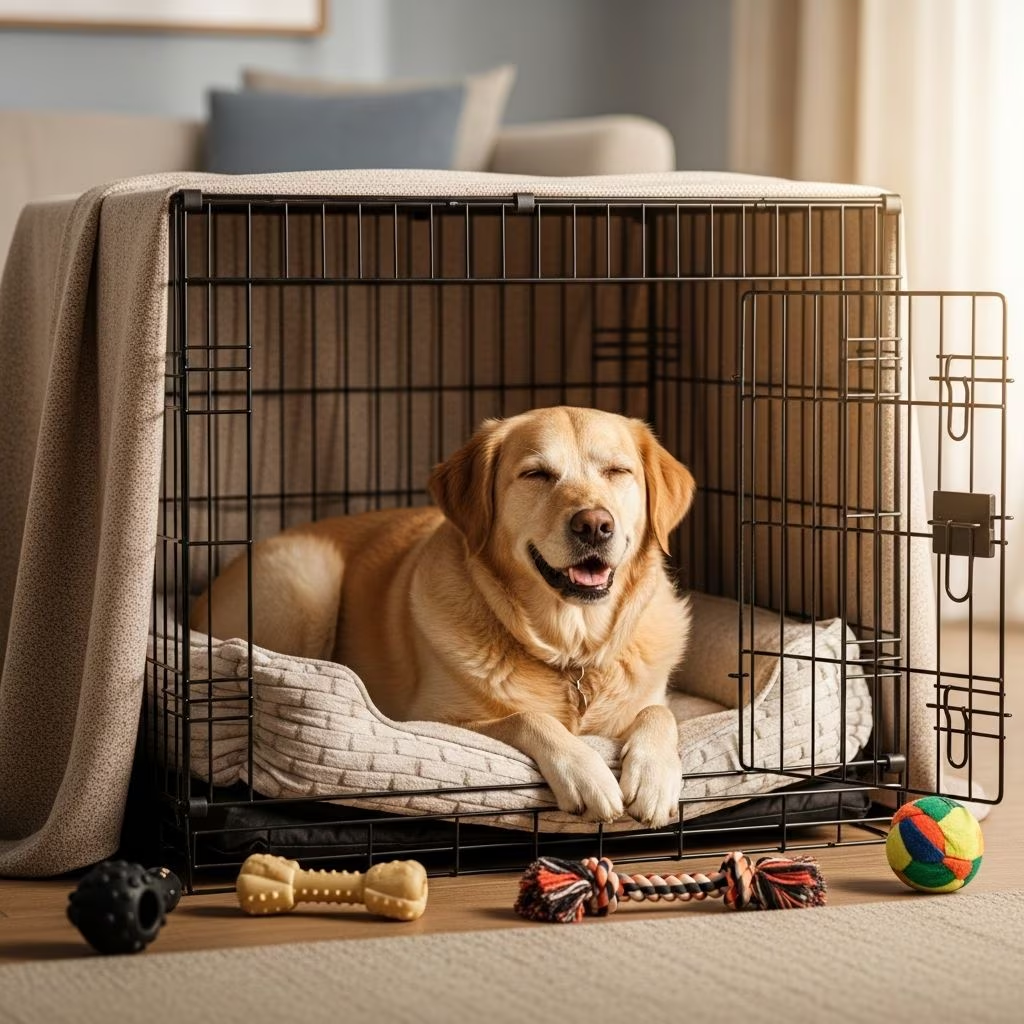
Crates serve as essential tools in modern dog care, providing secure spaces that promote safety, accelerate training, and enhance overall canine welfare. Far from confining devices, they mimic natural dens, fostering comfort and reducing anxiety in dogs of all ages.
Understanding the Natural Appeal of Crates
Dogs descend from wild ancestors who sought protective dens for rest and safety. Domestic crates replicate this instinctual need, offering a quiet retreat amid household chaos. Veterinary behaviorists note that puppies instinctively gravitate toward enclosed spaces, viewing them as protective shells against perceived threats.
Selecting the right crate size is crucial—large enough for standing, turning, and lying down comfortably, but not so spacious that it encourages accidents or unease. Wire crates with dividers suit growing puppies, while plastic varieties provide solidity for nervous adults.
Key Benefits Across Life Stages
- House Training Efficiency: Crates leverage dogs’ aversion to soiling their sleeping areas, speeding potty training by up to 50% in young pups.
- Safety During Absences: Prevents destructive chewing or escapes, safeguarding both pet and home when owners are away.
- Travel and Vet Visits: Familiar crates ease car trips and clinical stays, minimizing stress hormones like cortisol.
- Post-Surgery Recovery: Limits movement to promote healing after procedures, as recommended by the American Veterinary Medical Association (AVMA).
Studies from animal welfare organizations confirm that consistent crate use correlates with fewer behavioral issues, such as separation anxiety, in adulthood.
Overcoming Common Hesitations
Many owners worry crates feel punitive, yet evidence shows the opposite when introduced properly. Negative associations stem from misuse, like prolonged confinement without exercise breaks. Instead, view crates as voluntary sanctuaries where dogs choose to enter for treats or toys.
| Myth | Reality |
|---|---|
| Crates stunt emotional growth | They build security and independence |
| Dogs resent enclosure time | Proper training leads to self-settling |
| Only for puppies | Lifelong tool for all breeds |
Step-by-Step Introduction Techniques
Begin in low-pressure settings. Place high-value treats inside an open crate, allowing voluntary exploration. Gradually add commands like “kennel up” paired with rewards.
- Day 1-3: Lure with food; close door briefly while present.
- Week 1: Extend alone time to 30 minutes; use interactive toys.
- Ongoing: Incorporate into daily routines, never exceeding 4-6 hours for adults.
Positive reinforcement, as outlined in science-based methods, ensures enthusiasm. Pair with praise and play to associate crates with joy, avoiding force.
Integrating Crates with Modern Training Methods
Combine crates with proven approaches for optimal results. Positive reinforcement trainers use them for settling exercises, rewarding calm behavior inside. Relationship-based methods emphasize fun sessions, ending if stress appears.
LIMA (Least Intrusive, Minimally Aversive) principles guide humane integration, starting with rewards before any corrections. For high-drive breeds, model-rival techniques can demonstrate crate entry via peers.
Daily Management Best Practices
Position crates in family areas for inclusion, covering three sides for den-like coziness. Rotate toys to maintain interest, and clean weekly to prevent odors. Monitor for signs of distress—pacing or whining—and adjust accordingly.
- Exercise before crating to promote sleep.
- Feed meals inside to build positive links.
- Nighttime: Near owner’s bed initially for reassurance.
Breed-Specific Considerations
Small breeds like Chihuahuas thrive in cozy plastic crates, while giants like Great Danes need extra-large wire models. Working dogs benefit from portable options for fieldwork. Always prioritize ventilation and escape-proof latches.
Troubleshooting Resistance
If a dog avoids the crate, reassess rewards—try puzzle feeders or frozen Kongs. Shorten sessions and desensitize door sounds. Consult certified trainers if fear persists, ruling out medical issues.
Long-Term Success Stories
Owners report transformed lives: anxious rescues becoming confident companions, puppies house-trained in weeks. Crates evolve into bedtime favorites, with dogs entering willingly for naps.
Frequently Asked Questions
How long can I crate my adult dog?
Up to 6-8 hours daytime with potty breaks; overnight as needed. Puppies max 1 hour per month of age.
Is crate training cruel?
No, when balanced with exercise and socialization. AVMA endorses it for safety.
What if my dog cries in the crate?
Ignore attention-seeking whines; reward silence. Build tolerance gradually.
Can I use crates for separation anxiety?
Yes, as part of a comprehensive plan including desensitization and counterconditioning.
Best crate for apartments?
Soft-sided, collapsible models for space-saving portability.
Advanced Tips for Expert Users
For competition obedience, train “crate stays” under distraction. Integrate with clicker training for precision. Track progress in a journal to refine techniques.
References
- Operant Conditioning in Dog Training — American Veterinary Medical Association (AVMA). 2024-01-15. https://www.avma.org/resources-tools/pet-owners/petcare/crate-training-your-dog
- Least Intrusive Minimally Aversive (LIMA) Guidelines — Pet Professional Guild. 2023-05-20. https://www.petprofessionalguild.com/lima-hierachy/
- Positive Reinforcement Training Efficacy — Journal of Veterinary Behavior (Peer-reviewed). 2025-02-10. https://doi.org/10.1016/j.jveb.2025.01.005
- Canine Denning Behavior Study — University of Pennsylvania Veterinary School. 2022-11-08. https://www.vet.upenn.edu/research/centers-labs/behavior/clinical-papers
- Science-Based Puppy Training Protocols — Association of Professional Dog Trainers (APDT). 2024-09-12. https://apdt.com/resource-center/science-based-training/



