

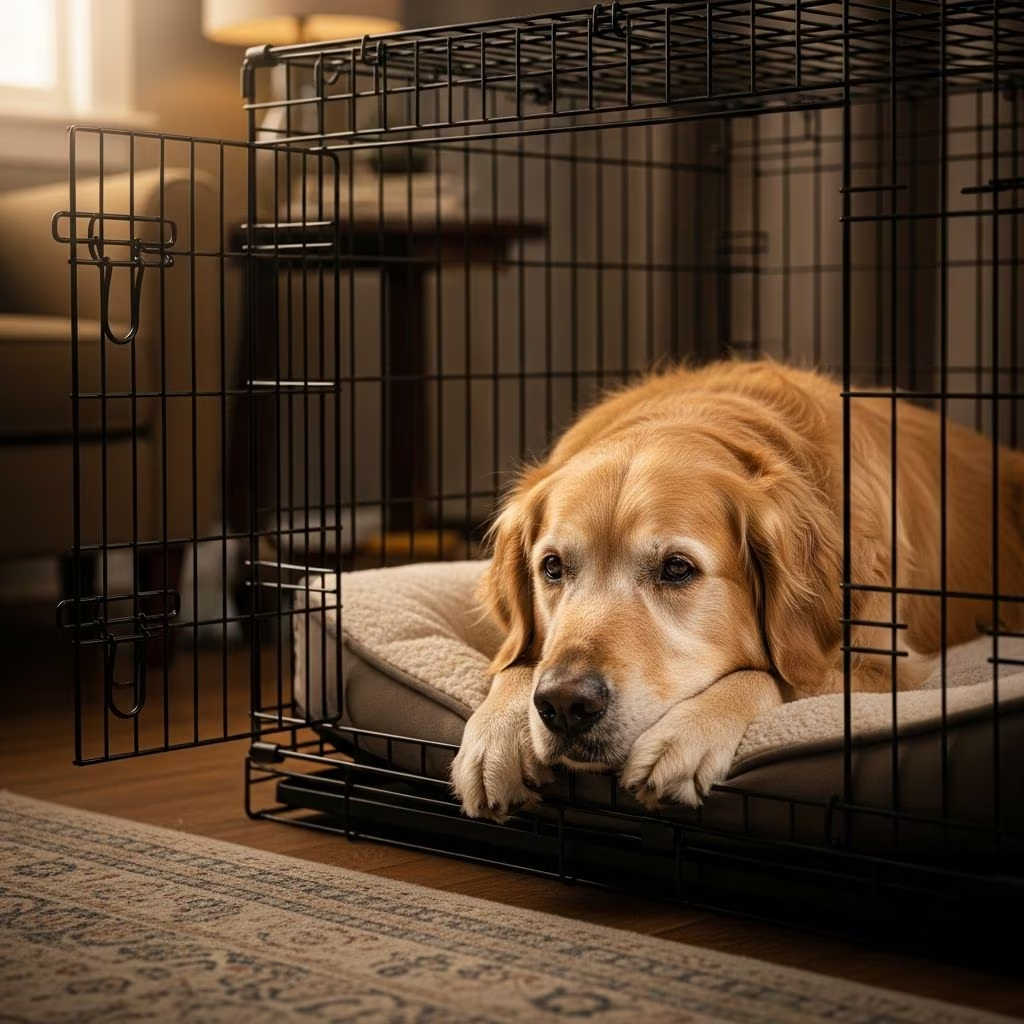
Introducing an older dog to crate training requires patience and positivity, as established habits and past experiences can influence their response. Unlike puppies, adult dogs may view confinement skeptically, but with consistent, reward-based methods, the crate becomes a secure retreat promoting house training, anxiety reduction, and safe alone time.
Why Crate Train an Adult or Senior Dog?
Crate training offers multiple benefits tailored to older dogs’ needs. It prevents destructive chewing or accidents during your absence, aids recovery from illness or surgery by limiting movement, and provides a quiet space amid household bustle. For rescues, it rebuilds trust in safe boundaries. Health-wise, it supports routines for medication or joint rest, especially vital for seniors with arthritis.
- Safety during alone time: Keeps dogs from ingesting hazards or injuring themselves.
- Housebreaking reinforcement: Leverages natural denning instincts to avoid soiling their space.
- Stress relief: A familiar spot eases separation anxiety or travel jitters.
- Behavioral management: Curbs nighttime wandering or overexcitement.
Selecting the Perfect Crate for Your Mature Companion
Choose a crate sized appropriately: large enough for standing, lying fully stretched, and turning around comfortably, but not so spacious they soil one end. For seniors, opt for wire models with good airflow or plastic for den-like coziness; divider panels allow size adjustment if needed. Placement matters—family areas foster security without isolation.
| Crate Type | Best For | Pros | Cons |
|---|---|---|---|
| Wire | Most dogs | Breathable, visible surroundings | Less private |
| Plastic | Anxious or senior dogs | Secure, light-blocking | Heavier, less airy |
| Fabric | Travel | Portable, soft | Not durable for chewers |
Enhance appeal with soft bedding, a favorite blanket, and toys. Avoid forced entry initially.
Preparing Yourself and Your Dog for Success
Your calm demeanor sets the tone—dogs sense tension. Schedule sessions post-exercise or mealtime when relaxed. Gather high-value treats like small cheese bits or freeze-dried liver for motivation. Short, frequent 5-10 minute daily practices yield better results than marathon efforts.
Step-by-Step Crate Training Process
Progress gradually over days or weeks, watching body language for stress signals like yawning, lip-licking, or pacing.
Step 1: Casual Introduction
Position the open crate in a high-traffic room. Scatter treats nearby, then inside near the entrance. Praise softly when investigated—no coaxing. Goal: voluntary exploration.
Step 2: Positive Reinforcement Near and Inside
Toss treats deeper inside, praising entry. Introduce a cue like “kennel up” paired with rewards. Feed meals with bowls progressing from front to back, door open. Rotate toys to maintain interest.
Step 3: Door Familiarity
With dog inside eating, gently swing the door. Feed through bars if calm. Latch briefly (seconds), then release with praise. Repeat, extending to 30 seconds.
Step 4: Short Confined Sessions
Close door for 1-2 minutes while nearby, offering chews. Step away briefly, returning with treats. Practice multiple times daily, ignoring whines—attention reinforces them.
Step 5: Extend Duration and Distance
Build to 5-10 minutes, then leave the room. Use stuffed Kongs for engagement. Gradually extend to 30 minutes, monitoring via camera. Incorporate naps or quiet times.
Step 6: Overnight and Alone Time
Once comfortable, crate at bedtime near your bed initially. For departures, exercise first, provide a chew, and exit casually. Start with short errands, building tolerance.
Customizing for Senior Dogs’ Unique Needs
Aging brings challenges: joint stiffness demands orthopedic bedding and frequent breaks. Monitor for panting or restlessness indicating discomfort. Consult vets for pain-managed routines. Smaller, more frequent crate times suit lower bladders.
- Use ramps for entry if mobility-limited.
- Incorporate calming aids like pheromone diffusers.
- Ensure hydration access without spills.
Overcoming Common Hurdles in Adult Crate Training
Resistance stems from past trauma or poor prior exposure. If barking persists:
- Wait for quiet before release.
- Desensitize to departure cues (keys, shoes) outside crate.
- Regression? Revert to earlier steps.
For escape artists, reinforce latches and cover three sides for security. Extreme fear may need professional behaviorist input.
Tools and Toys to Boost Crate Appeal
Long-lasting chews like marrow bones or puzzle toys keep seniors occupied. Rotate items to prevent boredom. High-value treats early, transitioning to kibble.
| Tool/Toy | Purpose | Tip |
|---|---|---|
| Stuffed Kong | Engagement | Freeze with peanut butter |
| Interactive Feeder | Mealtime | Slows eating | Calming Chew | Anxiety reduction | Chamomile-infused |
Long-Term Maintenance and Real-Life Integration
Once proficient, use crate proactively: pre-walk potty holds, vet visits, travel. Vary durations to mimic life. Fade reliance by alternating free time, but retain as a safe haven option.
Frequently Asked Questions (FAQs)
How long does crate training take for older dogs?
Typically 2-6 weeks with daily practice, varying by dog’s history and consistency.
Can I crate my senior dog overnight?
Yes, if comfortable and pottied; limit to 6-8 hours max, with bedtime routines.
What if my dog cries in the crate?
Ignore brief protests, reward silence; ensure needs met beforehand. Persistence signals need to backtrack.
Is crate training cruel for adults?
No, when done positively—it’s instinctual and beneficial for safety.
How often should I crate an older dog?
Short bursts initially, up to 4 hours daytime; always with exercise breaks.
Advanced Techniques from Experts
Behaviorists like Mikkel Becker emphasize shaping calm entry and layering absences. Combine with counter-conditioning for phobia cases: pair crate with joyful events.
References
- Crate Training an Older Dog: A 6-Step Process — Hill’s Pet Nutrition. Accessed 2026. https://www.hillspet.com/dog-care/training/crate-training-an-older-dog
- Dog Training: How to Crate-Train an Older Dog — Purina US. Accessed 2026. https://www.purina.com/articles/dog/behavior/training/how-to-crate-train-adult-dog
- Crate Training an Older Dog? Follow These Pro Training Tips — Chewy. Accessed 2026. https://www.chewy.com/education/dog/training-and-behavior/crate-training-an-older-dog-follow-these-pro-training-tips
- Crate Training an Adult Dog — San Francisco SPCA. Accessed 2026. https://www.sfspca.org/resource/crate-training-adult-dog/
- Crate Training for Adult Rescue Dogs — Cincinnati Animal CARE. 2025-07. https://cincinnatianimalcare.org/2025/07/crate-training-adult-dogs/
- How to Crate Train an Adult Dog: A Step-by-Step Guide — K9 Connoisseur. Accessed 2026. https://k9connoisseur.com/blogs/news/how-to-crate-train-an-adult-dog
- Mikkel Becker’s Top Tips for Crate-Training an Adult Dog — YouTube (Fear Free Pets). Accessed 2026. https://www.youtube.com/watch?v=sq_myQkbBkA



