

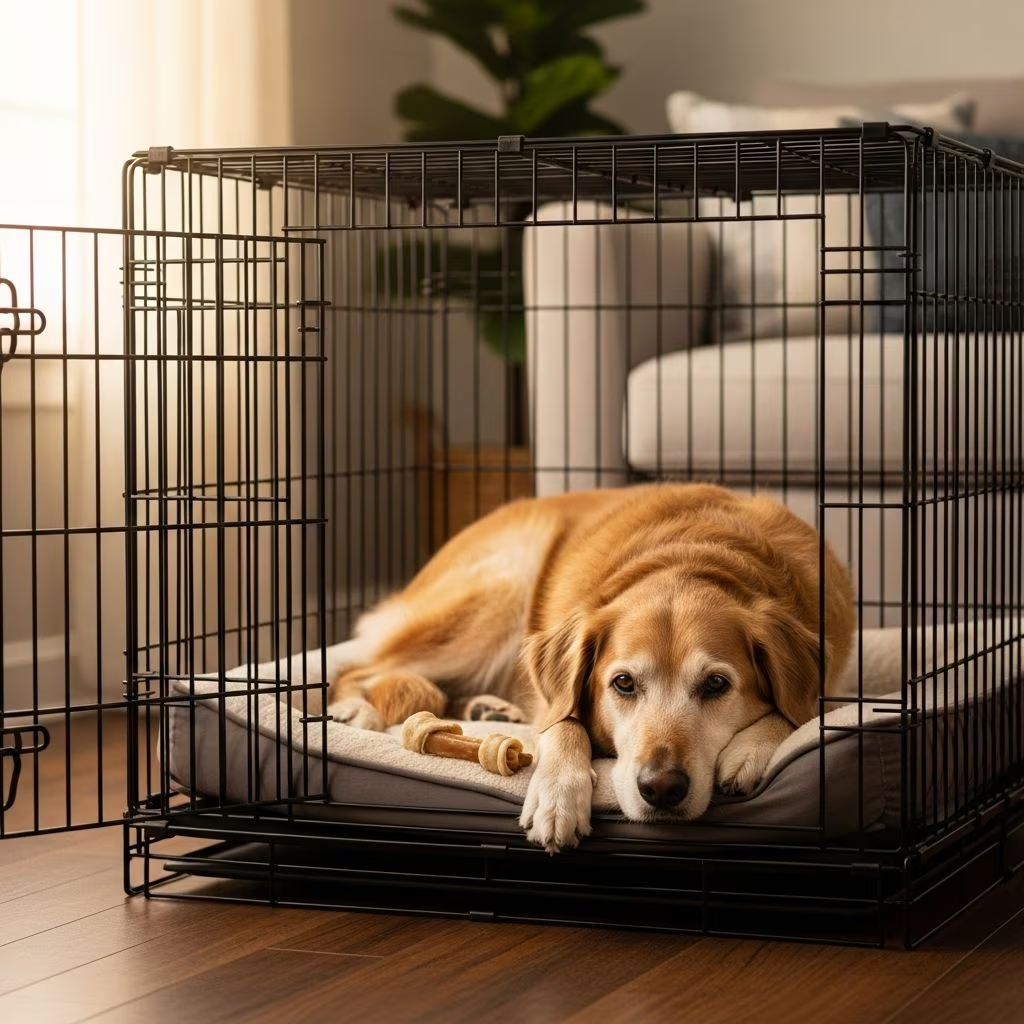
Crate Training an Older Dog: Pro Tips and Techniques
Many dog owners mistakenly believe that crate training is only for puppies. However, older dogs can benefit tremendously from crate training, whether they are newly adopted rescue dogs, senior pets transitioning to a new home, or adult dogs who never received this training. Crate training an older dog requires patience, understanding, and a strategic approach, but it is absolutely achievable with the right techniques and mindset.
The key to successfully crate training an older dog lies in understanding their unique needs and concerns. Senior dogs may have had negative past experiences with crates, anxiety about enclosed spaces, or simply never been introduced to the concept. By following professional training methods and incorporating positive reinforcement, you can help your older dog develop a healthy relationship with their crate and turn it into a safe, comfortable space they actually want to spend time in.
Why Crate Training Matters for Older Dogs
Crate training provides numerous benefits for older dogs beyond basic obedience. A properly crate-trained dog has a designated safe space where they can retreat when feeling anxious or overwhelmed. This is particularly important for senior dogs who may experience age-related anxiety or health issues. Crates also facilitate easier veterinary visits, travel, and emergency situations where your dog needs to stay in a confined space safely.
For rescue dogs and adoptees, crate training can be especially valuable. It helps establish boundaries, prevents destructive behavior, and gives your dog a sense of security in their new environment. Additionally, crate training can assist with house-training efforts, as dogs naturally avoid soiling their sleeping areas, making it an effective tool for older dogs who need to relearn bathroom habits.
Step 1: Choosing the Right Crate and Location
The foundation of successful crate training begins with selecting an appropriately sized crate. Your older dog should be able to stand up, turn around comfortably, and lie down in a stretched-out position without feeling cramped. A crate that is too large may encourage your dog to use one corner as a bathroom, defeating the purpose of crate training. Conversely, a crate that is too small can cause anxiety and physical discomfort.
When selecting a location for the crate, choose a spot that is quiet but not completely isolated from family activity. Your dog should not feel banished to a remote corner of the house. Instead, position the crate in a central area where your dog can observe family members while still having their own private space. Adding a comfortable, washable blanket or cushion inside makes the crate more inviting and helps your older dog associate it with comfort and relaxation rather than punishment.
Step 2: Building Positive Associations Before Training
Before formally beginning crate training, allow your older dog to become familiar with the crate by leaving the door open and letting them explore at their own pace. Place treats, toys, or their favorite chew items near the entrance to encourage investigation. Do not force your dog inside or close the door during this phase. The goal is to create curiosity and positive associations without pressure.
Some experts recommend placing treats inside the crate when your dog is not looking, allowing them to discover the goodies on their own. This mystery element can increase their interest in exploring the crate. Praise and reward your dog whenever they voluntarily approach or enter the crate, even if they only stick their nose in or place their front paws inside. This positive reinforcement teaches them that good things happen near and inside the crate.
Step 3: Introducing Meals and High-Value Rewards
One of the most effective techniques for crate training older dogs is to feed all or most of their meals inside the crate. This creates a positive association between the crate and something your dog loves—food. Begin by placing your dog’s regular meal in a bowl at the front entrance of the crate. As your dog becomes comfortable eating near and partially inside the crate, gradually move the bowl further inside, requiring your dog to fully enter the crate to eat.
You can also use a stuffed Kong toy or similar long-lasting treat for training sessions. Freeze the Kong with wet food, peanut butter, or special dog treats to extend the time your dog spends occupied and content inside the crate. This serves a dual purpose: it reinforces positive associations while providing mental enrichment that keeps your older dog engaged and less focused on the confinement aspect.
Step 4: Teaching the “Enter the Crate” Command
Once your older dog is comfortable voluntarily entering the crate for meals and treats, you can begin teaching a verbal cue. Use a consistent command such as “into your crate,” “kennel,” or “into bed.” Say the command in an upbeat, positive tone when your dog is about to enter the crate, then immediately reward them with praise and treats.
Practice this command multiple times throughout the day in short training sessions. Start with the crate door open and gradually increase your distance from the crate, reinforcing the command and rewarding your dog when they respond. This teaches your older dog to associate the verbal cue with entering the crate and receiving rewards. Consistency is crucial—always use the same command word and maintain an encouraging tone.
Step 5: Gradually Closing the Door
After your older dog has become comfortable entering the crate voluntarily, you can begin introducing the door closure. Start by closing the door for just a few seconds while your dog is enjoying a treat or meal inside. Immediately open it again before your dog finishes their reward. This teaches them that the door closing does not mean permanent confinement and that you will open it again.
Gradually increase the duration the door remains closed, adding just a few seconds at a time over multiple training sessions. Continue dropping treats through the crate bars while the door is closed to maintain positive associations. Your goal during this phase is to let your dog out well before they become bored, anxious, or uncomfortable. If your older dog shows signs of panic or distress, stop immediately, open the door, and return to a previous step where they were comfortable.
Step 6: Extending Crate Time Progressively
Once your older dog can remain calm with the door closed for a minute or two, you can begin extending the duration. Provide a frozen stuffed Kong or long-lasting chew toy to keep them occupied during longer periods. These items typically provide 15 to 20 minutes of distraction, during which you can step out of the room briefly.
Initially, return before your dog finishes their treat. As they become more comfortable, gradually add a few minutes of crate time per training session. Add duration slowly and consistently to prevent regression. Remember that senior dogs and small dogs with weaker bladders should not remain crated longer than they can comfortably hold their bathroom needs, typically no more than a few hours at a time.
Step 7: Practicing Extended Periods and Overnight Stays
As your older dog progresses, you can work toward extended crate periods and overnight sleeping in the crate. Position the crate near your bed during nighttime to help your dog feel secure and connected to you. The familiar sounds and scents of their human family can significantly reduce anxiety during sleeping hours.
Continue using comfortable bedding and maintain a consistent bedtime routine. Many dogs eventually come to view their crate as a safe den and preferred sleeping spot. The key is ensuring all previous steps have been completed successfully and your dog shows no signs of stress or anxiety before progressing to longer periods.
Professional Tips for Success with Older Dogs
Patience Is Essential
Older dogs, particularly rescues with unknown histories, may require significantly more time to adjust to crate training than younger dogs. Do not rush the process. Some dogs may need weeks or even months to become fully comfortable with crate confinement. Patience and consistency are far more effective than pressure or punishment.
Exercise Before Training Sessions
Conduct training sessions after your older dog has had adequate exercise. A tired dog is generally more relaxed and receptive to training. Exercise helps burn excess energy that might otherwise manifest as anxiety or resistance to the crate. A 20 to 30-minute walk or play session before training can significantly improve outcomes.
Never Use the Crate as Punishment
This cannot be overstated: never force your dog into the crate as punishment or use it as a time-out space. This creates negative associations and can lead to fear, anxiety, and resistance to crate training. The crate should always be presented as a positive, safe space.
Watch for Signs of Stress
Learn to recognize signs of stress in your older dog, including excessive panting, pacing, whining, barking, or attempts to escape. If your dog exhibits these behaviors, reduce the duration of crate time and return to an earlier step. Pushing through stress can create lasting negative associations and setbacks.
Troubleshooting Common Challenges
Your Dog Refuses to Enter the Crate
If your older dog refuses to enter the crate despite positive rewards, do not force them. Instead, take a step backward. Leave the door open, place high-value treats inside, and allow them to investigate on their own timeline. Consider disassembling the crate if your dog finds the complete structure intimidating, and gradually reassemble it as they become comfortable with each component.
Your Dog Panics When the Door Closes
Panic responses require immediate attention. If your dog becomes distressed when the door closes, open it immediately to prevent fear from intensifying. Spend more time on the step of having the door open before attempting to close it again. Some dogs may benefit from the door remaining open during initial training while still experiencing the security of the enclosed space.
Your Dog Whines or Barks Excessively
Resist the urge to let your dog out when they whine or bark, as this teaches them that noise results in release. Instead, ignore the noise and only open the crate when your dog is quiet. Provide interesting chew toys and long-lasting treats to keep them occupied. Over time, your dog will learn that quiet behavior results in positive outcomes.
Health Considerations for Senior Dogs
When crate training older dogs, be mindful of age-related health issues. Senior dogs may experience arthritis, making it uncomfortable to enter or exit a crate with high walls. Consider ramps or steps to facilitate easier access. Additionally, older dogs with incontinence issues or medical conditions should have more frequent potty breaks and should never be confined longer than they can safely hold their bladder.
If your older dog has anxiety issues or medical conditions, consult with your veterinarian before beginning crate training. Your vet can rule out physical causes of anxiety and recommend appropriate strategies for your dog’s specific needs.
Frequently Asked Questions
How long does it take to crate train an older dog?
The timeline varies significantly depending on your dog’s age, previous experiences, and temperament. Some older dogs adapt within weeks, while others may require several months. Patience and consistency are more important than speed.
Can I crate train a senior dog with anxiety?
Yes, but it may take longer and require additional strategies. Move through the steps slowly, use high-value rewards, and consider consulting a professional trainer or veterinary behaviorist for guidance.
Is it ever too late to crate train a dog?
No. Dogs of any age can learn to accept and eventually enjoy their crate. The methods may need to be adjusted for senior dogs, but the fundamentals remain the same.
Should I leave my older dog in the crate overnight?
Once fully crate trained, many older dogs sleep comfortably in their crate overnight. However, senior dogs with medical issues should have access to outdoor bathroom breaks as needed. Never force an older dog to remain crated if they cannot physically hold their bladder.
What if my rescue dog has had a bad experience with crates?
Rescue dogs with negative crate histories require extra patience and slower progression. Start by disassembling the crate and rebuilding trust with each component. Professional help from a certified trainer experienced with rescue dogs can be invaluable.
References
- Crate Training an Older Dog: A 6-Step Process — Hill’s Pet Nutrition. Accessed 2025-11-28. https://www.hillspet.com/dog-care/training/crate-training-an-older-dog
- Crate Training an Adult Dog — San Francisco SPCA. Accessed 2025-11-28. https://www.sfspca.org/resource/crate-training-adult-dog/
- How To Crate Train an Older Dog—and What To Do If It Isn’t Working — Rover. Accessed 2025-11-28. https://www.rover.com/blog/how-to-crate-train-an-adult-dog/
- How to Crate Train an Adult Dog: A Step-by-Step Guide — K9 Connoisseur. Accessed 2025-11-28. https://k9connoisseur.com/blogs/news/how-to-crate-train-an-adult-dog



