

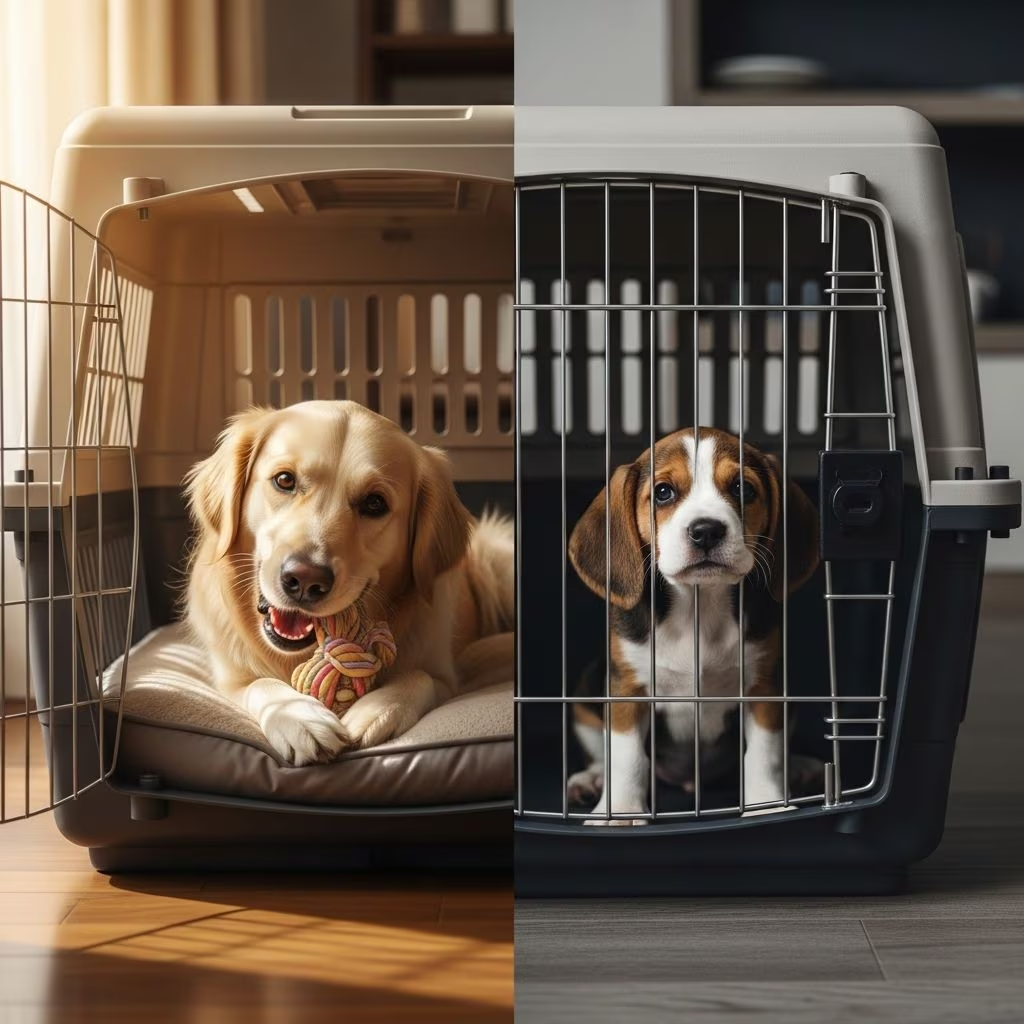
Crate training involves using a confined space to provide dogs with a secure environment, aiding in housebreaking, travel preparation, and behavior management. When done correctly, it mimics a den-like safety zone that many dogs naturally seek. However, improper use can lead to significant welfare issues, making it essential to understand both advantages and pitfalls before implementation.
Understanding the Basics of Crate Training
A dog crate is essentially a portable enclosure designed to comfortably fit a dog, allowing them to stand, turn around, and lie down. The concept draws from wild canines’ natural instinct to seek enclosed, protected areas for rest and safety. Modern crates come in various materials like wire, plastic, or fabric, each suited to different needs such as travel or home use.
Proper sizing is critical: too small, and it causes physical discomfort; too large, and it defeats house-training purposes by allowing elimination in one corner. Training begins with positive associations, using treats and toys to encourage voluntary entry, gradually building to short confinement periods. This process typically spans weeks, emphasizing patience and consistency.
Key Benefits of Responsible Crate Training
One primary advantage is enhanced house training efficiency. Dogs instinctively avoid soiling their sleeping area, so a properly sized crate encourages bladder and bowel control, accelerating potty training success.
Crate training also prevents destructive behaviors by limiting access to chewable items during unsupervised times, protecting both the home and the dog from ingesting hazards like toxic foods or small objects.
For travel and professional settings, crate familiarity eases vet visits, grooming, boarding, and car trips, reducing stress for the dog and owner alike. It creates a personal retreat space amid household chaos, promoting relaxation and independence.
Additionally, it supports recovery from illness or surgery by restricting movement to prevent injury reopening.
- Safety during absences: Keeps dogs from dangerous situations when owners are away.
- Behavioral settling: Teaches self-soothing, vital for puppies and anxious adults.
- Boundary setting: Useful for introducing guests or managing multi-pet homes.
Potential Drawbacks and Risks to Avoid
Despite benefits, crates pose risks if mishandled. Over-reliance leads to excessive confinement, often 8+ hours daily, causing physical issues like obesity from lack of exercise, joint strain, and urinary tract infections from prolonged holding.
Mental health suffers too: prolonged isolation fosters boredom, hyperactivity upon release, and heightened anxiety. Dogs denied social interaction and stimulation may develop obsessive behaviors or aggression.
For dogs with pre-existing separation anxiety, crating exacerbates panic, potentially leading to self-injury from frantic escape attempts. Incorrect sizing confines movement unnaturally, risking muscle atrophy or skeletal problems over time.
Safety hazards include collars snagging on bars, causing choking, or poor ventilation leading to overheating. Forced entry without acclimation traumatizes sensitive dogs, associating the crate with punishment.
| Pro | Con |
|---|---|
| Potty training aid | Overuse causes health issues |
| Safe space creation | Anxiety worsening |
| Travel preparation | Injury risk from poor setup |
| Behavior prevention | Mental distress if forced |
Common Mistakes in Crate Usage and How to Prevent Them
A frequent error is using the crate punitively, such as for timeouts after misbehavior. This breeds fear and resentment, transforming a safe haven into a dreaded prison and potentially increasing future issues like withdrawal or defiance.
Owners often neglect gradual introduction, thrusting unprepared dogs into confinement, which sparks resistance or phobia. Always pair entry with rewards, starting with open-door play.
Leaving dogs crated beyond age-appropriate limits—puppies under 6 months shouldn’t exceed 3-4 hours—invites accidents and stress. Adults fare up to 6-8 hours max, with frequent breaks.
Improper assembly or ventilation turns crates hazardous; check for secure latches and airflow. Remove collars and toys with parts that could snag.
Best Practices for Humane Crate Training
Begin in a quiet room with the door open, tossing high-value treats inside to lure exploration. Feed meals in the crate to build positive links. Practice short closures with immediate release on calm signals, extending duration slowly.
Exercise and mental games precede crating to ensure tiredness promotes rest. Rotate crate locations for variety but maintain accessibility. Monitor body language: whining from need versus attention-seeking requires differentiation.
For nighttime use, place near your bed initially for reassurance, transitioning as comfort grows. Puppies need midnight potty breaks.
Consult vets for breed-specific needs; brachycephalic dogs like Bulldogs require extra ventilation. Professional trainers help tailor plans, especially for rescues.
Alternatives to Crating for Behavior Management
Not every dog suits crating. Playpens or baby gates offer confinement with more space for movement, ideal for growing puppies.
Positive reinforcement training emphasizes rewards for desired actions, addressing root causes like boredom via puzzle toys and walks, bypassing confinement.
For separation anxiety, desensitization protocols involve gradual alone-time increases with comfort items, avoiding crates that amplify panic.
Tethering to furniture under supervision provides limited access without full enclosure. Interactive cameras allow remote treat dispensing and monitoring.
- Enrichment toys for solo play.
- Scheduled routines for predictability.
- Professional behaviorists for complex cases.
Special Considerations for Puppies, Seniors, and Rescues
Puppies thrive with short, frequent sessions tied to naps and meals, but watch for growth spurts needing size adjustments.
Seniors or arthritic dogs benefit from soft bedding and ramp access but may need freedom to avoid stiffness. Medical conditions like incontinence contraindicate crating.
Rescues often carry trauma; assess comfort levels patiently. Some reject crates outright, favoring open beds.
Long-Term Impacts on Dog Well-Being
Successful crate training fosters confident, adaptable dogs ready for life’s changes. However, over-dependence hinders natural development, leading to reliance on confinement rather than self-regulation.
Balance with ample free time ensures physical fitness and social bonds. Regularly evaluate: if the crate sits unused positively, phase it out.
Frequently Asked Questions
Is crate training cruel?
No, when introduced positively and used moderately. Cruelty arises from punishment or excess time, per animal welfare experts.
How long can I crate my dog?
Puppies: 1 hour per month of age max. Adults: 6-8 hours with breaks. Never overnight without access.
What if my dog hates the crate?
Stop and try alternatives like pens. Force worsens aversion; seek trainer help.
Can I crate for house training only?
Yes, but combine with frequent outsides and praise for best results.
Does crate training stop barking?
It manages situations but doesn’t train quietness; use counter-conditioning.
References
- The Truth About Crate Training Your Dog — ElleVet Sciences. 2023-05-15. https://www.ellevetsciences.com/news-old/the-truth-about-crate-training-your-dog/
- Is Crate Training Necessary? 17 Pros & Cons — YouTube (Robert Cabral). 2022-11-10. https://www.youtube.com/watch?v=NIyG8KcizfQ
- Pros and Cons of Crate Training — Walk! ATX Pets. 2024-02-20. https://walkatxpets.com/blog-videos/pros-and-cons-of-crate-training/
- Dog Crates: The Good, The Bad, and The Ugly — 3 Lost Dogs. 2023-08-12. https://www.3lostdogs.com/dog-crates-the-good-the-bad-and-the-ugly/
- Should You Crate Your Dog at Night? Pros, Cons, and Tips — Pupz Club. 2024-01-05. https://www.pupzclub.com/should-you-crate-your-dog-at-night-pros-cons-and-tips/
- Why Is It Cruel to Crate Dogs? — PETA. 2023-10-18. https://www.peta.org/about-peta/why-peta/crating-dogs/



