

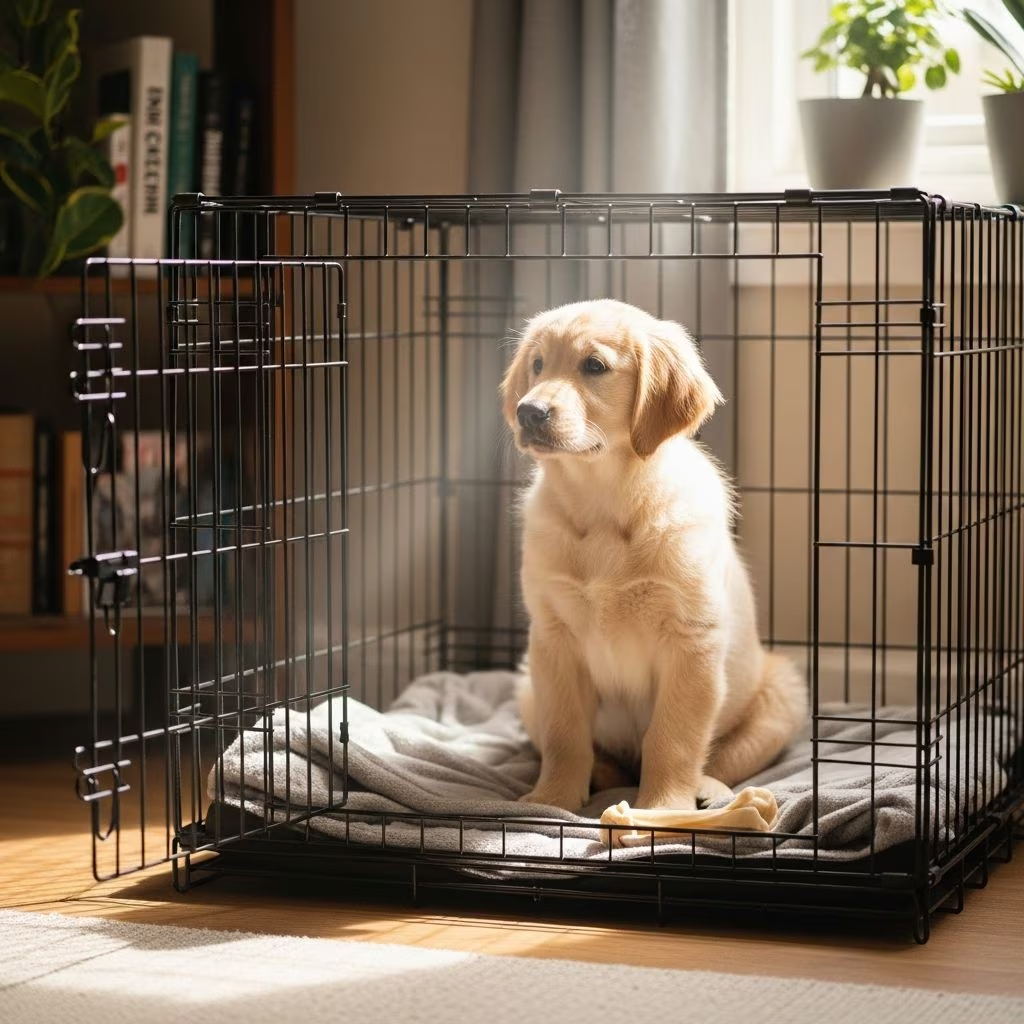
Crates can be incredibly helpful tools for dogs and their humans, but only when we use them thoughtfully. Instead of treating a crate like a storage box for your dog, you can turn it into a safe, comfortable retreat that supports their wellbeing, training, and sense of security.
This article explores how to rethink crate use—from why crates can be helpful, to the serious risks of overusing them, to practical steps for building a positive, choice-based relationship between your dog and their crate.
Why Crates Can Be Helpful When Used Thoughtfully
In modern dog training, crates are often described as a form of confinement training, similar to pens or baby gates. Used well, they can support both your dog’s safety and your household’s harmony.
Key Benefits of Humane Crate Use
- Safe rest space: A crate can give a dog a quiet, enclosed place to nap and relax away from household chaos.
- House-training support: Many puppies are less likely to soil a small sleeping area, which helps with toilet training when paired with frequent outdoor breaks.
- Management tool: Short-term crating can prevent destructive chewing or unsafe exploration when direct supervision is not possible.
- Recovery and travel: Crates are essential for safe transportation and often recommended by vets after surgery or injury.
- Predictable routine: For some dogs, a crate becomes a predictable, calming part of their daily rhythm when introduced positively.
These benefits only appear when the crate is associated with comfort and choice, not fear or isolation.
What Crates Are Not Meant For
- Not a punishment zone: Dogs should never be shoved into crates in anger or scolded through the door.
- Not all-day storage: Long daily confinement can lead to anxiety, frustration, and physical health issues.
- Not a substitute for training: A crate cannot teach manners, social skills, or emotional resilience on its own.
The Risks of Overusing Crates
When crates are overused or introduced harshly, they can create as many problems as they solve. Dogs are highly social animals, and extended isolation in a small space can compromise both welfare and behavior.
Behavioral and Emotional Fallout
- Frustration and anxiety: Prolonged confinement, especially daily, can trigger intense frustration and anxiety in dogs.
- Learned helplessness: When a dog cannot escape stress in a crate, they may shut down, becoming passive and unresponsive, a state known as learned helplessness.
- Crate aversion: Dogs may start resisting entering the crate, barking, growling, or refusing to go near it after repeated negative experiences.
- Increased destructive behaviors: Over-crated dogs often have pent-up energy, which can show up as destructiveness or hyperactivity when finally released.
- Worsening separation issues: For dogs already anxious when alone, forced crating may intensify panic and escape attempts.
Physical and Welfare Concerns
- Limited movement: Hours confined in a small space reduce opportunities for exercise, stretching, and joint comfort.
- Bladder and bowel stress: Dogs may be forced to hold urine or feces longer than is comfortable or healthy, especially puppies and seniors.
- Injury risk: Dogs panicking in crates may chew bars, claw doors, or throw themselves against sides, risking broken teeth, nails, or other injuries.
| Healthy Crate Use | Unhealthy Crate Use |
|---|---|
| Short, planned periods with breaks | Many hours daily, as a default holding space |
| Dog has positive history and can enter willingly | Dog resists, cries, or panics when crated |
| Used alongside exercise, enrichment, and social contact | Used instead of walks, play, or training |
| Associated with treats, meals, or calm rest | Associated with punishment or being left alone in distress |
Crates as Choice-Based Safe Spaces
To truly think outside the box, start viewing the crate as your dog’s bedroom rather than your control tool. The goal is for your dog to choose to rest there because it feels safe and comfortable.
Designing a Comfortable Crate Environment
- Right size: Your dog should be able to stand up, turn around, and lie comfortably stretched out.
- Soft bedding: Add a mat or bed suited to your dog’s needs (orthopedic for seniors, chew-resistant for heavy chewers).
- Safe enrichment: Offer safe chew toys or long-lasting food puzzles to keep them engaged during short crate times.
- Calm placement: Put the crate in a quiet corner of a room where the dog can still see family life, not in total isolation.
- Predictable routine: Pair the crate consistently with naps, bedtime, or quiet downtime to build a stable association.
Choice Matters
Whenever possible, allow your dog to move in and out of the crate freely, especially when you are home. You can:
- Keep the door open most of the time so the dog can enter voluntarily.
- Reward spontaneous crate visits with calm praise or small treats.
- Use the crate door mainly when safety or management truly requires it (e.g., deliveries, guests, recovery).
Step-by-Step: Building Positive Crate Associations
Whether you are working with a puppy or an adult dog, the process relies on gradual exposure and positive reinforcement—never force.
1. Introduce the Crate as a Neutral Object
- Place the crate in a common area with the door propped open.
- Let your dog investigate at their own pace without pressure or luring inside initially.
- Toss a few treats near the entrance, then just inside the doorway once they are curious.
2. Turn the Crate into a Snack and Meal Station
- Start feeding meals near the crate, then move the bowl just inside, then fully inside while the door stays open.
- Offer high-value chews or stuffed toys only when your dog is in or near the crate, so good things reliably happen there.
- Pair a cheerful verbal cue such as “crate” or “bed” as your dog steps in.
3. Brief, Pleasant Door Closures
- Once your dog is comfortable eating in the crate, gently close the door at the end of a meal for a minute or two.
- Let them out before they show signs of stress—end on success.
- Gradually extend the time: 1–2 minutes, then 5, 10, and so on, always watching their body language.
4. Increase Time and Distance Gradually
- Practice crating at different times of day, not just bedtime.
- Sit nearby at first, then move around the room, then briefly step out of sight once your dog remains relaxed.
- Return before they escalate into vocalizing or frantic behavior; your goal is to build confidence, not test endurance.
5. Add a Simple Crate Cue
- Say your chosen cue (“crate,” “kennel,” “bed”) as your dog starts to enter, then reward generously.
- Over time, you can ask for the behavior from a short distance—point to the crate, give the cue, and reward once they go in.
- Keep your tone light and friendly; the crate cue should never sound like a scolding.
Age, Personality, and Special Case Considerations
Not all dogs experience crates the same way. Age, history, and temperament all influence how successful and humane crate training will be.
Crates and Puppies
- House-training helper: Short crate periods paired with frequent trips outside support toilet training.
- Chewing management: A crate can protect both your home and your puppy from unsafe chewing when you cannot supervise.
- Time limits: Puppies under about six months generally should not be crated longer than 3–4 hours at a time during the day.
Crate Training Adult and Senior Dogs
- Go slower with older dogs who may already have strong feelings (positive or negative) about confinement.
- Provide extra padding or orthopedic support for seniors or dogs with joint conditions.
- Shorten crate durations for dogs with medical issues that affect mobility or bladder control.
When Crates May Not Be the Best Choice
Some dogs are not good candidates for traditional crate confinement, especially if they have:
- History of panic in crates: Dogs who have bitten bars, broken teeth, or injured themselves trying to escape.
- Separation anxiety: For these dogs, confinement may intensify panic rather than help them settle.
- Severe noise or confinement phobia: Dogs who tremble, drool excessively, or shut down when crated.
For these dogs, alternatives like larger exercise pens, baby-gated rooms, or customized behavior plans with a qualified professional may be more humane and effective.
Alternatives and Complements to Crates
Even if your dog does well with a crate, it should be one tool among many rather than the only way you manage their behavior.
Humane Confinement Alternatives
- Exercise pens: Offer more room to move while still limiting access to hazards.
- Baby-gated areas: Allow dogs to stay in a familiar room (like a kitchen or living room) with limited access to trouble spots.
- Dog-proofed rooms: Safe, minimally furnished rooms where dogs can relax with toys and bedding.
Critical Complements: Exercise, Enrichment, Connection
- Daily physical exercise: Walks, play sessions, and sniffing opportunities reduce restlessness and crate frustration.
- Mental enrichment: Puzzle feeders, training games, and scent work help fulfill your dog’s cognitive needs.
- Social interaction: Time with humans and, where appropriate, other dogs, protects against loneliness and stress.
Common Crate Challenges and How to Respond
Even with the best plan, you may face bumps along the way. How you respond can shape your dog’s long-term feelings about the crate.
Whining, Barking, or Pawing at the Crate
- If the dog is newly crated, some mild protest can be normal, but intense or prolonged distress is a sign you moved too fast.
- Do not punish vocalizing—whining and barking are communication, not misbehavior.
- Check basic needs: Does your dog need to toilet, drink, or move? Are they too hot, cold, or uncomfortable?
- If distress persists, shorten crate sessions and rebuild positive associations more slowly with high-value rewards.
Dog Suddenly Refuses the Crate
- Review recent experiences: Did something frightening happen while they were inside (e.g., loud noise, scolding, long isolation)?
- Open the door and turn the crate back into a choice-based resting spot for a time, rebuilding trust with treats and calm praise.
- Pause all forced crating while you reset the dog’s emotional association, using pens or gated rooms if needed for management.
Crate Soiling
- Rule out medical issues with a veterinarian, especially in adults who suddenly start soiling in confined spaces.
- A crate that is too large can sometimes make it easier for a dog to soil one end and sleep in the other; adjust size if appropriate.
- Increase outdoor potty breaks, especially for puppies and seniors, and avoid crating longer than they can realistically hold it.
Frequently Asked Questions (FAQs)
Q: Is crate training humane?
A: Crate training can be humane when the crate is used for short periods, introduced gradually, and associated with rest and safety rather than punishment or long-term isolation. Problems arise when crates are overused or forced on anxious dogs.
Q: How long can I safely leave my dog in a crate?
A: For most puppies under six months, daytime crate time should generally not exceed about 3–4 hours at a stretch. Adult dogs may tolerate somewhat longer periods, but extended daily confinement is discouraged because it can cause frustration, anxiety, and health issues.
Q: Should I ever use the crate as punishment?
A: No. Leading training sources emphasize that crates should never be used as a place of punishment. Your dog’s crate should feel like a bedroom, not a jail cell, or they may start to fear and resist going inside.
Q: What if my dog panics in the crate?
A: Dogs who injure themselves, slam into the crate, or show extreme panic are not ideal candidates for traditional crate confinement. Work with a qualified trainer or behavior professional to explore alternatives like pens, gated rooms, and structured behavior plans, and consult your veterinarian to rule out medical factors.
Q: Can every dog be crate trained successfully?
A: Many dogs can learn to feel comfortable in crates with positive, gradual training, but not all will. Dogs with severe anxiety, previous traumatic crate experiences, or specific phobias may do better with alternative confinement options and behavior support.
References
- Dog Training: How to Crate Train a Puppy — Kinship. 2023-05-10. https://www.kinship.com/uk/dog-behaviour/crate-training
- How to Crate Train an Older Dog — Adopt a Pet. 2023-08-02. https://adoptapet.com/blog/behavior-training/how-to-crate-train-an-older-dog
- Dog Behavior and Training – Crate Training — BCSPCA / VeterinaryPartners (PDF). 2018-01-01. https://www.ironstone.net/storage/app/media/52_-_Dog_Behavior_and_Training_-_Crate_Training_-_Synopsis_G.pdf
- Crate Training Made Easy — Whole Dog Journal (Pat Miller). 2019-04-01. https://www.whole-dog-journal.com/training/crate-training-made-easy/
- Crate Training! Should you crate your dog? And how? — Kat Heckert, JW Dog Training and Behavior (YouTube). 2021-09-10. https://www.youtube.com/watch?v=wbZpWTaxVmE
- How to Train a Rescue Dog—Guidelines to Follow — Kinship. 2022-11-15. https://www.kinship.com/dog-behavior/rescue-dog-training



