
Crate Training Dogs: Benefits, Risks and Best Practices
Discover the real pros and cons of crate training your dog, learn when to use it effectively, and avoid common pitfalls for a happier pet.
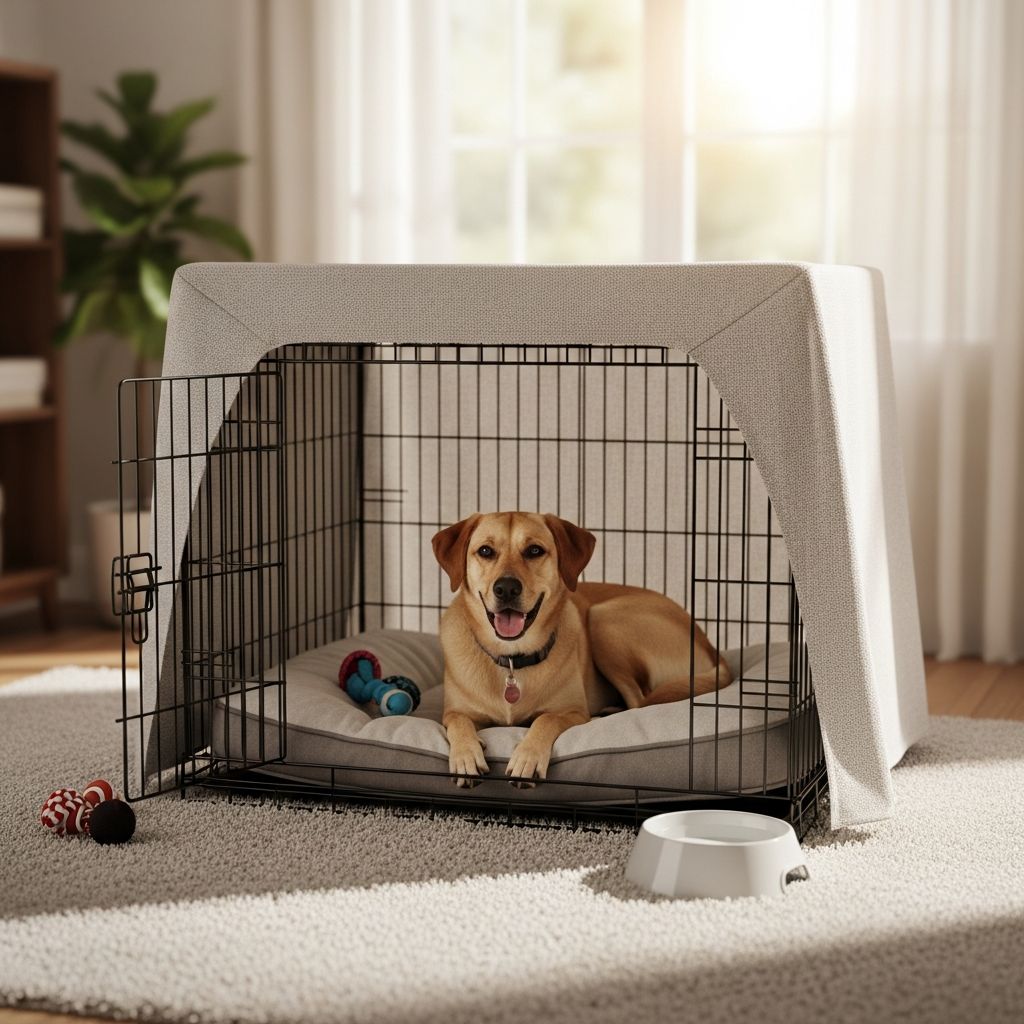
Crate training serves as a valuable method for managing dog behavior when implemented thoughtfully, offering a secure environment while preventing mishaps during unsupervised periods. However, its misuse can lead to significant welfare issues, making proper introduction and limited application essential for success.
Understanding the Role of Crates in Modern Dog Care
Dogs are denning animals by nature, instinctively seeking enclosed spaces for rest and security. A well-sized crate mimics this natural preference, providing a personal retreat amid household bustle. When dogs view their crate positively, it becomes a haven rather than a confinement tool.
Contemporary dog ownership often involves busy schedules, travel, and professional services like veterinary care or grooming. Crate familiarity equips dogs for these scenarios, reducing stress and enhancing adaptability. Yet, the key lies in balancing utility with freedom to avoid dependency.
Key Advantages of Introducing Crate Training
Crate training yields multiple practical benefits that support both canine health and owner convenience. Here’s a breakdown:
- Safety Assurance: Crates prevent access to hazards like toxic substances, fragile items, or unsafe areas, especially vital for puppies prone to exploratory chewing.
- Housebreaking Acceleration: Dogs naturally avoid soiling their sleeping area, so timed crate use reinforces bladder control without discomfort.
- Behavioral Management: It curtails destructive tendencies during absence, allowing prevention of unwanted habits before they solidify.
- Travel and Service Preparation: Comfort with crates simplifies car trips, boarding, and medical visits, minimizing panic in novel settings.
- Rest Promotion: Encourages self-settling, fostering calm routines and reducing nighttime disturbances.
These gains manifest most effectively in puppies, where early exposure builds lifelong confidence.
Potential Drawbacks and How They Arise
Despite its merits, crate training carries risks if mishandled. Overreliance or negative associations can harm physical and emotional well-being.
| Issue | Description | Prevention Strategy |
|---|---|---|
| Anxiety Aggravation | Confinement heightens stress in sensitive dogs, potentially worsening separation issues. | Gradual desensitization with rewards. |
| Physical Strain | Prolonged stays cause muscle fatigue, obesity from inactivity, or joint stress. | Limit to 4-6 hours max for adults; provide exercise. |
| Injury Hazards | Panic leads to collisions; collars snag on bars. | Remove accessories; ensure proper assembly. |
| Overuse Dependency | Becomes a babysitter substitute, stunting independence. | Integrate with active training. |
Rescue dogs or those with trauma histories often resist crates, signaling the need for alternative management.
Why Crates Should Never Serve as Punishment
Using a crate to discipline undermines its purpose, associating enclosure with fear and resentment. Punitive crating fosters long-term aversion, escalating aggression, withdrawal, or hyperactivity.
Positive reinforcement, conversely, builds trust. Dogs punished via isolation learn helplessness, not correction, mirroring findings on stress-induced maladaptive behaviors. Experts unanimously advise against this practice, advocating reward-based alternatives for true behavioral change.
Step-by-Step Guide to Humane Crate Introduction
Success hinges on patience and positivity. Follow this phased approach:
- Select Appropriate Size: Allow standing, turning, and lying comfortably; use dividers for growing puppies.
- Create Inviting Setup: Add soft bedding, toys, and cover partially for den-like coziness.
- Free Access Phase: Leave door open with treats inside to encourage voluntary entry.
- Short Sessions: Lure inside, close briefly, reward calm exits; extend gradually.
- Integrate Daily Life: Use during naps or mealtimes, always with praise.
- Monitor Comfort: Watch for distress signs like whining or pawing; regress if needed.
Typically, puppies adapt in 1-2 weeks with consistency.
Crate Duration Guidelines by Age and Context
Time limits prevent harm:
- Puppies (8-12 weeks): 30-60 minutes max, frequent potty breaks.
- Young Puppies (3-6 months): 2-4 hours, active play between.
- Adults: 4-6 hours daytime; overnight okay if trained.
- Seniors/Medical Cases: Consult vet; shorten as needed.
Exceeding these invites health complications like urinary issues.
Addressing Crate-Related Anxiety and Alternatives
For anxious dogs, crates may exacerbate panic, particularly in separation cases where confinement amplifies isolation. Indicators include drooling, barking, or escape attempts.
Alternatives include:
- Playpen enclosures for movement.
- Long-line tethering with supervision.
- Desensitization protocols sans crate.
- Professional behaviorist intervention.
For nighttime, a quiet room with baby gates often suffices over crating.
Real-World Applications: When Crates Shine
Beyond basics, crates aid recovery post-surgery, manage multi-pet homes, or facilitate travel. A dog comfortable in varied crates transitions seamlessly to airline kennels or hotel stays.
House training leverages instinct: crate post-meal for predictable potty timing, rewarding outdoor success. This proactive setup outpaces punishment-based methods.
Common Mistakes and How to Avoid Them
- Rushing Acclimation: Traumatizes; prioritize slow progress.
- Poor Ventilation: Overheating risk; opt for wire models.
- Ignoring Signals: Persistent distress warrants pause.
- Neglecting Enrichment: Kongs or puzzles combat boredom.
FAQs on Crate Training Essentials
Is crate training cruel?
No, when done positively; it mimics natural dens. Cruelty arises from punishment or overuse.
How long can I crate my adult dog?
4-6 hours max during day; ensure exercise before/after.
What if my dog hates the crate?
Stop and try alternatives; consult a trainer.
Should I crate at night?
Yes for puppies; optional for trained adults promoting calm.
Can crates help with separation anxiety?
Often not; may worsen. Seek specialized protocols.
Long-Term Integration for Lasting Harmony
View crating as one tool in a comprehensive training arsenal, paired with walks, obedience classes, and affection. Gradual weaning as reliability grows ensures a balanced lifestyle. Regular vet check-ins monitor for stress indicators, tailoring approaches individually.
Ultimately, the goal is a confident, adaptable companion. Thoughtful crate use contributes without dominating daily life.
References
- The Truth About Crate Training Your Dog — ElleVet Sciences. 2023. https://www.ellevetsciences.com/news-old/the-truth-about-crate-training-your-dog/
- Is Crate Training Necessary? 17 Pros & Cons of Crate Training a Dog — YouTube (McCann Dogs). 2022-10-15. https://www.youtube.com/watch?v=NIyG8KcizfQ
- Pros and Cons of Crate Training — Walk! ATX Pets. 2024. https://walkatxpets.com/blog-videos/pros-and-cons-of-crate-training/
- Dog Crates: The Good, the Bad, and the Ugly — 3 Lost Dogs. 2023. https://www.3lostdogs.com/dog-crates-the-good-the-bad-and-the-ugly/
- Should You Crate Your Dog at Night? Pros, Cons, and Tips — Pupz Club. 2024. https://www.pupzclub.com/should-you-crate-your-dog-at-night-pros-cons-and-tips/
- Why Is It Cruel to Crate Dogs? — PETA. 2023. https://www.peta.org/about-peta/why-peta/crating-dogs/
Similar Articles








Read full bio of medha deb




