

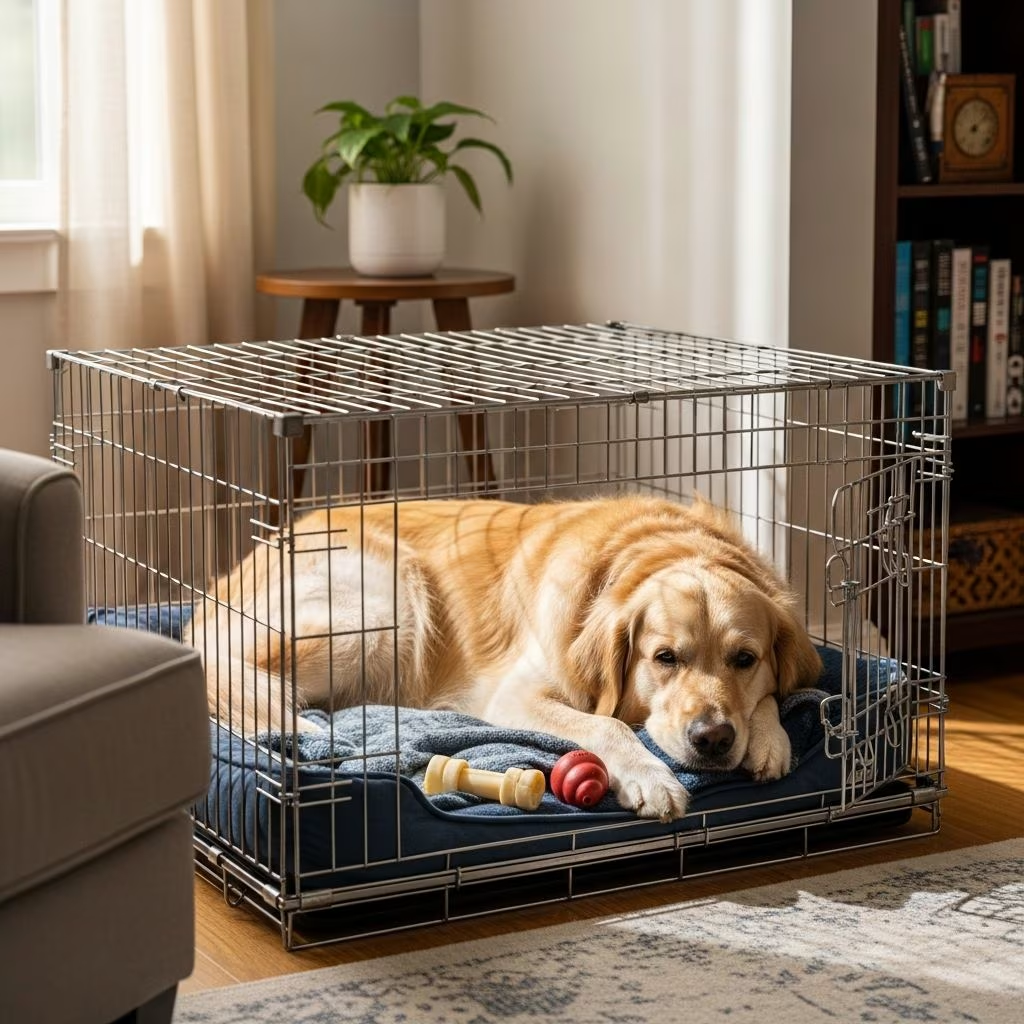
Introducing an adult dog to crate training requires patience and positive methods to transform the enclosure into a secure retreat rather than a confinement space. This process fosters independence, aids in housebreaking, and prevents destructive behaviors during alone time.
Why Crate Training Benefits Adult Dogs
Crate training leverages a dog’s natural denning instinct, where they seek enclosed, safe areas for rest. For adults, especially rescues with past traumas, it provides structure and reduces stress from household changes. Key advantages include faster house training by encouraging bladder control, protection from chewing hazards, and calmer settling in new environments.
- House Training Acceleration: Dogs instinctively avoid soiling their sleeping area, promoting scheduled potty breaks.
- Safety During Absences: Prevents access to dangerous items when owners are away.
- Behavioral Management: Limits anxiety-driven destruction and excessive barking.
- Travel Preparation: Eases kennel use for vet visits or trips.
Studies from veterinary behaviorists confirm that properly implemented crate training lowers separation anxiety rates in adult dogs by up to 70% within the first month.
Selecting the Perfect Crate for Your Adult Dog
Choose a crate sized appropriately: large enough for standing, turning around, and lying down stretched out, but not so spacious they can potty in one corner. For breeds like Labs, opt for 42-inch models; smaller for Terriers around 30 inches.
| Dog Size | Recommended Crate Dimensions | Example Breeds |
|---|---|---|
| Small (under 25 lbs) | 24″ L x 18″ W x 19″ H | Chihuahua, Dachshund |
| Medium (25-50 lbs) | 30″ L x 21″ W x 24″ H | Beagle, Cocker Spaniel |
| Large (50-90 lbs) | 42″ L x 28″ W x 30″ H | Labrador, German Shepherd |
| Extra Large (90+ lbs) | 48″ L x 30″ W x 33″ H | Great Dane, Mastiff |
Wire crates with divider panels allow growth adjustments, while plastic airline-approved ones suit travel. Add a washable mat or blanket for comfort, avoiding loose fabrics that could be ingested.
Preparing Your Home and Dog for Success
Position the crate in a family area, like near the living room couch, to avoid isolation feelings. For nighttime, place it in your bedroom initially to monitor and reassure. Ensure the dog is exercised beforehand— a 30-minute walk burns energy, making them more receptive.
Stock with high-value items: puzzle toys stuffed with peanut butter or frozen broth keep them occupied. Avoid using the crate for punishment, as this erodes trust immediately.
Step-by-Step Crate Training Process
Phase 1: Initial Introduction and Positive Lure
Leave the door open and drop high-value treats inside sporadically without drawing attention. Praise lavishly when they investigate. Progress to feeding meals inside, starting with the bowl just at the entrance, then deeper.
- Sit calmly nearby, tossing treats farther in over sessions.
- Use a stuffed Kong tied to the back— they work to access it, associating entry with reward.
- Repeat 5-10 times daily for 2-3 days until voluntary entry.
Phase 2: Command Training and Door Familiarity
Introduce a cue like “kennel up” in an enthusiastic tone, followed by a treat toss inside. Wait for compliance before rewarding; no repeats. Once reliable, close the door briefly (1-5 seconds), feeding through bars, then release with praise.
- Practice 3-5 short sessions daily.
- Incorporate walks around the crate while closed, mixing in treats.
- Graduate to 10-15 minutes with distractions like TV on.
Phase 3: Building Duration and Alone Time
With door closed, engage in normal activities: read, cook, ignoring whines. Provide long-lasting chews like bully sticks. Start absences at 10 seconds, building to 30 minutes over days, varying durations unpredictably.
Overnight crating begins here—cover three sides for den-like security, but ensure ventilation.
Phase 4: Full Independence and Refinement
Extend to 1-4 hours, incorporating errands. Use a camera for monitoring initial solos. Teach release on calm behavior only—no rewarding door-scratching. Fade to on-command returns throughout the day.
Common Obstacles and Solutions
Adult dogs may resist due to prior negative experiences. Whining peaks first week; ignore unless potty signals, then promptly release post-calm.
| Problem | Solution |
|---|---|
| Whining/Barking | Wait for 5-second quiet, then release/treat. Tire with exercise first. |
| Fearful Avoidance | Slow intro: treats outside only, progress inward gradually. |
| Accidents Inside | Cleaner crate size; more frequent potty walks pre-crating. |
| Escape Attempts | Secure latches; add familiar scents like unwashed t-shirt. |
For seniors with arthritis, use orthopedic bedding and limit to 4-hour max sessions.
Special Considerations for Rescue and Senior Dogs
Rescues often carry crate trauma—double initial positivity with extra play rewards post-session. Night crating bedside builds security bonds. Seniors benefit from ramps into larger crates and vet-checked comfort durations to avoid joint strain.
Tools and Products That Enhance Training
Essential kit: high-reward treats (liver bits), durable Kongs, calming pheromone diffusers, wireless cameras. Brands like Midwest crates offer durability; Zuke’s minis for precise rewards.
- Treats: Soft, smelly for quick motivation.
- Chews: Antler alternatives for hours of engagement.
- Covers: Blackout fabric reduces visual stimuli.
Long-Term Maintenance and Troubleshooting
Once proficient, crate voluntarily for naps. Rotate toys to maintain interest. If regression occurs (moves, illness), revert to Phase 1 briefly. Annual checks ensure size fits aging changes.
Frequently Asked Questions (FAQs)
How long does crate training take for an adult dog?
Typically 2-4 weeks with consistency, though rescues may need 6 weeks.
Can I crate my dog for 8 hours while at work?
Not recommended initially; build to 4-6 hours max with midday breaks. Puppies/adults need potty every 4 hours.
What if my dog hates the crate despite efforts?
Consult a certified trainer; rule out medical issues like pain.
Is crate training cruel for adult dogs?
No, when done positively—it’s a welfare tool endorsed by AVMA for safety.
Should I cover the crate completely?
Three sides yes for security; leave one open for air and visibility during training.
References
- Crate Training an Adult Dog — San Francisco SPCA. 2023-05-15. https://www.sfspca.org/resource/crate-training-adult-dog/
- Crate Training an Older Dog: What You Need to Know — Hill’s Pet. 2024-08-20. https://www.hillspet.ca/en-ca/dog-care/training/crate-training-an-older-dog
- How to Crate Train an Adult Dog: A Step-by-Step Guide — K9 Connoisseur. 2024-03-10. https://k9connoisseur.com/blogs/news/how-to-crate-train-an-adult-dog
- Dog Training: How to Crate-Train an Older Dog — Purina. 2023-11-05. https://www.purina.com/articles/dog/behavior/training/how-to-crate-train-adult-dog
- Crate Training Made Easy — Whole Dog Journal. 2022-07-12. https://www.whole-dog-journal.com/training/crate-training-made-easy/



