

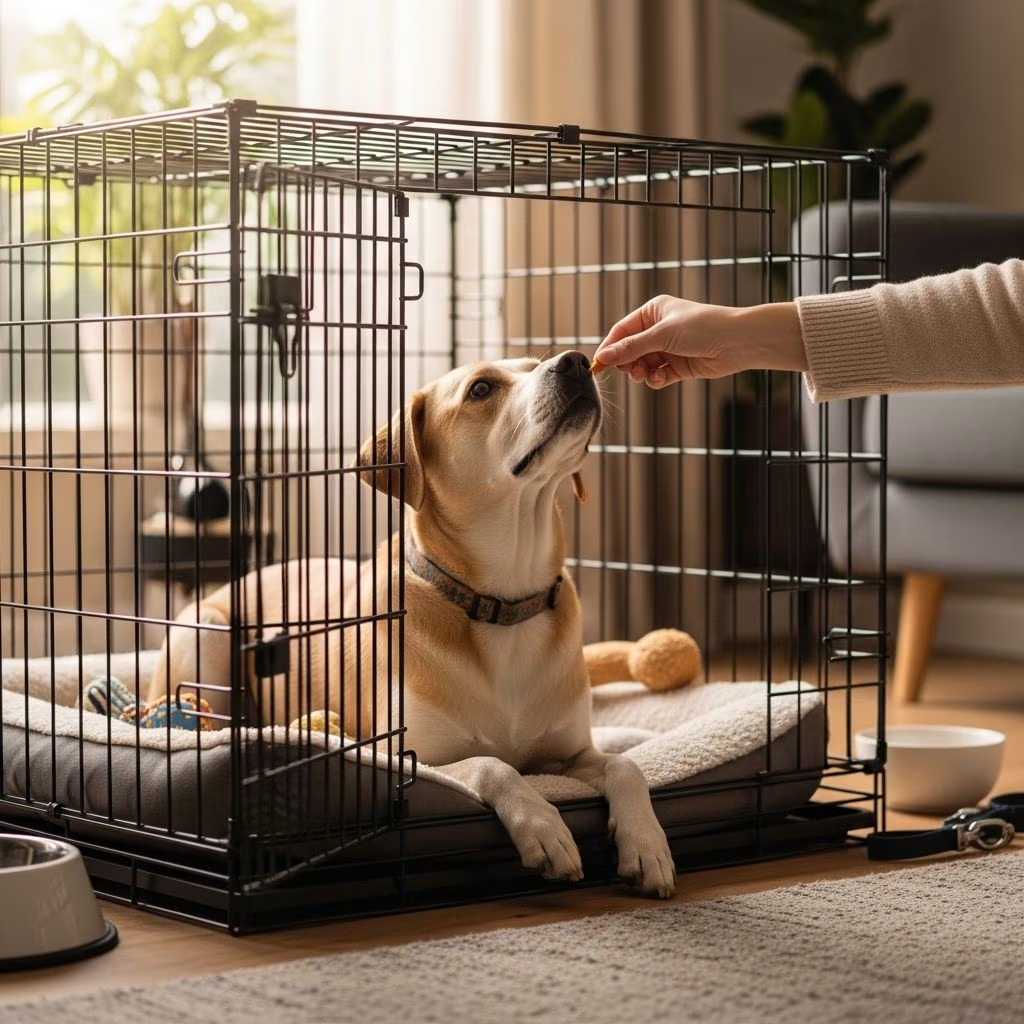
Bringing a rescue dog into your home represents a significant life event for both you and your new companion. Unlike puppies raised from birth in a familiar environment, shelter and rescue dogs often arrive with unknown histories and varying degrees of anxiety about their surroundings. One of the most valuable tools for helping these animals adjust to their new lives is crate training—a process that transforms a simple cage into a sanctuary where your dog feels secure and protected.
Understanding the Purpose of Crate Conditioning
Before diving into training techniques, it’s important to recognize what crate training accomplishes for rescue animals. Many people misunderstand the purpose of a crate, viewing it as a form of confinement or punishment. In reality, when implemented correctly, the crate becomes a personal refuge—much like a bedroom or den—where your dog can retreat when feeling overwhelmed.
For rescue dogs specifically, this contained space serves multiple therapeutic functions. The crate reduces environmental stimulation that might otherwise trigger anxiety or defensive behaviors. It provides structure during a period of tremendous uncertainty in the dog’s life. Additionally, it keeps your dog safe when you cannot directly supervise, preventing destructive behaviors born from anxiety rather than malice.
Creating the Right Physical Environment
The crate itself plays an important role in your dog’s perception of the space. Select a crate that allows your dog to stand, turn around, and lie down comfortably without excessive extra room. An oversized crate may feel less secure to an anxious rescue dog, while a crate that’s too small will be uncomfortable. The size matters because rescue animals often need that sense of den-like security.
Position the crate in an area of your home where family activity occurs regularly. Placing it in a living room or kitchen allows your dog to remain part of the household while developing comfort with confinement. The crate shouldn’t feel like exile but rather a normal part of home life.
Consider covering three sides of the crate with a blanket or cloth. This modification softens the visual environment, reduces external distractions, and creates the cave-like feeling that many dogs find calming. Leave the door side uncovered so your dog doesn’t feel trapped and can always see what’s happening in the room.
Phase One: Casual Introduction Without Pressure
The most common mistake in crate training rescue dogs is moving too quickly through the introduction phase. These animals need time to process that the crate represents safety, not danger. Begin by simply leaving the crate accessible with the door propped open securely, unable to swing shut unexpectedly.
Spend several days—or even weeks if necessary—allowing your dog to investigate the crate at their own pace. Sit nearby and maintain a relaxed demeanor. If your dog approaches the crate to sniff around or peek inside, respond with calm approval. Avoid excessive enthusiasm or praise, as heightened emotional energy can increase anxiety in already-stressed animals.
Talk to your dog in soft, measured tones when they investigate the crate. Use the same calm voice you’d use when speaking to a nervous person. This vocal approach communicates safety far more effectively than excited cheerleading.
Introducing Positive Associations Through Treats
Once your dog shows basic comfort with the crate’s presence, begin the treat association phase. Gather your dog’s favorite rewards—items that genuinely excite them. These might include special treats, small pieces of chicken, or peanut butter.
Sit next to the crate with treat in hand. Drop a single treat just inside the crate’s entrance. If your dog retrieves it, excellent. Repeat this several times over the course of a few sessions. Gradually place treats deeper into the crate with each repetition. The goal is for your dog to make the mental connection: approaching and entering the crate equals positive things happening.
An important technique involves dropping treats when your dog isn’t looking directly at you. This shifts their focus toward the crate itself rather than toward you as the reward source. Eventually, your dog will voluntarily check the crate hoping to find treats, even when you’re not actively training.
If your dog remains reluctant to enter, take several steps backward. Place treats at the crate’s entrance rather than inside. Let your dog become comfortable with that step before progressing deeper. There is no timeline for this process—moving at your dog’s pace builds the confidence that rescue animals desperately need.
Teaching a Verbal Cue for the Behavior
As your dog develops comfort with entering the crate for treats, introduce a consistent verbal command. Choose words like “Kennel,” “Crate,” or “Den.” Use this command every single time your dog enters the crate, said in a neutral, matter-of-fact tone. Do not use an enthusiastic voice or your dog might interpret the crate as a playground rather than a space for settling.
Eventually, your dog will understand that this particular word means entering the crate leads to rewards. This linguistic marker becomes valuable later when you need your dog to crate on command in various situations.
Managing the Door Threshold
The door represents the most anxiety-inducing part of crate training for rescue animals. A dog with previous negative experiences may have learned that closed doors mean abandonment or confinement against their will. Introducing door closure requires extreme patience and careful observation.
Begin by closing the door for mere seconds—literally just two or three seconds—while your dog enjoys a treat inside. Immediately reopen it. Reward your dog while they’re still inside with another treat. Repeat this cycle multiple times without increasing the duration.
Over many sessions spanning several days or weeks, gradually extend the duration the door remains closed. If at any point your dog shows signs of stress—whining, scratching, panting, or pacing—you’ve moved too quickly. Return to the previous step where your dog felt comfortable and spend more time there.
Never close the door while your dog is actively distressed. This teaches them that anxiety leads to door closure, strengthening their fear response. Instead, close the door only when your dog appears calm and settled inside.
Building Duration and Independence
Once your dog tolerates closed-door periods lasting a minute or two, you can begin the next phase: stepping away from the crate. While your dog is contentedly inside, quietly move to the other side of the room. Maintain complete neutrality—don’t talk to your dog, celebrate their calm demeanor, or act like anything unusual is happening.
After a brief interval, return to the crate and open it without fanfare. Later, you can offer a treat, but avoid making your return a major event. The goal is teaching your dog that your departure and return are ordinary occurrences, not significant emotional milestones.
Gradually increase both the time the door remains closed and the distance you move away from the crate. Some dogs progress quickly through these steps; others require weeks of repetition. Both timelines are entirely normal for rescue animals who may have experienced chaos or instability.
Incorporating Mealtime Into Crate Training
Food naturally attracts dogs and creates positive associations with spaces. Once your dog comfortably spends time in the crate with the door open, begin feeding meals inside. This doesn’t mean your dog must remain in the crate after eating—that creates negative associations. Instead, simply place the food bowl inside, allow your dog to eat, and let them exit when finished.
As your dog develops stronger positive associations, you can gradually close the door while they eat and open it again before their meal concludes. Eventually, your dog will be comfortable remaining inside for a period after finishing their food.
Addressing Nighttime Crating
Rescue dogs often experience heightened anxiety at night, particularly early in their adjustment period. When beginning nighttime crating, position the crate in your bedroom or immediately adjacent to it. This proximity helps your dog maintain connection with you during vulnerable sleeping hours.
Your dog may whine or show distress during the first several nights. This doesn’t mean the crate training isn’t working—it reflects the enormous adjustment your rescue dog is experiencing. Remain calm and don’t immediately respond to every vocalization, which could inadvertently reinforce the behavior. However, if your dog needs a bathroom break, respond appropriately to those legitimate needs.
After your dog demonstrates comfort sleeping near you for several weeks, gradually relocate the crate to your preferred permanent location. Make this transition gradually, moving the crate a small distance every few days rather than relocating it across the house overnight.
Extended Periods and Departure Training
Before leaving your dog crated alone for extended periods, ensure they’re comfortable spending time in the crate while you’re home but occupied in other areas. Practice staying in another room for increasing durations, beginning with just five minutes and gradually extending to thirty minutes or longer.
Only after your dog demonstrates calm behavior during these practice sessions should you attempt leaving them crated while you’re completely absent from home. Start with very short absences—five to ten minutes—and gradually increase duration as your dog proves capable of handling separation.
Never make departures or arrivals emotional productions. Calmly place your dog in the crate before leaving and calmly let them out upon return, without excessive excitement or celebration.
Common Challenges and Solutions
Rescue dogs sometimes regress in their crate training when experiencing stress or changes in routine. This is normal and doesn’t indicate failure. Simply return to earlier phases of training, rebuilding confidence gradually.
Some dogs panic when doors close despite weeks of successful training. This often reflects past trauma rather than current inadequate training. Additional time with the door open, possibly covering the sides more completely with blankets, or consulting with a professional trainer can help address deep-seated fears.
If your dog shows destructive behavior in the crate, resist the urge to use crating as punishment for that destruction. Instead, address the underlying anxiety and ensure your dog isn’t spending excessive time confined.
Frequently Asked Questions
How long does crate training typically take for rescue dogs?
There’s no universal timeline. Some rescue dogs adapt within weeks; others require months of patient, consistent training. The dog’s history, age, and previous experiences significantly influence the pace. Consistency matters far more than speed.
Should I use the crate as punishment?
No. Using the crate as punishment creates negative associations that undermine all previous training. Keep the crate exclusively as a positive space associated with treats, meals, and safety.
What if my rescue dog refuses to enter the crate despite my efforts?
This indicates your dog needs more time at an earlier stage of training. Return to simply having the crate available with treats nearby. Consider consulting a professional dog trainer experienced with rescue animals.
Can I crate my dog while working full-time?
Adult dogs can typically manage six to eight hours in a crate, though this is challenging and not ideal. Puppies and senior dogs have more limited bladder capacity. Consider hiring a dog walker or using doggy daycare to break extended confinement periods.
Should the crate be in a visible family area or hidden away?
Keep the crate visible and accessible during active family hours. This allows your dog to remain part of household activities while developing crate comfort. At night or when you’re away, you can relocate it as needed.
Supporting Your Dog Through the Adjustment
Remember that crate training isn’t merely about confinement management—it’s about helping your rescue dog develop security and confidence in their new home. Every dog arrives with their unique history and fear responses. Your patience during the training process communicates to your dog that their new family is trustworthy and safe.
Celebrate small progress. If your dog willingly enters the crate to investigate, that’s success. If they rest calmly inside for five minutes, that’s progress. These incremental victories accumulate into a fully crate-trained dog who views their kennel as a sanctuary rather than a prison.
References
- Crate-Training Your Dog — Canine Pet Rescue (CPR). https://www.caninepetrescue.com/about-gsds/crate-training-your-dog/
- How to Crate Train a Rescue Dog: Benefits and Helpful Tips — Pedigree Adoption Hub. https://www.pedigree.com/adoptionhub/how-to-crate-train-a-rescue-dog
- 9 Tips for Crate Training a Rescue Dog — Diamond Pet Foods. https://www.diamondpet.com/blog/behavior/training/9-tips-for-training-a-rescue-dog/
- How To Crate Train A Rescue Dog — K9 Mania Dog Training. https://k9maniadogtraining.com/how-to-crate-train-a-rescue-dog/
- Crate Training Tips — Foster Dogs NYC. https://www.fosterdogsnyc.com/training-tips



