
Crate Panic Solutions
Discover proven strategies to transform your dog's crate terror into calm confidence for safer, stress-free confinement.
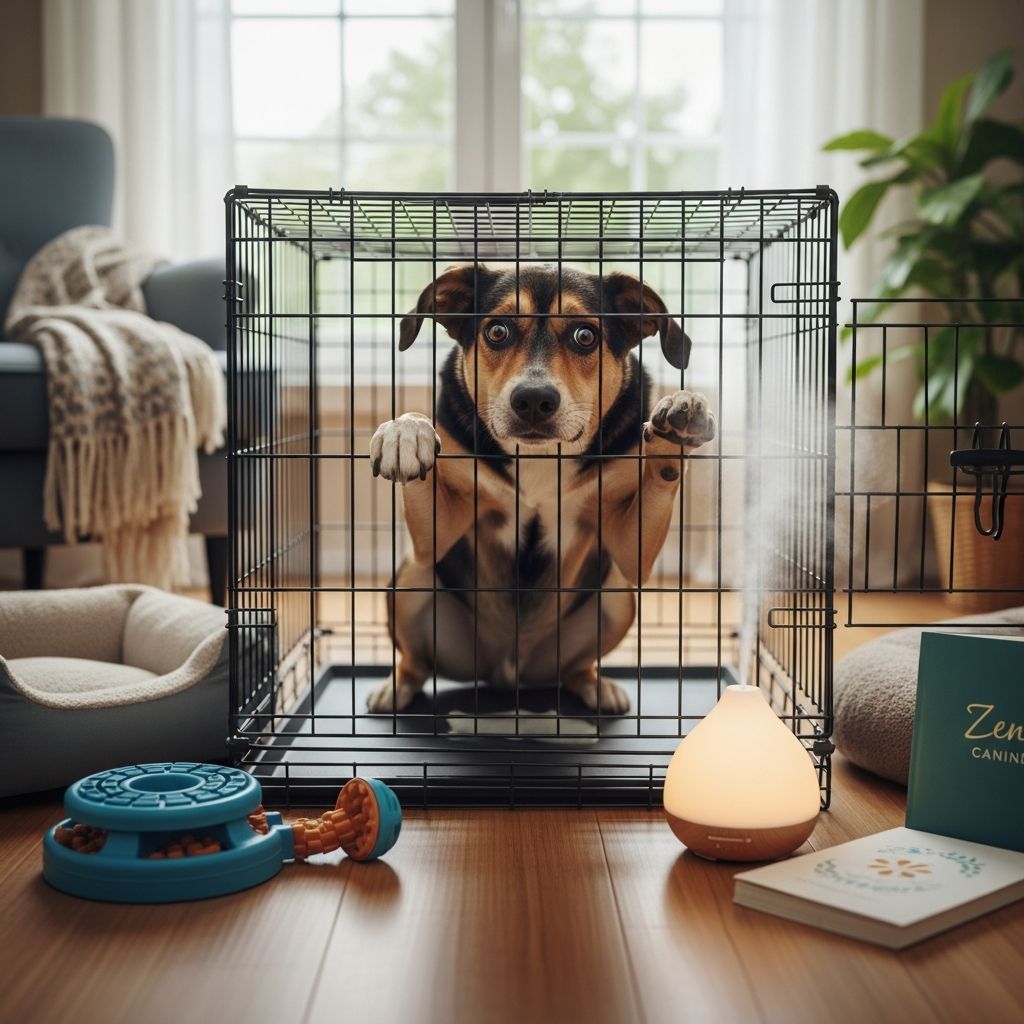
Dogs experiencing intense distress in crates often paw frantically, vocalize loudly, or attempt escape, signaling a need for targeted intervention. Effective solutions build positive associations through gradual exposure and rewards, turning the crate into a secure haven rather than a source of fear.
Understanding Crate-Related Distress in Dogs
Crate panic manifests as excessive whining, scratching, or self-injury attempts when confined, typically stemming from unfamiliarity or negative past experiences. This behavior disrupts household routines and risks physical harm, making early recognition essential for intervention.
Common triggers include isolation anxiety, insufficient acclimation, or crates that feel punitive rather than protective. Puppies, in particular, may view the enclosure as a trap due to their developmental stage, while adult rescues might carry baggage from prior neglect.
- Signs of distress: Persistent barking, drooling, or destructive chewing on crate bars.
- Risk factors: Sudden introductions without preparation or using crates for punishment.
- Benefits of resolution: Enhanced safety during travel, house training acceleration, and reduced separation anxiety.
Selecting the Ideal Crate Setup
Choose a crate matching your dog’s adult size, ensuring they can stand, turn, and lie down comfortably without excess space that encourages soiling. Wire models suit airy preferences, while enclosed plastic ones mimic dens for security-seeking breeds.
Enhance comfort with soft bedding, familiar scents, and strategic placement in high-traffic family areas to foster security. Reinforce structural integrity using zip ties on edges to deter escape attempts proactively.
| Crate Type | Best For | Pros | Cons |
|---|---|---|---|
| Wire | Breeds liking visibility | Ventilated, foldable | Less den-like |
| Plastic | Anxious or denning dogs | Secure, enclosed | Heavier, costlier |
| Soft-sided | Travel, calm dogs | Portable, lightweight | Not chew-proof |
Building Positive First Impressions
Begin introductions in a quiet, low-stress environment with the door propped open. Scatter high-value treats near and inside to encourage voluntary exploration, praising calm entries effusively.
Repeat sessions frequently—10 times daily—for rapid association shifts. Avoid forcing entry, as this amplifies aversion; patience yields willing participation within days.
- Toss treats inside; reward nose touches.
- Progress to head entries, then full body.
- Introduce a cue like “crate” only after consistent self-entry.
Integrating Meals and Rewards
Feed regular meals inside the crate, starting with the door open and progressing to closed. This links confinement with sustenance, a primal positive reinforcer.
Pair with interactive toys like frozen Kongs stuffed with peanut butter or yogurt, extending engagement and solitude tolerance. High-value chews reserved exclusively for crate time deepen the appeal.
Pro Tip: For picky eaters, use puzzle feeders to make meals engaging, gradually increasing door-closed duration post-feeding.
Gradual Confinement and Duration Building
Once comfortable eating inside, close the door briefly while present, rewarding silence. Extend stays incrementally: 1 minute, then 5, 10, up to 30 minutes with you out of sight.
Incorporate movement around the crate before absences, desensitizing to departures. Practice daily, even sans necessity, to solidify skills.
- Session 1-3: Door closed, you nearby (praise quiet moments).
- Session 4-7: Short room exits (return before fussing).
- Advanced: House departures with enrichment toys.
Addressing Persistent Panic Episodes
For dogs escalating to injury risks, reinforce crate seams immediately and cover three sides to simulate a den, reducing stimulation. Never release during outbursts, as this rewards the behavior; wait for a 5-second quiet pause.
Employ counter-conditioning: Pair crate proximity with treats regardless of prior reactions, rebuilding trust systematically. If underlying separation anxiety persists, consult professionals for tailored desensitization.
Overnight Crate Success Strategies
Position the crate in your bedroom initially for auditory reassurance, transitioning to solitude as confidence grows. Last potty breaks before bed minimize discomfort-driven whining.
Expect adjustment periods; puppies under 6 months need frequent night relief. Consistency trumps speed—view regressions as learning opportunities.
Combining Crate Work with Relaxation Cues
Teach “down-stay” inside with open doors under supervision, associating the space with rest. Use this during calm times, perhaps with a desk-side setup for multitasking oversight.
Practice cueing entries from distances, enhancing reliability for travel or emergencies. Multi-location settling (crate to bed) prevents over-dependence on one spot.
Frequently Asked Questions
How long does crate training typically take?
Most dogs adapt in 1-4 weeks with daily practice; severe cases may require months of patience and consistency.
What if my dog injures themselves panicking?
Veterinarily check wounds, reinforce the crate, and revert to basics while monitoring closely.
Can I crate an adult rescue dog?
Yes, but proceed slower, respecting trauma history; positive-only methods are key.
Is crate training suitable for all breeds?
Generally yes, though high-energy breeds benefit from ample exercise prior to sessions.
Should I cover the crate?
Often helpful for den-like security, especially nights or anxious dogs; experiment for preference.
Long-Term Maintenance and Troubleshooting
Once proficient, rotate crate use for naps, meals, and short absences to embed as routine. Monitor for backsliding during life changes like moves or new pets, refreshing basics promptly.
Troubleshoot whining by ruling out needs (potty, thirst), then ignoring until quiet. Track progress in a journal to celebrate milestones and adjust paces.
References
- Crate Training Your Dog or Puppy — Maddie’s Fund. Accessed 2026. https://www.maddiesfund.org/crate-training-your-dog-or-puppy.htm
- How to Crate Train a Puppy or Dog — Best Friends Animal Society. Accessed 2026. https://bestfriends.org/pet-care-resources/how-crate-train-puppy-or-dog
- How to Crate Train Your Dog (and Why You Should!) — Sadie’s Rules K9 Training. 2019-06-29. http://www.sadiesrulesk9training.com/blog-posts/2019/6/29/how-to-crate-train-your-dog-and-why-you-should
- How to Crate Train Your Dog or Puppy — Humane World for Animals. Accessed 2026. https://www.humaneworld.org/en/resources/crate-training-101
- How to Crate Train Your Dog in Nine Easy Steps — American Kennel Club (AKC). Accessed 2026. https://www.akc.org/expert-advice/training/how-to-crate-train-your-dog-in-9-easy-steps/
- 3 Easy Crate Training Tips — Dunbar Academy (YouTube). Accessed 2026. https://www.youtube.com/watch?v=OyNXG0CBgzM
- How To Crate Train Your Dog — PAWS. Accessed 2026. https://www.paws.org/resources/how-to-crate-train-your-dog/
Similar Articles








Read full bio of Sneha Tete


