

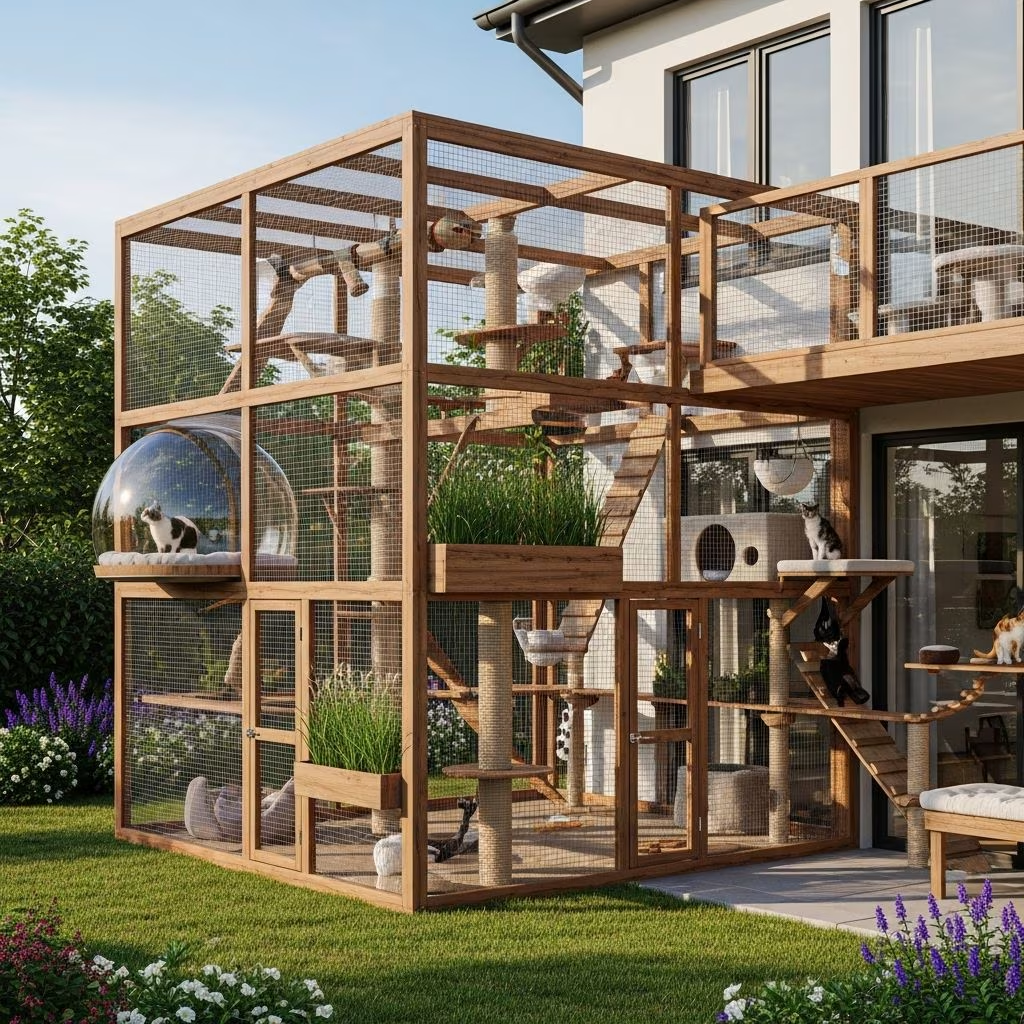
Catios offer cats the thrill of fresh air and nature without the risks of roaming free. These enclosed outdoor spaces protect against predators, traffic, and diseases while allowing felines to climb, pounce, and bask in sunlight. Properly designed catios enhance cat welfare by meeting their needs for exercise, stimulation, and shelter.
Why Every Cat Needs a Catio
Free-roaming cats face high risks: vehicles claim thousands annually, while predators and toxins pose constant threats. A catio confines these dangers, providing a controlled environment for natural behaviors. Veterinary associations endorse enclosures for urban cats, noting reduced injury rates and improved mental health. Indoor-only cats often suffer obesity and boredom; catios combat this with vertical space and hunting opportunities.
Space requirements start at 2 square meters per cat, with 2-meter minimum height, plus tunnels for multi-cat homes. This ensures room for play without overcrowding, even with house access. Active cats thrive in larger setups, while seniors prefer gentle ramps and shaded spots.
Planning Your Catio: Key Considerations
Assess your yard: attach to a window, patio, or build freestanding. Measure available area, check local zoning for permits, and budget $500-$5000 based on size and materials. Sketch dimensions, noting sun exposure, wind patterns, and proximity to house for easy access.
- Cat Profile: Energetic cats need tunnels and heights; calm ones favor lounging shelves.
- Weather: Include shade, rain cover, and windbreaks for year-round use.
- Safety: No toxic woods like treated pine; ensure escape-proof sealing.
Consult hardware experts for structural advice. For attached builds, align with house walls; freestanding needs stable footings.
Selecting Durable Materials
Choose weather-resistant, cat-safe components. Avoid flimsy screens that tear.
| Component | Recommended Materials | Benefits |
|---|---|---|
| Frame | Cedar, redwood, or galvanized pipe | Rot-resistant, non-toxic |
| Mesh | 1×1 PVC-coated wire (critter fencing) | Predator-proof, airy; rejects chicken wire |
| Roof | Polycarbonate panels or corrugated metal | UV protection/light or full weather shield |
| Fasteners | Galvanized bolts, U-nails, staples | Rust-proof, secure hold |
Materials list for a 4.8m x 3.6m attached patio: top plate (200x50mm), 3 posts (100x100mm), 6 rafters (150x50mm), battens, concrete, brackets. Total cost varies by region but emphasizes longevity.
Step-by-Step Construction Guide
Build systematically for stability.
Step 1: Site Preparation
String lines for square layout: parallel to house, perpendicular ends, equal diagonals. Dig 200x200x300mm holes for posts.
Step 2: Foundation and Frame
Set stirrups in concrete footings, align level. Erect posts, add top plate, rafters, braces. Use joist hangers on wall plate. Space posts ≤3m.
Step 3: Enclose and Roof
Attach battens at 450mm centers. Fix mesh tightly, sealing corners and base to prevent squeezes or digs. Install roofing: polycarbonate for light, metal for heavy weather.
Step 4: Access and Entry
Add human/cat doors: pet flaps in windows or secure latched panels. Ensure no gaps >1 inch.
Freestanding options like 4x8x8 lean-to or 10x10x10 use similar frames but independent posts.
Enriching Features for Feline Bliss
A bare enclosure bores cats; add elements mimicking wild habitats.
- Verticality: Shelves 12-16in apart horizontally, 12-18in vertically. Stud-mounted for walls.
- Climbing: Ramps, trees, sisal-wrapped poles for scratching.
- Hiding: Tunnels, boxes, hammocks for security.
- Hunting: Bird feeders outside mesh, catnip planters, toys on strings.
- Comfort: Raised beds, litter zones away from food/sleep (daily clean).
Cat-safe plants: catnip, wheatgrass. Weatherproof sleeping nook elevated, dry litter area.
DIY Plans and Customization Ideas
Downloadable plans offer blueprints: window catios (6ft adjustable), runs (8ft scalable), freestanding 4x10x8. Customize for multi-cat: auxiliary tunnels. Budget builds use pipe/netting; premium add solar lights, perches.
Transform patios: clad pergolas with mesh. Window boxes extend indoors.
Maintenance and Long-Term Care
Inspect mesh yearly for tears, tighten fasteners. Clean litter daily, refresh bedding. Prune plants, check for pests. Winterize with insulated panels if needed.
Monitor cat adjustment: gradual intros prevent stress. Rotate toys for novelty.
Frequently Asked Questions
What size catio suits one cat?
Minimum 2m² floor, 2m height, expandable for play.
Can catios handle harsh weather?
Yes, with proper roofing and shelter; polycarbonate balances light/protection.
Are DIY catios safe?
Secure mesh and no sharp edges ensure safety; test for escapes.
How much does building cost?
$500+ for basic; scales with size/materials.
Do catios prevent all outdoor risks?
They eliminate roaming dangers but include predator-proofing.
Benefits Summary
- Safer than free-roaming.
- Healthier via exercise.
- Enriched environment reduces stress.
References
- Building a cat enclosure attached to an existing structure — Agriculture Victoria. 2023. https://agriculture.vic.gov.au/livestock-and-animals/animal-welfare-victoria/cats/keeping-your-cat-safe-at-home/building-a-cat-enclosure-attached-to-an-existing-structure
- Catios 101: A Guide to Building the Purr-fect Outdoor Space for Your Cat — Marin Humane. 2023. https://marinhumane.org/catios-101-a-guide-to-building-the-purr-fect-outdoor-space-for-your-cat/
- All DIY Catio Plans — The Catio Company. 2025. https://www.thecatiocompany.com/diy-catio-plans
- The Beginner’s Guide to Building a Catio — Roanoke Valley SPCA. 2024. https://rvspca.org/the-beginners-guide-to-building-a-catio/
- DIY Catio Guide: Build Your Own DIY Outdoor Cat Enclosure — Catastrophic Creations. 2024. https://www.catastrophicreations.com/blogs/articles/diy-catio



