

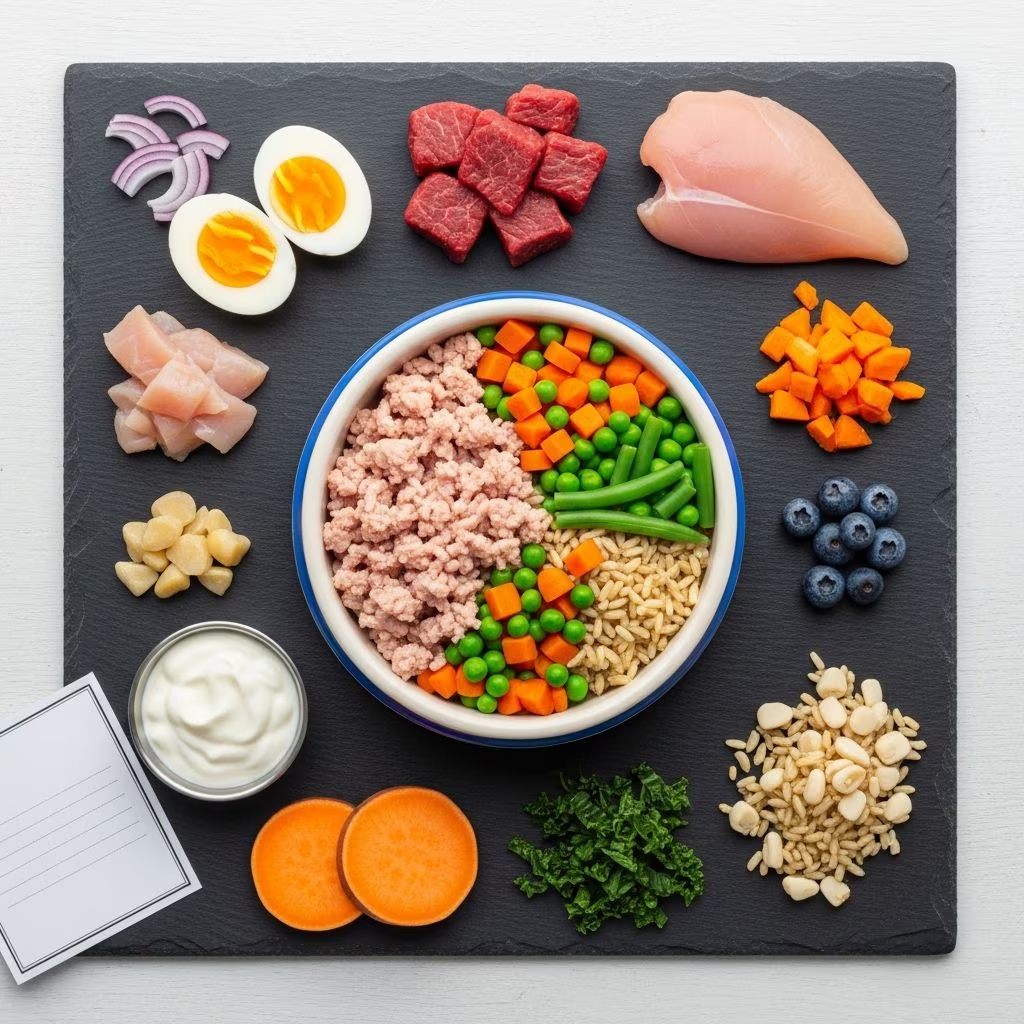
Preparing homemade food for your dog can offer fresh, customizable nutrition tailored to their needs, but success hinges on precise planning to prevent deficiencies and health risks. Studies show most recipes fail to meet canine standards without expert input.
Why Dog Owners Turn to Home-Cooked Diets
Many pet parents choose homemade meals to control ingredients, avoid commercial food allergens, or address specific health issues like allergies or digestive problems. This approach allows incorporation of high-quality proteins, vegetables, and grains suited to individual preferences and conditions. When properly formulated, these diets can improve coat quality, energy levels, and stool consistency in healthy dogs.
Owners often report visible benefits, such as shinier fur in 70% of cases and reduced defecation frequency in nearly half of maintained diets. For dogs with gastrointestinal or skin disorders, balanced homemade plans achieved symptom relief in 94% of instances, highlighting potential for targeted health management.
Critical Risks of Unbalanced Homemade Diets
The primary concern with DIY dog food is nutritional imbalance, as dogs require exact ratios of proteins, fats, carbs, vitamins, and minerals. A UC Davis study analyzed 200 recipes and found 95% lacked at least one essential nutrient, with over 83% missing multiple ones, including choline, vitamin D, zinc, and vitamin E. These gaps can cause immune issues, liver fat buildup, and bone abnormalities.
Even vet-authored recipes often fell short, though less severely; only those by board-certified nutritionists consistently met standards. Rotating recipes under the ‘balance over time’ idea doesn’t fix shared deficiencies across common formulas.
- Calcium-Phosphorus Imbalance: Many diets show ratios as poor as 1:10 versus the ideal 1:1 to 2:1, risking rickets or osteomalacia.
- Vitamin Shortfalls: Frequent lacks in A, D3, E, and others lead to long-term pathologies if below 50% of needs.
- Mineral Gaps: Zinc, manganese, iodine deficiencies common in raw or incomplete mixes.
Raw meat-based diets amplify risks, often high in fat promoting obesity despite coat benefits, and lacking key nutrients without supplements.
Food Safety Hazards in Home Preparation
Beyond nutrition, contamination poses serious threats. Raw ingredients harbor bacteria like Salmonella, E. coli, and Listeria, transmissible to pets and humans, especially vulnerable household members.
Cross-contamination during prep, inadequate cooking, or poor storage heightens foodborne illness risks. Dogs on raw diets shed pathogens in stool, spreading antibiotic-resistant strains. Bones in raw feeds can cause punctures or blockages.
| Risk Factor | Potential Issues | Prevention Tips |
|---|---|---|
| Bacterial Contamination | Salmonella, E. coli outbreaks | Cook thoroughly; use separate utensils |
| Cross-Contamination | Pathogen spread to family | Hygiene stations; hand washing |
| Spoilage | Quick foodborne illness | Refrigerate promptly; freeze batches |
Overcoming Common Pitfalls with Expert Strategies
To mitigate risks, consult board-certified veterinary nutritionists for custom recipes meeting AAFCO or NRC guidelines. They ensure precise supplementation for calcium, phosphorus, and vitamins.
Portion control prevents obesity or malnutrition; calculate based on weight, activity, and health status. Source fresh, high-quality ingredients, avoiding toxins like onions, garlic, grapes, xylitol, avocados, or certain nuts.
Monitor via regular vet checkups, bloodwork, and body condition scoring. For pathological cases, personalized diets under supervision yield dramatic improvements, as seen in pancreatitis or anemia recoveries.
Building a Balanced Recipe Foundation
Start with lean proteins (chicken, turkey, fish) at 40-50% of calories, complex carbs (brown rice, sweet potatoes) for 30-40%, and vegetables/fruits for fiber and micronutrients. Fats from fish oil or eggs support skin health.
Essential supplements include calcium carbonate, multivitamins, and omega-3s. Example daily framework for a 50-lb adult dog (adjust per needs):
- Protein: 1 lb cooked meat/organs
- Carbs: 1.5 cups cooked grains
- Veggies: 1 cup chopped (carrots, spinach)
- Fats/Supps: 1 tsp oil + vet-approved powder
Total around 1000-1200 kcal, split into 2-3 meals. Always verify with professionals.
Pros and Cons at a Glance
| Advantages | Disadvantages |
|---|---|
| Fresh, allergen-free customization | High risk of nutrient deficiencies |
| Potential health improvements | Contamination dangers |
| Stronger owner-pet bond | Time-intensive; costly sourcing |
| Better digestibility in some cases | Requires expert oversight |
Real-World Outcomes and Case Insights
Cancer-diagnosed dogs showed 11% on homemade/raw diets versus 71% on commercial, suggesting possible links to imbalances. Conversely, supervised plans resolved issues like inflammatory bowel disease or nutrient anemias.
Healthy dogs on balanced homemade maintained stable appetite and energy, with bonus perks like softer coats.
Frequently Asked Questions
Is homemade dog food cheaper than kibble?
Initial costs may be higher due to quality ingredients and supplements, but bulk prep can save long-term if balanced correctly.
Can puppies or seniors eat homemade?
Yes, but with tailored formulas; growth phases need higher calcium/vitamins, elders may require joint supports. Vet nutritionist essential.
How do I know if my recipe is balanced?
Use software like BalanceIT or consult specialists; lab analysis of batches confirms nutrient levels.
What if my dog refuses homemade food?
Transition gradually over 7-10 days, mixing with current diet. Enhance palatability with safe toppers.
Are raw diets safer?
No, they carry higher bacterial loads and imbalances without rigorous handling.
Steps to Launch Your Dog’s Homemade Diet Safely
- Schedule vet nutrition consult.
- Get baseline bloodwork.
- Source recipes from certified experts.
- Prep in hygiene-focused kitchen.
- Track weight, stool, energy monthly.
- Reassess quarterly with vet.
With diligence, homemade feeding fosters thriving canine health minus unnecessary risks.
References
- Homemade dog food recipes can be risky business, study finds — University of California, Davis. 2023-01-01. https://www.ucdavis.edu/news/homemade-dog-food-recipes-can-be-risky-business-study-finds
- Food for Thought: Pros and Cons of Homemade Pet Diets — Cupertino Veterinary. 2023-01-01. https://cupertinovet.com/food-for-thought-pros-and-cons-of-homemade-pet-diets/
- Home-prepared dog food: benefits and downsides — Frontiers in Animal Science. 2025-01-01. https://www.frontiersin.org/journals/animal-science/articles/10.3389/fanim.2025.1506003/full
- The Trouble with Homemade Pet Food — Central Kentucky Vet. 2024-10-01. https://centralkentuckyvet.com/2024/10/01/the-trouble-with-homemade-pet-food/
- Homemade Diet as a Paramount for Dogs’ Health — PMC (PubMed Central). 2024-01-01. https://pmc.ncbi.nlm.nih.gov/articles/PMC11435771/
- The Dangers of Homecooked and Raw Diets for Pets — Animal Medical Center New York. 2023-10-25. https://www.amcny.org/blog/2023/10/25/the-dangers-of-homecooked-and-raw-diets-for-pets/
- Raw Pet Food Diets can be Dangerous to You and Your Pet — U.S. Food and Drug Administration (FDA). 2023-01-01. https://www.fda.gov/animal-veterinary/animal-health-literacy/get-facts-raw-pet-food-diets-can-be-dangerous-you-and-your-pet



