

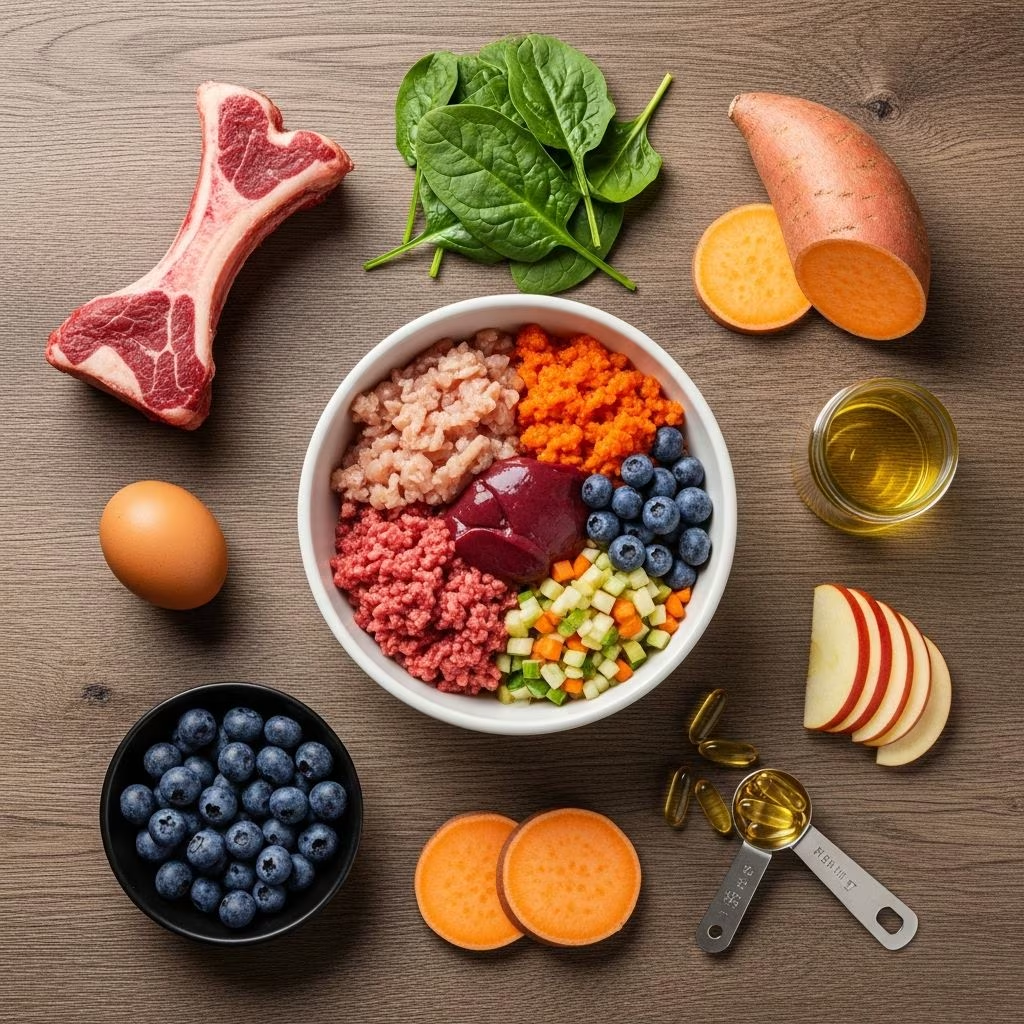
Raw feeding mimics the natural diet of wild canines, offering potential advantages such as enhanced vitality and improved digestion when done correctly. This approach requires careful planning to ensure nutritional completeness and safety.
Understanding the Appeal of Raw Feeding
Dogs evolved as scavengers and hunters, consuming fresh prey including muscle meat, organs, and bones. Modern raw diets aim to replicate this by providing unprocessed foods rich in enzymes, vitamins, and moisture that kibble often lacks. Owners frequently observe tangible improvements after switching.
- Shinier, thicker coats from natural fats and omega-3s.
- Reduced skin allergies and itching due to elimination of grain fillers.
- Cleaner teeth as chewing raw bones scrapes plaque.
- Firmer, smaller stools indicating better nutrient absorption.
- Sustained energy levels supporting active lifestyles.
These outcomes stem from higher bioavailability of nutrients in raw form, though scientific evidence remains largely anecdotal with limited controlled studies.
Core Components of a Nutritious Raw Diet
A well-formulated raw diet follows guidelines like the BARF model (Biologically Appropriate Raw Food), typically comprising 70-80% muscle meat, 10% edible bone, 5-10% organs, and 10% vegetables or fruits for fiber and antioxidants. Precision in ratios prevents deficiencies.
| Component | Percentage | Examples | Nutritional Role |
|---|---|---|---|
| Muscle Meat | 70-80% | Chicken, beef, turkey, fish | Protein for muscle repair, essential amino acids |
| Edible Bone | 10% | Chicken necks, wings, fish frames | Calcium, phosphorus for bone health |
| Organs | 5-10% | Liver (5%), kidney, spleen | Vitamins A, B, iron, taurine |
| Veggies/Fruits | 10% | Leafy greens, berries, carrots | Fiber, antioxidants, vitamins |
Supplements like fish oil for omegas or kelp for iodine may be needed for variety, especially in home-prepared meals.
Step-by-Step Guide to Preparing Raw Meals
Begin by sourcing human-grade meats from reputable butchers or suppliers to minimize contamination risks. Thaw portions in the fridge overnight.
- Select proteins: Rotate beef, poultry, lamb, and fish weekly for nutrient diversity.
- Incorporate bones safely: Use ground or soft poultry bones; avoid weight-bearing beef bones that can fracture teeth.
- Add organs: Limit liver to 5% to prevent vitamin A excess.
- Blend veggies: Puree greens like spinach or kale, adding berries for palatability.
- Portion by weight: Feed 2-3% of adult dog’s ideal body weight daily, split into 2 meals (e.g., 1-2 lbs for a 50-lb dog).
- Batch prep: Mix in food processor, portion into bags, freeze for up to 3 months.
For puppies, increase to 5-10% body weight with higher bone content for growth. Adjust for active, pregnant, or senior dogs via veterinary input.
Navigating Health Risks and Safety Protocols
While appealing, raw diets carry documented hazards, primarily bacterial pathogens and nutritional shortfalls. The FDA warns that raw pet foods often harbor Salmonella and Listeria, posing risks to dogs and households.
- Bacterial threats: Pathogens in raw meat can cause vomiting, diarrhea, or severe illness in vulnerable pets.
- Imbalances: Homemade recipes frequently lack key nutrients, leading to weak bones or anemia.
- Bone dangers: Choking, fractures, or blockages from improper bones.
Mitigate by freezing meat for 3 weeks to kill parasites, washing hands and surfaces post-handling, and using separate utensils. Not suitable for immunocompromised dogs, puppies under 6 months, or those with kidney/liver issues.
Transitioning Your Dog Smoothly
Abrupt changes provoke digestive upset; introduce raw over 7-14 days.
| Day | Current Food | Raw Addition |
|---|---|---|
| 1-3 | 75% | 25% |
| 4-7 | 50% | 50% |
| 8-10 | 25% | 75% |
| 11+ | 0% | 100% |
Monitor for loose stools or lethargy; revert if issues persist. Regular bloodwork ensures balance.
Commercial vs. Homemade: Weighing Options
Commercial raw foods offer convenience and formulation by experts but face similar bacterial risks. Check for AAFCO statements and third-party testing. Homemade allows customization for allergies but demands expertise—consult a veterinary nutritionist.
Costs: Homemade ~$3-5/day for medium dog; commercial $4-7/day.
When Raw Feeding Isn’t Ideal
Contraindications include pancreatitis, cancer, or post-chemo states where high protein strains organs. Elderly or sedentary dogs may need cooked alternatives. Always vet-approve first.
Frequently Asked Questions
Is raw food safe for all dogs?
No, avoid for puppies, seniors, or dogs with health conditions; consult a vet.
How do I know if the diet is balanced?
Use formulation software or a nutritionist; test via blood panels every 6 months.
Can raw diets cause allergies?
Rarely, as they exclude common triggers like grains, but monitor new proteins.
What about bones in raw diets?
Soft, raw only; grind if needed to prevent injury.
How to store raw food safely?
Freeze in portions; thaw in fridge; use within 48 hours.
Long-Term Success Strategies
Sustain benefits through variety, seasonal adjustments, and annual check-ups. Track weight, coat, and energy monthly. Join raw feeding communities for recipes, but verify with pros. With diligence, raw diets can optimize your dog’s well-being while sidestepping pitfalls.
References
- Raw Dog Food: Dietary Concerns, Benefits, and Risks — WebMD. 2023. https://www.webmd.com/pets/dogs/features/raw-dog-food-dietary-concerns-benefits-and-risks
- The Benefits & Risks of Feeding Your Dogs A Raw Food Diet — PetnSur. 2024. https://www.petnsur.co.nz/the-benefits-and-risks-of-feeding-your-dogs-a-raw-food-diet/
- The pros and cons of raw dog food — Petplan. 2023. https://www.petplan.co.uk/dog-insurance/dog-care-and-advice/raw-dog-food.html
- Benefits and Risks of a Raw Dog Food Diet — Wellness Pet Food. 2024. https://www.wellnesspetfood.com/blog/benefits-and-risks-of-a-raw-dog-food-diet/
- Get the Facts! Raw Pet Food Diets can be Dangerous to You and Your Pet — FDA.gov. 2023-01-15. https://www.fda.gov/animal-veterinary/animal-health-literacy/get-facts-raw-pet-food-diets-can-be-dangerous-you-and-your-pet
- Raw diets for dogs and cats: a review — PMC (NCBI). 2019-10-15. https://pmc.ncbi.nlm.nih.gov/articles/PMC6849757/
- Raw Food Diets for Dogs: Potential Risks & Benefits — Purina UK. 2024. https://www.purina.co.uk/articles/dogs/feeding/guides/raw-diets-for-dogs



