

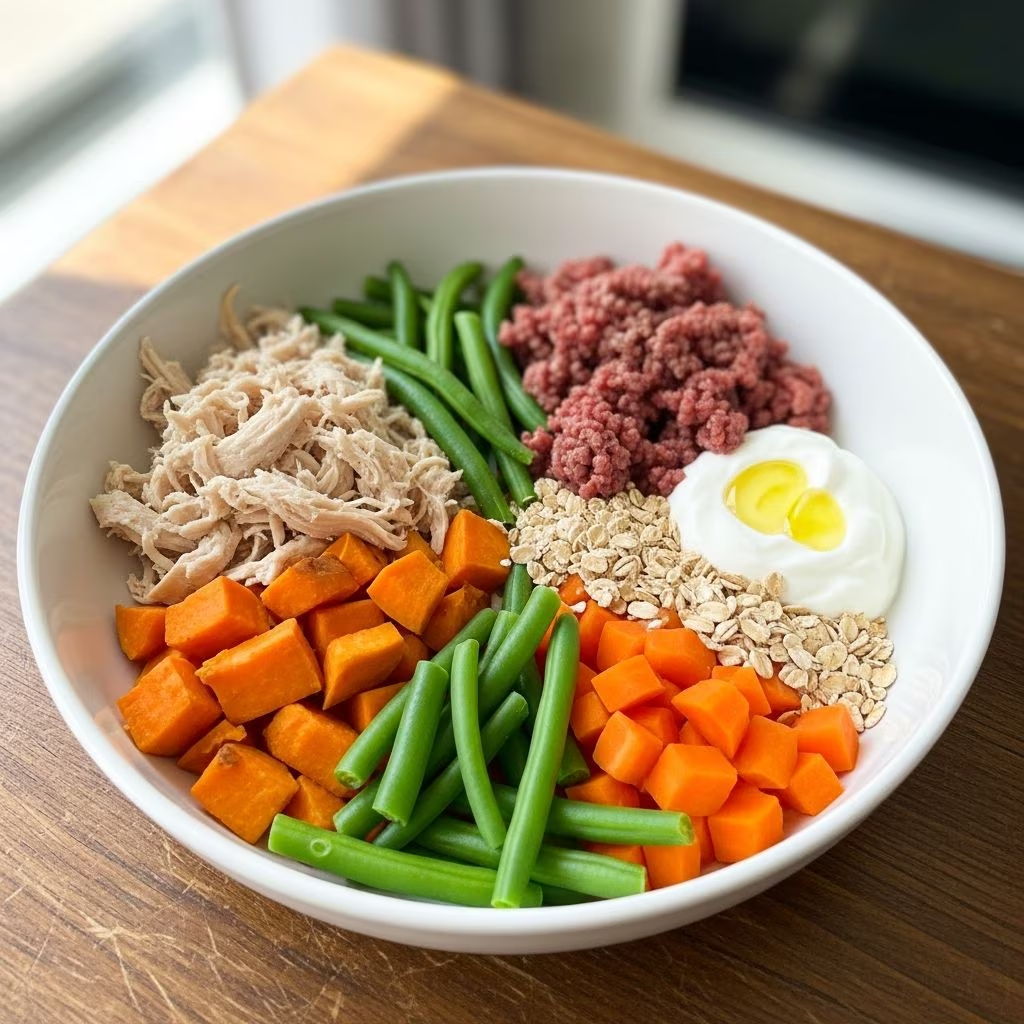
Preparing meals for your dog at home offers a hands-on approach to their nutrition, allowing customization based on individual needs. However, success hinges on understanding canine dietary requirements to prevent deficiencies that could harm health.
Why Consider Homemade Dog Nutrition?
Many pet owners turn to home-prepared diets seeking fresher ingredients and control over what their dogs consume. This method shines for dogs with allergies, sensitivities, or specific health conditions where commercial options fall short. High-quality, fresh components can enhance palatability and support targeted wellness goals like weight control.
- Freshness advantage: Smaller batches mean less preservatives and peak nutrient retention.
- Allergen avoidance: Select ingredients free from common triggers like grains or certain proteins.
- Customization: Tailor calories and nutrients for age, activity, or medical needs.
Studies affirm that properly formulated homemade diets can improve health outcomes, including symptom relief in dogs with chronic issues. Yet, these perks demand rigorous planning.
Critical Risks in Home-Cooked Canine Diets
Nutritional shortfalls represent the primary danger, with research revealing 95% of recipes lacking at least one vital nutrient. Common gaps include calcium, phosphorus, vitamins A, D, E, zinc, and choline, potentially causing bone deformities, immune weakness, liver fat buildup, or muscle issues.
| Nutrient | Role in Dog Health | Deficiency Risks |
|---|---|---|
| Calcium & Phosphorus | Bone and teeth development | Skeletal disorders, rickets in puppies |
| Vitamin D | Calcium absorption | Musculoskeletal abnormalities |
| Vitamin E & Zinc | Immune function, skin health | Weakened immunity, poor coat |
| Choline | Liver function | Fat accumulation in liver |
Imbalanced calcium-to-phosphorus ratios, often inverted in homemade mixes, exacerbate bone problems. Microbial risks from raw meats add bacterial threats like salmonella, per CDC guidelines. Overfeeding high-fat recipes promotes obesity, despite glossy coat benefits. Portion miscalculations further unbalance intake.
Essential Building Blocks for Canine Meals
Dogs thrive as omnivores requiring proteins (22-32% dry matter), fats (10-20%), carbohydrates, vitamins, and minerals in precise ratios. Proteins must supply all essential amino acids from diverse sources like meat, fish, eggs, and legumes. Fats provide energy and absorb fat-soluble vitamins (A, D, E, K).
Carbs from veggies and grains offer fiber for digestion. Key minerals demand exact ratios: calcium:phosphorus at 1:1 to 2:1. Puppies need higher levels for growth; seniors may require joint-supportive additives.
- Proteins: Muscle meats, organs, eggs.
- Fats: Fish oil, chicken fat.
- Veggies/Fruits: Carrots, spinach, blueberries for antioxidants.
- Supplements: Calcium powder, multivitamins if needed.
Step-by-Step Guide to Safe Preparation
Begin with veterinary consultation, ideally a board-certified nutritionist, to craft a recipe matching your dog’s profile. Analyze needs via tools like body condition scoring and bloodwork.
- Calculate daily requirements: Base on weight, activity (e.g., 2-3% body weight daily, split meals).
- Source premium ingredients: Organic meats, fresh produce; avoid toxics like onions, grapes, chocolate.
- Balance precisely: Use software or charts; rotate proteins for completeness.
- Cook safely: Heat to kill pathogens; freeze portions; label with dates.
- Monitor and adjust: Track weight, stool, energy; recheck with vet every 6 months.
Transition gradually over 7-10 days to prevent digestive upset.
Sample Recipes for Different Life Stages
Adult Maintenance Blend (for 50lb dog, ~1000kcal/day)
- 1lb turkey (ground), 0.5lb liver, 1 cup brown rice (cooked), 1 cup carrots (chopped), 0.5 cup spinach, 1 tbsp fish oil, 1 tsp calcium carbonate.
- Combine, bake at 350°F for 30min or simmer; divide into 3 meals.
Nutrient profile approximates AAFCO standards when supplemented.
Puppy Growth Formula
- Increase protein to 30%, add dairy or bone meal for calcium; e.g., 1.5lb chicken, 0.75lb yogurt, oats, peas, kelp powder.
Senior Joint Support Mix
- Lower calories, add glucosamine-rich broths, turmeric; fish, sweet potatoes, green beans.
These are starters—customize via professional input.
Overcoming Common Preparation Hurdles
Time constraints? Batch-prep weekly, freeze in portions. Cost? Bulk buys offset expenses long-term. Knowledge gaps? Free resources from vet schools abound, but verify against standards.
Beware myths: Grain-free doesn’t guarantee superiority and links to heart issues like DCM. Rotation won’t fix chronic deficiencies.
Long-Term Health Monitoring
Regular vet exams catch issues early. Watch for dull coat, lethargy, diarrhea—signs of imbalance. Annual blood panels assess nutrient status.
Frequently Asked Questions
Is homemade dog food cheaper than kibble?
Initially higher, but stabilizes with smart shopping; fresher quality often justifies cost.
Can I feed raw alongside cooked?
Possible, but heightens contamination risks; consult experts.
How do I know if the diet is balanced?
Use formulation software and vet nutritionist review.
What if my dog refuses homemade food?
Enhance with safe toppers like bone broth; gradual intro helps.
Are supplements always necessary?
Often yes, for calcium/vitamins; choose vet-approved.
Final Thoughts on Informed Choices
Homemade feeding empowers owners but requires diligence. With expert guidance, it fosters vibrant health; without, risks loom large. Prioritize balance for your dog’s best life.
References
- Homemade Dog Food Benefits & Risks For Your Pup — We Are The Cure. 2023. https://wearethecure.org/homemade-dog-food-benefits-and-risks/
- Homemade dog food recipes can be risky business, study finds — University of California, Davis. 2016-06-01. https://www.ucdavis.edu/news/homemade-dog-food-recipes-can-be-risky-business-study-finds
- Home-prepared dog food: benefits and downsides — Frontiers in Animal Science. 2025. https://www.frontiersin.org/journals/animal-science/articles/10.3389/fanim.2025.1506003/full
- Pros and Cons of Homemade Pet Food — PetAssure. 2023. https://www.petassure.com/new-newsletters/homemade-pet-food-benefits-risks-and-essential-nutrients/
- Cooking for Your Dog: Do’s & Don’ts — American Kennel Club. 2023. https://www.akc.org/expert-advice/nutrition/cooking-for-your-dog-dos-and-donts/
- Homemade Dog Food: Is It Healthy? — PetMD. 2023. https://www.petmd.com/dog/nutrition/how-make-sure-your-homemade-dog-food-delivers-right-nutrients
- Homemade Diet as a Paramount for Dogs’ Health — PMC (PubMed Central). 2024. https://pmc.ncbi.nlm.nih.gov/articles/PMC11435771/



