

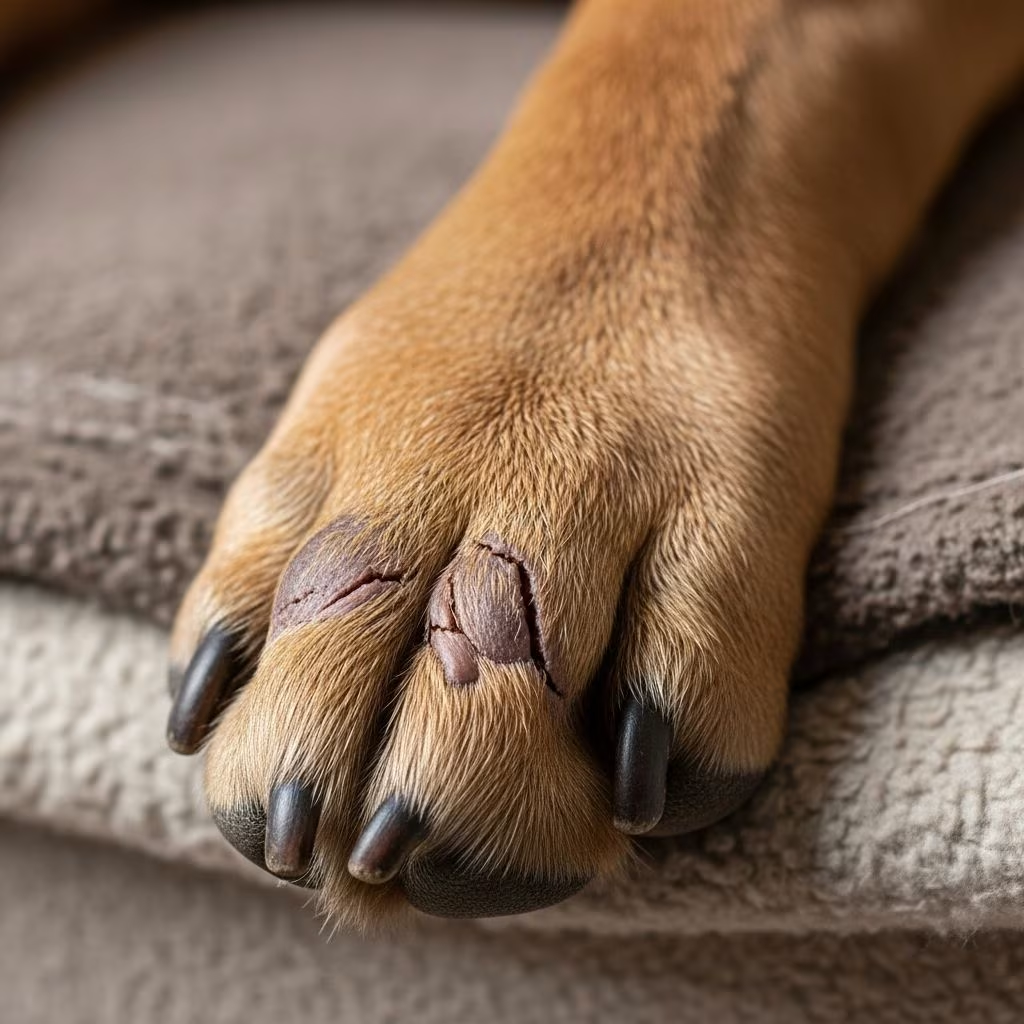
Cracked dog paws are a common issue that can cause discomfort, pain, and even infection if left untreated. Paw pads serve as a dog’s primary protection against rough surfaces, extreme temperatures, and irritants, but they can become dry, cracked, or split due to environmental factors, injuries, allergies, or underlying health conditions. Recognizing the signs early and understanding the **causes of cracked dog paws** is essential for effective treatment and prevention. This guide covers symptoms, when to see a vet, home remedies, professional treatments, and proactive steps to maintain healthy paws.
Symptoms of Cracked Dog Paws
Dogs can’t verbally express paw pain, so owners must watch for behavioral and physical signs. Common symptoms include:
- Swelling and redness: The paw pad or tissue between toes may appear inflamed or swollen.
- Excessive licking or chewing: Dogs instinctively soothe irritated paws by licking, which can worsen cracks.
- Limping or reluctance to walk: Pain from deep cracks leads to favoring one paw or avoiding weight-bearing.
- Bleeding or open wounds: Split pads can bleed, especially if torn.
- Brown salivary staining: Rust-colored fur from repeated licking indicates ongoing irritation.
- Changes in behavior: Reduced activity, vocalizing, or appetite loss due to discomfort.
Superficial dryness might not bother your dog, but deeper fissures or networks of cracks require attention to prevent infection.
Causes of Cracked Dog Paws
Cracked paws stem from a mix of external and internal factors. Here’s a breakdown:
Environmental and Lifestyle Factors
- Rough surfaces: Running on concrete, rocks, or hot pavement wears down pads, leading to cracks.
- Extreme weather: Hot asphalt blisters pads; cold and de-icing salts dry them out.
- Irritants and chemicals: Ice melt, fertilizers, floor cleaners burn or inflame pads.
Health and Nutritional Issues
- Allergies: Environmental or food allergies cause itching, excessive licking, and secondary cracks or infections.
- Nutritional deficiencies: Low protein reduces keratin; zinc deficiency leads to dry pads, hair loss, and lethargy.
- Hyperkeratosis: Excessive keratin buildup thickens pads, making them prone to cracking, common in seniors or due to genetics, infections, or disease.
- Autoimmune diseases: Conditions like pemphigus foliaceus attack skin, causing blisters and cracks.
- Liver disease: Impairs protein production and nutrient absorption, leading to non-healing lesions.
- Hormonal imbalances: Cushing’s or hypothyroidism cause chronic dryness.
| Cause Category | Examples | Common Symptoms |
|---|---|---|
| Environmental | Rough terrain, chemicals, weather | Wear, irritation, dryness |
| Allergies/Nutrition | Pollen, zinc deficiency | Itching, licking, hair loss |
| Medical | Hyperkeratosis, liver disease | Thickening, non-healing wounds |
When to See a Vet for Cracked Dog Paws
Not all cracks need professional care, but seek a vet if:
- Your dog limps, refuses to bear weight, or shows pain.
- Pads are bleeding, ulcerated, deeply fissured, or infected (pus, foul odor).
- Symptoms persist despite home care or accompany systemic signs like lethargy.
- Cracks form a network or don’t heal in 1-2 weeks.
Early vet intervention prevents complications like bacterial or yeast infections from licking.
Treatment for Cracked Dog Paws
Veterinary Treatments
Vets tailor treatment to the cause:
- Antibiotics: Oral cephalexin, injectable Convenia, or topical mupirocin for infections.
- Pain relief: NSAIDs like carprofen or tramadol.
- Allergy management: Omega-3s, Apoquel, or Cytopoint injections.
- Cleaning: Wound cleansers, medicated wipes, or mousses.
- Protective cone: Prevents licking off meds.
For hyperkeratosis or autoimmune issues, trimming excess keratin or steroids may be needed.
Home Remedies and Care
For mild cases:
- Clean gently: Rinse with cool water or saline; pat dry.
- Moisturize: Apply dog-safe balms like Musher’s Secret, coconut oil, or shea butter 2-3 times daily. Avoid human lotions.
- Protect: Use paw wax, boots, or socks during walks.
- Limit activity: Short walks on soft grass; avoid rough/hot surfaces.
- Soak if needed: Epsom salt soaks for swelling (vet-approved).
Monitor progress; switch to vet care if no improvement in 3-5 days.
Prevention of Cracked Dog Paws
Proactive steps keep paws resilient:
- Regular moisturizing: Weekly balm applications, especially in dry/cold seasons.
- Paw checks: Inspect after walks; trim nails monthly.
- Balanced diet: Ensure adequate protein, zinc, omega fatty acids via quality food/supplements.
- Seasonal protection: Boots for snow/heat; rinse chemicals immediately.
- Allergy control: Hypoallergenic diets, flea prevention, regular baths.
For breeds prone to hyperkeratosis (e.g., seniors, Irish Terriers), routine trimming prevents cracks.
Frequently Asked Questions (FAQs)
Can cracked dog paws heal on their own?
Mild cracks may heal with moisturizing and rest, but monitor for infection. Deep ones need treatment.
Is coconut oil safe for dog paws?
Yes, in moderation; it soothes dryness but use sparingly to avoid slipperiness or ingestion issues.
What if my dog keeps licking cracked paws?
Use a cone or boot; address underlying allergies or irritation with vet help.
Are cracked paws a sign of something serious?
Often environmental, but persistent cases may indicate allergies, nutrition gaps, or diseases like liver issues.
How can I prevent cracks in winter?
Wipe paws after walks to remove salts, apply wax, and use booties.
References
- Cracked Dog Paws: Causes, Treatment, and Prevention — ToeGrips. 2023. https://toegrips.com/cracked-dog-paws/
- Cracked Dog Paws? Common Causes and How to Care for Them — PetMD. 2024. https://www.petmd.com/dog/general-health/cracked-dog-paws
- Cracked Dog Paws: Causes and Treatment — Chewy. 2024. https://www.chewy.com/education/dog/health-and-wellness/solutions-for-caring-for-cracked-dog-paw
- Cracked Dog Paws: Causes & Treatments — Dutch. 2024. https://www.dutch.com/blogs/dogs/cracked-dog-paws
- Dry and Cracked Dog Paws: How to Soothe and Treat? — MyWaggle. 2023. https://mywaggle.com/blogs/pet-health/dry-and-cracked-dog-paws



