

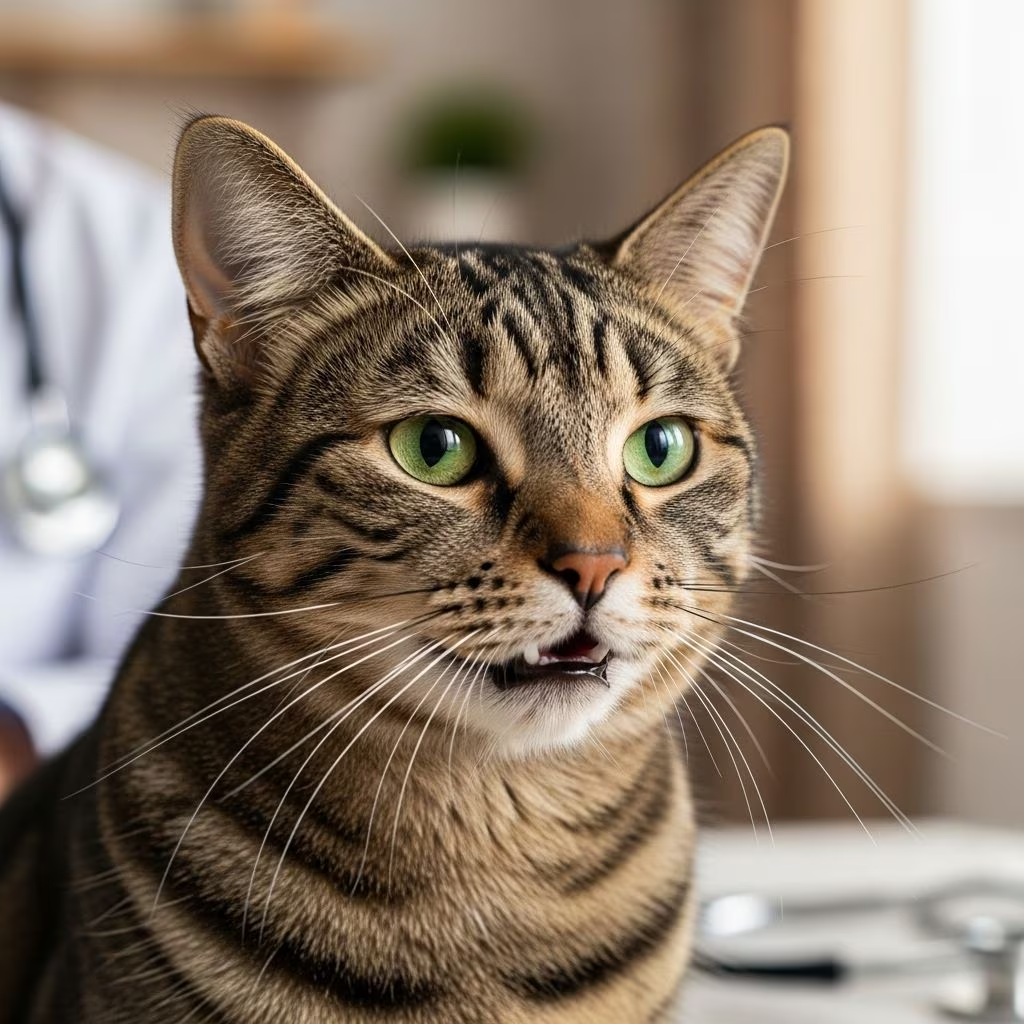
Coughing in Cats: Causes, Diagnosis, and Treatment
Coughing in cats can be alarming for pet owners, but understanding the underlying causes can help you determine when veterinary care is necessary. A cough is a natural reflex that helps clear the airways of irritants, mucus, or foreign material. However, when coughing becomes persistent or is accompanied by other symptoms, it may indicate an underlying health condition that requires professional evaluation. This comprehensive guide explores the various causes of feline coughing, diagnostic procedures, and available treatment options to help you better understand and care for your cat.
Understanding Feline Coughing
Coughing in cats is less common than in dogs, which sometimes makes cat owners more concerned when they notice their feline companion coughing. When a cat coughs, it’s the body’s way of responding to irritation or obstruction in the respiratory tract. The cough reflex helps expel mucus, pathogens, or foreign objects from the airways. While occasional coughing may not be cause for immediate concern, persistent coughing lasting more than a few days warrants a veterinary examination.
Cats can develop two main types of coughs: dry coughs and wet coughs. A dry cough is often hacking or nonproductive, while a wet or productive cough involves the expulsion of mucus or phlegm. Understanding which type of cough your cat has can provide valuable information to your veterinarian during diagnosis.
Common Causes of Cat Coughing
Respiratory Infections
Respiratory infections are among the most common causes of coughing in cats. These infections can be viral, bacterial, or fungal in nature. Upper respiratory infections frequently affect cats and are often caused by feline herpesvirus or calicivirus. These viruses inflame the airways and lead to congestion and mucus buildup, triggering persistent coughing. Cats with upper respiratory infections may also display sneezing, nasal discharge, and eye irritation.
Lower respiratory tract infections can be more serious and may develop into pneumonia. Pneumonia in cats causes deep, productive coughs accompanied by fever, lethargy, and difficulty breathing. Bacterial infections such as Bordetella bronchiseptica can also cause a persistent cough that sounds like a honk due to irritation and inflammation in the trachea and upper airways. Prompt veterinary evaluation is necessary to determine the appropriate treatment, which may include antibiotics, antivirals, or supportive care.
Feline Asthma
Feline asthma is a chronic respiratory condition characterized by inflammation and narrowing of the airways, making breathing difficult for affected cats. This condition causes dry, spasmodic coughing fits, often without significant mucus production. Cats with asthma may cough in episodes, particularly after exertion or exposure to environmental triggers such as dust, smoke, or strong fragrances.
Asthmatic coughing is frequently accompanied by wheezing, open-mouth breathing, and labored inhalation. Some cats may also display signs of respiratory distress. Although feline asthma cannot be cured, numerous treatment options are available, including inhalers, injections, and oral medications that help reduce inflammation and dilate airways, allowing cats to breathe more comfortably. Allergen testing is often recommended to identify and minimize exposure to specific triggers.
Parasitic Infections
Parasitic infections, particularly lungworms and heartworms, can cause persistent coughing in cats. While heartworms are more commonly associated with dogs, cats can also be infected, resulting in a condition known as heartworm-associated respiratory disease (HARD). Parasites affect the respiratory system, leading to inflammation and irritation in the airways.
Cats infected with parasites may display coughing, lethargy, and breathing difficulties. Since parasite-related coughing can mimic other respiratory conditions, diagnostic testing is essential for accurate diagnosis. Preventative medications can help protect cats from these infections, so discussing parasite prevention options with your veterinarian is important for long-term feline health.
Pleural Effusion
Pleural effusion is a condition involving fluid accumulation in the space around the lungs, making it difficult for cats to breathe and often leading to coughing. Heart failure, infections, or tumors can cause this condition. The fluid buildup reduces lung capacity, forcing the cat to cough to increase air intake and relieve discomfort. This is considered a more serious condition requiring prompt veterinary attention.
Inhaled Irritants and Allergies
Cats are sensitive to airborne irritants and allergens in their environment. Common irritants include smoke, dust, cleaning chemicals, and perfumes. When exposed to these substances, a cat may develop an allergic reaction, leading to coughing, sneezing, or watery eyes. Seasonal allergies can also contribute to respiratory irritation, particularly in cats with existing sensitivities.
If your cat’s coughing coincides with environmental changes or you’ve recently introduced new products into your home, allergens or irritants may be the culprit. Identifying and removing the source of irritation is often an effective first step in managing allergy-related coughing.
Trauma to the Respiratory Tract
Trauma to the throat or chest area can lead to coughing as part of the body’s response to injury. This might include anything from a hit to a fall. Such incidents can cause swelling or bruising of the respiratory tract, which irritates the area and triggers a cough reflex. While some cases may resolve on their own, significant trauma requires veterinary evaluation to rule out serious complications.
Congestive Heart Failure
Congestive heart failure can cause coughing in cats as fluid accumulates in or around the lungs. Signs of congestive heart failure include shortness of breath, coughing, or wheezing. If your cat is struggling to breathe, it’s time to see your veterinarian. Heart failure can be diagnosed using ultrasound or electrocardiogram.
Pneumonia
Pneumonia in cats is one of the more severe causes of feline coughing and requires prompt attention and urgent treatment. This condition can develop as a secondary infection following an upper respiratory infection or as a primary condition. Pneumonia in cats can be diagnosed with X-rays and may respond to antibiotics and other therapies. Severe cases may require hospitalization and supportive care.
Symptoms and Associated Signs
Understanding the symptoms associated with cat coughing can help you determine the urgency of veterinary care. The following signs often accompany persistent coughing:
Cat Coughing and Sneezing
Concurrent sneezing and coughing are often signs of a respiratory infection, possibly viral or bacterial. This combination suggests that both the upper and lower respiratory tracts are affected. The presence of these symptoms often points to widespread inflammation or infection, such as feline herpesvirus or calicivirus. Other associated symptoms may include nasal discharge, eye irritation, and lethargy.
Cat Coughing and Wheezing
Cat coughing and wheezing may indicate asthma or severe allergic reactions, highlighting the need for immediate veterinary attention to manage breathing difficulties. Wheezing, in particular, suggests a constriction or obstruction in the airways, which can be acute and life-threatening if not addressed quickly. This symptom combination requires urgent evaluation.
Diagnostic Procedures
When you bring your cat to the veterinarian for evaluation of persistent coughing, several diagnostic procedures may be performed to identify the underlying cause. Your veterinarian will begin with a thorough physical examination and detailed medical history. During the examination, the vet will listen to your cat’s lungs and heart using a stethoscope to detect any abnormal sounds.
Diagnostic imaging such as chest X-rays may be recommended to visualize the lungs and identify any abnormalities, fluid accumulation, or signs of pneumonia. For cats suspected of having heart disease, an ultrasound or electrocardiogram (EKG) may be performed to assess cardiac function. Blood tests may also be conducted to rule out infections or other systemic conditions. In some cases, a tracheal wash or bronchoalveolar lavage may be performed to collect samples for microscopic examination and culture.
Treatment Options for Cat Coughing
Treatment for cat coughing depends significantly on the underlying diagnosis and your cat’s overall medical condition. Your veterinarian will recommend appropriate treatment options tailored to your cat’s specific situation. It is important not to attempt to treat your cat without the guidance of a veterinarian, as inappropriate treatment could delay diagnosis and worsen the condition.
Symptomatic Treatment
For mild cases of coughing, symptomatic treatment with decongestant medicines may be helpful. These medications can help relieve congestion and make breathing easier. Cough suppressants may also be prescribed to reduce the frequency and intensity of coughing episodes, providing comfort while the underlying condition resolves.
Antibiotic and Antiviral Therapy
Antibiotics may be used for bacterial infections, while antiviral medications may be prescribed for viral respiratory infections. The specific antibiotic or antiviral chosen will depend on the identified pathogen and your cat’s medical history. It’s important to complete the full course of prescribed medication, even if your cat appears to improve.
Anti-inflammatory Medications
Anti-inflammatory drugs may be used to suppress inflammation, particularly if there is an allergic basis and the allergen cannot be found and removed from the cat’s environment. These medications can help reduce airway inflammation and improve breathing. Corticosteroids are commonly used for managing feline asthma and allergic coughing.
Asthma Management
For cats with feline asthma, bronchodilators and corticosteroids are frequently prescribed to reduce inflammation and dilate airways, providing significant relief. Many cats respond well to inhaled medications delivered via a specialized aerosol chamber designed for feline use. These treatments can help reduce the frequency and severity of asthma attacks and improve overall quality of life.
Supportive Care and Supplements
Targeted supplements may be helpful for cats with chronic coughing, as they can improve mucous membrane repair or act as immune stimulants. Providing supportive care such as ensuring adequate hydration, maintaining a comfortable environment, and minimizing stress can contribute to recovery. Rest is particularly important during the healing process.
Advanced Treatments
In the case of certain types of cancer or severe chronic conditions, more intensive therapies such as chemotherapy may be an option. For cats with foreign body inhalation, removal under sedation may be necessary to restore normal breathing.
Chronic Coughing Considerations
If coughing is a chronic problem that has been present for one to two months, there may be permanent damage to the mucous membrane surfaces in the lungs such that they cannot heal completely. In these cases, respiratory infections may be prolonged and recurrent. Long-term management strategies become increasingly important for maintaining your cat’s comfort and quality of life. Working closely with your veterinarian to develop a comprehensive management plan is essential for cats with chronic respiratory conditions.
When to Seek Emergency Veterinary Care
While not all coughing requires emergency care, certain situations demand immediate veterinary attention. You should seek emergency care if your cat exhibits severe difficulty breathing, gasping for air, or signs of respiratory distress. Additionally, if your cat is coughing up blood, appears lethargic or unresponsive, or shows signs of choking, emergency evaluation is warranted. Persistent coughing lasting more than a few days, wet productive coughs with significant phlegm, or coughing accompanied by severe wheezing also require prompt veterinary attention.
Preventive Measures
While not all respiratory conditions can be prevented, certain measures can help reduce your cat’s risk of developing coughing. Keeping your cat up-to-date on vaccinations provides protection against common viral respiratory infections, including feline flu. Maintaining a clean living environment free of smoke, strong cleaning chemicals, and other airborne irritants can help prevent allergy-related coughing.
Implementing a parasite prevention program as recommended by your veterinarian can protect your cat from lungworms and heartworms. Regular veterinary check-ups allow early detection of developing health conditions before they progress to more serious stages. Managing your cat’s overall health through proper nutrition, regular exercise, and stress reduction contributes to a strong immune system and respiratory health.
Frequently Asked Questions
Q: Is cat coughing contagious to other cats?
A: This depends on the underlying cause. Viral and bacterial respiratory infections can be contagious between cats, while asthma, allergies, and other non-infectious causes are not contagious. If your cat has a respiratory infection, isolate them from other cats until your veterinarian confirms recovery.
Q: Can indoor cats get respiratory infections?
A: Yes, indoor cats can develop respiratory infections. Viruses and bacteria can be introduced into the home through contaminated objects, on clothing, or through contact with infected animals. Additionally, indoor cats may develop asthma or allergies related to environmental factors within the home.
Q: How long does it take for respiratory infections in cats to resolve?
A: The duration depends on the type and severity of infection. Mild upper respiratory infections may resolve within 7-10 days with appropriate treatment, while more severe infections or pneumonia may require several weeks of treatment and recovery.
Q: Can I use human cough medicine for my cat?
A: No, you should never give your cat human medications without explicit veterinary approval. Many human cough medicines contain ingredients that are toxic to cats. Always consult your veterinarian before administering any medication to your cat.
Q: What should I do if my cat is coughing at night?
A: Nighttime coughing can be related to changes in position or increased mucus drainage when lying down. Ensure your cat has a comfortable, elevated resting area and monitor the frequency of coughing. If nighttime coughing is persistent, contact your veterinarian for evaluation.
Q: Can stress cause coughing in cats?
A: While stress alone doesn’t directly cause coughing, it can weaken the immune system and make cats more susceptible to respiratory infections. Additionally, stress may exacerbate existing asthma or allergies, leading to increased coughing episodes.
Q: Is it normal for cats to cough occasionally?
A: Occasional coughing, such as once or twice a month, may be normal as cats clear their airways. However, if coughing becomes more frequent, persistent, or is accompanied by other symptoms, veterinary evaluation is recommended to rule out underlying conditions.
References
- Coughing in Cats — VCA Animal Hospitals. 2025. https://vcahospitals.com/know-your-pet/coughing-in-cats
- Coughing in Cats: Causes & Treatment — UrgentVet. 2025. https://urgentvet.com/coughing-in-cats/
- Cat Coughing Causes — West Loop Veterinary Care. 2025. https://westloopvet.com/blog/cat-coughing/
- Common Causes of Coughing in Cats — East Orlando Animal Hospital. 2022. https://www.eoah.com/site/blog/2022/06/15/common-causes-coughing-cats
- Cat Coughing: Symptoms & When to Take Action — Purina. 2025. https://www.purina.com/articles/cat/health/symptoms/coughing
- Coughing in Cats – Maddie’s Fund — Maddie’s Fund. 2025. https://www.maddiesfund.org/kb-coughing-in-cats.htm
- Why Is My Cat Coughing? Emergency Signs & Fast Action Steps — Golden State Veterinary Specialists. 2025. https://gsvs.org/blog/why-cat-coughing-emergency/



