

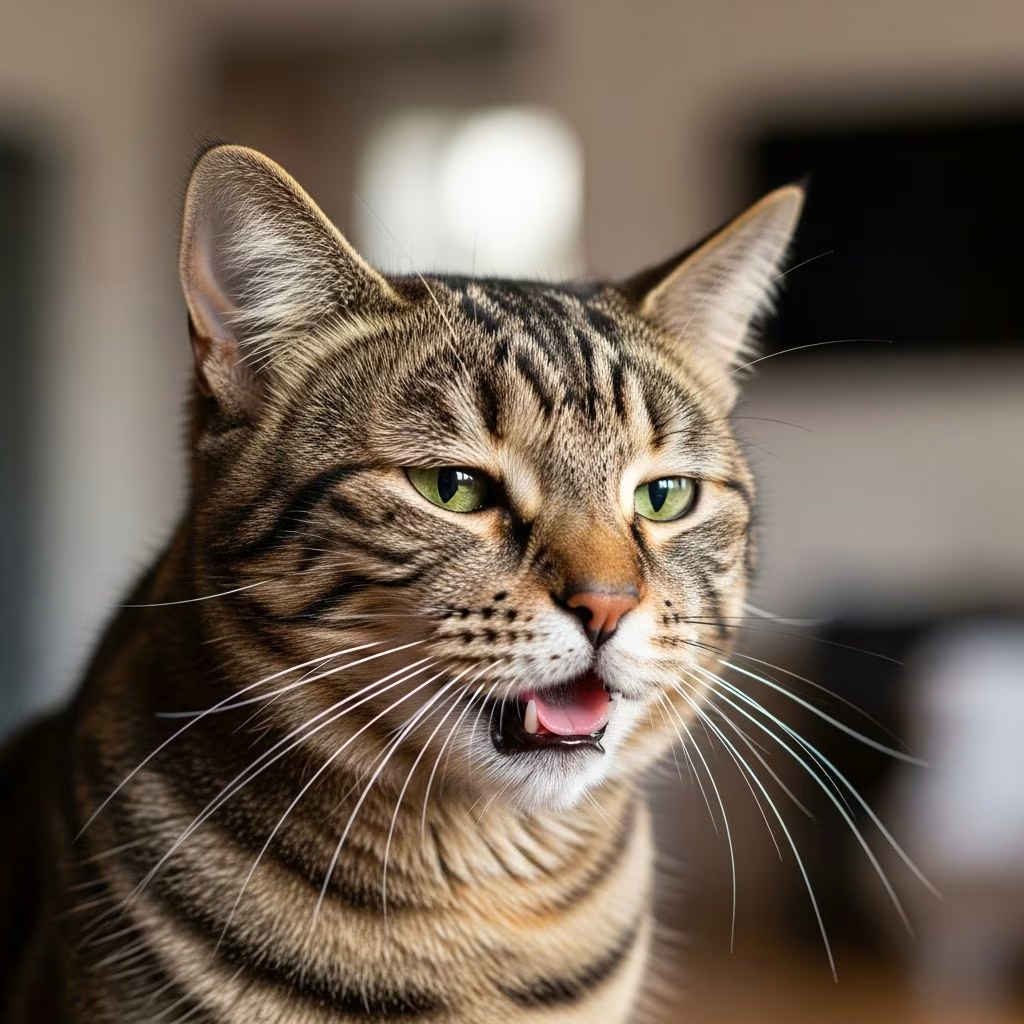
Understanding Coughing in Cats
Coughing in cats is typically a sign of an inflammatory problem affecting the lower respiratory tract, particularly some form of bronchitis. While occasional coughing may seem minor, persistent or frequent coughing warrants veterinary attention as it can indicate various underlying health conditions ranging from mild irritations to serious medical emergencies. Unlike humans who cough regularly for various reasons, cats rarely cough, making any instance worth investigating.
When your cat develops a cough, it’s the body’s way of attempting to clear irritants, mucus, or foreign materials from the airway. Understanding the potential causes and associated symptoms is essential for cat owners to determine when professional veterinary care is necessary.
What Causes Cats to Cough?
In cats, coughing is usually a sign of an inflammatory problem affecting the lower respiratory tract, especially some form of bronchitis. This inflammation is often due to an infection, particularly with viruses such as feline viral rhinotracheitis or bacteria such as Bordetella. The causes of cat coughing are diverse and can range from temporary irritations to chronic conditions requiring ongoing management.
Respiratory Infections
One of the most common causes of cat coughing is respiratory infections. These can include viral infections like feline herpesvirus and calicivirus, or bacterial infections such as Bordetella bronchiseptica. Cats can contract these infections from other animals or from the environment. Symptoms often include coughing, sneezing, nasal discharge, and fever. Respiratory infections irritate the respiratory tract, leading to coughing, which helps clear mucus and pathogens. Infections like feline calicivirus or herpesvirus can particularly affect the upper respiratory tract, while others may impact lower areas, causing deeper, more severe coughs.
Kittens and older cats are particularly vulnerable to respiratory infections, as are cats with compromised immune systems. Vaccinated cats have a significantly lower risk of contracting feline flu and other preventable viral respiratory infections.
Feline Asthma and Allergies
Feline asthma, also known as allergic bronchitis, is another frequent cause of coughing in cats. This condition occurs when a cat’s airways become inflamed due to allergens such as pollen, dust, mold, or other environmental irritants. Symptoms of asthma include coughing, wheezing, and difficulty breathing. In some cases, asthma can be life-threatening, so it’s essential to monitor your cat’s condition closely.
Asthma in cats typically presents as a dry cough, where inflamed airways lead to spasmodic coughing fits without much mucus production. Although feline asthma can’t be cured, there are many treatments available, including inhalers, injections, and pills. These won’t make the underlying condition disappear but can help a cat breathe normally again and potentially lessen the frequency and severity of the attacks. Allergen testing is often recommended to narrow down the list of possible allergy triggers.
Heart Disease
Heart disease in cats can also lead to coughing. Conditions like hypertrophic cardiomyopathy, which affects the heart muscle, can cause fluid buildup in the lungs, leading to coughing and difficulty breathing. This condition is known as pleural effusion, where fluid accumulates in the space around the lungs, making it difficult for cats to breathe and often leading to a cough. Heart failure, infections, or tumors can cause pleural effusion. The fluid buildup reduces lung capacity, forcing the cat to cough to increase air intake and relieve discomfort.
Other symptoms of heart disease may include lethargy, loss of appetite, and weight loss. Signs of congestive heart failure in cats include shortness of breath, coughing, or wheezing. If your cat is struggling to breathe, it’s time to see your veterinarian immediately. Heart failure can be diagnosed using ultrasound or electrocardiogram.
Lung Parasites
Parasites such as lungworms can infect a cat’s respiratory system, leading to coughing. These parasites are typically contracted through contact with infected animals or contaminated environments. In addition to coughing, infected cats may experience weight loss, lethargy, and decreased appetite. Cats that spend time outdoors are at increased risk for parasitic infections.
Foreign Body Aspiration
Inhaling foreign objects like dust, small toys, or other irritants can trigger a dry cough as the cat’s body attempts to expel these items from the airway. In cases of foreign body inhalation, removal under sedation may be necessary to prevent serious complications.
Fungal Lung Infections
Cats that spend time outdoors are at an increased risk for fungal infections, which can lead to coughing and other symptoms. Fungal infections are typically easy to treat when diagnosed early. These infections require specific antifungal medications and veterinary supervision.
Pneumonia
Feline pneumonia is one of the more severe causes of cat coughing. Pneumonia in cats can be diagnosed with X-rays and may respond to antibiotics and other therapies. Cough caused by pneumonia usually sounds wet or crackly, indicating mucus or fluid in the lungs. This condition requires prompt attention and urgent treatment.
Trauma
Trauma to the throat or chest area can lead to coughing as part of the body’s response to injury. This might include anything from a hit to a fall. Such incidents can cause swelling or bruising of the respiratory tract, which irritates the area and triggers a cough reflex.
Other Causes
Other potential causes of coughing in cats include hairballs, which typically resolve naturally, though increased frequency may warrant veterinary evaluation. Additionally, feline leukemia can cause coughing as part of its systemic effects on the body, and heartworm disease, though less common in cats than in dogs, can still cause coughing and respiratory distress.
Recognizing Symptoms and Associated Signs
Understanding the different presentations of cat coughing can help owners identify when veterinary care is needed. The type of cough and accompanying symptoms provide vital clues to veterinarians during diagnosis.
Persistent Coughing
Similar to the cough seen in other species, affected cats will exhibit a strong, persistent cough that can sound like a “honk.” This is due to irritation and inflammation in the trachea and upper airways. If your cat displays a persistent cough lasting more than a few days, immediate veterinary attention is recommended.
Coughing and Sneezing
Concurrent sneezing and coughing are often signs of a respiratory infection, possibly viral or bacterial. This combination suggests that both the upper and lower respiratory tracts are affected. The presence of these symptoms often points to widespread inflammation or infection, such as feline herpesvirus or calicivirus, which require targeted treatments to manage symptoms and underlying causes. Cats may also show signs of upper respiratory tract infections, such as sneezing and nasal discharge, commonly associated with Bordetella bronchiseptica infection in cats.
Coughing and Wheezing
Cat coughing and wheezing may indicate asthma or severe allergic reactions, highlighting the need for immediate veterinary attention to manage breathing difficulties. Wheezing, in particular, suggests a constriction or obstruction in the airways, which can be acute and life-threatening if not addressed quickly. Cat asthma can often be managed with medications that reduce inflammation and dilate airways, providing significant relief.
Wet Cough with Discharge
A wet or productive cough with phlegm or discharge is typically more concerning than a dry cough and may indicate pneumonia, fungal infection, or severe respiratory inflammation. Any cough accompanied by nasal or ocular discharge warrants prompt veterinary evaluation.
When to Seek Veterinary Care
While not every cough requires emergency attention, certain circumstances demand immediate veterinary care. You should seek immediate care for persistent coughing lasting more than a few days, wet productive coughs with phlegm, coughing accompanied by wheezing or difficulty breathing, or any cough accompanied by blood or unusual discharge.
Additionally, if your cat shows signs of respiratory distress, loss of appetite, lethargy, or fever accompanying the cough, professional evaluation is essential. Do not attempt to treat your cat without the guidance of a veterinarian, as incorrect treatment can worsen underlying conditions.
Diagnosis and Evaluation
When you bring your cat to the veterinarian for coughing, the veterinarian will perform a thorough examination. This typically includes listening to the lungs with a stethoscope to assess lung sounds, checking vital signs, and evaluating overall health status. In many cases, X-rays may be recommended to visualize the lungs and airways, helping identify pneumonia, fluid buildup, or other structural abnormalities.
For suspected asthma or allergies, allergen testing may be recommended to narrow down the list of possible triggers. Heart-related coughing may require ultrasound or electrocardiogram to assess cardiac function. Blood tests and other diagnostic tools may be employed depending on the suspected underlying cause.
Treatment Options for Cat Coughing
Treatment depends on the diagnosis and your cat’s medical condition. The treatment for cat coughing depends significantly on the underlying cause and should always be guided by veterinary expertise.
Symptomatic Treatment
Symptomatic treatment with decongestant medicines may be helpful in mild cases of respiratory infection. These medications help reduce inflammation and congestion in the airways, making breathing easier for your cat.
Antibiotic Therapy
Antibiotics may be used for bacterial infections such as Bordetella or pneumonia. The specific antibiotic chosen depends on the type of bacteria identified or suspected. It’s crucial to complete the full course of antibiotics as prescribed, even if your cat appears to improve.
Asthma Management
For asthma, corticosteroids and bronchodilators are commonly used to reduce inflammation and open airways. These medications can be administered via inhalers, injections, or oral tablets, depending on your cat’s condition and tolerance.
Anti-Inflammatory Medications
Anti-inflammatory drugs may be used to suppress inflammation, particularly if there is an allergic basis and the allergen cannot be found and removed from the cat’s environment. These medications help reduce airway swelling and irritation.
Cough Suppressants
Medications to suppress coughing may be given to provide comfort and prevent further irritation of the airways. However, suppressants are typically used in conjunction with treatment addressing the underlying cause.
Targeted Supplements
Targeted supplements may be helpful, which improve mucous membrane repair or act as immune stimulants. These can support the body’s natural healing processes, particularly in cases of chronic or recurrent respiratory issues.
Management of Chronic Conditions
If the coughing is a more chronic problem that has been present for one to two months, there may be permanent damage to the mucous membrane surfaces in the lungs such that they cannot heal. In these cases, respiratory infections may be prolonged and recurrent. In the case of certain types of cancer, chemotherapy may be an option. For heart disease-related coughing, cardiac medications and management strategies are employed.
Prevention and Environmental Management
While not all causes of coughing can be prevented, several measures can reduce your cat’s risk. Maintain good air quality in your home by reducing dust and potential allergens. Use HEPA filters in vacuum cleaners and air purifiers to minimize airborne irritants. Keep your cat’s vaccinations current to protect against preventable viral infections.
Minimize stress, as stress can exacerbate respiratory issues and compromise immune function. Provide a clean living environment and ensure your cat has access to fresh water and proper nutrition to support immune health. If you suspect specific allergens are triggering your cat’s cough, work with your veterinarian to identify and minimize exposure to these triggers.
Frequently Asked Questions
Q: Is cat coughing always a sign of a serious condition?
A: Not always. While occasional coughing may result from minor irritations, any persistent coughing lasting more than a few days should be evaluated by a veterinarian to rule out underlying health issues.
Q: Can I treat my cat’s cough at home?
A: While keeping your cat comfortable at home is important, do not attempt to treat coughing without veterinary guidance. The underlying cause must be properly diagnosed and treated by a professional to ensure your cat receives appropriate care.
Q: How long does it take for a cough to resolve after treatment?
A: The timeline depends on the underlying cause and the cat’s response to treatment. Mild infections may resolve within one to two weeks, while chronic conditions may require ongoing management.
Q: Is feline asthma curable?
A: While feline asthma cannot be cured, it can be effectively managed with medications and environmental control to reduce the frequency and severity of attacks.
Q: Should I be concerned about coughing and hairballs?
A: Occasional coughing associated with hairballs is usually not a cause for concern, but increased frequency of coughing, retching, and gagging warrants veterinary evaluation to rule out other issues.
References
- Coughing in Cats — VCA Animal Hospitals. Accessed 2025-11-28. https://vcahospitals.com/know-your-pet/coughing-in-cats
- Cat Coughing: Causes, Symptoms, and When to See a Vet — Whitney Veterinary Clinic. Accessed 2025-11-28. https://whitneyvet.com/cat-coughing/
- Coughing in Cats: Causes & Treatment — UrgentVet. Accessed 2025-11-28. https://urgentvet.com/coughing-in-cats/
- Cat Coughing: Symptoms & When to Take Action — Purina. Accessed 2025-11-28. https://www.purina.com/articles/cat/health/symptoms/coughing
- Common Causes of Coughing in Cats — East Orlando Animal Hospital. Accessed 2025-11-28. https://www.eoah.com/site/blog/2022/06/15/common-causes-coughing-cats
- Why Is My Cat Coughing? Emergency Signs & Fast Action Steps — Great Southern Veterinary Specialists. Accessed 2025-11-28. https://gsvs.org/blog/why-cat-coughing-emergency/



