

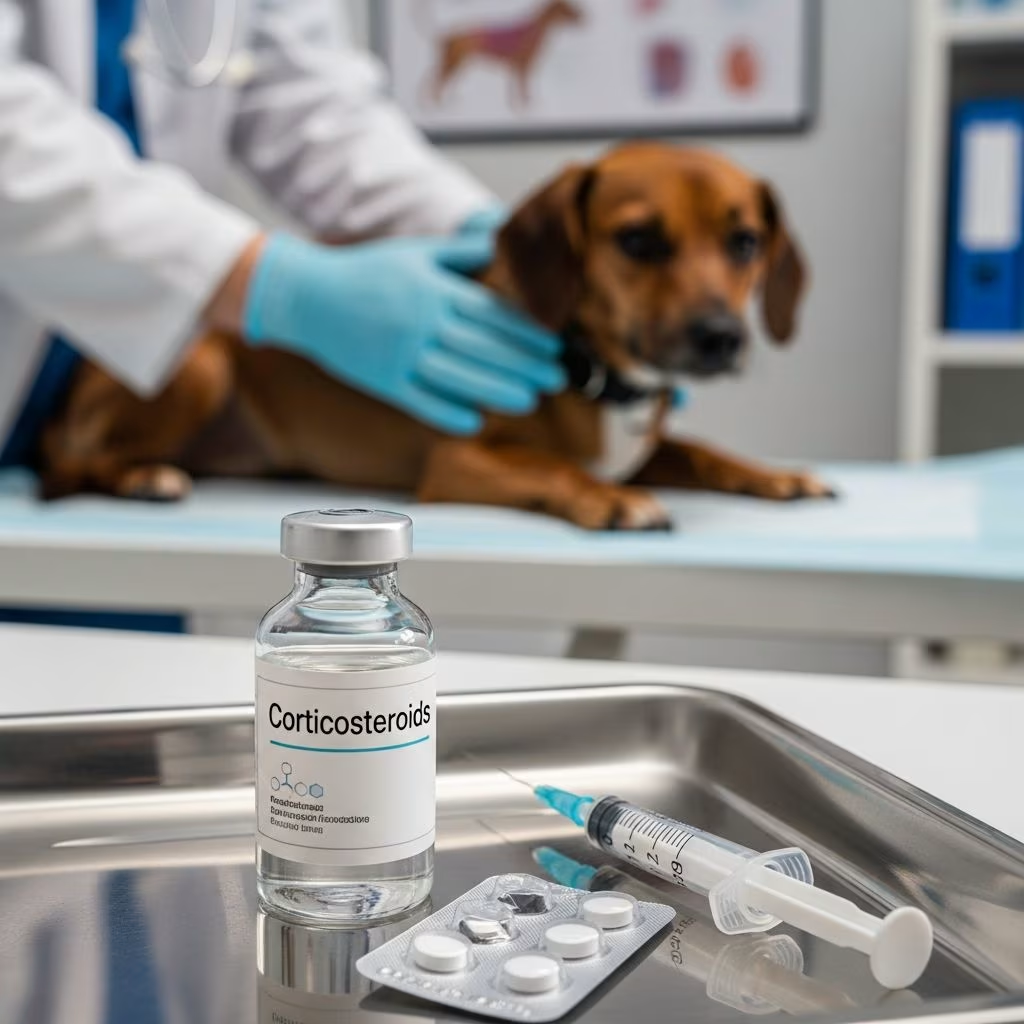
Corticosteroids represent a cornerstone of modern veterinary pharmacology, offering potent tools for controlling inflammation, modulating immune responses, and treating a wide array of conditions in companion animals and livestock. Derived from natural hormones produced by the adrenal glands, these synthetic compounds mimic the effects of glucocorticoids and mineralocorticoids to provide rapid relief in acute and chronic diseases.
Understanding the Foundations of Corticosteroid Action
At their core, corticosteroids are built on a 21-carbon steroid framework akin to cortisol, the body’s primary glucocorticoid. Chemical modifications to this structure—such as adding double bonds or altering side chains—fine-tune their potency, duration of action, and specificity. For instance, introducing a double bond between carbons 1 and 2 dramatically boosts anti-inflammatory properties while minimizing some metabolic side effects.
Glucocorticoids primarily influence carbohydrate, protein, and fat metabolism while exerting powerful immunosuppressive and anti-inflammatory effects. They inhibit the production of inflammatory mediators like prostaglandins and cytokines by blocking phospholipase A2, a key enzyme in the arachidonic acid pathway. Mineralocorticoids, on the other hand, regulate electrolyte balance by promoting sodium retention and potassium excretion in the kidneys.
These dual actions make corticosteroids versatile, but their use demands precision to harness benefits without unleashing adverse effects. Natural production occurs in the adrenal cortex from cholesterol, with cortisol serving as the benchmark for glucocorticoid activity and aldosterone for mineralocorticoid effects.
Key Types and Their Unique Profiles
Veterinarians select corticosteroids based on desired potency, onset, and duration. Short-acting options like hydrocortisone provide quick but brief relief, ideal for acute scenarios. Intermediate-acting drugs such as prednisolone and prednisone dominate routine use due to their balance of efficacy and manageable side effects.
Long-acting formulations, including dexamethasone and triamcinolone, offer extended suppression of inflammation, useful in chronic conditions but riskier for prolonged hypothalamic-pituitary-adrenal axis (HPAA) suppression. Fludrocortisone stands out for its mineralocorticoid dominance—125 times more potent than cortisol in this regard—making it a go-to for replacing deficient adrenal function in hypoadrenocorticism.
| Corticosteroid | Glucocorticoid Potency (vs. Cortisol) | Mineralocorticoid Potency | Duration |
|---|---|---|---|
| Hydrocortisone | 1 | 1 | Short (8-12 hrs) |
| Prednisolone | 4 | 0.8 | Intermediate (12-36 hrs) |
| Dexamethasone | 25-30 | 0 | Long (36-72 hrs) |
| Fludrocortisone | 10 | 125 | Intermediate |
This table summarizes relative potencies, helping clinicians choose appropriately. Note that species differences matter; cats metabolize prednisone poorly, favoring direct prednisolone use.
Routes of Delivery: Tailoring to the Patient’s Needs
Corticosteroids come in oral tablets, injectable suspensions, topical creams, and intra-articular preparations, allowing flexibility. Oral forms like prednisone (0.5-2 mg/kg/day) excel for outpatient management of allergies or autoimmune diseases, with high bioavailability in most species.
Parenteral administration suits emergencies, such as septic shock where soluble succinate esters provide rapid onset. Topical applications target localized issues like dermatitis or otitis, minimizing systemic exposure. In equine joint disease, intra-articular triamcinolone reduces lameness effectively, though systemic absorption can still impact the HPAA.
Pharmacokinetics vary: most bind 90% to plasma proteins like corticosteroid-binding globulin (CBG), with prednisolone uniquely competing for CBG sites, causing transient cortisol dips without true suppression. Hepatic metabolism and renal excretion follow, with half-lives ranging from hours to days.
Primary Therapeutic Applications Across Species
In small animals, corticosteroids tackle allergic dermatitis, asthma, and immune-mediated conditions like polyarthritis or inflammatory bowel disease. A typical anti-inflammatory dose (e.g., prednisolone 0.5-1 mg/kg/day) curbs pruritus in flea allergy or atopic cases, buying time for allergen avoidance or immunotherapy.
Horses benefit from treatment of chronic obstructive pulmonary disease (COPD) or laminitis-related inflammation, often at 0.05-0.1 mg/kg dexamethasone. Livestock applications include bovine respiratory distress syndrome, where short-acting steroids aid acute management alongside antibiotics.
- Allergic and Atopic Disorders: Rapid itch relief in dogs and cats.
- Respiratory Conditions: Feline asthma, equine heaves.
- Musculoskeletal Issues: Adjunct for osteoarthritis, though NSAIDs often preferred first-line.
- Shock and Edema: Controversial in septic shock; unproven in cerebral edema.
- Endocrine Replacement: Fludrocortisone for Addison’s disease.
Immunosuppressive protocols (2-4 mg/kg/day prednisone equivalents) address autoimmune hemolytic anemia or pemphigus, always combined with cause-directed therapies.
Navigating Dosage Strategies and Protocols
Dosage hinges on intent: anti-inflammatory (low), immunosuppressive (high), or replacement (physiologic). Alternating-day therapy with oral prednisone minimizes HPAA atrophy in chronic cases. Taper gradually over weeks to prevent rebound or crisis.
Species-specific nuances: Dogs tolerate prednisone well; cats require prednisolone. Horses need weight-based calculations for intra-articular use to avoid laminitis risks. Monitoring includes serial ACTH stimulation tests for HPAA function during long-term use.
Adverse Effects: Recognition and Mitigation
While invaluable, corticosteroids carry risks escalating with dose, duration, and potency. Common issues include polyuria, polydipsia, polyphagia, and iatrogenic Cushing’s syndrome—pot-bellied appearance, panting, hepatopathy.
Severe complications encompass diabetes induction (especially in predisposed animals), immunosuppression fostering infections (UTIs, pyometra, pneumonia), and gastrointestinal ulcers. Long-term HPAA suppression risks adrenal necrosis; abrupt cessation can trigger Addisonian crisis with collapse, vomiting, and shock.
Cats show relative resilience but risk diabetes. Contraindications include active infections (unless covered by antibiotics), diabetes, or thromboembolism predisposition. Ulcerogenic potential warrants gastroprotectants like omeprazole.
- Metabolic: Weight gain, insulin resistance, lipidemia.
- Immune: Masked infections, delayed healing.
- Gastrointestinal: Ulcers, pancreatitis risk.
- Musculoskeletal: Muscle wasting, osteoporosis (rare in vets).
- Behavioral: Aggression escalation in some cases.
Strategies for Safe and Effective Use
Minimize risks via lowest effective dose, shortest duration, and pulse therapy. Pair with NSAIDs judiciously, avoiding concurrent GI irritants. Regular monitoring—bloodwork, urinalysis, ACTH tests—ensures early detection of issues.
In dermatology, topical glucocorticoids like hydrocortisone aceponate offer localized control with scant systemic effects, ideal for chronic otitis or Malassezia infections. Intra-articular use in horses demands sterile technique and HPAA assessment.
Species-Specific Considerations
Dogs and Cats
Dogs respond robustly to prednisone; short courses (5-7 days) for allergies rarely cause issues. Cats prefer prednisolone at 1-2 mg/kg for asthma or IBD, with tapering to every other day.
Horses and Livestock
Equine intra-articular steroids control synovitis but risk tendon weakening. Bovines receive dexamethasone for endotoxemia, balancing benefits against immunosuppression in herd settings.
Future Directions and Alternatives
Emerging biologics and targeted immunomodulators challenge corticosteroid dominance in allergies and autoimmunity, offering steroid-sparing options. Nonetheless, for acute flares or steroid-responsive conditions, they remain unmatched in speed and potency.
Frequently Asked Questions (FAQs)
Can corticosteroids be used long-term in pets?
Yes, with careful monitoring and tapering. Alternating-day dosing helps preserve adrenal function.
What are signs of overdose or side effects?
Excessive thirst, urination, appetite, potbelly, and lethargy. Consult a vet immediately.
Are topical steroids safer than oral?
Generally yes, for localized issues, as they limit systemic absorption.
Do cats handle steroids differently?
Yes, they metabolize prednisone poorly; use prednisolone instead.
Can steroids treat shock in animals?
Used in septic shock adjunctively, but evidence is mixed.
References
- Corticosteroids in Animals — Merck Veterinary Manual. 2023. https://www.merckvetmanual.com/pharmacology/inflammation/corticosteroids-in-animals
- The proper use of topical and oral corticosteroids — dvm360. 2022. https://www.dvm360.com/view/proper-use-topical-and-oral-corticosteroids
- Corticosteroid Therapy in Veterinary Medicine: An Overview — Clinician’s Brief. 2023-03-01. https://www.cliniciansbrief.com/article/steroid-therapy
- Prednisone and Prednisolone for Dogs and Cats — PetMD. 2024. https://www.petmd.com/pet-medication/prednisone-and-prednisolone-for-dogs-cats
- Corticosteroids — North Downs Specialist Referrals. 2023. https://www.ndsr.co.uk/information-sheets/corticosteroids/
- Use of topical glucocorticoids in veterinary dermatology — PMC (NCBI). 2019-06-27. https://pmc.ncbi.nlm.nih.gov/articles/PMC6563888/



