

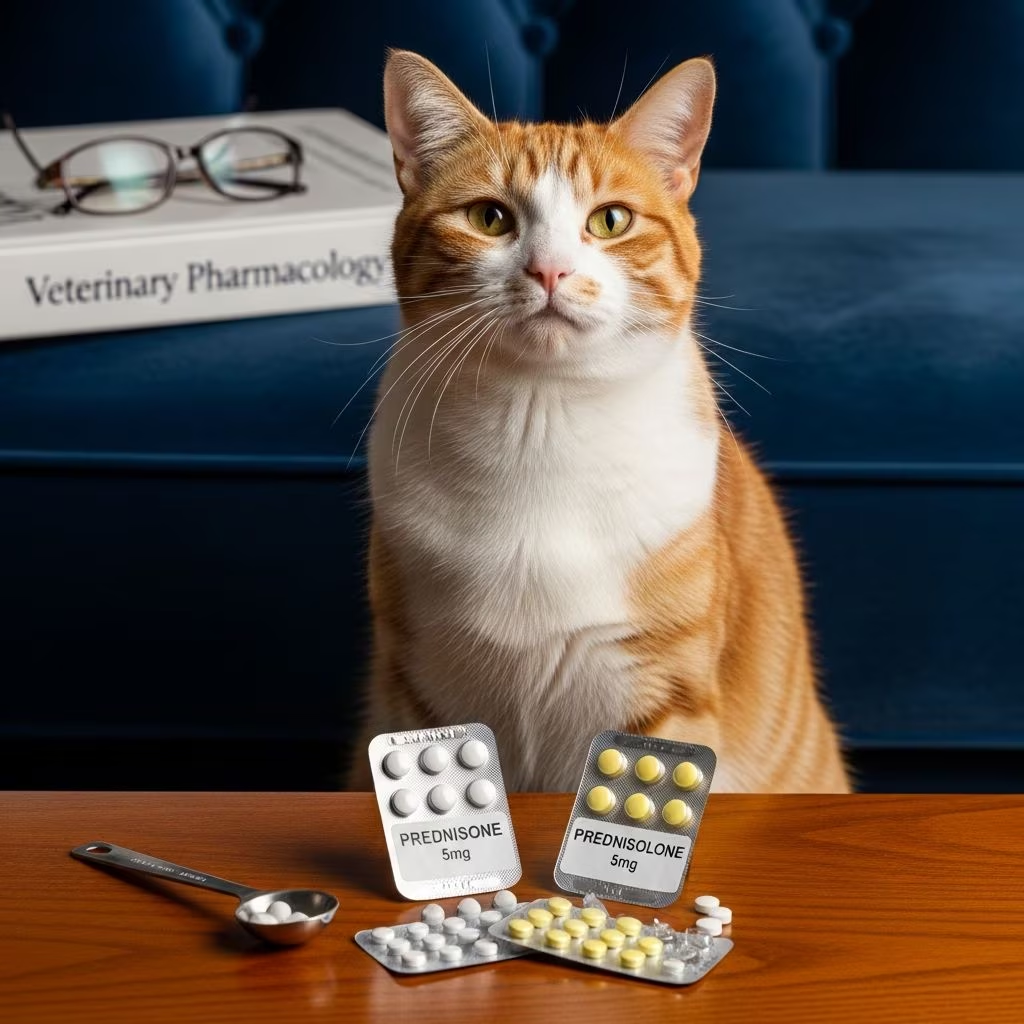
When veterinarians prescribe medications to manage inflammation, allergies, or autoimmune conditions in cats, corticosteroids frequently become part of the treatment plan. Two related medications—prednisone and prednisolone—are commonly discussed in veterinary circles, yet many cat owners remain uncertain about which option their vet might recommend and why. The distinction between these two drugs has significant implications for feline health outcomes, particularly because cats metabolize medications differently than other species. Understanding these differences empowers pet owners to have informed conversations with their veterinary team and better support their cat’s medical care.
The Fundamentals of Steroid Therapy in Cats
Corticosteroids represent a powerful class of medications that mimic hormones naturally produced by the adrenal glands. These synthetic hormones work through multiple mechanisms within the body to reduce inflammation and modulate immune system responses. In veterinary medicine, prednisone stands among the most frequently prescribed corticosteroids, functioning as an anti-inflammatory agent that can suppress overactive immune responses contributing to various feline ailments.
The fundamental way these medications operate involves binding to glucocorticoid receptors throughout the body, which then triggers a cascade of cellular changes that decrease inflammatory markers and immune activation. This dual action—reducing inflammation while simultaneously suppressing immune function—makes corticosteroids valuable for conditions ranging from simple allergic reactions to serious autoimmune diseases requiring long-term management.
Medical Applications in Feline Patients
Veterinarians employ corticosteroid therapy for an extensive array of feline health conditions. The versatility of these medications stems from their broad effects on inflammatory and immune processes throughout the body.
Dermatological Conditions
Skin-related issues represent among the most common reasons veterinarians prescribe corticosteroids to cats. Pruritus—excessive itching—resulting from allergic dermatitis, flea allergy reactions, or contact sensitivities responds well to low-dose steroid therapy. These medications reduce inflammation in affected skin tissues while simultaneously dampening the immune system’s exaggerated response to allergens, providing relief from discomfort and preventing secondary bacterial infections caused by excessive scratching.
Gastrointestinal Disorders
Inflammatory bowel disease (IBD) ranks among the most prevalent chronic gastrointestinal conditions in domestic cats. Corticosteroids represent one of the primary pharmaceutical interventions for IBD management, working to suppress intestinal inflammation and moderate the aberrant immune response targeting the gut lining. Cats experiencing IBD typically present with chronic vomiting, diarrhea, and weight loss—symptoms that often improve substantially with appropriate steroid dosing.
Autoimmune and Systemic Disorders
Several serious systemic conditions benefit from the immunosuppressive properties of corticosteroids. Lupus, an autoimmune disease causing widespread inflammation throughout multiple organ systems, responds to steroid therapy that suppresses the dysregulated immune attacks on the body’s own tissues. Additionally, nervous system disorders, rheumatoid arthritis, and other conditions involving inappropriate immune activation may require corticosteroid intervention to prevent progressive tissue damage and manage clinical symptoms.
Adrenal Insufficiency
Addison’s disease, characterized by inadequate production of glucocorticoids from the adrenal gland, necessitates replacement therapy with corticosteroids to restore adequate hormone levels and prevent potentially life-threatening complications. This condition requires ongoing management rather than short-term steroid treatment, fundamentally different from using these medications for their anti-inflammatory properties.
Neoplastic Conditions
Certain feline cancers, particularly lymphoma, may be managed with corticosteroid therapy. While not curative, steroids can provide palliative relief by reducing tumor-related inflammation and improving quality of life in cats where more aggressive treatments are unavailable or inappropriate. For advanced lymphoma cases in elderly or debilitated cats, corticosteroid monotherapy offers a gentler approach to symptom management while maintaining comfort.
The Critical Difference: Why Prednisolone Reigns Superior in Feline Medicine
A fundamental distinction separates prednisone from prednisolone in feline patients, rooted in how these medications are metabolized. Prednisone undergoes hepatic conversion—transformation in the liver—to become prednisolone, its active pharmaceutical form. This activation step poses no significant problem in human patients or dogs, whose livers efficiently perform this conversion. Cats, however, present a metabolic challenge that veterinary science has come to understand and address clinically.
Cats possess a metabolic limitation preventing efficient conversion of prednisone to prednisolone, rendering prednisone substantially less effective in feline patients compared to other species. This difference stems from variations in feline hepatic enzyme systems responsible for drug metabolism. Consequently, veterinary literature now advises practitioners to prescribe prednisolone directly to cats rather than relying on prednisone, which may fail to achieve therapeutic effects at standard dosing levels.
Prednisolone represents the already-activated form of the corticosteroid, bypassing the hepatic conversion step entirely. By administering prednisolone directly, veterinarians ensure that cats receive a medication capable of exerting its full therapeutic effect without depending on liver function that may not efficiently complete the activation process. This distinction carries profound practical implications for treatment success.
Dosage Considerations for Feline Patients
Determining appropriate steroid dosing in cats requires careful consideration of the condition being treated and individual patient factors. Unlike humans receiving standardized doses regardless of size, veterinary medicine relies on weight-based dosing calculations tailored to each individual patient.
For inflammatory conditions in cats, prednisolone dosing typically ranges from 1-2 mg per kilogram of body weight daily, administered as either a single daily dose or divided into multiple doses throughout the day. Autoimmune conditions generally require higher doses within the range of 2-8 mg per kilogram daily, reflecting the greater immunosuppression necessary to control dysregulated immune responses.
Notably, cats require higher prednisolone doses than dogs treating similar conditions because feline patients demonstrate greater inherent resistance to corticosteroid effects—a pharmacological characteristic distinct from simple species variation in drug metabolism. This resistance necessitates dose adjustments during therapy, with veterinarians carefully monitoring clinical response and adjusting doses either upward to achieve desired effects or downward as conditions improve.
The duration of corticosteroid therapy also varies considerably. Short-term treatment—typically one to two weeks—suffices for acute inflammatory conditions such as allergic reactions or post-surgical inflammation. Chronic conditions like IBD or autoimmune disease may require long-term therapy, though veterinarians generally attempt to identify the minimum effective dose to minimize cumulative side effects associated with prolonged steroid administration.
Potential Adverse Effects and Safety Considerations
While corticosteroids provide significant therapeutic benefits, their potent effects throughout the body create risks of adverse reactions, particularly with extended use or high doses. Understanding these potential complications allows cat owners to work collaboratively with veterinarians to monitor for problems and adjust therapy as needed.
Common Short-Term Side Effects
During initial corticosteroid therapy, many cats experience increased thirst and urination as the medication affects kidney function and fluid balance. Increased appetite accompanies these changes, and some cats develop mild gastrointestinal upset including nausea or changes in bowel habits. Most cats tolerate these effects reasonably well, particularly when steroids are used short-term.
Long-Term Complications
Extended corticosteroid use carries risks of more serious complications. Prolonged immunosuppression increases susceptibility to bacterial and fungal infections that cats might otherwise combat effectively. Diabetes mellitus may emerge or worsen in predisposed cats, as corticosteroids impair glucose metabolism and insulin sensitivity. Osteoporosis can develop gradually with chronic therapy, weakening bone structure and increasing fracture risk. Additionally, corticosteroids may precipitate or exacerbate gastric ulceration and worsen existing congestive heart failure.
Conditions Requiring Caution
Certain pre-existing medical conditions contraindicate corticosteroid use or require heightened vigilance during therapy. Cats with diabetes mellitus present a particular challenge, as steroids worsen glycemic control and may necessitate insulin adjustments. Chronic kidney disease patients face additional metabolic stress from immunosuppressive therapy. Cats with untreated Cushing’s disease—an adrenal gland disorder producing excessive cortisol—should not receive exogenous steroids, which would further derange hormone levels.
Bacterial infections mandate careful consideration, as immunosuppression could allow infections to progress unchecked. Pregnancy and nursing present risks to developing kittens or neonates exposed to maternal corticosteroid therapy. Cats with gastrointestinal ulcers or congestive heart failure require alternative therapeutic approaches or very careful steroid management under close supervision.
Comparative Overview: Prednisone Versus Prednisolone
| Characteristic | Prednisone | Prednisolone |
|---|---|---|
| Activation Status | Inactive form requiring hepatic conversion | Pre-activated form ready for use |
| Feline Efficacy | Poorly metabolized; limited effectiveness | Highly effective in cats |
| Hepatic Demand | Requires liver conversion; stressful for compromised liver | Bypasses conversion; safer for liver disease |
| Veterinary Recommendation for Cats | Generally avoided in favor of prednisolone | Preferred choice for feline patients |
| Canine Suitability | Effective; can be used interchangeably | Effective; can be used interchangeably |
Practical Administration and Monitoring
Administering corticosteroids to cats requires establishing reliable dosing routines and maintaining close communication with the veterinary team. Most cats receive oral prednisolone tablets or liquid formulations, which owners administer at home following precise dosing schedules. Consistency proves critical—missed doses diminish therapeutic effectiveness, while excessive doses increase adverse effect risk.
Veterinarians typically schedule follow-up evaluations within one to two weeks of initiating steroid therapy to assess clinical response and tolerability. Cats showing good response may continue current dosing, while those with inadequate improvement might require dose increases. Conversely, cats demonstrating excellent clinical improvement may transition to lower maintenance doses or discontinuation if the underlying condition resolves.
Long-term steroid therapy necessitates periodic monitoring through physical examinations and sometimes laboratory testing to detect emerging complications. Blood work can reveal effects on glucose metabolism, kidney function, and electrolyte balance. Regular veterinary contact allows early detection and management of adverse effects, maximizing therapeutic benefit while minimizing complications.
Frequently Asked Questions About Feline Corticosteroid Therapy
Why does my vet prescribe prednisolone instead of prednisone for my cat?
Cats metabolize prednisone inefficiently, limiting its therapeutic effectiveness. Prednisolone bypasses this metabolic limitation, ensuring your cat receives full medication benefits. Additionally, if your cat has liver disease, prednisolone avoids demanding further liver function for drug activation.
Can I suddenly stop giving my cat corticosteroids?
Abrupt discontinuation of long-term corticosteroids can cause rebound inflammation and potentially dangerous adrenal insufficiency as the body struggles to restore natural cortisol production. Always follow your veterinarian’s tapering schedule, gradually reducing doses to allow physiologic adaptation.
How long can my cat safely remain on steroid therapy?
Duration depends on the condition and individual factors. Short-term use—weeks to a few months—generally poses minimal risks. Chronic therapy requires careful monitoring and periodic reassessment of ongoing necessity. Your veterinarian will work to identify the lowest effective maintenance dose or explore alternative therapies when possible.
What should I do if I notice side effects?
Contact your veterinarian promptly if you observe unusual thirst, urination, appetite changes, lethargy, or other concerning signs. Your vet may adjust dosing, modify administration timing, or implement supportive measures to manage side effects while maintaining therapeutic benefit.
Conclusion: Optimizing Steroid Therapy in Feline Patients
Prednisone and prednisolone represent important therapeutic tools in feline medicine, offering effective management of inflammatory and autoimmune conditions that would otherwise significantly compromise quality of life. The critical distinction between these medications—rooted in feline hepatic metabolism—underscores the importance of species-appropriate prescribing practices. By understanding these differences, cat owners can better appreciate why their veterinarian recommends prednisolone over prednisone and can more effectively advocate for their cat’s care.
Successful steroid therapy depends on accurate dosing, careful monitoring, attention to individual patient factors, and ongoing communication between owners and veterinarians. While corticosteroids carry potential risks with long-term use, short-term therapy at appropriate doses offers substantial benefits for many feline patients. By working collaboratively with veterinary professionals and remaining alert to both therapeutic responses and potential complications, cat owners can help ensure that corticosteroid therapy contributes meaningfully to their feline companion’s comfort and longevity.
References
- Prednisone For Cats: Treatment & Side Effects — Dutch. 2024. https://www.dutch.com/blogs/cats/prednisone-for-cats
- Prednisone for cats: Dosage and safety — SingleCare. 2024. https://www.singlecare.com/blog/prednisone-for-cats/
- What You Need to Know if Your Dog or Cat Needs Prednisone — Wedgewood Pharmacy. 2024. https://www.wedgewood.com/medications/prednisone/
- Prednisone and Feline Lymphoma: Steroid Treatment for Palliative Care — Impri Medicine. 2024. https://www.imprimedicine.com/blog/cat-steroids
- Prednisone and Prednisolone for Cats: Uses, Dosage, Side Effects — GoodRx. 2024. https://www.goodrx.com/pet-health/cat/prednisolone



