

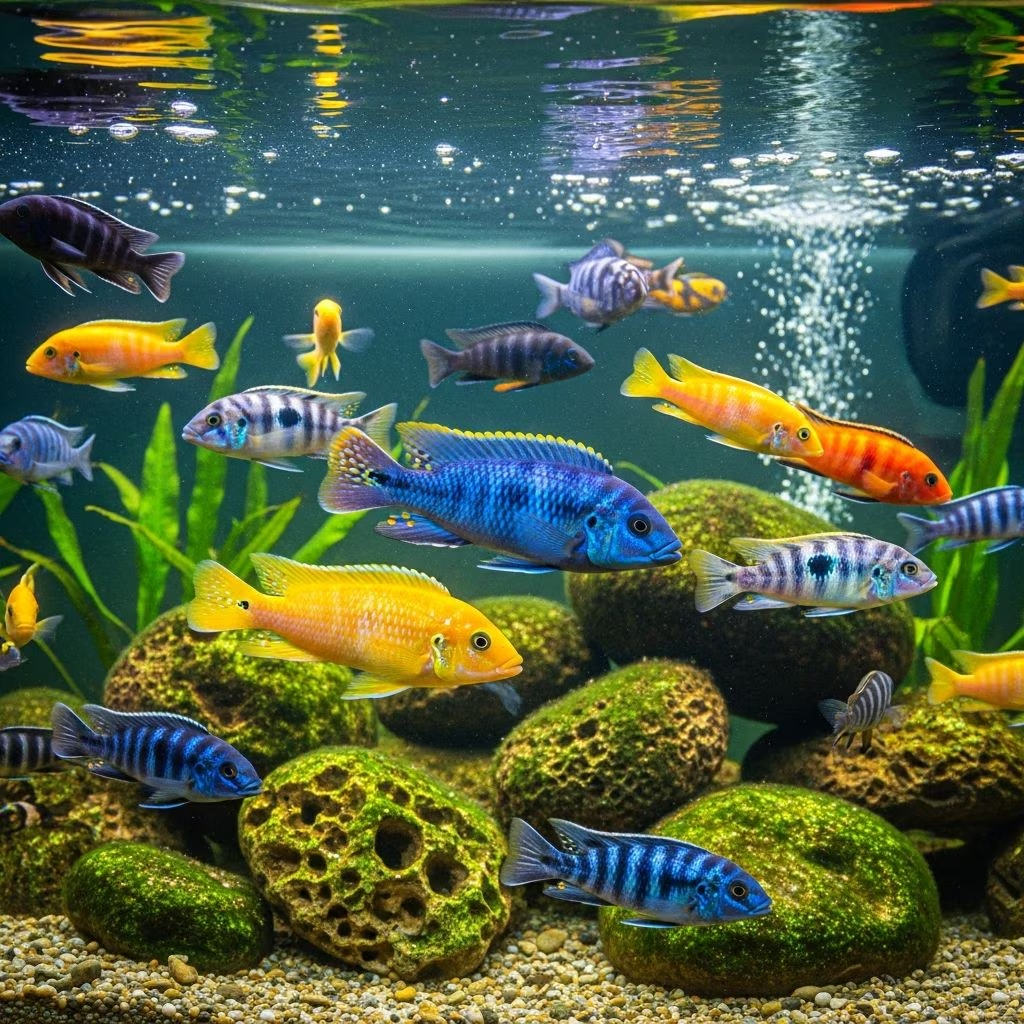
Understanding pH Requirements for African Cichlids
Maintaining proper water chemistry is fundamental to successful African cichlid keeping. Many aquarists believe that African cichlids strictly require pH levels between 8.0 and 8.2, but the reality is more nuanced than this common recommendation. Understanding the actual pH requirements of these fish and the factors that influence their wellbeing can help you create a thriving environment for your cichlids, even if your tap water chemistry differs from published guidelines.
pH Ranges for Different African Cichlid Species
African cichlids originating from the Great Rift Valley come from specific freshwater lakes with distinct water chemistry characteristics. The two most popular sources for aquarium cichlids are Lake Malawi and Lake Tanganyika, each with different pH profiles.
Lake Malawi Cichlids
Lake Malawi cichlids typically inhabit waters with published pH ranges between 7.7 and 8.6. This alkaline environment supports the natural behaviors and physiology of species like Mbuna and Haplochromis cichlids. However, practical aquarium experience demonstrates that these fish can thrive and successfully breed at significantly lower pH values than traditionally recommended.
Lake Tanganyika Cichlids
Lake Tanganyika cichlids are adapted to slightly less alkaline conditions compared to their Malawian cousins, with published pH ranges between 7.3 and 8.0. Species such as Lamprologus, Altolamprologus, and Julidochromis cichlids originate from this lake. Like Malawian cichlids, Tanganyikan species demonstrate remarkable adaptability to pH conditions lower than their natural habitat parameters when other conditions are optimized.
Water Hardness Considerations
Water hardness works in conjunction with pH to create the complete water chemistry profile that African cichlids require. Understanding the relationship between pH and hardness is critical for successful cichlid husbandry.
| Lake | Typical Hardness Range | Minimum Viable Hardness |
|---|---|---|
| Lake Malawi | 6-10 DH (125.0-170.5 ppm TDS) | 3 DH |
| Lake Tanganyika | 10-12 DH (170.5-205.0 ppm TDS) | 3 DH |
Both Lake Malawi and Lake Tanganyika cichlids can prosper and breed successfully at pH values as low as 7.2 when hardness values are maintained at a minimum of 3 DH. This demonstrates that while published ranges represent typical natural conditions, African cichlids possess considerable flexibility in their environmental tolerances.
The Critical Importance of pH Stability
What matters far more than achieving a specific pH number is maintaining consistency and stability in your water chemistry over time. Rapid pH fluctuations create stress for your fish and can compromise their immune systems, making them susceptible to disease. A stable pH of 7.4, even if lower than traditional recommendations, is superior to an unstable pH that fluctuates between 7.0 and 8.5.
The physiological demands on African cichlids when pH remains constant allow them to acclimate and thrive. Many experienced aquarists maintain successful cichlid colonies at pH levels below 7.5 because they prioritize stability through consistent water change practices and appropriate substrate choices.
Using Coral Gravel and Calcareous Substrates
Coral gravel and other calcareous substrates serve as natural pH buffers, helping to maintain alkaline conditions while providing stability that resistant to pH swings. These substrates gradually dissolve and release minerals into the water column, increasing both pH and general hardness over time.
Benefits of Calcareous Substrates
Calcareous materials including coral sand, aragonite sand, limestone gravel, and substrates containing sea shells provide multiple benefits for African cichlid aquariums:
- Gradual, natural pH elevation without chemical additives
- Long-lasting buffering capacity that resists pH drops
- Increased general hardness suitable for rift lake species
- Aesthetic appeal that complements natural cichlid habitats
- Support for beneficial bacteria colonization in the substrate
For aquarists with naturally soft, acidic tap water who want to raise pH gradually and naturally, using specialist cichlid substrates or marine-grade coral sand provides an excellent passive approach to water chemistry management.
Water Change Practices and Their Impact
Routine partial water changes represent one of the most critical components of successful African cichlid husbandry. While frequent water changes might depress pH slightly if your tap water is softer or more acidic than your established aquarium, their benefits far outweigh any concerns about pH reduction.
Why Regular Water Changes Matter Most
African cichlids are notably intolerant of ammonia and nitrite accumulation. These nitrogenous compounds, which build up between water changes, are far more dangerous to fish health than minor pH variations. Proper nitrogen cycle management through consistent partial water changes:
- Removes accumulated ammonia and nitrite
- Dilutes organic waste compounds
- Maintains overall water quality
- Prevents disease outbreaks related to poor conditions
- Supports stable pH through consistent water chemistry
An aquarist practicing regular partial water changes that results in slightly lower pH is providing far superior care compared to someone maintaining higher pH but allowing waste to accumulate. The nitrogen cycle management benefit of consistent water changes dramatically exceeds any theoretical benefit from pursuing higher pH values.
Addressing Low pH in Your Aquarium
If you maintain African cichlids and notice your pH consistently reads lower than ideal for your species, several approaches can help raise pH gradually and safely.
Buffering the Water
Commercial pH buffers in powder form can be mixed into water before water changes or added directly to the aquarium. When using buffers, follow these guidelines:
- Adjust pH slowly over the course of a week, not a single day
- Remember that pH is logarithmic—a change from pH 6 to pH 8 represents a 100-fold change in acidity
- Avoid shocking fish with rapid pH changes
- Ensure mature filtration before raising pH, as ammonia becomes more toxic at higher pH levels
Natural pH Elevation Methods
Passive approaches to pH management work gradually but effectively:
- Adding crushed coral to the substrate or filter media
- Using limestone-based decorations and rocks
- Incorporating calcareous substrates during aquarium setup or gradual replacement
- Allowing natural mineral dissolution from decorations over time
These natural methods provide gradual pH elevation that allows fish to acclimate without stress while providing ongoing buffering capacity.
Species-Specific Considerations
While general guidelines suggest pH 7.7-8.6 for Malawi cichlids and 7.3-8.0 for Tanganyika cichlids, individual fish demonstrate considerable tolerance ranges. South American and West African cichlids, by contrast, typically thrive at pH 6.0 or lower, making African cichlid pH requirements distinctly different from these other groups.
Recognizing your specific cichlid species allows for more refined care. Mbuna cichlids from Lake Malawi, for example, show greater pH flexibility than some Tanganyikan species, though both groups adapt well to properly maintained stable conditions.
Practical Recommendations for Success
Based on extensive practical experience with African cichlids, several recommendations emerge for maintaining these fish successfully:
- Prioritize stability over absolute pH values—maintain consistent conditions rather than pursuing specific numbers
- Establish robust nitrogen cycle management—perform regular partial water changes to control ammonia and nitrite
- Use appropriate substrates—incorporate calcareous materials to provide natural buffering
- Make gradual adjustments—when raising pH, do so slowly over several days to avoid shocking fish
- Test water parameters regularly—understand your tap water chemistry and how it changes over time in your system
- Don’t stress about slight deviations—pH values slightly lower than published ranges rarely cause problems when other factors are optimized
Frequently Asked Questions
Q: What is the absolute minimum pH that African cichlids can survive in?
A: Both Malawi and Tanganyika cichlids can prosper and breed at pH values as low as 7.2, provided that water hardness is maintained at a minimum of 3 DH and other water conditions remain stable and appropriate for nitrogen cycle management.
Q: Can I keep African cichlids in tap water that has a pH of 7.4?
A: Yes, absolutely. A stable pH of 7.4, maintained consistently through regular water changes and appropriate substrate choices, provides excellent conditions for African cichlids. The stability of pH matters far more than achieving a higher number.
Q: Does using coral gravel definitely raise pH to 8.0 or higher?
A: Coral gravel provides buffering capacity and gradually raises pH, but the final pH depends on your tap water chemistry, tank bioload, and water change frequency. It works as a passive pH elevation tool that resists pH drops rather than guaranteeing specific pH values.
Q: Are frequent water changes bad because they lower pH?
A: No. The ammonia and nitrite removal benefits of regular water changes far exceed any concerns about slight pH reduction. Proper nitrogen cycle management is more critical to cichlid health than maintaining maximum pH.
Q: Should I use chemical pH buffers to raise my aquarium pH?
A: Chemical buffers can be effective, but adjustments should be made slowly over several days. Ensure your filtration is mature and working properly before raising pH, since ammonia becomes more toxic at higher pH levels.
Q: How quickly should I raise pH if it’s too low?
A: Make small changes over the course of a week rather than a single day. Since pH is logarithmic, even seemingly small numerical changes represent significant shifts in water acidity that can stress or shock your fish.
Q: Do all African cichlids need the same pH?
A: While both Malawi and Tanganyika cichlids prefer alkaline water, Lake Tanganyika species typically prefer pH above 8.0, while Malawi cichlids thrive at pH 7.5-8.2. However, individual species and tanks show variation, so consistency matters more than targeting a specific number.
Q: What if I can’t raise my pH despite using coral gravel and buffers?
A: If your pH remains below 7.5 despite buffering efforts, your tap water may be naturally soft and acidic. In this case, maintaining stability at your naturally lower pH with excellent water changes and nitrogen cycle management still provides good conditions for cichlids.
References
- Correct pH for African Cichlids — Chewy Education. Accessed 2025-11-28. https://www.chewy.com/education/fish/general/correct-ph-for-african-cichlids
- How to raise pH in an African cichlid tank — Swell UK Help Guides. Accessed 2025-11-28. https://www.swelluk.com/help-guides/how-to-raise-ph-in-an-african-cichlid-tank/
- African Cichlid Water Parameters: pH, GH, and KH — Kaity’s Cichlids. July 14, 2022. https://www.youtube.com/watch?v=Pk0lodIDDJY



