

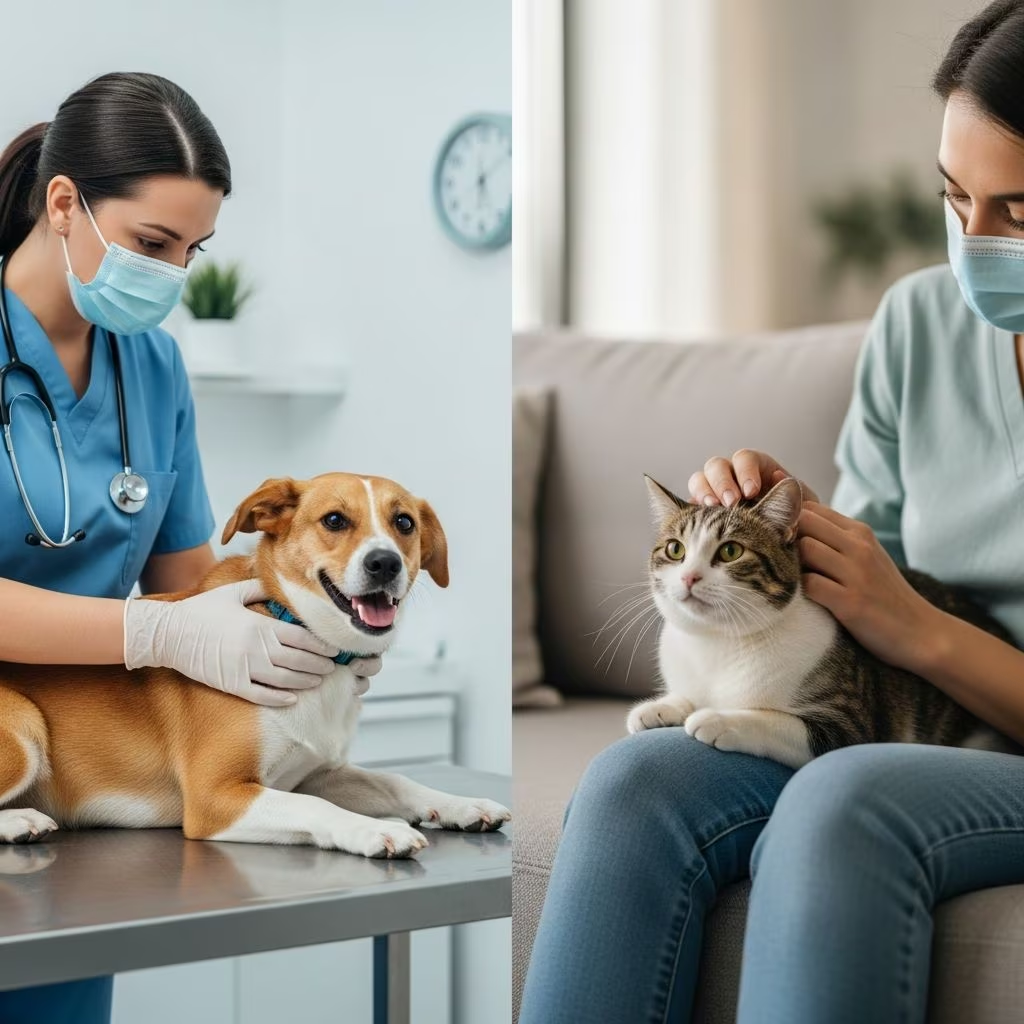
Coronavirus and Pets: Answers to Your Top FAQs
As the COVID-19 pandemic evolved, pet owners understandably became concerned about whether their beloved dogs and cats could contract the virus or potentially spread it to humans. The good news is that scientific evidence and veterinary guidance provide reassuring answers to many of these worries. While the situation with coronavirus and pets has been a subject of ongoing research and monitoring, the risk to most pet owners and their animals remains minimal. This comprehensive guide addresses your most pressing questions about coronavirus and pets, drawing from veterinary expertise and public health recommendations.
Can Dogs and Cats Get COVID-19?
One of the first questions pet owners asked was whether their dogs and cats could contract COVID-19. The answer is nuanced: while it is technically possible for dogs and cats to become infected with the SARS-CoV-2 virus, actual cases are extraordinarily rare. According to documented reports, only a handful of pets worldwide have tested positive for COVID-19. In fact, as of the time these cases were documented, only two dogs (in Hong Kong) and four cats (in New York, Hong Kong, and Belgium) had tested positive for COVID-19, and all of them had owners who were infected with the virus.
Research has shown that cats may theoretically be slightly more susceptible to COVID-19 than dogs. This is because the ACE2 receptor that the virus uses to enter cells in cats is nearly identical to the human ACE2 receptor, whereas the canine ACE2 receptor is only approximately 70 percent similar to the human version. However, this theoretical susceptibility has not translated into widespread infection among domestic pets. Even in laboratory studies where cats were artificially exposed to the virus, they produced antibodies but did not necessarily become clinically ill.
What Are the Risks to My Pet?
Given the enormous global population of pet owners and the extremely small number of documented COVID-19 cases in pets, the actual risk to your dog or cat is minimal. When pets have been infected, the vast majority either showed no symptoms or only mild clinical signs. Most infected pets were successfully treated at home without requiring hospitalization or intensive veterinary care.
The American Veterinary Medical Association (AVMA) emphasizes that while the risk is low, pet owners who are symptomatic or have tested positive for COVID-19 should still take reasonable precautions to protect their animals through limited contact and isolation measures when possible. This is a proactive approach rather than a response to documented widespread risk.
Can Pets Spread COVID-19 to Humans?
One of the most important findings from veterinary and public health research is that there is no credible evidence that domestic dogs and cats can spread COVID-19 to humans through normal aerosol or droplet transmission. This means that standard pet interactions like petting, playing, or even being licked by your dog or cat do not pose a meaningful transmission risk.
However, there is a theoretical possibility that pets could act as “fomites,” or vehicles of transmission, for the virus. In the same way that a contaminated surface can transmit the virus, the virus could theoretically be transported via a pet’s fur coat, collar, or leash if the pet had recently been in contact with an infected person and had not been cleaned. Despite this theoretical possibility, documented cases of such transmission have not been identified in domestic pet settings.
Importantly, the World Organisation for Animal Health has confirmed that the only documented animal-to-human transmission of COVID-19 occurred in mink farming operations, where workers infected the animals and the mink subsequently spread the virus back to human workers. This situation is vastly different from typical pet ownership scenarios.
Is It Safe to Pet My Dog or Cat During COVID-19?
Yes, it is safe to pet your dog or cat during the COVID-19 pandemic from the standpoint of coronavirus transmission. The American Veterinary Medical Association notes that pet fur is porous and designed to trap and absorb pathogens, making it difficult for COVID-19 to survive or be transmitted through petting or touching your pet’s coat.
The only exception to this general safety would be in kennel and shelter situations where large numbers of dogs of various ages are housed in close proximity to one another. In such crowded settings, transmission of any respiratory virus becomes more likely, though COVID-19 transmission among shelter dogs has not been a significant documented problem.
For people with normal immune systems in typical household situations, petting and normal interaction with your pet is perfectly safe and poses no meaningful COVID-19 transmission risk in either direction.
What Should I Do If I Have COVID-19?
If you test positive for COVID-19 or are experiencing symptoms consistent with the virus, veterinary authorities recommend taking several precautions regarding your pets:
Minimize Direct Contact: Restrict close contact with your pets as much as possible while you are symptomatic or have tested positive. This includes avoiding petting, snuggling, being kissed or licked, and sharing food or sleeping surfaces with your animals. These precautions are similar to the isolation measures you would take with other people in your household.
Arrange Alternative Care: When feasible, have another household member who is not sick care for your pets. This is the safest approach and provides the best protection for your animals.
Use Protection When Necessary: If you must care for your pets while ill, wear an appropriate face mask and wash your hands thoroughly before and after any interaction with your animals or their food, water, bedding, or waste products.
Prevent Spread to Other Pets: Do not allow other people to touch your pet during your illness, and do not touch other pets. For dogs, keep them on a leash and maintain at least 6 feet of distance from other people and their pets. For cats, keep them indoors to prevent any potential contact with other animals or people.
What If My Pet Shows Symptoms?
If your pet develops symptoms after you or another household member has been ill with COVID-19, observe the animal closely for changes in behavior or health status. However, routine testing for COVID-19 in pets is not recommended by the United States Department of Agriculture or the CDC. Testing should only be considered if your pet is experiencing serious health changes or symptoms.
Symptoms that were observed in the rare documented cases of COVID-19 in pets included mild respiratory signs (such as coughing or sneezing) and gastrointestinal symptoms (such as vomiting or diarrhea). Many infected pets, however, showed no symptoms whatsoever.
If your pet becomes ill and you are COVID-19 positive, contact your veterinarian rather than visiting the clinic in person. Many veterinarians offer virtual consultations or can provide guidance on home care for mildly ill pets. In most cases, infected pets can be successfully managed at home with supportive care and monitoring.
Should I Be Concerned About Other Coronavirus Strains?
It is important to distinguish between COVID-19 and other coronavirus strains that naturally affect dogs and cats. Dogs can contract canine coronavirus, which is transmitted primarily through oral contact with infected fecal matter or contaminated food bowls and causes gastrointestinal illness rather than respiratory disease. The incubation period for canine coronavirus is 1 to 4 days, and the illness typically lasts 2 to 10 days in most dogs, though they can remain carriers for up to 6 months.
Cats can be affected by feline coronavirus, and in rare cases, this virus can mutate into Feline Infectious Peritonitis (FIP), which is a serious and often fatal condition. These naturally occurring pet coronaviruses are entirely separate from SARS-CoV-2 (COVID-19) and require different management approaches.
General Hygiene and Prevention Measures
While the risk of COVID-19 transmission involving pets is low, maintaining good hygiene practices benefits overall household health and can reduce the theoretical risk of fomite transmission. The AVMA recommends the following measures:
Household Cleaning: Regularly disinfect frequently touched surfaces in your home using standard household cleaners or disinfectant sprays. This applies to any surfaces that you or infected household members have contacted.
Respiratory Etiquette: Cover your coughs and sneezes, throw away used tissues immediately, and maintain good respiratory hygiene practices, just as you would to prevent transmission to other people.
Hand Washing: Wash your hands frequently and thoroughly, especially before and after handling your pets or their food, supplies, or waste.
Separate Items: Use separate food bowls and supplies for different pets to minimize potential cross-contamination, though COVID-19 transmission this way remains purely theoretical in domestic settings.
What if My Pet Tests Positive for COVID-19?
Although extremely rare, if your pet were to test positive for COVID-19, follow these guidelines:
Keep your pet at home and implement isolation measures similar to those recommended for infected humans. Wear gloves when handling your pet or its food, dishes, waste, or bedding. Wash your hands thoroughly after touching anything your pet has contacted. Do not place a face mask on your pet, and do not use disinfectants or other chemical cleaners on your pet’s fur or body, as these can cause harm.
Monitor your pet for any new symptoms or worsening of existing symptoms and contact your veterinarian if you notice changes in your pet’s condition. Most infected pets recover without requiring specialized treatment, and home care is typically sufficient.
FAQs: Your Most Common Questions Answered
Q: Can I catch COVID-19 from petting my dog or cat?
A: No. There is no evidence that COVID-19 spreads from pets to humans through petting or touching your pet’s fur. Pet fur is porous and traps pathogens, making transmission through this route extremely unlikely or impossible.
Q: Should I test my pet for COVID-19?
A: Routine testing is not recommended by the CDC or USDA. Only pets showing serious symptoms after exposure to infected individuals need testing, and this should be discussed with your veterinarian.
Q: Can my pet transmit COVID-19 to other pets?
A: There are no studies documenting natural transmission of COVID-19 between domestic pets under normal conditions, so this risk appears to be non-existent in typical household or recreational settings.
Q: What symptoms would my pet show if infected with COVID-19?
A: Documented symptoms in infected pets have been mild, including mild respiratory signs and gastrointestinal symptoms. Many infected pets showed no symptoms at all.
Q: Do I need to disinfect my pet’s fur or paws?
A: No. Disinfectants and chemical cleaners should not be applied to your pet’s fur or body. Normal bathing and grooming practices are sufficient and safer for your pet.
Q: Is it safe for my pet to go to the veterinarian?
A: Yes, routine veterinary care is essential for your pet’s health. If you are COVID-19 positive, contact your veterinarian to arrange a virtual consultation or other safe care arrangements.
Q: Can my pet catch COVID-19 from other pets during walks or playdates?
A: This is extremely unlikely. There are no documented cases of COVID-19 transmission between pets in such settings, and experts agree that pet-to-pet transmission does not appear to occur under natural conditions.
Q: What should I do if I’m sick but must walk my dog?
A: Wear a face mask and wash your hands before and after handling the leash and your dog. Keep your dog at least 6 feet away from other people and their pets during walks.
The Bottom Line
COVID-19 poses minimal risk to dogs and cats, and pets pose minimal risk of transmitting COVID-19 to humans. While it is theoretically possible for pets to become infected if exposed to infected individuals, actual documented cases remain extraordinarily rare. Most infected pets experience no symptoms or only mild illness manageable at home. By following basic precautions when you are ill—such as limiting direct contact with your pets and practicing good hygiene—you can protect both your pet and your household. Maintain regular veterinary care for your animals, and contact your veterinarian if your pet develops any concerning symptoms or health changes. The relationship between you and your pet remains safe and should continue to be a source of comfort and companionship.
References
- Can Dogs and Cats Get Coronavirus? — Small Door Veterinary. 2024. https://www.smalldoorvet.com/learning-center/medical/can-dogs-cats-get-coronavirus
- COVID-19 and pets: Can dogs and cats get COVID-19? — Mayo Clinic. 2024. https://www.mayoclinic.org/diseases-conditions/coronavirus/expert-answers/can-pets-get-coronavirus/faq-20486391
- COVID-19 and animals — Government of Canada. 2024. https://www.canada.ca/en/public-health/services/diseases/2019-novel-coronavirus-infection/prevention-risks/animals-covid-19.html
- Canine Coronavirus Disease — VCA Animal Hospitals. 2024. https://vcahospitals.com/know-your-pet/coronavirus-disease-in-dogs
- The risk of pet animals in spreading severe acute respiratory syndrome coronavirus 2 — National Institutes of Health. 2024. https://pmc.ncbi.nlm.nih.gov/articles/PMC10766024/
- Coronavirus – Information for Dog Owners — American Kennel Club Canine Health Foundation. 2024. https://www.akcchf.org/disease-history/coronavirus-information-for/



