

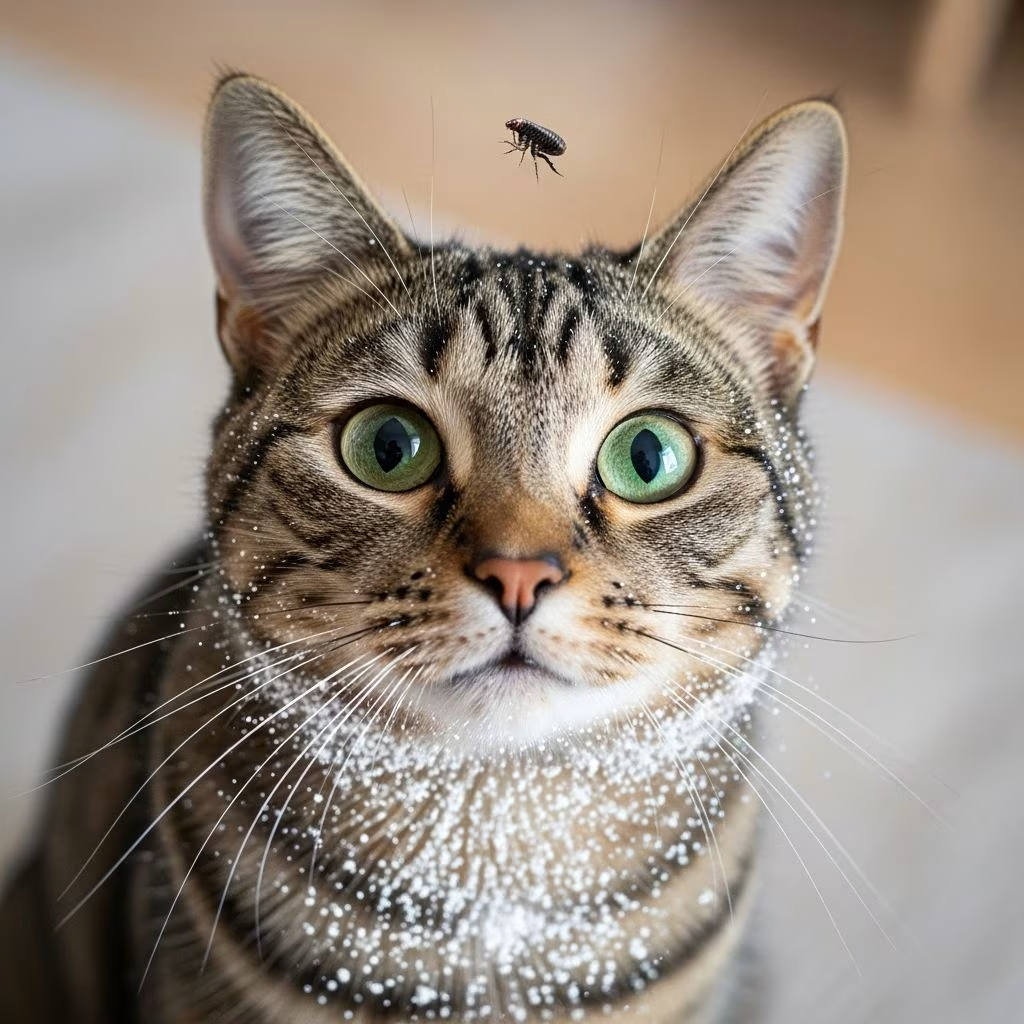
When cat owners face flea infestations, desperation often leads them to search for quick and inexpensive solutions. Cornstarch, a common kitchen staple, frequently appears in online forums and home remedy discussions as a potential flea treatment. The logic seems sound: the powder might suffocate fleas or trap them mechanically. However, this widespread belief contradicts what veterinary science and research actually tell us about flea control. Understanding why this myth persists and what evidence-based alternatives exist is crucial for protecting your feline companion.
The Origin of the Cornstarch Flea Myth
The idea that cornstarch can eliminate fleas likely emerged from its physical properties and generalized assumptions about powder substances. Cornstarch’s fine, powdery texture creates an intuitive appeal as a potential pest control agent. Many people reasoned that if a powder could suffocate or trap insects, then cornstarch might work similarly against fleas. This reasoning, while understandable, overlooks fundamental biological differences between fleas and insects that powders might actually affect.
Additionally, anecdotal reports from individuals who claim to have used cornstarch for flea control have perpetuated this myth through word-of-mouth and online sharing. Without scientific validation, these personal testimonies have influenced others to attempt the same approach. The appeal of a natural, non-toxic, and readily available solution further strengthened the myth’s hold in popular pet care discussions.
What Scientific Research Reveals
The scientific community has thoroughly investigated the effectiveness of cornstarch against fleas, and the findings are unambiguous: cornstarch does not kill fleas at any life stage. Rigorous studies and veterinary analysis have found no evidence supporting cornstarch’s ability to control flea infestations on cats or in the home environment.
Fleas possess biological adaptations that make them resistant to simple mechanical suffocation by fine powders. Their small size, protective exoskeleton, and ability to move quickly allow them to avoid being trapped or smothered by cornstarch particles. Unlike certain diatomaceous earth formulations that have some experimental data suggesting minimal effects, cornstarch simply does not possess any properties capable of harming fleas.
Veterinary experts consistently emphasize that the lack of scientific evidence should be the determining factor in making flea treatment decisions. When compared to proven, veterinarian-approved methods, cornstarch offers zero protection against flea populations, making its use a risky gamble with your cat’s health.
Understanding the Flea Lifecycle
To appreciate why cornstarch fails as a flea treatment, understanding the flea lifecycle proves essential. Fleas exist in four distinct life stages: eggs, larvae, pupae, and adults. Effective flea treatments must target one or more of these stages to break the reproduction cycle.
- Egg Stage: Flea eggs are microscopic and typically fall into the environment where they develop over several days to weeks.
- Larval Stage: Larvae emerge from eggs and burrow into carpets, bedding, and soil, feeding on organic debris.
- Pupal Stage: Pupae enter cocoons where they develop into adult fleas, protected from external threats.
- Adult Stage: Adult fleas emerge to feed on host blood and reproduce, starting the cycle anew.
Cornstarch cannot interrupt any of these stages. It cannot penetrate cat fur to reach adult fleas. It cannot destroy eggs or larvae in the environment. It cannot affect pupae sheltered within their protective cocoons. This multi-stage vulnerability of effective flea treatments makes cornstarch’s complete ineffectiveness particularly problematic.
Risks and Concerns Associated with Cornstarch Application
Beyond ineffectiveness, applying cornstarch to cats or their environment introduces legitimate health and safety concerns. While cornstarch itself is generally non-toxic, its application method creates potential problems.
Respiratory Irritation: When powder is applied to a cat’s coat, particles become airborne and can be inhaled. This inhalation may cause respiratory irritation, coughing, or more severe respiratory distress in sensitive cats or those with existing respiratory conditions.
Digestive Issues: Cats groom themselves regularly, and any powder on their fur will be ingested during this process. Cornstarch ingestion can cause digestive upset, constipation, or other gastrointestinal problems.
Skin Irritation: Some cats with sensitive skin may experience irritation from cornstarch particles sitting on their skin surface for extended periods.
False Security: Perhaps most dangerously, using cornstarch creates a false sense of security about flea control. Cat owners may believe their pet is protected when, in reality, flea populations continue to thrive and potentially transmit diseases.
Comparison: Cornstarch vs. Veterinary-Approved Treatments
| Treatment Method | Scientific Evidence | Flea Lifecycle Coverage | Safety Profile | Cost |
|---|---|---|---|---|
| Cornstarch | None documented | No stages targeted | Potential respiratory/digestive issues | Inexpensive |
| Topical Preventatives (Fipronil, Selamectin) | Extensively proven | Adult and larval stages | Safe when used as directed | Moderate |
| Oral Medications | Extensively proven | Multiple life stages | Safe when prescribed by vet | Moderate to high |
| Flea Collars (modern) | Well-documented | Adult and larval stages | Safe for most cats | Moderate |
Veterinary-approved flea treatments have undergone rigorous testing, regulatory approval, and ongoing monitoring. They target specific stages of the flea lifecycle and have documented efficacy rates. This stark contrast with cornstarch’s complete lack of evidence makes the choice clear for responsible pet owners.
Health Risks from Untreated Flea Infestations
Delaying effective flea treatment by attempting unproven remedies like cornstarch allows infestations to worsen, creating serious health consequences for cats:
- Flea Allergy Dermatitis: Many cats develop allergic reactions to flea saliva, causing intense itching, hair loss, and secondary skin infections.
- Anemia: Severe flea infestations can cause blood loss significant enough to result in anemia, particularly in kittens or senior cats.
- Disease Transmission: Fleas transmit tapeworms, bartonellosis, and other parasitic infections to cats.
- Secondary Infections: Constant scratching from flea-related itching creates open wounds susceptible to bacterial infections.
- Behavioral Changes: Persistent discomfort from flea infestations can cause behavioral changes, stress, and decreased quality of life.
Evidence-Based Flea Control Strategies
Effective flea control requires a comprehensive, multi-faceted approach that addresses both your cat and the home environment:
- Consult Your Veterinarian: A vet can recommend prescription-strength treatments tailored to your cat’s age, weight, and health status. They can identify the most appropriate preventative for your specific situation.
- Use Veterinary-Approved Preventatives: Monthly topical treatments, oral medications, or flea collars offer proven protection when used consistently as directed.
- Treat All Pets Simultaneously: If you have multiple pets, treating only some while leaving others untreated will allow fleas to spread among the household.
- Vacuum Regularly: Frequent vacuuming, particularly in carpeted areas and upholstered furniture, removes flea eggs and larvae from the environment. Dispose of vacuum bags properly to prevent flea escape.
- Wash Bedding Frequently: Wash your cat’s bedding, blankets, and any fabric they frequent in hot water weekly during active infestations.
- Professional Pest Control: For severe infestations, professional pest control services can treat the home more thoroughly than household methods alone.
- Maintain Preventative Treatments Year-Round: Consistent year-round prevention is more effective and less expensive than treating recurring infestations.
Addressing Why Natural Remedies Appeal to Pet Owners
The attraction to natural remedies like cornstarch for flea control is understandable. Pet owners want to avoid harsh chemicals, minimize medication exposure, and find affordable solutions. However, “natural” does not automatically mean effective or safer. Cornstarch is indeed natural and non-toxic, but these qualities do not translate to flea-killing capability.
Modern veterinary flea treatments have been developed specifically to balance efficacy with safety. When used exactly as prescribed, they provide reliable protection without harming your cat. The alternative—using ineffective remedies that allow flea populations to explode—creates a far riskier situation for your pet’s health.
Frequently Asked Questions
Does sprinkling cornstarch around the house help trap fleas during vacuuming?
No, there is no evidence that cornstarch effectively traps or helps capture fleas during vacuuming. While regular vacuuming alone is beneficial for flea control, adding cornstarch provides no additional benefit and creates a cleanup mess.
Could cornstarch work better if combined with other household ingredients?
Combining cornstarch with other unproven remedies does not improve its effectiveness. The foundation of ineffectiveness cannot be overcome through mixtures. Veterinarian-approved treatments are designed specifically to target fleas, making them far superior to any home remedy combination.
Is cornstarch safer than chemical flea treatments?
Cornstarch is not inherently safer than properly used veterinary flea treatments. While it carries low toxicity risk, it poses respiratory and digestive concerns when applied to cats. Veterinary treatments, when used as directed, have safety profiles that have been rigorously tested and approved for feline use.
What should I do if my cat already has fleas?
Contact your veterinarian immediately for treatment recommendations. Your vet will likely prescribe proven flea treatments and may suggest a medicated bath to remove adult fleas. They will also advise on treating your home and preventing reinfestation. Do not delay seeking professional help, as flea infestations worsen quickly.
Are there any natural flea treatments that actually work?
Most natural remedies, including diatomaceous earth and essential oils, lack scientific evidence for effectiveness against fleas. Veterinary-approved treatments represent the only option with proven efficacy. While these treatments may contain synthetic ingredients, they have been specifically developed and tested for flea control safety and effectiveness.
Moving Forward: Making Informed Decisions
Pet ownership requires making informed decisions based on evidence rather than assumptions or myths. The cornstarch flea treatment myth persists despite complete lack of scientific support, highlighting the importance of consulting authoritative sources like veterinarians rather than relying solely on online anecdotes.
Your cat depends on you to protect them from parasites and the diseases they transmit. Choosing evidence-based flea control methods—even if they seem less “natural” or convenient—demonstrates genuine commitment to your cat’s wellbeing. The modest investment in veterinary-approved flea prevention pales in comparison to the costs and stress associated with treating severe flea infestations and related health complications.
Speak with your veterinarian today about establishing an appropriate flea prevention program for your cat. They can recommend the most suitable option, ensure proper application, and monitor your cat’s response to treatment. This professional guidance provides the foundation for successful, long-term flea control that actually protects your beloved feline companion.
References
- Cornstarch: A Useless Defense Against Fleas on Cats — Feline Fascination. 2024. https://felinefascination.com/cornstarch-a-useless-defense-against-fleas-on-cats/
- Does Cornstarch Kill Fleas? The Truth About This Home Remedy — PetsCare.com. 2024. https://www.petscare.com/news/post/does-cornstarch-kill-fleas
- Does Cornstarch Kill Fleas? Vet-Reviewed Effectiveness Info — Hepper. 2024. https://articles.hepper.com/does-cornstarch-kill-fleas/
- Can cornstarch actually get rid of fleas on pets, or am I wasting my time? — DialAVet. 2024. https://www.dialavet.com/vet-answers/post/get-rid-fleas-cat-cornstarch-50965



