

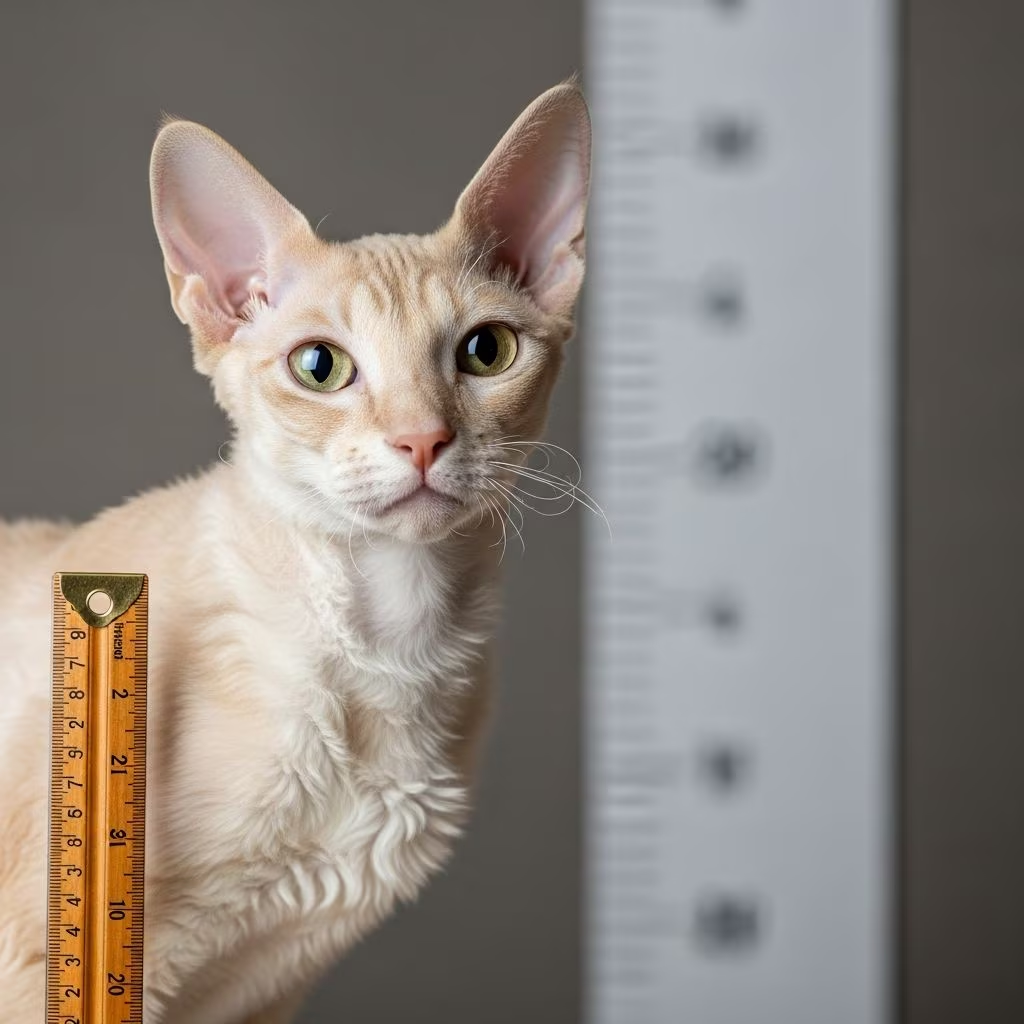
Understanding Cornish Rex Size and Weight
The Cornish Rex is a small to medium-sized cat breed known for its distinctive appearance and slender build. Despite their delicate appearance, these cats possess a surprisingly muscular and sturdy physique. Understanding the typical size and weight ranges for Cornish Rex cats at different life stages is essential for owners to ensure their pets are developing healthily and maintaining proper nutrition. Due to their unique body structure characterized by long, slender legs and a naturally arched back, Cornish Rex cats often appear larger than they actually are until you pick them up.
Typical Adult Cornish Rex Weight and Size
Adult Cornish Rex cats display notable sexual dimorphism when it comes to size and weight. Female Cornish Rex cats typically weigh between 5 to 7 pounds, while males usually weigh between 8 to 10 pounds. Despite these relatively modest weights, these cats carry themselves with an athletic and graceful bearing that can make them appear more substantial than their actual mass.
The breed’s distinctive physical characteristics contribute to their seemingly larger appearance. Their long, slender legs and elevated posture create an illusion of greater size. The naturally arched back and tucked-up waistline are characteristic features that give Cornish Rex cats their distinctive silhouette, often compared to the sleek appearance of a Greyhound. Their long, tapering tail adds to their overall elegant and elongated appearance.
Cornish Rex Growth Stages and Development Timeline
Cornish Rex kittens undergo several distinct growth phases from birth to adulthood. Understanding these developmental stages helps owners monitor their kitten’s progress and identify any potential health concerns early on.
Newborn to 4 Weeks
Newborn Cornish Rex kittens are extremely small and fragile. During the first four weeks of life, kittens are entirely dependent on their mother for nutrition and warmth. Growth during this period is rapid, with kittens typically doubling or tripling their birth weight. By the end of the fourth week, kittens may weigh approximately 1 to 1.5 pounds and begin to show interest in solid foods.
4 to 8 Weeks
Between 4 and 8 weeks of age, Cornish Rex kittens experience accelerated growth and development. During this period, kittens become more independent and begin weaning from their mother. They typically weigh between 1.5 to 3 pounds by 8 weeks of age. At this stage, kittens become more playful and interactive, displaying the characteristic curiosity and energy that defines the breed.
8 to 12 Weeks
By 12 weeks of age, Cornish Rex kittens usually weigh between 2.5 to 4 pounds. Their personality traits become increasingly apparent during this stage, with kittens demonstrating their characteristic intelligence and athleticism. This is an ideal time for kittens to be introduced to their permanent homes, as they have typically completed their early vaccinations.
3 to 6 Months
Between 3 and 6 months of age, Cornish Rex kittens continue their rapid growth trajectory. By 6 months, most kittens weigh between 4 to 6 pounds. During this period, their athletic abilities become more pronounced, and they demonstrate increased jumping, running, and climbing abilities that are characteristic of the breed.
6 to 12 Months
Between 6 and 12 months of age, growth rates begin to slow as kittens approach their adult size. Most Cornish Rex cats reach approximately 80 to 90 percent of their adult weight by 12 months of age. However, some cats may continue to develop and fill out until approximately 18 months of age.
Beyond 12 Months: Adult Stage
By 12 to 18 months of age, most Cornish Rex cats have reached their full adult size and weight. Their personalities are fully developed, and they have established their characteristic behaviors and preferences. These cats retain their kitten-like energy and playfulness throughout their entire lives, remaining active and athletic well into their senior years.
Cornish Rex Weight Management and Body Condition
Despite their small size, Cornish Rex cats have surprisingly large appetites and enjoy eating a variety of foods. Their metabolism is generally robust, and they maintain their ideal weight when provided with adequate exercise opportunities. The close-lying nature of their distinctive coat makes it easy for owners to assess their cat’s body condition and identify if they are gaining excess weight.
Cornish Rex cats are athletic and energetic animals that require regular interactive play and exercise to maintain optimal health. When provided with adequate space and stimulation, most Cornish Rex cats naturally maintain a lean, muscular physique. Owners should monitor their cat’s weight regularly and adjust food portions as needed based on activity level and body condition.
Physical Characteristics That Affect Apparent Size
Several distinctive physical characteristics contribute to how Cornish Rex cats appear in terms of size:
- Long, slender legs: The breed stands high on its legs, creating an elongated appearance that makes them seem taller and larger than their actual weight.
- Arched back: The naturally curved spine and “tuck-up” at the waistline contribute to their distinctive silhouette and Greyhound-like appearance.
- Large ears: Positioned high on their egg-shaped head, these prominent ears add visual interest and can make the head appear larger.
- Long, flexible tail: The tail tapers gracefully and extends the overall visual length of the cat.
- Large, expressive eyes: Their oval-shaped eyes with an upward slant give them an alert and engaged expression.
- Fine-boned structure: Despite their elegant appearance, Cornish Rex cats possess hard, muscular bodies that are surprisingly dense.
Cornish Rex Growth Chart Overview
The following table provides a general overview of typical Cornish Rex growth patterns from birth through adulthood:
| Age | Typical Weight Range (Pounds) | Key Developmental Milestones |
|---|---|---|
| Newborn | 0.2 – 0.4 | Entirely dependent on mother; eyes closed; minimal movement |
| 4 Weeks | 1.0 – 1.5 | Eyes open; beginning to explore; interest in solid foods |
| 8 Weeks | 1.5 – 3.0 | Weaning process; increased playfulness; ready for new home |
| 12 Weeks | 2.5 – 4.0 | Personality traits apparent; vaccinations progressing; increased independence |
| 6 Months | 4.0 – 6.0 | Athletic abilities becoming pronounced; rapid growth continuing |
| 12 Months | 5.0 – 9.0 | Approaching adult size; growth rate slowing; personality fully developed |
| 18+ Months (Adult) | 5.0 – 10.0 | Full adult size reached; females 5-7 lbs; males 8-10 lbs |
Factors Affecting Cornish Rex Growth and Size
Several factors can influence the growth rate and final size of Cornish Rex cats:
Genetics and Breeding
Genetic factors play a significant role in determining an individual cat’s ultimate size and growth rate. Kittens from larger parents may reach the upper end of the size range, while those from smaller parents may remain on the smaller side.
Nutrition
Proper nutrition during the critical growth phases is essential for healthy development. High-quality kitten food formulated specifically for growing cats supports optimal bone and muscle development. Cornish Rex cats have large appetites and should be fed appropriate portions based on their age and activity level.
Exercise and Activity Level
The breed’s high activity level and athletic nature promote healthy muscle development and help maintain lean body condition. Cornish Rex cats that have access to adequate space for running, jumping, and climbing typically develop more robust musculature compared to less active cats.
Health and Medical Factors
Any underlying health conditions or chronic illnesses can affect growth patterns. Regular veterinary care and addressing health issues promptly ensures that growth proceeds normally.
Cornish Rex Distinctive Coat and Appearance
The Cornish Rex’s most distinctive feature is its unique, wavy coat that sets it apart from all other cat breeds. The coat consists of soft, silky fur that forms tight waves lying close to the body, resembling a washboard or corn rows. This coat is relatively easy to maintain compared to longer-haired breeds, though occasional grooming helps prevent matting and reduces shedding.
The breed can display any color or pattern combination, and their bodies feel noticeably warmer to the touch than average cats because they have a slightly higher than normal body temperature. This characteristic makes them particularly appreciative of warm environments and cozy lap time with their owners.
Personality and Behavioral Traits
Beyond their distinctive physical appearance, Cornish Rex cats are renowned for their exceptional personalities. These cats are highly intelligent, social, and affectionate, often referred to as “Velcro kitties” because of their need to maintain constant physical contact with their favorite people. They thrive on attention and like to be involved in every household activity.
Cornish Rex cats retain their kitten-like energy and playfulness throughout their entire lives, remaining active, acrobatic, and clownish well into adulthood. They are excellent choices for families with children and other pets, and many have been known to learn to walk on a leash in order to spend more time with their owners.
Frequently Asked Questions
Q: How much does a full-grown Cornish Rex cat typically weigh?
A: Adult female Cornish Rex cats typically weigh between 5 to 7 pounds, while males usually weigh between 8 to 10 pounds. Despite these modest weights, they often appear larger due to their tall posture and slender build.
Q: At what age do Cornish Rex cats reach their full adult size?
A: Most Cornish Rex cats reach approximately 80 to 90 percent of their adult weight by 12 months of age. However, some cats may continue to develop until approximately 18 months of age.
Q: Why do Cornish Rex cats appear larger than they actually are?
A: Their long, slender legs, naturally arched back, elevated posture, and distinctive silhouette create an illusion of greater size than their actual weight. They are often compared to Greyhound dogs for this reason.
Q: How can I tell if my Cornish Rex cat is overweight?
A: The close-lying nature of their distinctive coat makes it easy to assess body condition. A healthy Cornish Rex should have visible ribs and waist definition when viewed from above.
Q: What should I feed my growing Cornish Rex kitten?
A: High-quality kitten food formulated specifically for growing cats supports optimal development. Cornish Rex cats have large appetites, so portions should be adjusted based on age and activity level. Consult your veterinarian for specific feeding recommendations.
Q: Are Cornish Rex cats good for families with children?
A: Yes, Cornish Rex cats are excellent family pets. They are affectionate, playful, and social, and their loving temperament and sturdy build make them ideal for households with children and other pets.
References
- Cornish Rex Breed Standard — The Cat Fanciers’ Association. Accessed January 2026. https://cfa.org/breed/cornish-rex/
- Cornish Rex — Governing Council of the Cat Fancy. Accessed January 2026. https://en.wikipedia.org/wiki/Cornish_Rex
- Cornish Rex Cat Breed — Hill’s Pet Nutrition. Accessed January 2026. https://www.hillspet.com/cat-care/cat-breeds/cornish-rex
- Cornish Rex Breed Profile — The International Cat Association (TICA). Accessed January 2026. https://tica.org/breed/cornish-rex/
- Cornish Rex Cats: What to Know — WebMD Pets. Accessed January 2026. https://www.webmd.com/pets/cats/what-to-know-about-a-cornish-rex



