

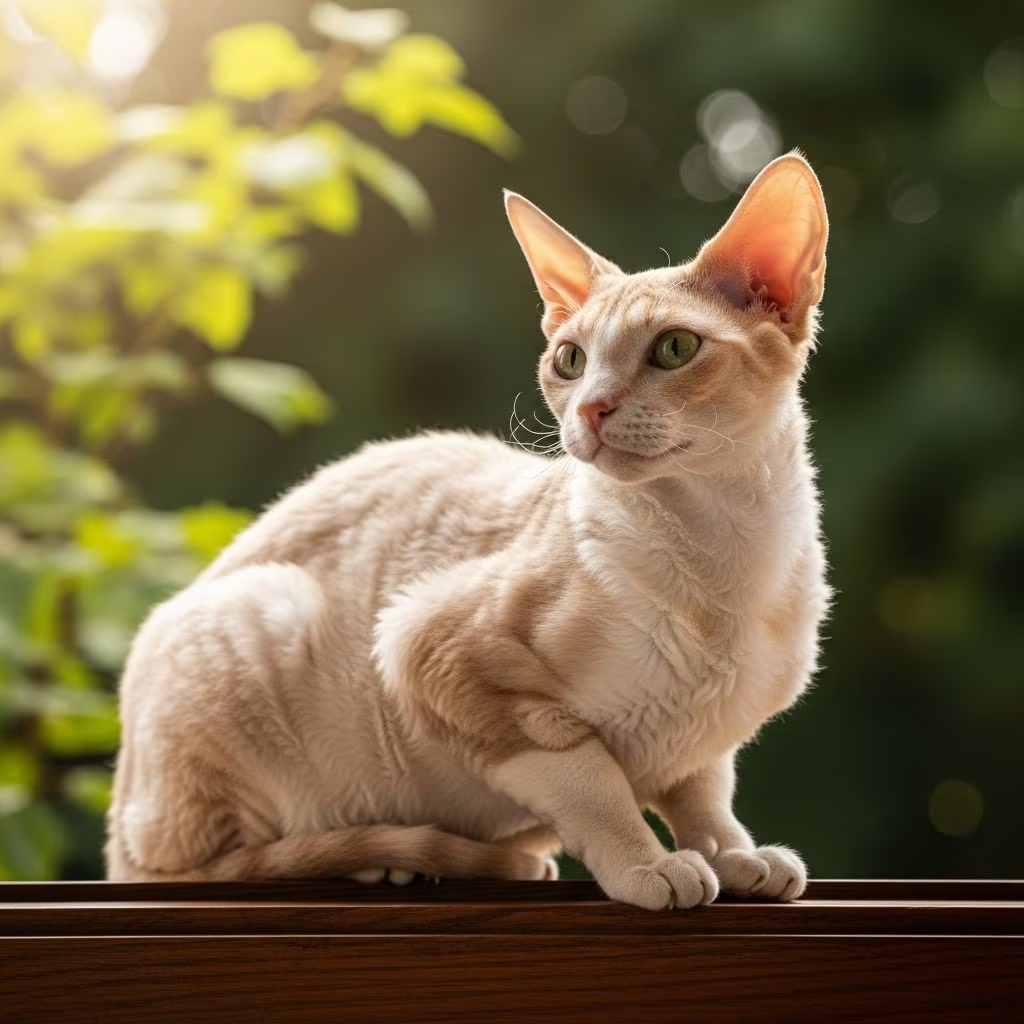
The Cornish Rex stands out as a captivating feline breed known for its soft, rippled coat and elegant, athletic form. This cat combines striking visuals with a vibrant personality, making it a favorite among enthusiasts who appreciate lively pets.
Origins and Development of the Breed
The Cornish Rex emerged in the 1950s in Cornwall, England, from a genetic mutation in a barn cat’s litter that produced the signature curly fur. Breeders recognized the potential of this recessive trait and began selective programs to establish the line, distinguishing it from similar Rex variants like the Devon Rex through its unique coat structure lacking guard hairs.
Early efforts focused on refining the breed’s racy body type and wavy pelt, leading to recognition by major cat registries. Today, it thrives as a standardized breed with a history rooted in British innovation, evolving into a global favorite for its distinctive appearance and spirited demeanor.
Distinctive Physical Features
Cornish Rex cats possess a slender, muscular frame that gives them a greyhound-like silhouette, complete with an arched back, deep chest, and tucked abdomen. They stand tall on fine-boned legs, with males typically weighing 8-10 pounds and females 5-7 pounds, though their warm-to-the-touch body often feels denser than expected.
The head is egg-shaped or wedge-like, featuring high-set, large ears that taper to rounded tips, oval eyes in varied colors, and a prominent Roman nose. Their tail is long, tapering, and highly flexible, aiding in their acrobatic feats.
Signature Coat Characteristics
- Extremely soft, short, and densely wavy, forming tight marcel patterns from head to tail tip.
- Lacks guard hairs, composed mainly of down and awn hairs for a velvety texture.
- Curly whiskers and eyebrows enhance their quirky look; full maturity may take up to three years.
- Available in all colors and patterns, as coat color does not affect breed standards.
This low-shedding coat requires minimal grooming but benefits from weekly wiping to manage natural oils, especially on ears and paws.
Temperament and Behavioral Traits
Renowned for their intelligence and clownish antics, Cornish Rex cats retain kittenish energy into adulthood. They are highly social, craving interaction and often following owners room-to-room, earning the nickname “Velcro kitties.”
These felines excel in play, loving fetch, leaping, and exploring, which makes them ideal for active households. While affectionate, they converse softly rather than yowl excessively, preferring action over vocalization.
| Trait | Description |
|---|---|
| Affection Level | High; thrives on lap time and handling. |
| Energy | Boundless; needs daily interactive exercise. |
| Social Fit | Great with kids, dogs, and other cats. |
| Trainability | Excellent; learns tricks and leash walking. |
Ideal Living Environments
Cornish Rex cats flourish in homes offering ample vertical space for climbing and enrichment toys mimicking hunts. Their sensitivity to cold due to the fine coat necessitates warm, draft-free indoors, though they enjoy supervised outdoor time in mild weather.
Not suited for constant solitude, they adapt well to travel and multi-pet homes but require childproofing to curb their curiosity with objects.
Health and Wellness Considerations
With a lifespan of 15-20 years, Cornish Rex are generally robust but prone to certain issues like hypertrophic cardiomyopathy, patellar luxation, and urinary tract problems due to their metabolism and build. Regular vet checkups, a high-protein diet, and portion control prevent obesity despite hearty appetites that extend to fruits and veggies.
- Monitor for oily skin buildup; gentle baths occasionally help.
- Provide scratching posts to maintain paw health.
- Annual genetic screenings recommended for breeders.
Grooming and Daily Care Routines
Maintenance is straightforward: weekly ear cleaning, nail trims, and coat stroking suffice to distribute oils and check skin. Dental care prevents common feline issues, and their flexibility aids in easy handling.
Feed nutrient-dense food supporting muscle tone; fresh water is essential given their playful exertion.
Nutrition Needs for Optimal Vitality
Despite slim appearances, these cats demand calorie-rich meals with quality proteins to fuel activity. Avoid overfeeding; monitor weight via visible waistline thanks to the close coat. Supplements like omega fatty acids benefit skin health.
Training and Enrichment Strategies
Harness their smarts with puzzle feeders, agility courses, and clicker training for commands or harness use. Rotate toys to sustain interest and prevent mischief.
Bringing a Cornish Rex into Your Home
Adopt from reputable breeders or rescues emphasizing health testing. Prepare with tall furniture, secure cabinets, and commitment to engagement. Early socialization ensures well-rounded adults.
Common Myths Debunked
- Myth: They are fragile. Fact: Muscular and resilient despite delicate looks.
- Myth: High-maintenance coat. Fact: Easier than average due to no undercoat.
- Myth: Hypoallergenic. Fact: Low-shed but produces dander; test for allergies.
Frequently Asked Questions (FAQs)
Are Cornish Rex cats good for apartments?
Yes, if provided vertical spaces and playtime; their energy fits small active homes.
How much exercise do they need?
30-60 minutes daily of interactive play to channel their athleticism.
Do they get along with dogs?
Typically yes; their playful nature fosters friendships.
What’s the best diet for them?
High-quality, protein-focused kibble or wet food, portioned to maintain lean build.
Can they go outdoors?
Supervised only; prefer indoor warmth but enjoy harness walks.
Why Choose a Cornish Rex?
This breed offers joy through its warmth, agility, and devotion, transforming homes into adventure zones. Their unique traits demand engaged owners but reward with unwavering companionship.
References
- Cornish Rex – The Cat Fanciers’ Association — CFA. Accessed 2026. https://cfa.org/breed/cornish-rex/
- Cornish Rex – Wikipedia — Wikipedia contributors. Accessed 2026. https://en.wikipedia.org/wiki/Cornish_Rex
- Cornish Rex Cat Breed Information — Purina UK. Accessed 2026. https://www.purina.co.uk/find-a-pet/cat-breeds/cornish-rex
- Cornish Rex – TICA — The International Cat Association. Accessed 2026. https://tica.org/breed/cornish-rex/
- Cornish Rex Cat Breed — Hill’s Pet Nutrition. Accessed 2026. https://www.hillspet.com/cat-care/cat-breeds/cornish-rex
- Cornish Rex Cats: What to Know — WebMD. Accessed 2026. https://www.webmd.com/pets/cats/what-to-know-about-a-cornish-rex



