

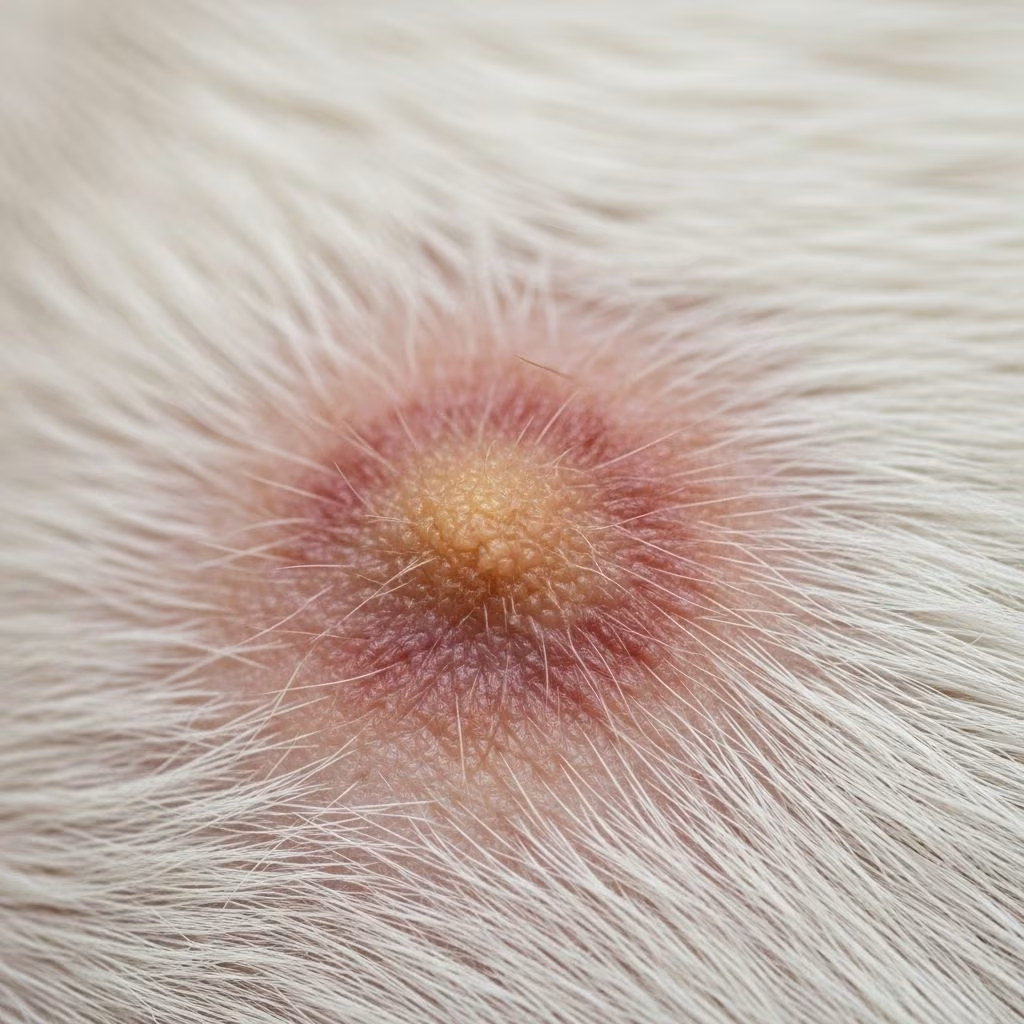
Understanding Cornifying Epitheliomas in Dogs
Cornifying epitheliomas, also known as intracutaneous cornifying epitheliomas, infundibular keratinizing acanthomas, or keratoacanthomas, are benign skin tumors that develop in dogs. These growths originate from cells within the hair follicles and represent a common dermatological condition encountered in veterinary practice. Understanding this condition is essential for dog owners seeking to recognize symptoms early and pursue appropriate treatment for their pets.
What Are Cornifying Epitheliomas?
Cornifying epitheliomas develop when cells in the hair follicles multiply uncontrollably, creating keratin—a tough substance normally found in hair and nails. In this condition, keratin accumulates within the tumor in abnormal amounts, resulting in firm, nodular masses that distinguish these growths from typical skin lesions.
These tumors appear as firm, nodular masses that may ulcerate and create open sores, or they may feature a small hole or pore that can release a thick, cheese-like discharge. While cornifying epitheliomas often occur individually, they can develop in multiple locations across the dog’s body. Some growths affect the nail bed and are specifically called subungual keratoacanthomas, which present unique diagnostic and treatment challenges.
Characteristics and Appearance
Cornifying epitheliomas present distinctive physical characteristics that help distinguish them from other skin conditions. The growths typically appear as small, fleshy, rounded masses with a cauliflower-like texture to the surface. They stick up from the skin surface and may resemble horns, which explains their “cornifying” designation. The tumors can vary significantly in size, and hair loss may occur around the affected area.
What Causes Cornifying Epitheliomas?
The exact cause of cornifying epitheliomas remains not fully understood by veterinary researchers; however, several factors have been identified as contributing to their development. These tumors are linked to abnormal keratinization processes within hair follicles, representing a disruption in normal skin cell development and function.
Breed Predisposition
Certain dog breeds demonstrate significantly higher predisposition to developing cornifying epitheliomas, suggesting a genetic component to the condition. Terriers, keeshonds, Norwegian elkhounds, and German shepherds are among the breeds most frequently affected. This breed-specific tendency indicates that hereditary factors likely play an important role in tumor development, though the exact genetic mechanisms require further research.
Additional Risk Factors
Beyond genetic predisposition, hormonal influences and chronic irritation may also contribute to the development of cornifying epitheliomas. These secondary factors can trigger or accelerate the abnormal keratinization process, particularly in genetically susceptible individuals. While rare, there are documented reports of cornifying epitheliomas occurring in cats, expanding the understanding of this condition beyond canine populations.
How Are Cornifying Epitheliomas Diagnosed?
Accurate diagnosis is crucial for determining the appropriate treatment approach and ruling out more serious conditions. The diagnostic process typically begins with a thorough physical examination, followed by confirmatory testing procedures.
Fine Needle Aspiration
Fine needle aspiration (FNA) represents one of the primary diagnostic techniques used to evaluate cornifying epitheliomas. This minimally invasive procedure involves collecting cell samples from the tumor, which are then examined under a microscope through cytology analysis. FNA provides preliminary information about the tumor’s cellular composition and can often confirm a benign diagnosis.
Histopathology
In cases where FNA results are not conclusive, histopathology provides definitive diagnosis. This procedure involves obtaining a tissue biopsy of the tumor, which is then analyzed to determine tissue structure and cellular characteristics. Histopathological examination allows veterinarians to confirm the diagnosis with certainty and assess the tumor’s benign nature.
Imaging Studies
X-rays (radiographs) may be recommended as part of the diagnostic workup, particularly for tumors affecting the nail bed or those located near bone structures. Imaging helps determine if the tumor has affected underlying bone structure and guides surgical planning when treatment is necessary.
How Do Cornifying Epitheliomas Typically Progress?
Understanding the natural progression of cornifying epitheliomas helps owners make informed decisions about monitoring and treatment. These tumors generally follow a predictable pattern of development:
- Generally slow-growing and non-aggressive in nature
- Rarely spread to other parts of the body (metastasize), maintaining their benign classification
- Without treatment, may become inflamed, infected, or ulcerated, leading to discomfort or secondary complications like skin infections
- When affecting the nail bed, may cause nail deformities, limping, and altered bone appearance on X-rays
The slow growth rate of cornifying epitheliomas means that owners often have time to observe the condition and make treatment decisions without urgency. However, complications from secondary infections or ulceration can develop if the tumor is repeatedly traumatized through licking or scratching.
What Are the Treatment Options for Cornifying Epitheliomas?
Treatment approach depends on several factors, including the tumor’s size, location, overall health status of the dog, and whether the growth is causing discomfort or complications.
Surgical Removal
Surgery is often the treatment of choice for single masses. Surgical removal offers the advantage of complete tumor elimination, and the risk of recurrence is low when the mass is removed entirely. The procedure involves careful excision of the tumor along with appropriate margins to ensure complete removal and minimize recurrence risk. For tumors affecting the nail bed, surgical removal may require specialized techniques to address both the growth and any underlying bone involvement.
Cryosurgery and Laser Ablation
Cryosurgery, a technique that uses liquid nitrogen spray to freeze tissue, may be an option for smaller, more superficial masses. Similarly, laser ablation represents another non-traditional surgical approach that can be effective for appropriate candidates. These techniques offer advantages for specific tumor locations and sizes where traditional surgery may not be ideal.
Medical Management
In cases where surgery isn’t feasible or practical, medications may be prescribed to manage inflammation or infection. However, it’s important to note that medications do not resolve the tumor itself—they only manage associated symptoms and complications. Your veterinarian may recommend retinoids to try to improve overall skin health and potentially slow tumor growth, though this remains an adjunctive therapy rather than a primary treatment.
Topical and Supportive Treatments
Medicated ointments or shampoos may help manage minor growths and reduce inflammation. These supportive treatments work best as part of a comprehensive management plan, particularly for dogs where surgery is not immediately necessary or recommended.
Prevention and Management
While cornifying epitheliomas cannot be prevented entirely in genetically predisposed dogs, certain management strategies can minimize complications and discomfort.
Preventing Self-Trauma
Your pet should not be allowed to bite, lick, or scratch the tumor, as doing so may cause bleeding, ulceration, and secondary infection. This requires active monitoring and potentially the use of protective measures such as Elizabethan collars if the tumor is within reach of the dog’s mouth. Managing self-trauma is crucial for preventing complications that might necessitate emergency veterinary intervention.
Regular Monitoring
Monitor your pet’s mass closely and look for any new masses developing. Maintain a record of the tumor’s appearance, size, and any changes observed over time. Contact your veterinarian as soon as possible if you see any changes, including signs of ulceration, bleeding, drainage, or inflammation. Early intervention when complications develop can prevent serious secondary infections.
Prognosis and Long-Term Outlook
The prognosis for cornifying epitheliomas is generally excellent. These benign tumors rarely metastasize or cause life-threatening complications when managed appropriately. Most dogs with surgically removed tumors experience complete resolution without recurrence, particularly when the entire tumor is removed with adequate margins. Even in cases where surgery is not performed, the slow growth rate allows for extended periods of observation without intervention.
When to Contact Your Veterinarian
Prompt veterinary consultation is important when you notice any unusual skin growths on your dog. Additionally, seek immediate veterinary attention if you observe:
- Bleeding or discharge from the tumor
- Signs of infection, including swelling, warmth, or pus
- Rapid growth or change in appearance
- Evidence that your dog is licking or chewing the tumor
- Lamping or mobility issues if the tumor affects the paw or nail bed
- Development of new tumors in other locations
Frequently Asked Questions About Cornifying Epitheliomas
Q: Are cornifying epitheliomas cancerous?
A: No, cornifying epitheliomas are benign tumors, not cancer. They rarely spread to other parts of the body and do not develop into malignant conditions when left untreated, though complications from secondary infection can develop.
Q: Do all cornifying epitheliomas require treatment?
A: No, treatment is not always necessary. If the tumor is not causing discomfort, self-trauma, or other complications, monitoring alone may be appropriate. Treatment becomes important when tumors ulcerate, become infected, or interfere with normal function.
Q: Can cornifying epitheliomas recur after surgical removal?
A: Recurrence risk is low when the entire tumor is removed with adequate margins. However, new tumors may develop at different locations in genetically predisposed dogs.
Q: What is the best treatment option?
A: Surgery is often considered the most effective treatment for single tumors. However, the best option depends on the specific situation, including tumor size, location, number of tumors, and your dog’s overall health. Your veterinarian will recommend the most appropriate approach for your individual pet.
Q: Are certain breeds more prone to cornifying epitheliomas?
A: Yes, terriers, keeshonds, Norwegian elkhounds, and German shepherds show higher predisposition. However, the condition can occur in any breed.
Q: Can retinoids cure cornifying epitheliomas?
A: Retinoids do not cure the condition but may help improve skin health and manage symptoms in some cases. They are typically used as adjunctive therapy rather than primary treatment.
Q: How often should I monitor my dog’s tumors?
A: Regular monthly checks are recommended to monitor for changes in size, appearance, or development of new growths. Bring any significant changes to your veterinarian’s attention promptly.
References
- Cornifying Epitheliomas in Dogs — VCA Animal Hospitals. 2024. https://vcahospitals.com/know-your-pet/cornifying-epitheliomas-in-dogs
- Tumors of the Skin in Dogs – Dog Owners — Merck Veterinary Manual. 2024. https://www.merckvetmanual.com/dog-owners/skin-disorders-of-dogs/tumors-of-the-skin-in-dogs
- Lumps, Bumps, and Cysts on Dogs — PetMD. 2024. https://www.petmd.com/dog/symptoms/lumps-bumps-and-cysts-dogs
- Benign Skin Tumors in Dogs — Healing Vet. 2024. https://www.hvsevet.com/blog/11/benign-skin-tumors-in-dogs
- Nail-like Growth on Dogs — Friends of the Dog. 2024. https://www.friendsofthedog.co.za/nail-like-growth-on-dogs.html



