

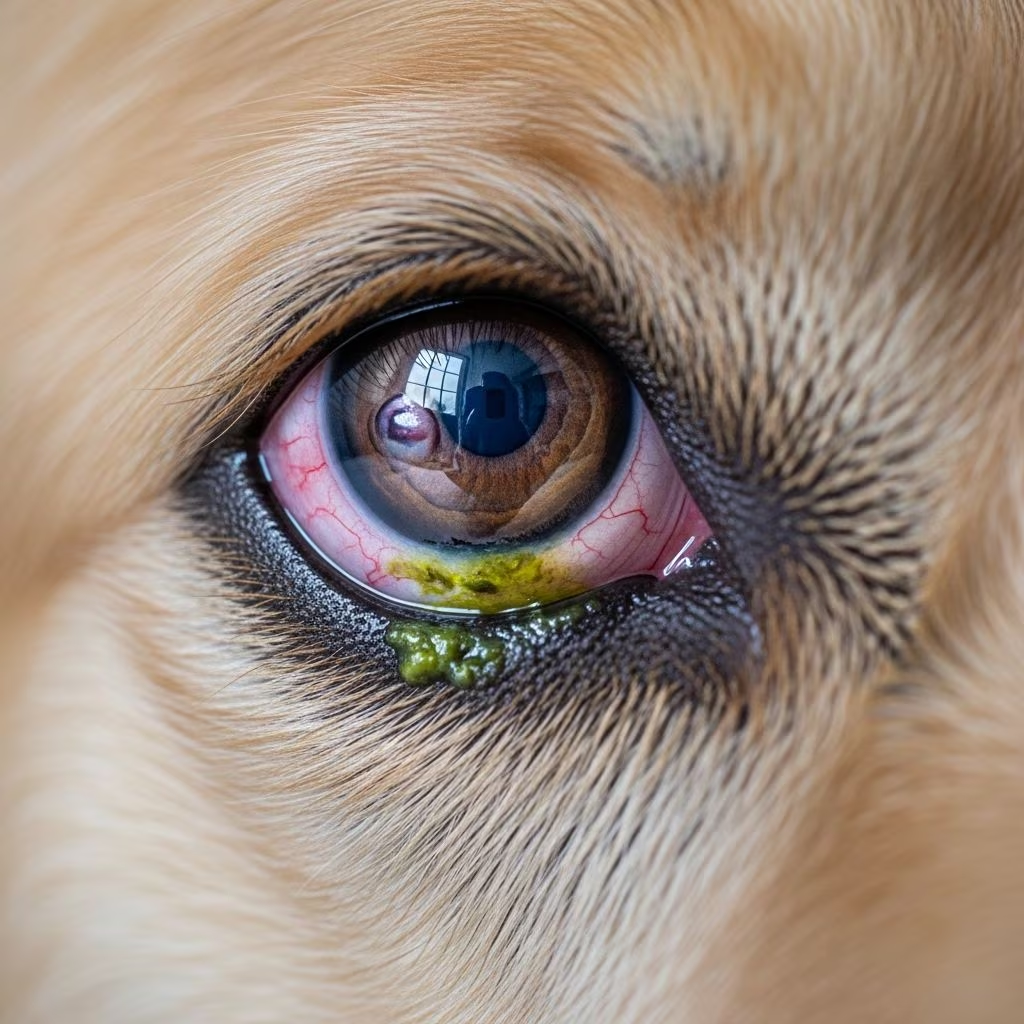
Corneal Ulcers in Dogs: Understanding This Serious Eye Condition
Corneal ulcers represent a significant eye condition in dogs that requires prompt veterinary attention and care. The cornea, which is the clear outer layer of the eye, can develop ulcers when the protective epithelium is damaged or compromised. These ulcers range from minor surface scratches to deep, penetrating wounds that can threaten your dog’s vision and overall eye health. Understanding the causes, recognizing the symptoms, and knowing when to seek veterinary care are essential for every dog owner concerned about their pet’s ocular health.
What Are Corneal Ulcers?
A corneal ulcer is an erosion or loss of the corneal epithelium, the outermost protective layer of the eye. When this layer is damaged, it exposes the underlying corneal tissue, leading to pain, inflammation, and potential infection. The cornea plays a critical role in vision by focusing light onto the retina, making its health crucial for maintaining your dog’s sight. Unlike minor scratches that heal quickly without treatment, corneal ulcers require intervention to prevent complications and ensure proper healing.
The severity of corneal ulcers varies significantly. Superficial ulcers affect only the epithelium and generally heal within three to five days with appropriate treatment. However, deeper ulcers that penetrate the stromal layer—the thick middle section of the cornea—are more serious and can lead to scarring, vision loss, or even eye rupture if left untreated.
Common Causes of Corneal Ulcers in Dogs
Corneal ulcers in dogs can result from various causes, each requiring different approaches to treatment and management. Identifying the underlying cause is essential for developing an effective treatment plan and preventing recurrence.
Trauma and Injury
The most common cause of corneal ulcers is direct trauma to the eye. This can occur from scratches, foreign objects, or self-inflicted injury when dogs rub their eyes excessively. Activities involving vegetation, dust, or other environmental hazards can also damage the corneal surface. Even minor scratches from a cat’s claws or rough play can initiate ulcer formation.
Dry Eye (Keratoconjunctivitis Sicca)
Keratoconjunctivitis sicca, commonly known as dry eye or KCS, is a frequent predisposing factor for corneal ulcers in dogs. This condition involves inadequate tear production or poor tear quality, leaving the cornea vulnerable to damage. Dogs with dry eye are at significantly higher risk of developing ulcers because the protective tear film cannot maintain corneal health. The lack of tears means reduced lubrication and compromised immune protection of the eye surface.
Chronic Corneal Exposure
Certain dog breeds with prominent eyes or facial structure abnormalities experience chronic exposure of the cornea, meaning part of the eye remains open even when the eyelids are closed. Brachycephalic breeds such as Bulldogs, Pugs, and Shih Tzus are particularly susceptible to this condition. Chronic exposure leads to inadequate lubrication and increased vulnerability to ulceration.
Facial Nerve Paralysis
Dogs experiencing facial nerve paralysis may lose the ability to blink properly, leading to corneal desiccation and exposure. This condition can result from various causes including neurological issues or systemic disease. The inability to spread tears across the cornea combined with incomplete eyelid closure creates ideal conditions for ulcer development.
Chemical or Thermal Burns
Exposure to caustic substances, extreme heat, or cold can damage the cornea and lead to ulcer formation. Chemical burns from cleaning products, pesticides, or other irritants require immediate veterinary attention to prevent severe corneal damage.
Recognizing Symptoms of Corneal Ulcers
Dogs with corneal ulcers typically display obvious signs of eye discomfort and inflammation. Pet owners should watch vigilantly for these symptoms, as early recognition and treatment significantly improve outcomes.
Primary symptoms include:
– Excessive squinting or blepharospasm (involuntary eyelid spasm)- Redness of the conjunctiva (the tissue surrounding the eye)- Excessive tearing or ocular discharge- Pain behaviors such as pawing at the eye or reluctance to open the eye- Light sensitivity (photophobia)- Cloudiness or bluish-white appearance of the cornea (corneal edema)- Yellow or greenish discharge indicating bacterial infection or cellular infiltrate- Behavioral changes including irritability or withdrawn demeanor
The corneal stroma is heavily innervated with pain receptors, meaning stromal ulcers can be particularly painful for dogs. If you notice any of these symptoms, scheduling an immediate veterinary examination is crucial to prevent progression and ensure appropriate treatment.
Diagnosis of Corneal Ulcers
Veterinarians employ several diagnostic techniques to identify corneal ulcers and determine their severity. A thorough examination allows the veterinarian to classify the ulcer and develop an appropriate treatment strategy.
Fluorescein Staining
The primary diagnostic tool for corneal ulcers is fluorescein staining. This special dye adheres to damaged corneal epithelium, making ulcers visible as bright green areas under examination. This simple, non-invasive test reveals the location, size, and extent of the ulcer.
Schirmer Tear Test
This test measures tear production to evaluate for dry eye as an underlying cause. Values below 15 mm/min may indicate dry eye condition, which would require specific treatment approaches. This information helps the veterinarian determine if tears are adequate for corneal health.
Bacterial Culture
When infection is suspected, the veterinarian may collect samples for bacterial culture to identify the specific organism and appropriate antibiotics. Culture swabs should be refrigerated and plated as soon as feasible to ensure accurate results.
Corneal Sensitivity Testing
The veterinarian may test corneal sensation using a sterile wisp of cotton to assess nerve function, which helps identify conditions like facial nerve paralysis or other neurological issues affecting the eye.
Treatment Options for Corneal Ulcers
Treatment approaches depend on the severity of the ulcer and its underlying cause. Prompt intervention prevents complications and promotes faster healing.
Superficial Ulcers Treatment
Corneal abrasions and superficial ulcers generally heal within three to five days with appropriate care. Treatment typically involves antibiotic eye drops or ointment administered multiple times daily to prevent bacterial infection. Pain management is also essential, often including oral pain medications and atropine drops to relax the eye muscles.
Medication Management
Antibiotic Eye Drops or Ointments: Applied 2-4 times daily to prevent secondary bacterial infection and promote healing. For simple ulcers without infection, topical antibiotics three to four times daily may be sufficient. Choices include topical aminoglycosides or triple antibiotic combinations.
Pain Relief Medications: Non-steroidal anti-inflammatory drugs (NSAIDs) are excellent for reducing pain and inflammation. Dogs benefit significantly from oral pain medications including NSAIDs, tramadol, or gabapentin depending on ulcer severity. Atropine eye drops may be prescribed to relax the ciliary muscles and dilate the pupil, providing pain relief. A single topical application typically lasts several days in dogs.
Lubricating Drops: Lubricating eye drops similar to artificial tears soothe the eye and maintain moisture during healing.
Tear Stimulants: For dry eye-related ulcers, tear stimulants such as tacrolimus or cyclosporine are essential. The 0.03% tacrolimus ointment formulation serves dual purposes—it stimulates tear production and provides lubrication, making it ideal for moderate to severe dry eye. These medications should be used for at least three months to assess effectiveness.
Advanced Treatment Procedures
Diamond Burr Debridement: For recurrent or refractory ulcers, veterinarians may perform diamond burr debridement to remove loose epithelium that is not properly adhering to the underlying tissue. Following debridement, a soft contact bandage lens may be placed, and treatment continues with antibiotics and oral NSAIDs for approximately two weeks before reexamination.
Grid Keratotomy: This minor surgical procedure involves creating a pattern of small scratches on the corneal surface to stimulate healing and promote epithelial cell migration.
Platelet-Rich Plasma (PRP) Therapy: An innovative approach utilizing the patient’s own blood to accelerate healing. Blood is drawn and processed to separate platelets, which are then applied as eye drops to the ulcer. Platelets contain bioactive proteins and growth factors that promote tissue repair and regeneration.
Soft Contact Bandage Lens: These special lenses provide mechanical protection to the healing cornea while allowing medication application and tear circulation.
Surgical Treatment for Deep Ulcers
Deep corneal ulcers require more aggressive intervention to prevent progression and potential eye rupture. Complicated eye ulcers often require potent topical antibiotics administered every 2-4 hours depending on the diagnosis, combined with oral antibiotics and pain management. In severe cases, referral to a veterinary ophthalmologist for corneal grafting may be necessary to stabilize the cornea and prevent rupture.
Treatment for Chronic Exposure
Dogs with breed-related chronic corneal exposure should receive lifelong topical lubricant treatment. If lubrication alone is insufficient, surgical procedures such as canthoplasty may be performed to reduce corneal exposure by adjusting the eyelid anatomy. A tarsorrhaphy, which partially sutures the eyelids together to narrow the opening and reduce exposure, may also be recommended as a temporary or permanent solution.
Elizabethan Collar Protection
One of the most critical components of corneal ulcer treatment is preventing self-trauma through protective equipment. An Elizabethan collar (E-collar or cone) is highly recommended for any dog with a corneal ulcer until complete healing occurs. Within an hour of corneal injury, epithelial cells begin migrating to the defect in a leapfrog fashion. However, newly formed epithelium is loosely attached and easily damaged by pawing or rubbing.
Not all E-collars provide adequate protection—soft cloth collars and donut-style collars fail to shield the eyes from the dog’s paws. Rigid plastic or hard plastic cones that fully cover the eye area provide optimal protection. Owners should ensure proper fit and monitor their dog’s comfort while wearing the collar.
Special Considerations for Specific Conditions
Spontaneous Chronic Corneal Erosion Disease (SCCED)
Certain breeds, particularly Boxers, are predisposed to SCCED, a recurrent ulcer condition. Boxers are 2.3 times more likely than other breeds to experience SCCED in the opposite eye within 24 months after an initial episode. Owners should be counseled that once a dog has experienced SCCED, recurrence is far more likely, requiring vigilant monitoring and preventive care.
Dry Eye-Related Ulcers
Dogs with keratoconjunctivitis sicca require comprehensive tear management. Corneal ulcers in dogs with dry eye become serious quickly due to poor corneal health and inadequate tear protection. Treatment should include artificial tear ointments or lubricants, prophylactic topical antibiotics, and tear stimulants for extended periods. Dogs with chronic dry eye develop increased corneal resilience over time through pigment deposition and fibrosis, making them more resistant to ulceration once stabilized.
Recovery and Aftercare
Most uncomplicated corneal ulcers heal within one week with appropriate treatment. During recovery, owners should strictly administer all prescribed medications as directed, maintaining the schedule even after symptoms improve. Premature discontinuation of antibiotics or other medications can lead to treatment failure and ulcer progression.
Maintain strict E-collar use throughout the healing period and ensure the dog cannot rub the eye. Keep the eye clean and free from debris, and monitor for any changes in appearance or behavior that might indicate complications. Schedule follow-up examinations as recommended by the veterinarian to assess healing progress and adjust treatment as needed.
Prevention Strategies
While not all corneal ulcers can be prevented, several strategies reduce risk. Maintain regular eye hygiene and promptly address any signs of ocular irritation. For dogs prone to dry eye, consistent use of prescribed tear stimulants or lubricants prevents ulcer development. Breeds with chronic corneal exposure should receive lifelong preventive lubrication. Ensure your dog’s environment is free from hazards that could cause eye trauma, and supervise play to prevent injuries. Regular veterinary eye examinations help identify emerging problems before they progress to serious ulceration.
Frequently Asked Questions
Q: How long does it take for a corneal ulcer to heal?
A: Superficial corneal ulcers typically heal within three to five days with appropriate treatment. Deeper ulcers may require several weeks, and some severe cases need surgical intervention and longer recovery periods.
Q: Can corneal ulcers cause permanent vision loss?
A: Yes, if left untreated or if the ulcer progresses deeply into the corneal stroma, scarring can occur that permanently affects vision. This is why prompt veterinary treatment is essential.
Q: Is my dog’s corneal ulcer contagious to other pets?
A: Most corneal ulcers resulting from trauma are not contagious. However, if the ulcer is infected with a transmissible organism, cross-contamination between pets is possible through shared eye discharge.
Q: What should I do if my dog won’t keep the E-collar on?
A: It is critical that the E-collar remains in place until the ulcer heals completely. Work with your veterinarian to find a well-fitting collar your dog tolerates. Cones designed for eye protection are often more comfortable than traditional styles.
Q: Can I use human eye drops to treat my dog’s ulcer?
A: No. Human eye drops may contain ingredients inappropriate for dogs and could potentially worsen the condition. Always use medications prescribed or recommended by your veterinarian.
Q: Will my dog need ongoing treatment after the ulcer heals?
A: This depends on the underlying cause. Dogs with dry eye will require lifelong tear management, while those with breed-related chronic exposure need preventive lubrication. Simple traumatic ulcers generally require no further treatment.
References
- Managing Canine Corneal Ulcers — Today’s Veterinary Nurse. 2024. https://todaysveterinarynurse.com/ophthalmology/managing-canine-corneal-ulcers/
- Corneal Ulcers in Dogs — VCA Animal Hospitals. 2024. https://vcahospitals.com/know-your-pet/corneal-ulcers-in-dogs
- Corneal Ulcers in Dogs — Premier Veterinary Group. 2024. https://www.premiervets.net/blog/corneal-ulcers-in-dogs
- Corneal Ulceration in Dogs and Cats: Diagnosis and Treatment — VetBloom. 2024. https://vetbloom.com/corneal-ulceration-in-dogs-and-cats/
- Treatment of Corneal Ulcers — Neighborhood Veterinary Clinic. 2024. https://www.neighborhoodvetclinic.com/corneal-ulcers-in-dogs-and-cats/
- Eye Ulcers (Corneal Ulcers) in Dogs — PDSA. 2024. https://www.pdsa.org.uk/pet-help-and-advice/pet-health-hub/conditions/eye-ulcers-corneal-ulcers-in-dogs
- Corneal Ulcers in Pets — Royal Veterinary College. 2024. https://www.rvc.ac.uk/small-animal-vet/teaching-and-research/fact-files/corneal-ulcers



