
Corneal Ulcers In Dogs: Symptoms, Diagnosis, Treatment Guide
Understand the causes, symptoms, treatments, and prevention of corneal ulcers in dogs to protect your pet's vision effectively.
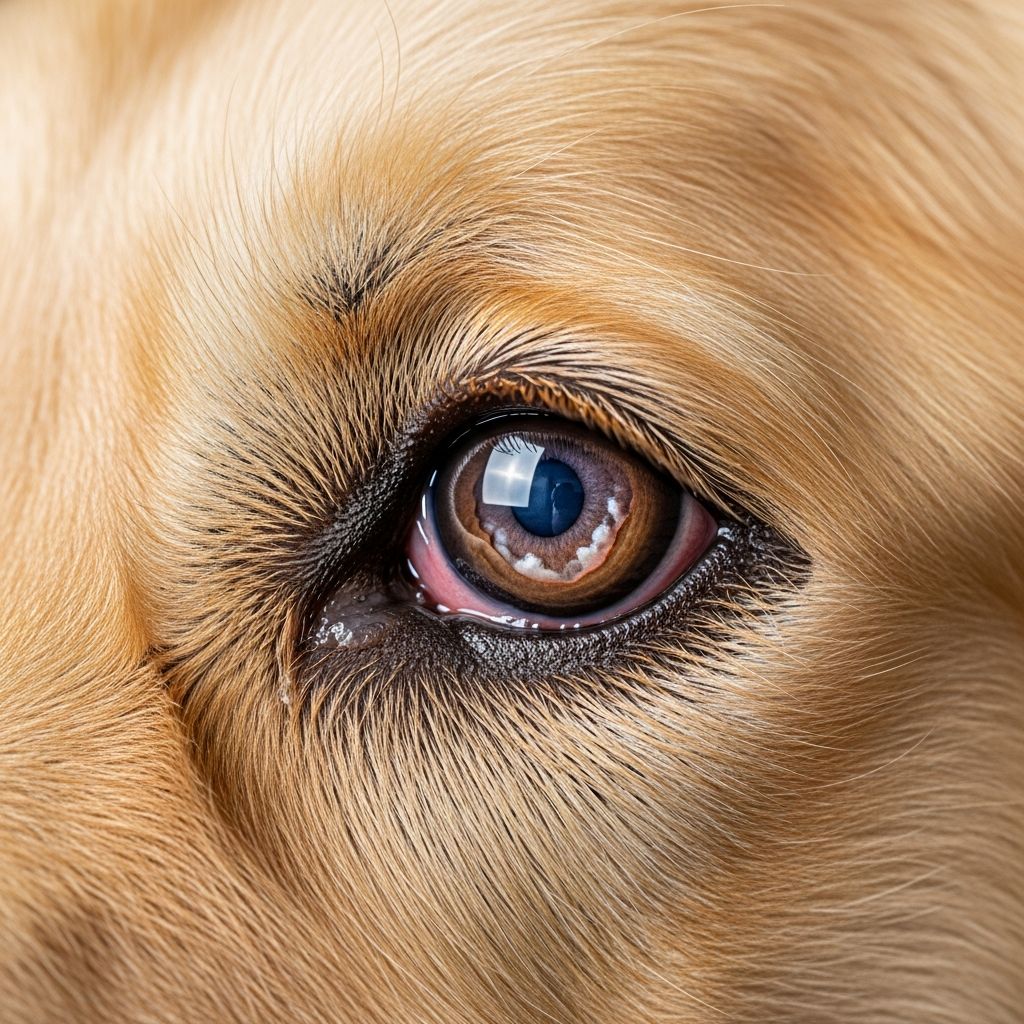
Corneal ulcers represent one of the most common yet serious eye conditions affecting dogs, characterized by painful erosions on the clear outer layer of the eyeball known as the cornea. These injuries can arise suddenly from trauma or develop gradually due to underlying issues, potentially leading to vision impairment if not addressed promptly. Dog owners must recognize early warning signs and understand treatment pathways to ensure their pets regain comfort and visual health quickly.
Understanding the Cornea’s Role in Canine Vision
The cornea serves as the eye’s transparent frontline defense, focusing light onto the retina while providing structural integrity. Composed of multiple layers—epithelium, stroma, and endothelium—it maintains clarity through constant regeneration. In dogs, this delicate structure is prone to damage because of their active lifestyles and facial conformations in certain breeds.
When the epithelial layer is breached, exposure of deeper tissues triggers inflammation and pain. Superficial defects may resolve naturally, but deeper penetrations risk infection and scarring, altering the cornea’s curvature and refractive power.
Primary Causes of Corneal Damage in Dogs
Trauma tops the list of culprits, often from scratches by claws, thorns, or foreign objects during play or exploration. Breeds with prominent eyes, such as Pugs and Shih Tzus, face heightened risk due to reduced blink efficiency and exposure. Chemical irritants from shampoos or environmental debris can also erode the surface.
- Foreign bodies: Dust, grass seeds, or eyelashes lodging under the lid.
- Eyelid abnormalities: Conditions like entropion, where lids roll inward, causing chronic abrasion.
- Dry eye (keratoconjunctivitis sicca): Insufficient tear production leads to surface cracking.
- Infections: Bacterial or viral pathogens exploiting minor injuries.
Brachycephalic breeds suffer disproportionately, with studies noting higher ulceration rates linked to anatomic predispositions.
Identifying Symptoms: When to Worry About Your Dog’s Eye
Dogs in distress from corneal ulcers exhibit unmistakable behaviors. Excessive blinking or squinting protects the eye, often accompanied by pawing or head shaking. A watery discharge transitions to thick, pus-like mucus if infection sets in, while the cornea may appear hazy or bluish.
| Symptom | Severity Level | Action Needed |
|---|---|---|
| Mild tearing, occasional squint | Superficial | Monitor and vet visit within 24 hours |
| Intense squinting, pawing, clear cornea | Moderate | Immediate vet exam |
| Cloudy cornea, thick discharge, lethargy | Severe/emergency | Emergency care now |
Photophobia causes light avoidance, and in advanced cases, a visible depression signals a descemetocele—a bulge where only the thin Descemet’s membrane remains. Prompt recognition prevents progression to rupture.
Diagnostic Approaches in Veterinary Practice
Veterinarians employ targeted tools for accurate assessment. The cornerstone is fluorescein staining: a dye highlights defects under cobalt blue light, revealing ulcer depth and extent. This painless test differentiates abrasions from ulcers.
Additional evaluations include:
- Schirmer tear test to measure production.
- Tonometers for intraocular pressure.
- Cytology swabs for microbial identification.
- Gonioscopy in chronic cases for glaucoma risk.
Imaging like ultrasound aids if opacity obscures direct views.
Classifying Ulcer Types for Tailored Therapy
Not all ulcers demand the same intervention. Superficial ones affect only the epithelium and heal rapidly. Indolent ulcers, common in Boxers, feature non-adherent epithelium requiring debridement.
Deep stromal ulcers invade thicker layers, risking perforation. Melting ulcers, driven by matrix metalloproteinases, liquefy tissue swiftly—often in hours—necessitating aggressive countermeasures.
Medical Management Strategies
Treatment prioritizes pain relief, infection control, and epithelial promotion. Atropine drops dilate the pupil, easing ciliary spasm despite temporary blurred vision. Broad-spectrum antibiotic ointments or drops, applied 4-6 times daily, combat bacteria.
For melting ulcers, serum eye drops from the dog’s blood supply growth factors. NSAIDs or gabapentin manage systemic pain. An E-collar prevents self-trauma, essential for compliance.
Superficial ulcers typically resolve in 3-7 days with rechecks; non-healers may need grid keratotomy—superficial scoring to stimulate adhesion.
Surgical Interventions for Complex Cases
When medical therapy falters, surgery stabilizes the cornea. For ulcers exceeding 50% stromal depth, conjunctival grafts provide vascular support, sutured over the defect. Biosynthetic materials or third eyelid flaps offer alternatives.
Perforations demand urgent repair to avert endophthalmitis. Referral to veterinary ophthalmologists ensures microsurgical precision, with success rates exceeding 90% in uncomplicated repairs.
Home Care Essentials for Optimal Healing
Owners play a pivotal role post-diagnosis. Medication administration demands technique:
- Secure your dog calmly, supporting the head.
- Gently retract the lower lid without eyeball pressure.
- Instill drops/ointment, then release for natural blinking.
- Clean discharge with saline, avoiding home remedies.
Monitor for worsening: escalating pain, discharge color change, or corneal deepening warrants immediate vet contact. Adherence to schedules prevents relapse.
Preventive Measures to Safeguard Canine Eyes
Proactive steps reduce incidence. Regular grooming clears facial hair irritating eyes. Brachycephalic dogs benefit from tear stimulants like cyclosporine for dry eye. Protective eyewear during high-risk activities shields vulnerable surfaces.
Annual ophthalmic exams catch predispositions early. Vaccinations against herpesvirus curb infectious triggers in puppies.
Prognosis and Long-Term Vision Outlook
With timely intervention, most dogs recover fully without scarring. Superficial cases boast near-100% healing; complicated ones vary by depth and promptness—delays elevate blindness risk. Post-treatment scarring rarely impairs function unless central.
Recurrence prompts investigation for anatomic fixes like entropion surgery, ensuring lasting protection.
Frequently Asked Questions (FAQs)
Can corneal ulcers heal on their own in dogs?
Superficial abrasions often self-resolve, but true ulcers require veterinary oversight to prevent infection and complications.
How long does treatment typically last?
Simple ulcers heal in 3-7 days; deeper ones may need weeks with surgery extending recovery.
Is surgery always necessary?
No, most respond to medications, but deep or melting ulcers often require surgical reinforcement.
What breeds are most at risk?
Brachycephalics like Pugs, Bulldogs, and breeds with indolent ulcers such as Boxers.
Can I use human eye drops on my dog?
Never—formulations differ, risking toxicity or delayed healing.
Emerging Treatments and Research Directions
Recent advancements include amniotic membrane grafts rich in growth factors and anti-inflammatory cytokines, accelerating epithelialization. Gene therapies target metalloproteinases in melting ulcers, with trials showing promise in reducing enzyme activity.
Topical metalloproteinase inhibitors like tetracycline derivatives remain staples, backed by ongoing studies validating efficacy.
References
- A Guide to Corneal Ulcers in Dogs — Dr. Julie Buzby, ToeGrips. 2023. https://toegrips.com/corneal-ulcer-dog/
- Corneal Ulcers in Dogs — VCA Animal Hospitals. 2024. https://vcahospitals.com/know-your-pet/corneal-ulcers-in-dogs
- Dog Eye Ulcer: Urgent Signs, What to Do — GSVS. 2023. https://gsvs.org/blog/dog-eye-ulcer-emergency/
- Key Points: Complicated Canine Corneal Ulcers — Clinician’s Brief. 2022. https://www.cliniciansbrief.com/article/key-points-complicated-canine-corneal-ulcers
- Corneal Ulcers: A Pet Owner’s Guide — Today’s Veterinary Practice. 2023. https://todaysveterinarypractice.com/pet-owner-resources/sentrx-corneal-ulcers-handout/
- Disorders of the Cornea in Dogs — Merck Veterinary Manual. 2024-02-28. https://www.merckvetmanual.com/dog-owners/eye-disorders-of-dogs/disorders-of-the-cornea-in-dogs
Similar Articles








Read full bio of Sneha Tete




