

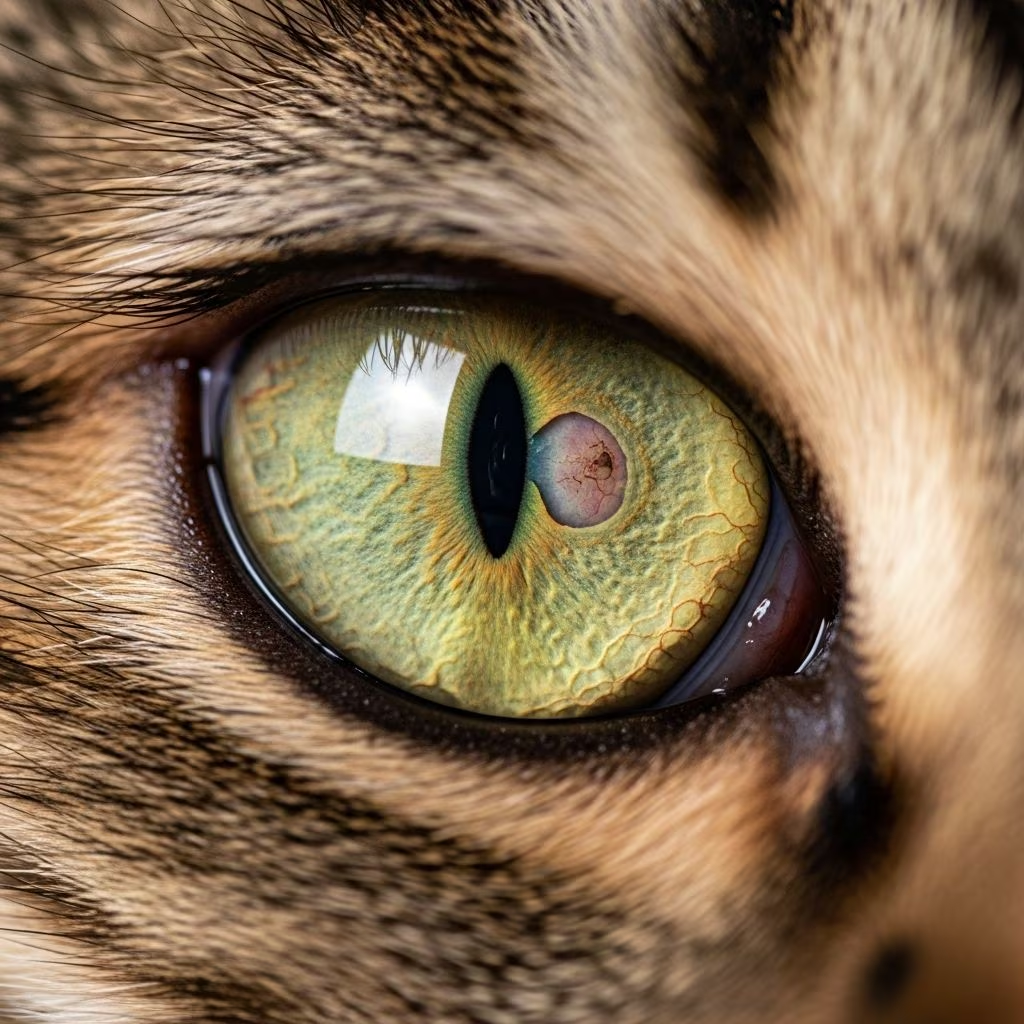
Understanding Corneal Ulcers in Cats
Corneal ulcers represent a significant concern for feline eye health and require prompt veterinary attention to prevent complications and preserve vision. The cornea, which is the transparent dome-shaped covering at the front of the eye, serves as a protective barrier and plays a crucial role in focusing light onto the retina. When the corneal surface becomes damaged, creating an open sore or ulcer, cats experience considerable discomfort and are at risk for serious complications if left untreated. Understanding this condition is essential for all cat owners who want to maintain their pet’s ocular health and quality of life.
Corneal ulcers in cats vary significantly in severity and can range from superficial abrasions affecting only the outermost layer of the cornea to deep ulcers that penetrate multiple layers of corneal tissue. The severity of an ulcer directly impacts the treatment approach and recovery timeline. While some minor corneal abrasions heal naturally within just a few days to a week without intervention, more serious ulcers can take several weeks to heal completely and may require intensive medical or surgical intervention. Early detection and appropriate treatment are vital factors in achieving the best possible outcome for your cat’s eye health.
Common Causes of Corneal Ulcers in Cats
Corneal ulcers in cats develop from various underlying causes, and identifying the specific trigger is essential for effective treatment. One of the most common and significant causes is feline herpesvirus-1 (FHV-1) infection. This viral infection is particularly prevalent in cats and frequently results in corneal ulceration as a secondary complication. Veterinarians often assume an FHV-1 etiology in cases of corneal ulceration until proven otherwise, given the frequency of this association.
Beyond viral infections, several other factors can lead to corneal ulcer development in cats:
– Traumatic injury to the eye from scratches, fights, or accidents- Foreign bodies embedded in the cornea- Eyelid abnormalities that prevent proper eye closure or protection- Dry eye syndrome, which reduces the protective tear film- Bacterial or fungal infections of the ocular surface- Chemical or thermal burns to the eye- Autoimmune conditions affecting ocular tissue- Previous ocular surgeries or procedures
Understanding these potential causes helps cat owners recognize risk factors and take preventive measures when possible.
Recognizing Clinical Signs and Symptoms
Cats experiencing corneal ulcers typically display characteristic clinical signs that indicate ocular discomfort and distress. One of the most noticeable symptoms is excessive squinting or keeping the affected eye partially closed. This protective response helps reduce pain from light sensitivity and further irritation. Affected cats often rub or paw at their eyes repeatedly, which unfortunately can worsen the ulcer if not prevented through proper protective measures.
Additional clinical signs of corneal ulceration include:
– Apparent hypersensitivity to bright light, causing the cat to seek dim environments- Visible inflammation of the tissue surrounding the cornea- Discharge or seepage from the affected eye, which may be clear, cloudy, or contain pus- Clouding or haziness of the cornea itself- Signs suggesting vision problems, including bumping into objects or reluctance to navigate- Behavioral changes such as increased irritability or hiding
It is important to note that many corneal ulcers are symptomatic enough to be noticed by owners, but some cats may experience mild ulceration that heals naturally without the owner’s awareness. If you observe any of these signs in your cat, immediate veterinary evaluation is recommended to rule out or confirm corneal ulceration and initiate appropriate treatment.
Diagnosis of Corneal Ulcers
Veterinary diagnosis of corneal ulcers involves a comprehensive examination of the eye using specialized diagnostic techniques. The primary diagnostic tool is fluorescein staining, a painless procedure in which a special dye is applied to the corneal surface. This dye adheres to areas where the corneal epithelium has been damaged or is missing, revealing the exact location and size of the ulcer under a specialized light or examination microscope. This diagnostic method is essential for confirming the presence of a corneal ulcer and assessing its extent.
During the ocular examination, your veterinarian will also evaluate tear production to assess for dry eye syndrome, which may be contributing to ulcer development. The vet will examine the eyelids for abnormalities or defects that might prevent proper eye closure and protection. Additionally, the examination includes assessment of overall eye health, intraocular pressure, and evaluation for any secondary complications such as uveitis (inflammation of the inner eye structures) or infection. In some cases, your veterinarian may recommend additional diagnostic testing to identify underlying causes, particularly if FHV-1 infection is suspected.
Treatment Options for Corneal Ulcers
The treatment approach for feline corneal ulcers depends significantly on the severity of the ulcer and its underlying cause. The primary goals of treatment are to stop the loss of corneal cells, prevent further rupturing of the cornea, eliminate pain, and encourage the regeneration of damaged corneal tissue while minimizing scarring. Achieving these objectives requires a tailored treatment plan specific to each cat’s individual circumstances.
Topical Medications
Antibiotic eye drops or ointments form the foundation of corneal ulcer treatment. Once a cat’s eye has been injured, preventing infection is critical because infection can prevent proper healing and prolong the recovery process significantly. Broad-spectrum topical antibiotics are typically prescribed to treat or prevent secondary bacterial infections. For superficial ulcers, antibiotic ointment alone is often quite effective in controlling infection.
If your cat’s ulcer is suspected or confirmed to be caused by feline herpesvirus, antiviral medications become essential. Trifluorothymidine is recognized as the most efficacious topical antiviral for feline corneal ulcers. Topical antivirals must be applied frequently, typically every 2-4 hours, because they are virostatic (they stop viral replication) rather than virucidal (they do not directly kill viruses). This frequent dosing schedule can present challenges for some cat owners and may cause stress to sensitive cats.
Lubricating eye drops are commonly prescribed to maintain moisture on the corneal surface and support the healing process. These drops help protect the fragile healing tissue and reduce irritation. If your cat’s corneal ulcer is associated with dry eye syndrome, your veterinarian may prescribe tear stimulant medications that encourage the cat’s own tear production, addressing an important underlying cause of the ulceration.
Pain Management and Anti-inflammatory Therapy
Pain elimination is a cornerstone of corneal ulcer treatment, as the condition is extremely painful in affected cats. Cats with corneal ulcers may experience significant discomfort that interferes with their quality of life and can cause behavioral changes. Your veterinarian may prescribe anti-inflammatory medications or pain relief medications to manage this discomfort. Topical atropine, a medication that ablates painful ciliary muscle spasm, can provide potent analgesia for cats experiencing reflex uveitis related to corneal ulceration. However, tear production must be assessed before using atropine because prolonged suppression of tear production can inhibit corneal healing.
Systemic Antiviral Treatment
In cases where topical therapy is likely to cause stress to the cat—which can actually risk progression of viral infection—systemic antiviral treatment may be more appropriate. Famciclovir, administered orally, has been shown to be safe and efficacious as a systemic antiviral treatment in cats with FHV-1-related corneal ulcers. For cats experiencing recurrent corneal ulcers caused by feline herpesvirus, systemic lysine supplementation may be recommended as a long-term management strategy. Lysine is an amino acid that inhibits viral replication and can be administered orally to prevent recurrent episodes.
Regenerative Therapy
Modern treatment approaches include regenerative medicine solutions that harness the body’s natural healing abilities. Regenerative drops, such as those containing growth factors and cytokines, offer cats a chance to recover from corneal injury from within. The topical application of the cat’s own serum, prepared in-house specifically for your cat, is often particularly helpful in encouraging corneal healing and reducing scarring. These regenerative approaches represent advancing treatment options that complement traditional antibiotic and antiviral therapies.
Supportive Care and Environmental Management
Keeping the affected eye clean and safe from further damage is essential during the healing process. Your veterinarian may recommend that your cat wear an Elizabethan collar (E-collar or cone) to prevent self-trauma from pawing or scratching at the eye. Self-trauma significantly aggravates corneal ulcers and interferes with the healing process, making this preventive measure important for successful recovery. In some cases, protective eye patches may be recommended as an additional safeguard.
Maintaining a clean environment and avoiding irritants can substantially aid the healing process. Minimize exposure to smoke, dust, strong fragrances, and other environmental irritants that might compromise ocular health. Keep your cat in a quiet, calm environment to reduce stress, which can exacerbate viral-related ulcers.
Treating Underlying Causes
Identifying and treating the underlying cause of the corneal ulcer is crucial for effective long-term management. For example, if eyelid abnormalities are preventing proper eye closure and contributing to ulceration, surgical correction of the eyelid defect may be necessary. If dry eye is the primary cause, tear stimulants or other treatments addressing tear production become the focus. Treating the underlying cause often allows most ulcers to begin healing once the causative factor has been addressed.
Surgical Intervention
In cases of complex or severe corneal ulcers, surgical intervention may be recommended to promote healing. Many surgical procedures for corneal ulcers can be performed by your primary care veterinarian. However, if the corneal ulcer exceeds 50% or more of the depth of the cornea, or if the ulcer does not respond adequately to medical treatment over time, referral to a board-certified veterinary ophthalmologist is recommended. Specialized surgical procedures may include corneal grafting, conjunctival grafting, or other advanced techniques designed to promote tissue regeneration and restore corneal integrity.
Recovery and Healing Timeline
The recovery timeline for corneal ulcers varies considerably depending on ulcer severity and the underlying cause. Simple, superficial ulcers can heal completely within a week with appropriate treatment. More serious ulcers, particularly those caused by viral infection or involving deeper corneal layers, may require several weeks of intensive treatment and monitoring to heal completely. Throughout the healing process, consistent application of prescribed medications is essential—your veterinarian will likely recommend medication administration several times daily for optimal results.
Regular follow-up appointments with your veterinarian allow for assessment of healing progress and adjustment of treatment protocols as needed. Your vet may use fluorescein staining at follow-up visits to monitor ulcer closure and confirm complete healing before discontinuing medications.
Prevention Strategies
While not all corneal ulcers can be prevented, several strategies can reduce your cat’s risk. Minimize your cat’s exposure to situations that could result in eye trauma, such as rough play or outdoor environments where fighting with other animals is possible. If your cat has been diagnosed with FHV-1 infection, discuss long-term management strategies with your veterinarian, which may include stress reduction, supplementation with lysine, or other preventive measures. Maintaining good ocular hygiene and promptly addressing any signs of eye disease can help prevent serious complications from developing.
Frequently Asked Questions About Corneal Ulcers in Cats
Q: How long does a corneal ulcer take to heal in cats?
A: Healing time varies based on severity. Simple ulcers may heal within one week, while more complex ulcers can take several weeks to fully resolve with appropriate treatment.
Q: Can corneal ulcers in cats lead to blindness?
A: Untreated or severe corneal ulcers can potentially result in permanent vision loss or blindness. This underscores the importance of prompt veterinary treatment and careful management during healing.
Q: Is feline herpesvirus the only cause of corneal ulcers in cats?
A: No. While FHV-1 is a common cause, corneal ulcers can result from trauma, dry eye, eyelid abnormalities, bacterial or fungal infections, and other causes. Proper diagnosis helps identify the specific cause.
Q: Do all corneal ulcers require antibiotics?
A: Most corneal ulcers benefit from antibiotic treatment to prevent secondary bacterial infection. Your veterinarian will determine the appropriate medication protocol based on the specific ulcer characteristics.
Q: Can my cat’s corneal ulcer recur?
A: Recurrent ulcers can occur, particularly in cats with chronic FHV-1 infection. Long-term management with lysine or other preventive strategies may be recommended for susceptible cats.
References
- Cornell University College of Veterinary Medicine Feline Health Center — Cornell University. 2025. https://www.vet.cornell.edu/departments-centers-and-institutes/cornell-feline-health-center/health-information/feline-health-topics/corneal-ulcers
- Treatment of Corneal Ulcers: What are the Medical Options? — National Center for Biotechnology Information (NIH). 2024. https://pmc.ncbi.nlm.nih.gov/articles/PMC11318758/
- Cat Corneal Ulcer: Causes, Treatments, and FAQs — PetMD. 2025. https://www.petmd.com/cat/conditions/eyes/c_ct_corneal_ulcers
- Understanding and Managing Eye Ulcers in Cats — Horner Vets. 2025. https://hornervets.com/newsletter-blog/eye-ulcers-in-cats
- What to Know About Corneal Ulcers in Cats — WebMD Pets. 2025. https://www.webmd.com/pets/cats/what-to-know-about-corneal-ulcers-cats
- Eye Ulcers (Corneal Ulcers) in Cats — PDSA. 2025. https://www.pdsa.org.uk/pet-help-and-advice/pet-health-hub/conditions/eye-ulcers-corneal-ulcers-in-cats
- How to Treat A Corneal Ulcer in Cats — Vetrix, Inc. 2025. https://rethinkhealing.com/corneal-ulcer-in-cats/



