

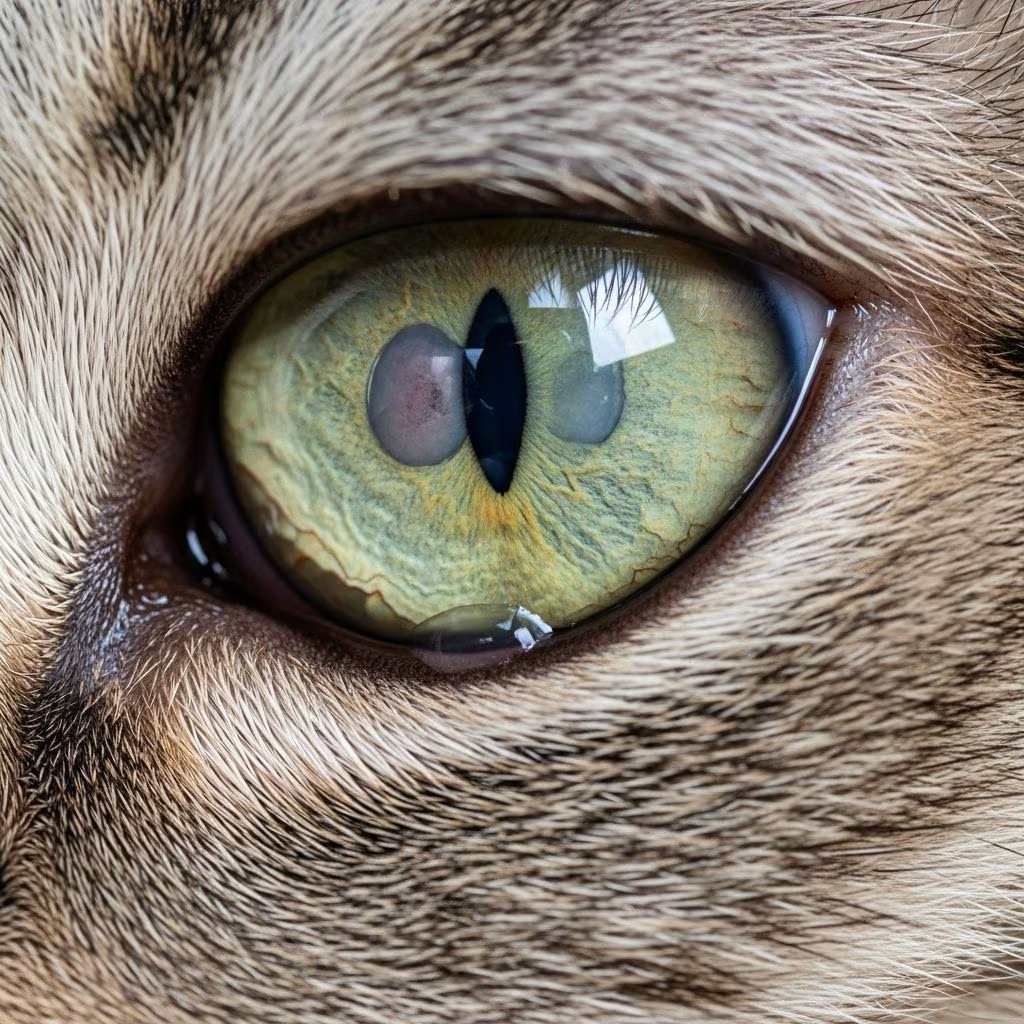
Corneal ulcers are a frequent eye condition affecting cats of all ages, causing significant discomfort and potentially threatening vision if left untreated. The cornea, the transparent outer layer of the eye, plays a crucial role in focusing light and protecting the eye’s internal structures. When the corneal surface becomes damaged or eroded, it creates an ulcer that can lead to serious complications. Understanding the causes, recognizing the symptoms, and implementing appropriate treatment is essential for cat owners and veterinarians alike to preserve feline vision and comfort.
What Are Corneal Ulcers?
A corneal ulcer, also known as ulcerative keratitis, is a loss of the corneal epithelium (the cornea’s outer layer) that exposes the underlying stromal tissue. This condition ranges from superficial abrasions affecting only the surface layers to deep ulcers that penetrate significantly into the corneal stroma. The severity of the ulcer directly impacts treatment complexity and healing time. Simple, superficial ulcers typically heal within one week, while more complex or deep ulcers can require several weeks of intensive treatment and management.
The cornea’s unique structure makes it particularly vulnerable to injury and infection. Once compromised, the corneal tissue cannot effectively protect the eye, and infection can rapidly develop. Additionally, any delay in treatment can result in permanent scarring, vision loss, or even blindness in severe cases. This is why prompt recognition and veterinary intervention are critical components of corneal ulcer management.
Causes of Corneal Ulcers in Cats
Corneal ulcers in cats develop from various underlying causes, and understanding these is essential for both treatment and prevention. Multiple factors can compromise corneal integrity:
Infectious Causes
Feline herpesvirus (FHV-1) is the most common infectious cause of corneal ulceration in cats. This virus frequently causes recurrent corneal ulcers, particularly in cats with chronic or latent infections. Bacterial and fungal infections can also lead to corneal ulceration, either as primary pathogens or as secondary infections following initial corneal damage.
Traumatic Injury
Direct trauma to the eye from scratches, foreign bodies, or blunt force can immediately compromise corneal integrity. Cats with outdoor access face increased risk of traumatic corneal injuries. Even minor scratches from plant material, dust, or contact with other cats can initiate ulcer formation.
Dry Eye Syndrome
Inadequate tear production or poor tear quality reduces the cornea’s natural lubrication and protection. This condition, known as keratoconjunctivitis sicca (KCS), increases susceptibility to corneal ulceration and delays healing processes.
Eyelid Abnormalities
Structural eyelid problems, such as entropion (inward-rolling eyelid) or ectropion (outward-rolling eyelid), can cause chronic irritation and corneal damage. These conditions may be congenital or develop secondary to inflammation or trauma.
Other Contributing Factors
Immunosuppression, chronic eye inflammation, exposure keratopathy, and chemical irritation can all predispose cats to corneal ulcer development. Additionally, certain medications and systemic diseases may increase ulcer susceptibility.
Clinical Signs and Symptoms
Cats with corneal ulcers typically display characteristic clinical signs that alert owners to seek veterinary care. Recognizing these symptoms early enables prompt treatment initiation:
Ocular Discomfort: Affected cats often squint, blink excessively, or show obvious signs of eye pain. They may rub or paw at the affected eye, potentially causing additional trauma.
Ocular Discharge: Tearing and mucoid or purulent discharge may be present. The discharge may range from clear to yellow or green, depending on whether infection is present.
Corneal Cloudiness: The cornea may appear cloudy or white rather than its normal clear appearance. This cloudiness results from corneal edema, scarring, or inflammatory cell infiltration.
Light Sensitivity: Photophobia is common, with affected cats avoiding bright light and preferring dimly lit environments. They may keep the affected eye closed or partially closed.
Vision Changes: Depending on ulcer location and severity, cats may exhibit apparent vision problems or behavioral changes related to visual impairment.
Conjunctival Inflammation: The tissue surrounding the cornea often appears red, swollen, or irritated.
It is important to note that many minor corneal ulcers heal naturally within days to weeks without owner awareness or veterinary intervention. However, any suspected ocular involvement warrants professional evaluation to prevent complications.
Diagnosis of Corneal Ulcers
Veterinary diagnosis of corneal ulcers typically involves multiple examination techniques. The primary diagnostic tool is fluorescein staining, where a special dye is applied to the eye. The dye adheres to areas of corneal damage, highlighting ulcers under ultraviolet light and allowing precise visualization and measurement of ulcer extent.
Complete ophthalmic examination includes assessment of tear production, evaluation of eyelid structure and function, inspection of the anterior chamber, and measurement of intraocular pressure. When viral infection is suspected, additional testing may include FHV-1 PCR analysis or serology. If bacterial or fungal infection is present, culture and sensitivity testing help guide antimicrobial therapy selection.
Determining ulcer depth and complexity guides treatment decisions. Superficial ulcers affecting only the epithelial layer generally respond well to topical antimicrobials, while deeper or complex ulcers may require advanced therapies or surgical intervention.
Treatment Approaches for Corneal Ulcers
The goal of treatment is to eliminate pain, prevent corneal perforation, stop progressive corneal cell loss, and minimize scarring while encouraging tissue regeneration. Treatment strategy depends on ulcer severity, underlying cause, and individual patient factors.
Antimicrobial Therapy
Topical Antibiotics: Antibiotic eye drops or ointments are standard treatment components to prevent or eliminate bacterial infection. Broad-spectrum antibiotics are often prescribed initially, with specific antimicrobial selection guided by culture results when available. Topical antibiotics are typically applied multiple times daily and are usually sufficient for uncomplicated ulcers.
Antiviral Medications: When FHV-1 is suspected or confirmed, antiviral agents are indicated. Topical antivirals like trifluorothymidine are virostatic (preventing viral replication) rather than virucidal, requiring frequent application every one to two hours. Systemic antivirals such as famciclovir provide an alternative that may reduce stress-related disease progression in cats with significant handling sensitivity. Topical or systemic cidofovir and lysine supplementation are also effective options for herpesvirus-related ulcers.
Systemic Antibiotics: Systemic antibiotic administration is indicated when corneal perforation is present or when respiratory disease accompanies the eye condition.
Pain Management
Pain control is a cornerstone of corneal ulcer treatment. Anti-inflammatory medications and analgesics reduce discomfort from the ulcer itself and associated reflex uveitis. Topical atropine effectively relieves pain from ciliary muscle spasm, though tear production must be assessed beforehand since prolonged atropine use can suppress tear production and inhibit healing.
Supportive Care Measures
Lubricating Eye Drops: Lubricating and regenerative eye drops keep the corneal surface moist, promote healing, and provide comfort. Some regenerative formulations support the eye’s natural healing mechanisms through advanced biologics or growth factors.
Tear Stimulants: If dry eye contributes to ulcer formation, medications that stimulate tear production help restore the eye’s natural protective mechanisms.
Protective Equipment: An Elizabethan collar (E-collar) or buster collar prevents cats from pawing, rubbing, or further traumatizing the affected eye during healing. This protective measure is crucial for preventing self-trauma that would delay healing or worsen ulceration.
Environmental Management: Maintaining a clean environment, minimizing irritants, and reducing stress support the healing process. Careful administration of topical medications multiple times daily, sometimes requiring significant owner commitment, is essential for optimal outcomes.
Treating Underlying Causes
Successful long-term management requires addressing the ulcer’s underlying cause. If eyelid abnormalities caused the ulcer, surgical correction may be necessary. If dry eye syndrome is responsible, ongoing tear stimulant therapy helps prevent recurrence. In cases where FHV-1 causes recurrent ulcers, permanent lysine supplementation may be recommended.
Advanced and Surgical Interventions
When ulcers fail to respond to medical management or exceed 50% corneal depth, surgical intervention becomes necessary. Procedures may include corneal grafting, conjunctival grafts, or other advanced techniques to promote healing and prevent perforation. Complex cases often warrant referral to a board-certified veterinary ophthalmologist. Topical anticollagenases and antiproteases are indicated specifically for cats with keratomalacia (corneal melting), requiring application every one to two hours.
Autologous Serum Application
A specialized regenerative approach involves topical application of the cat’s own serum, prepared in-house specifically for that individual. This serum contains natural healing factors and growth elements that encourage corneal tissue regeneration while minimizing scarring.
Healing Timeline and Prognosis
Healing timelines vary significantly based on ulcer severity and underlying cause. Simple, superficial ulcers typically heal completely within one week with appropriate treatment. More serious or complex ulcers may require several weeks of intensive management before complete healing occurs.
The prognosis for corneal ulcers is generally favorable when appropriate treatment is initiated promptly. However, untreated ulcers risk permanent complications including corneal scarring, vision loss, or complete blindness. With proper medical management and owner compliance regarding medication administration and protective measures, most corneal ulcers heal completely.
Prevention Strategies
Reducing corneal ulcer risk involves multiple preventive approaches. Maintaining good ocular health through regular veterinary examinations helps identify predisposing conditions like dry eye or eyelid abnormalities early. For cats with known FHV-1 infection history, limiting stress and considering environmental modifications reduce recurrence risk. Maintaining updated vaccinations, managing underlying systemic diseases, and minimizing exposure to environmental irritants all contribute to corneal health protection.
Cats with chronic or recurrent ulcers benefit from ongoing management plans including prophylactic medications, regular monitoring, and environmental adjustments. Working closely with a veterinary ophthalmologist ensures optimal long-term outcomes for cats prone to corneal disease.
Frequently Asked Questions
Q: How long does it take for a cat corneal ulcer to heal?
A: Simple, superficial ulcers typically heal within one week with appropriate treatment. More serious or complex ulcers may take several weeks to heal completely with intensive management.
Q: Can corneal ulcers in cats heal on their own?
A: Minor corneal ulcers may heal naturally within a few days to a week without treatment; however, many ulcers require veterinary intervention to prevent complications and ensure proper healing without scarring.
Q: What causes recurrent corneal ulcers in cats?
A: Feline herpesvirus (FHV-1) is the most common cause of recurrent corneal ulcers in cats. Chronic dry eye syndrome and structural eyelid abnormalities also contribute to recurrence.
Q: How often should I apply eye medication for corneal ulcers?
A: Medication frequency depends on ulcer type and medication prescribed. Topical antivirals may require application every one to two hours, while antibiotics and other medications are typically applied several times daily.
Q: Is an Elizabethan collar necessary for corneal ulcers?
A: Yes, an E-collar is typically recommended to prevent cats from pawing or rubbing the affected eye, which would cause additional trauma and delay healing.
Q: When should my cat see an ophthalmologist?
A: Referral to a veterinary ophthalmologist is recommended when ulcers exceed 50% corneal depth, fail to respond to medical treatment, or when complex surgical intervention is needed.
Q: Can corneal ulcers cause permanent vision loss?
A: Untreated or severe corneal ulcers can result in corneal scarring, vision loss, or complete blindness. Prompt treatment and appropriate management minimize these risks.
References
- How to Treat A Corneal Ulcer in Cats — Vetrix, Inc. https://rethinkhealing.com/corneal-ulcer-in-cats/
- Understanding and Managing Eye Ulcers in Cats — Horner Vets. https://hornervets.com/newsletter-blog/eye-ulcers-in-cats
- Cat Corneal Ulcer: Causes, Treatments, and FAQs — PetMD. https://www.petmd.com/cat/conditions/eyes/c_ct_corneal_ulcers
- Treatment of Corneal Ulcers: What are the Medical Options? — National Institutes of Health. 2024. https://pmc.ncbi.nlm.nih.gov/articles/PMC11318758/
- What To Know About Corneal Ulcers in Cats — WebMD. https://www.webmd.com/pets/cats/what-to-know-about-corneal-ulcers-cats
- Eye ulcers (corneal ulcers) in cats — PDSA (People’s Dispensary for Sick Animals). https://www.pdsa.org.uk/pet-help-and-advice/pet-health-hub/conditions/eye-ulcers-corneal-ulcers-in-cats
- Corneal Ulcers — Cornell University College of Veterinary Medicine. https://www.vet.cornell.edu/departments-centers-and-institutes/cornell-feline-health-center/health-information/feline-health-topics/corneal-ulcers



