

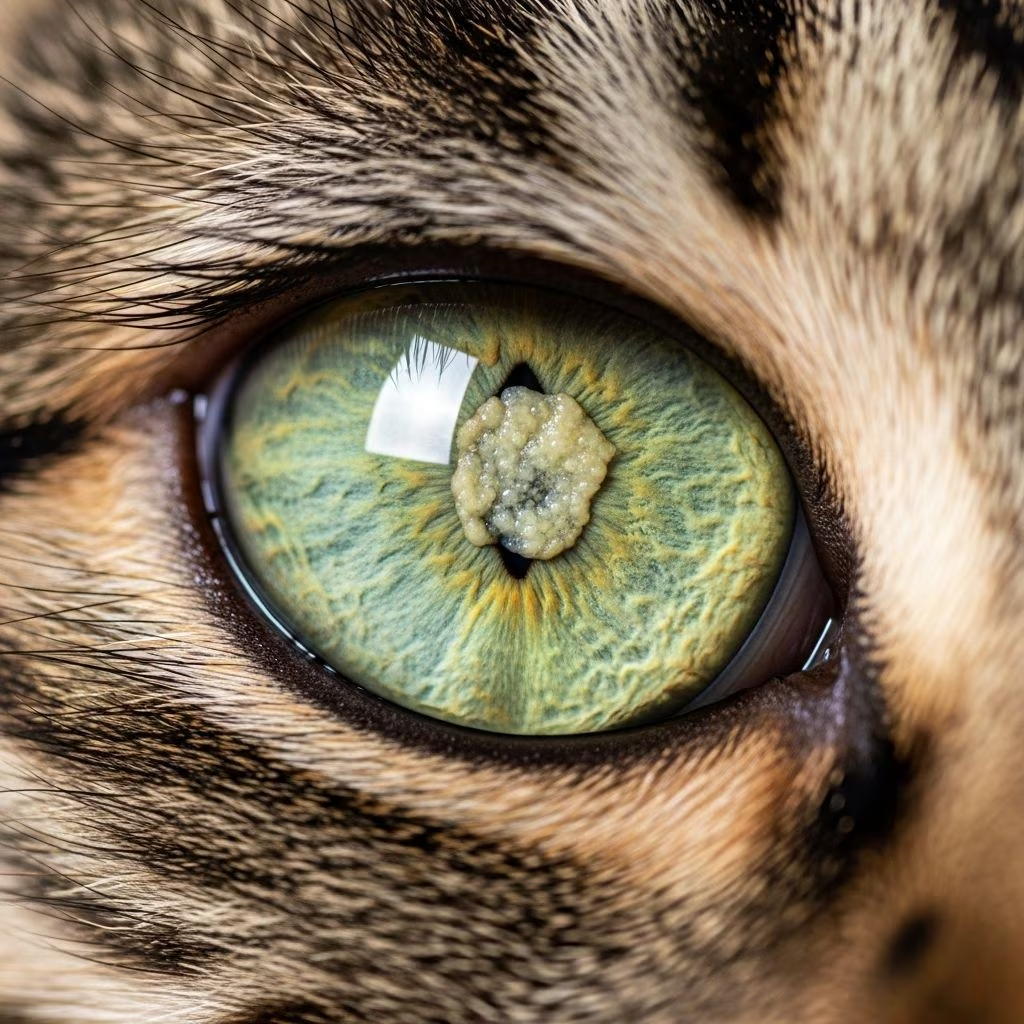
Understanding Corneal Lipidosis in Pets
Corneal lipidosis is a hereditary eye condition that affects both dogs and cats, characterized by the abnormal accumulation of lipid deposits within the cornea. This condition, also referred to as corneal lipid dystrophy, involves the buildup of fat, cholesterol, or calcium deposits in the corneal layers, resulting in visible white or grayish opacities. While corneal lipidosis is typically a benign condition that does not cause pain or significantly impact vision in most cases, understanding this disorder is essential for pet owners to monitor their animals’ eye health and seek appropriate veterinary care when necessary.
The cornea is the transparent, dome-shaped outer layer of the eye that plays a crucial role in focusing light onto the retina. When lipid deposits accumulate within the corneal tissue, they create cloudiness or white spots that may be visible to the naked eye. Although this condition is generally non-progressive and non-painful, awareness of its characteristics helps pet owners recognize potential symptoms and maintain their pets’ ocular health.
What Causes Corneal Lipidosis
Corneal lipidosis results from inherited mutations that lead to abnormal deposition of lipids or proteins within the corneal stroma, disrupting its normal structure and function. The condition falls into two main categories: crystalline stromal dystrophy, which is hereditary and non-progressive, and lipid keratopathy, which may result from increased circulating lipids or post-surgical complications.
Hereditary Factors
The primary cause of corneal lipidosis is genetic predisposition. Certain dog and cat breeds carry inherited mutations that make them higher risk for developing this condition. The mode of inheritance varies by breed; for example, it is autosomal recessive in Siberian Huskies but remains unknown for most other breeds. Age of onset may vary significantly, with some pets exhibiting signs as early as a few months old, while others may develop symptoms later in life.
Secondary Causes
While hereditary factors account for most cases of corneal lipidosis, secondary lipid infiltration can occur due to various factors. These include previous corneal trauma, new blood vessels that leak lipid into the cornea, systemic hyperlipoproteinemia (elevated blood lipid levels), hypothyroidism, limbal melanoma, episcleritis, and pannus formation. Secondary lipid keratopathy may also develop following corneal surgery or in association with other eye conditions that compromise corneal integrity.
Breed Predisposition and Risk Factors
While corneal lipidosis can affect any breed, certain breeds show significantly higher predisposition to developing this condition. Siberian Huskies, Cocker Spaniels, and Airedale Terriers are among the breeds most commonly affected. The progression rate varies considerably among breeds; Siberian Huskies and Cocker Spaniels tend to develop the condition slowly, while Airedales may experience more rapid progression.
Beyond breed predisposition, other risk factors include a history of corneal injury, systemic metabolic disorders such as hypothyroidism that elevate blood lipid levels, and previous eye surgery. Pets with systemic hyperlipidemia are particularly susceptible to developing secondary lipid keratopathy, making management of underlying metabolic conditions crucial for prevention.
Clinical Signs and Symptoms
The clinical presentation of corneal lipidosis varies depending on whether the condition is primary hereditary dystrophy or secondary lipid keratopathy. Early recognition of symptoms enables timely veterinary evaluation and appropriate management.
Appearance of Corneal Deposits
Dogs with corneal lipid dystrophy typically develop visible white dots or grayish opacities in their cornea. These deposits usually appear as whitish or grayish spots with a granular or ground glass appearance, and are typically circular or oval in shape. The lesions commonly occur in the central or paracentral region of the cornea and are characteristically bilateral, eventually affecting both eyes, though they may progress at different rates.
Pain and Vision Impact
One of the defining characteristics of primary corneal lipidosis is the absence of associated pain or discomfort. Most affected pets do not experience ocular pain, making early detection challenging since pets may not show obvious signs of distress. Similarly, primary corneal lipidosis typically causes minimal to no vision impairment in its early stages, allowing pets to maintain normal visual function for extended periods.
Secondary Symptoms
While primary hereditary corneal lipidosis is characteristically non-painful and non-vascularized, secondary lipid keratopathy presents differently. In these cases, lesions are irritant and vascularized, meaning new blood vessels develop in the cornea. Affected pets may exhibit ocular discomfort with increased blinking, tearing, and squinting. Secondary lipid infiltration may also be associated with small corneal ulcers that cause irritation and potential vision compromise.
Symptoms to Monitor
Pet owners should watch for the following signs that warrant veterinary evaluation:
– White or grayish spots visible on the cornea- Lesions that appear round and located centrally in the eye- Cloudiness or opaqueness in the cornea that may progress over time- Increased blinking or tearing- Eye squinting or signs of discomfort- Rubbing or pawing at the eye- Eye discharge or redness- Worsening cloudiness of the eye
Diagnosis of Corneal Lipidosis
Diagnosis of corneal lipidosis is primarily based on clinical signs and physical examination findings by a veterinary ophthalmologist. The characteristic appearance of white or grayish deposits in the cornea, particularly when they are bilateral and centrally located, strongly suggests corneal lipidosis. However, comprehensive evaluation is necessary to differentiate between primary hereditary dystrophy and secondary lipid keratopathy.
Examination Procedures
A thorough ophthalmologic examination includes slit-lamp biomicroscopy to visualize corneal deposits in detail and assess their extent and location. The veterinarian will evaluate whether lesions are painful or vascularized, which helps differentiate primary dystrophy from secondary keratopathy. Eye staining with fluorescein dye may be performed to assess corneal integrity and detect any ulceration or epithelial defects.
Laboratory Investigation
When secondary lipid keratopathy is suspected, laboratory investigation becomes important to identify underlying systemic causes. Blood work should include lipid panel assessment, thyroid function tests (to screen for hypothyroidism), and general chemistry panel to rule out metabolic disorders that may contribute to elevated circulating lipids. Identifying and addressing these underlying conditions is crucial for managing secondary lipid keratopathy.
Treatment and Management Options
The management approach for corneal lipidosis depends on whether the condition is primary hereditary dystrophy or secondary keratopathy, as well as the degree of vision compromise or discomfort.
Primary Hereditary Corneal Lipidosis
For primary hereditary corneal lipidosis that is non-painful and does not significantly affect vision, treatment is often not necessary. Veterinarians typically recommend monitoring the condition through regular eye examinations to track any progression. However, if the lipid deposits begin to affect vision or cause irritation, more active intervention may become necessary.
Secondary Lipid Keratopathy Management
Management of secondary lipid keratopathy focuses on addressing the underlying cause while providing symptomatic relief. Treatment may include antibiotic or anti-inflammatory eye drops to manage secondary complications such as corneal ulcers or infection. If hypothyroidism is identified, thyroid hormone replacement therapy can help normalize blood lipid levels and prevent further lipid deposition. Similarly, managing systemic hyperlipidemia through dietary modifications and medical therapy may slow or halt progression of secondary lipid infiltration.
Surgical Interventions
In cases where corneal lipidosis causes significant vision compromise or progressive irritation despite medical management, surgical options may be considered. Keratectomy (surgical removal of affected corneal tissue) may be performed to improve vision or alleviate discomfort. However, this procedure is typically reserved for cases where medical management has been unsuccessful and the condition significantly impacts the pet’s quality of life.
Prognosis and Long-Term Outcomes
The prognosis for corneal lipidosis is generally favorable, particularly for primary hereditary dystrophy. Most affected pets maintain adequate vision and experience no pain or discomfort from the condition. The lipid deposits typically progress slowly or remain stable, and the condition rarely leads to blindness. However, progression rates vary among breeds and individuals, with some experiencing relatively static lesions while others show gradual enlargement of deposits over time.
For pets with secondary lipid keratopathy, prognosis depends on the ability to identify and manage underlying systemic causes. Successfully treating hypothyroidism or managing hyperlipidemia can help prevent further lipid deposition and potentially stabilize existing deposits. Regular veterinary monitoring is essential to detect any changes in the condition and adjust treatment as needed.
When to Seek Veterinary Care
While corneal lipidosis is typically not a medical emergency, any changes involving your pet’s eyes warrant veterinary assessment. Seek immediate veterinary care if your pet exhibits signs including excessive squinting, eye discharge or tearing, redness, worsening cloudiness of the eye, or rubbing and pawing at the eye. These symptoms may indicate secondary complications such as ulceration or infection requiring prompt treatment.
Prevention and Genetic Considerations
For hereditary forms of corneal lipidosis, prevention through selective breeding is the most effective approach. Breeds with high prevalence of this condition should be screened for corneal dystrophy before breeding. Affected animals should not be bred, as this will perpetuate the inherited genetic mutation in future generations.
For secondary forms of corneal lipidosis, prevention focuses on managing underlying systemic conditions. Maintaining appropriate weight, providing a balanced diet, and regular veterinary monitoring of thyroid function and lipid levels can help reduce the risk of developing secondary lipid keratopathy. Additionally, prompt treatment of corneal injuries and careful post-operative management after eye surgery can minimize the risk of post-traumatic or post-surgical lipid infiltration.
Living with a Pet with Corneal Lipidosis
Most pets with corneal lipidosis live normal, comfortable lives with no significant impact on their quality of life. Since the condition is typically painless and does not cause significant vision loss, affected pets can continue their regular activities and routines. However, regular veterinary ophthalmologic examinations are important to monitor the condition and detect any changes or complications early.
Pet owners should be attentive to any behavioral changes that might suggest vision compromise, such as difficulty navigating in dim light, hesitation when jumping or climbing stairs, or reluctance to move quickly. Such changes warrant prompt veterinary evaluation to assess whether corneal lipidosis or other ocular conditions may be contributing to decreased vision.
Frequently Asked Questions
Q: Is corneal lipidosis painful?
A: Primary hereditary corneal lipidosis is typically non-painful and does not cause discomfort. However, secondary lipid keratopathy may be associated with pain, particularly if ulceration or vascularization occurs.
Q: Will corneal lipidosis cause blindness?
A: Corneal lipidosis rarely leads to blindness. While the condition may compromise vision if deposits become extensive, most affected pets maintain adequate vision throughout their lives.
Q: Can corneal lipidosis be cured?
A: Primary hereditary corneal lipidosis cannot be cured, but it can be managed and monitored. For secondary lipid keratopathy, treating the underlying cause such as hypothyroidism may help stabilize or slow progression.
Q: Which breeds are most susceptible to corneal lipidosis?
A: Siberian Huskies, Cocker Spaniels, and Airedale Terriers are among the breeds most commonly affected by corneal lipidosis.
Q: How often should my pet be examined if diagnosed with corneal lipidosis?
A: Regular ophthalmologic examinations are recommended to monitor progression of the condition. Your veterinarian will advise on the appropriate examination schedule based on your pet’s individual situation.
Q: Can corneal lipidosis develop in cats?
A: Yes, corneal lipidosis can affect cats as well as dogs. Cats with inherited corneal disease typically do not experience pain in most cases, though advanced cases may lead to eye irritation.
References
- Pet Corneal Lipid Dystrophy in Katy, TX — Animal Eye Medical & Surgical Specialists. 2024. https://aemssvet.com/pet-corneal-lipid-dystrophy-katy-tx/
- Cornea: lipidosis in Dogs (Canis) — Vetlexicon. 2024. https://www.vetlexicon.com/canis/ophthalmology/articles/cornea-lipidosis/
- Corneal Dystrophy in Dogs: Causes, Symptoms, and How To Treat It — PetMD. 2024. https://www.petmd.com/dog/conditions/eyes/corneal-dystrophy-dogs-causes-symptoms-and-how-treat-it
- Lipid Corneal Dystrophy — The Eye Vets. 2024. https://the-eye-vets.squarespace.com/s/Lipid-Corneal-Dystrophy-Handout.pdf
- Cholesterol-Related Eye Conditions in Dogs — Veterinary Vision Center. 2024. https://veterinaryvisioncenter.com/cholesterol-related-eye-conditions-in-dogs/
- Disorders of the Cornea in Dogs — Merck Veterinary Manual. 2024. https://www.merckvetmanual.com/dog-owners/eye-disorders-of-dogs/disorders-of-the-cornea-in-dogs
- Corneal Lipid Dystrophy — Animal Eye Care. 2024. https://www.animaleyecare.com.au/common-eye-conditions/corneal-lipid/
- Inherited Corneal Disease in Cats – Symptoms, Causes, Diagnosis — Wag! Walking. 2024. https://wagwalking.com/cat/condition/inherited-corneal-disease



