

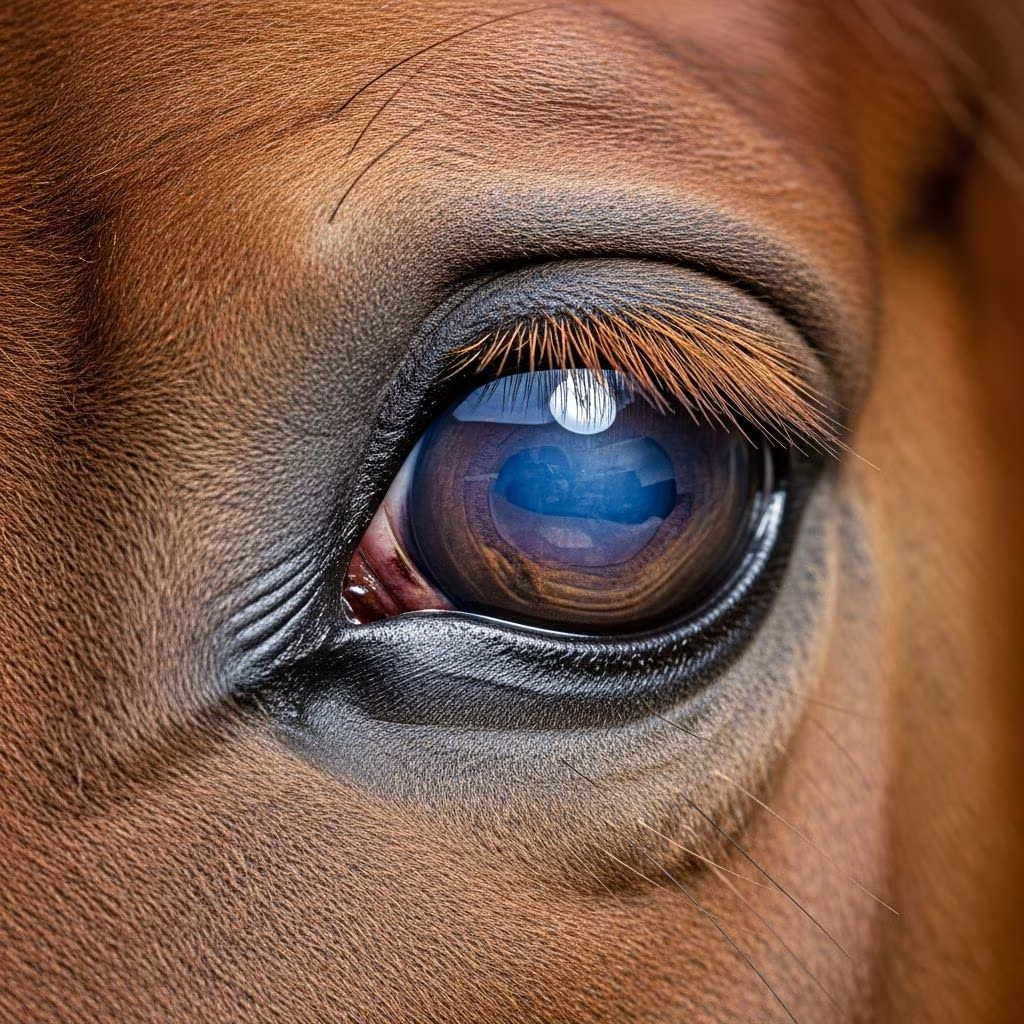
The cornea serves as the clear, protective outer layer of a horse’s eye, essential for vision and shielding internal structures from injury. When compromised, it leads to significant discomfort and potential blindness if not addressed swiftly. Horse owners must recognize early signs and seek prompt veterinary care to optimize outcomes.
Understanding the Cornea’s Role and Vulnerability
In horses, the cornea is a tough, avascular tissue composed of five layers, including the epithelium, stroma, and endothelium. Its transparency allows light entry for clear vision, while its strength resists everyday environmental hazards. However, horses’ active lifestyles expose them to risks like dust, flies, and trauma, making corneal disorders prevalent.
Equine corneas heal slower than skin due to limited blood supply, relying on tear film nutrients and epithelial migration. Disruptions cause pain from dense nerve endings, prompting squinting and tearing. Common in performance horses and those in rugged terrains, these issues demand vigilant monitoring.
Primary Causes of Corneal Damage
Trauma tops the list, often from hay scratches, branch pokes, or ground kicks during play. Foreign bodies like plant material embed, abrading the surface. Infections follow, with bacteria from soil or fungi in damp areas penetrating defects.
- Mechanical injuries from bedding or arena dust.
- Bacterial invasion via Staphylococcus or Pseudomonas species.
- Fungal elements thriving in humid climates or post-antibiotic use.
- Viral triggers like equine herpesvirus weakening barriers.
Underlying conditions such as entropion (inward eyelids) or lagophthalmos (incomplete closure) exacerbate risks by promoting chronic irritation.
Recognizing Key Symptoms
Horses mask pain, but corneal problems manifest distinctly. Blepharospasm (prolonged blinking or eye closure) signals distress, alongside epiphora (excessive tearing) and photophobia (light sensitivity). Corneal edema creates a blue haze, while discharge varies from watery to purulent.
| Symptom | Description | Severity Indicator |
|---|---|---|
| Blepharospasm | Tight squinting | High pain level |
| Epiphora | Constant tearing | Early warning |
| Corneal Haze | Cloudy appearance | Edema or infection |
| Discharge | Mucopurulent | Infection present |
A fluorescein stain under UV light reveals defects as green fluorescing areas, confirming ulcers. Owners noting these should isolate the horse and apply fly masks immediately.
Classifying Corneal Disorders
Superficial Epithelial Erosions
These shallow scratches affect only the outer layer, healing in days with basic care. Pain is acute but resolves quickly if uncontaminated.
Stromal Ulcers and Keratitis
Deeper penetrations into the stroma invite collagenase enzymes, causing ‘melting’ ulcers. Bacterial or fungal keratitis adds pus (hypopyon) in the anterior chamber, demanding intensive therapy.
Descemetoceles and Perforations
When ulcers erode to the thinnest layer, a descemetocele bulges like a blister. Perforations risk iris prolapse or lens expulsion, necessitating emergency surgery.
Immune-Mediated and Chronic Conditions
Conditions like eosinophilic keratitis present as white plaques, recurring despite treatment due to hypersensitivity.
Diagnostic Approaches
Veterinarians start with a menace response test for vision, followed by Schirmer tear test for dry eye. Fluorescein uptake pinpoints defects, while cytology swabs identify pathogens. Ultrasound assesses deeper damage if opacity hinders exams. Tonometry measures intraocular pressure to rule out glaucoma secondary to uveitis.
Medical Treatment Strategies
Treatment targets pain relief, infection control, and healing promotion. Frequency is key—up to hourly initially.
- Antibiotics: Topical drops like triple antibiotic or fluoroquinolones combat bacteria.
- Antifungals: Natamycin or voriconazole for fungal cases, applied 4-6 times daily.
- Anticollagenases: EDTA or serum chelate enzymes preventing stromal digestion.
- Mydriatics: Atropine dilates pupils, easing ciliary spasm despite temporary blurred vision.
- Anti-inflammatories: Systemic NSAIDs like flunixin reduce uveitis.
Subpalpebral lavage (SPL) catheters enable hands-free dosing, ideal for fractious horses. Autologous serum from the horse’s blood supplies growth factors, accelerating re-epithelialization.
Surgical Interventions for Severe Cases
Non-responders require surgery. Conjunctival grafts overlay vascular tissue for nutrition and strength. Amniotic membrane grafts, derived from placentas, modulate inflammation and scarring. Keratoplasty transplants donor cornea for end-stage disease. Penetrating or lamellar techniques suit specific defects.
UV-riboflavin cross-linking hardens collagen, preventing rupture in melting ulcers. Performed weekly, it stabilizes tissue non-invasively.
Prevention and Daily Management
Minimize risks with stable fly screens, dust-free bedding, and trimmed eyelashes. Regular exams catch subclinical issues. Protective masks during turnout deter insects. Vaccinate against viral contributors and address conformational flaws surgically early.
Prognosis and Long-Term Care
Superficial ulcers boast 95% success with prompt care; deep ones drop to 70-80% due to complications like scarring or glaucoma. Recurrence signals conformational surgery needs. Vision loss prompts enucleation for comfort in blind eyes.
Post-treatment, monitor for haze or vascularization regressing slowly. Vision often restores fully, but fibrosis may cause minor opacities.
Frequently Asked Questions (FAQs)
What is the fastest way to heal a horse’s corneal ulcer?
Immediate veterinary exam with fluorescein staining, followed by SPL antibiotics and atropine yields quickest resolution, often within 7-10 days for superficial cases.
Can horses recover vision after deep ulcers?
Yes, with grafts and cross-linking, many regain functional vision; full transparency is rarer in stromal abscesses.
Is fungal keratitis common in all regions?
More prevalent in humid tropics; arid areas see bacterial dominance.
How do I apply eye medication safely?
Use SPL systems or restrain gently; aim drops upper fornix without touching cornea.
When is eye removal necessary?
For painful blind eyes post-failure of therapies, improving quality of life.
Emerging Therapies on the Horizon
Gene therapy targets enzyme production, while stem cell drops regenerate epithelium. Nano-drug delivery promises sustained release, reducing dosing burden.
(Word count: 1678)
References
- Corneal Ulcers in Horses: Symptoms and Treatment Guide — Mad Barn. 2023. https://madbarn.com/corneal-ulcers-in-horses/
- Corneal Ulcers in Horses: Causes, Symptoms & Best Treatment Options — Envision Eye Vet. 2023. https://envisioneyevet.com/corneal-ulcers-in-horses-causes-symptoms-best-treatment-options/
- Equine Eye Emergencies: Dr Dennis Brooks Treatment Guide — The Equine Practice Company. 2024. https://www.theequinepracticecompany.com/equine-eye-emergencies-treatment-dr-dennis-brooks/
- Common Equine Eye Conditions — AAEP. 2023. https://aaep.org/post/common-equine-eye-conditions/
- Disorders of the Cornea in Horses — MSD Veterinary Manual. 2024-02-01. https://www.msdvetmanual.com/horse-owners/eye-disorders-of-horses/disorders-of-the-cornea-in-horses
- Keratitis — UC Davis School of Veterinary Medicine. 2023. https://ceh.vetmed.ucdavis.edu/health-topics/keratitis



