

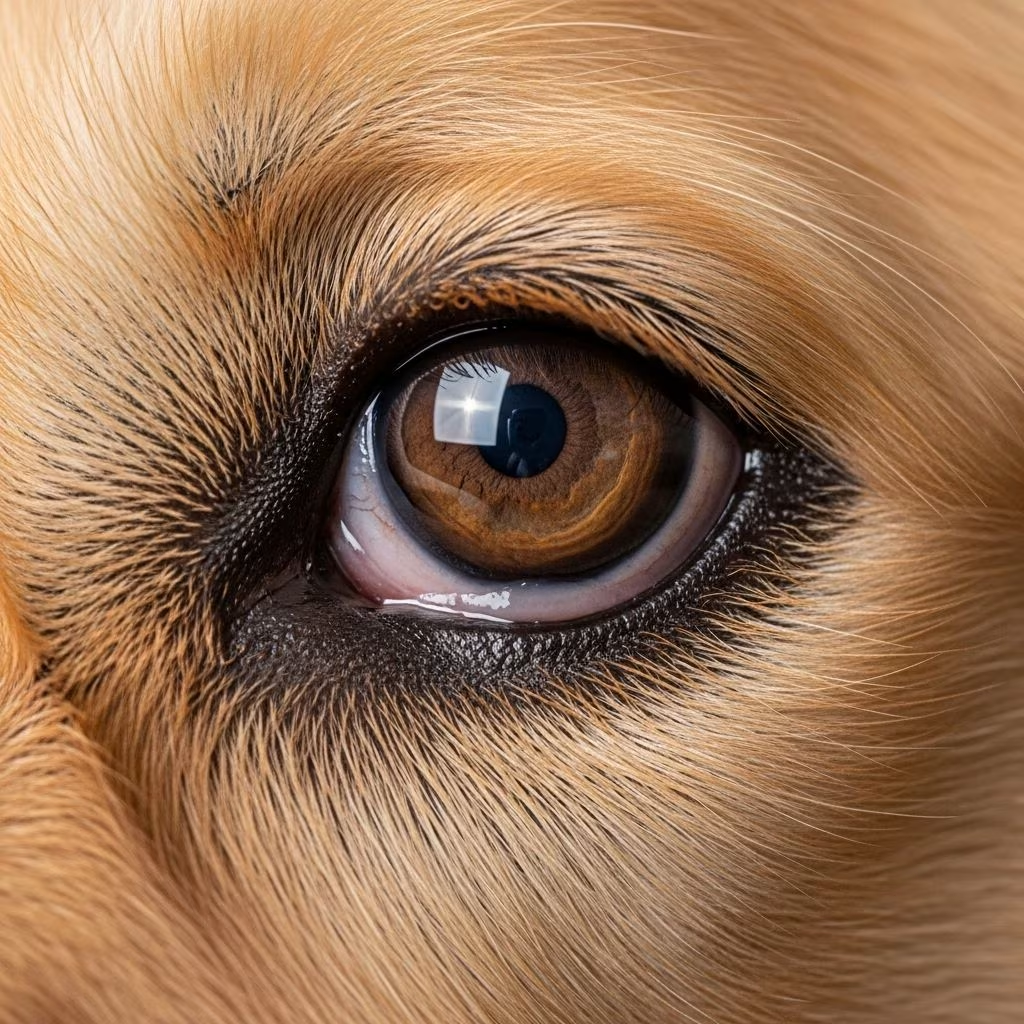
The cornea serves as the clear, protective outer layer of a dog’s eye, essential for clear vision and defense against environmental threats. When this delicate structure suffers damage or degeneration, it can lead to pain, impaired sight, and serious complications if not addressed promptly. Corneal problems are among the most frequent eye conditions seen in veterinary practice, affecting dogs of all ages and breeds. Early recognition of symptoms and appropriate intervention are key to preserving vision and ensuring comfort.
Key Types of Corneal Conditions
Corneal disorders in dogs vary widely, ranging from superficial injuries to inherited abnormalities. Understanding these categories helps owners identify issues quickly.
- Corneal Ulcers: These are erosions or defects in the corneal surface, often resulting from trauma or underlying diseases.
- Corneal Dystrophy: A genetic condition causing lipid or mineral deposits in the cornea, typically bilateral and non-painful initially.
- Corneal Degeneration: Secondary changes due to chronic inflammation, malnutrition, or metabolic issues, leading to opacity and potential ulceration.
Each type presents unique challenges, but they share the need for vigilant monitoring and tailored care.
Recognizing Symptoms of Corneal Problems
Dogs cannot verbalize eye discomfort, so owners must watch for behavioral and physical cues. Common signs include excessive blinking, pawing at the eye, squinting, redness, cloudiness, tearing, or thick discharge. In severe cases, light sensitivity or vision loss may occur. Pain manifests as a half-closed eye or reluctance to play. Prompt veterinary consultation is crucial, as untreated issues can progress to deeper ulcers or perforation.
Visual Guide to Symptoms
| Symptom | Associated Condition | Severity Indicator |
|---|---|---|
| Redness and Squinting | Ulcers, Dry Eye | Mild to Moderate |
| Cloudy or Blue-Hazed Cornea | Dystrophy, Degeneration | Progressive |
| Thick Green Discharge | Infection from Ulcers | High – Emergency |
| Pawing or Rubbing Eye | Any Painful Condition | Immediate Attention Needed |
Root Causes Behind Corneal Damage
Trauma from scratches, foreign objects, or eyelid abnormalities tops the list for ulcers. Dry eye (keratoconjunctivitis sicca or KCS) erodes the surface due to insufficient tear production. Breeds like Bulldogs and Shih Tzus are prone due to prominent eyes. Dystrophy stems from genetic factors, affecting breeds such as Airedale Terriers and Siberian Huskies. Degeneration often links to hyperlipidemia or chronic irritation. Identifying the cause guides effective treatment.
Diagnostic Approaches for Accurate Assessment
Veterinarians use tools like fluorescein stain to highlight ulcers under blue light, revealing green fluorescence on defects. Schirmer tear tests measure tear production for KCS diagnosis. Tonometry checks intraocular pressure to rule out glaucoma. Slit-lamp exams provide detailed views of corneal layers. Bloodwork may uncover systemic issues like high cholesterol contributing to degeneration. These steps ensure precise diagnosis before therapy begins.
Treatment Strategies for Corneal Ulcers
Superficial ulcers often heal in 3-10 days with conservative care. Antibiotic drops or ointments like tobramycin prevent infection. Pain relief comes from oral NSAIDs, tramadol, or gabapentin, alongside topical atropine to relax eye muscles. An Elizabethan collar (cone) prevents self-trauma. Deeper ulcers demand serum eye drops from the dog’s blood to promote healing, or surgery like grid keratectomy and corneal grafts. Veterinary ophthalmologists handle complex cases.
- Topical antibiotics: Tobramycin or ofloxacin, applied multiple times daily.
- Pain management: Avoid topical NSAIDs to prevent delayed healing.
- Protective measures: E-collar mandatory during recovery.
Managing Corneal Dystrophy
Dystrophy deposits are usually cosmetic but can irritate if they ulcerate. Mild cases need monitoring with low-fat diets to curb lipid buildup. Immunosuppressive drops like cyclosporine or tacrolimus improve surface health and may reduce deposits. Anti-inflammatories such as ketorolac aid comfort. Surgery is rare unless vision is threatened. Routine exams track progression in predisposed breeds.
Addressing Dry Eye and Related Complications
KCS frequently underlies ulcers, causing painful surface breakdown. Tacrolimus or cyclosporine ointments stimulate tears, applied 2-3 times daily. Artificial tears lubricate between doses. Severe cases may require parotid duct transposition surgery, rerouting saliva to the eye. Antibiotics treat secondary infections. Consistent therapy prevents recurrence.
Surgical Interventions for Severe Cases
When medical therapy fails, procedures protect and repair the cornea. Contact lenses act as bandages over ulcers, with temporary eyelid suturing. Grafts use synthetic materials or the dog’s tissue. Third eyelid flaps shield healing areas. Post-op care includes hospitalization, frequent rechecks, and restricted activity. Success rates are high with specialist involvement.
Home Care and Recovery Tips
Owners play a vital role in recovery. Administer medications precisely, clean discharge gently, and enforce cone use. Short leash walks minimize dust exposure. Monitor for worsening signs like increased discharge or lethargy. Follow-up visits ensure healing. Low-fat diets support dystrophy management.
Prevention Tactics for Healthy Eyes
Regular vet checkups catch issues early. Manage breed predispositions with tear stimulants for at-risk dogs. Trim facial hair to avoid irritation. Protect eyes during play with goggles for rough activities. Treat systemic conditions like hyperlipidemia promptly. Vaccinations and parasite control reduce infection risks.
FAQs on Canine Corneal Health
What is the most common cause of corneal ulcers in dogs?
Trauma and dry eye (KCS) are leading causes, often seen in brachycephalic breeds.
How long does it take for a corneal ulcer to heal?
Superficial ones heal in 3-10 days; deeper ulcers may take weeks with intensive care.
Can corneal dystrophy affect my dog’s vision?
Typically cosmetic, but advanced cases can cause opacity and ulcers impacting sight.
Is surgery always needed for corneal issues?
No, many respond to medications; surgery is for non-healing or deep defects.
How do I know if my dog has dry eye contributing to corneal problems?
Signs include thick discharge and redness; a Schirmer tear test confirms low production.
When to Seek Emergency Care
Rush to a vet if your dog shows severe squinting, cloudiness, profuse discharge, or behavioral changes indicating pain. Delays risk perforation or vision loss. After-hours ophthalmology services are ideal for urgencies.
Maintaining corneal health demands awareness and action. By spotting early signs and following professional guidance, owners can help their dogs enjoy clear, pain-free vision for years.
References
- Corneal Dystrophy in Dogs: Causes, Symptoms, and How to Treat It — PetMD. 2023. https://www.petmd.com/dog/conditions/eyes/corneal-dystrophy-dogs-causes-symptoms-and-how-treat-it
- Keratoconjunctivitis Sicca (KCS) in Dogs — Cornell University College of Veterinary Medicine. 2024. https://www.vet.cornell.edu/departments-centers-and-institutes/riney-canine-health-center/canine-health-topics/keratoconjunctivitis-sicca-kcs-dogs
- Corneal Ulcer in Dogs — VCA Animal Hospitals. 2023. https://vcahospitals.com/know-your-pet/corneal-ulcers-in-dogs
- Corneal Ulceration in Dogs and Cats: Diagnosis and Treatment — VetBloom. 2022. https://vetbloom.com/corneal-ulceration-in-dogs-and-cats/



