

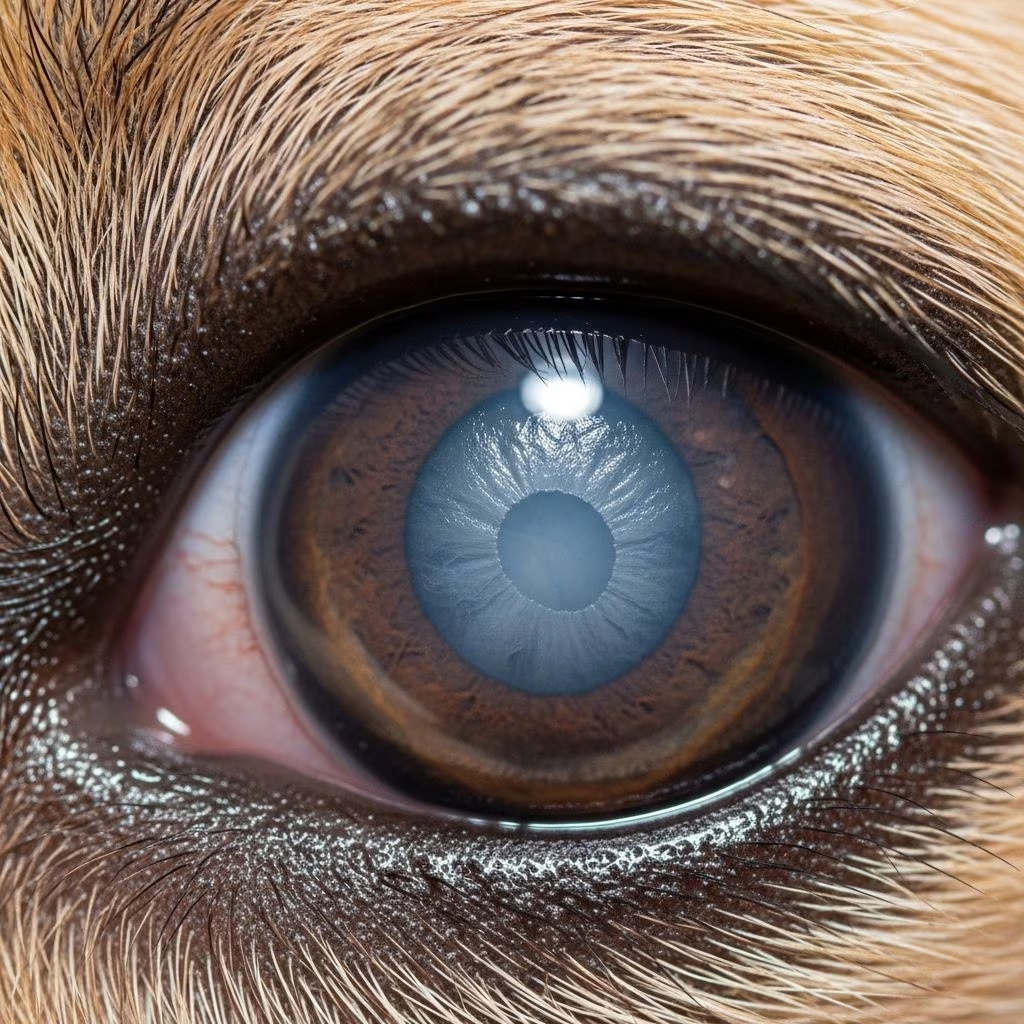
Corneal Dystrophy in Dogs
Corneal dystrophy is a progressive eye condition that affects the transparent front part of a dog’s eye, known as the cornea. This condition involves the abnormal accumulation of lipids (fats) or other substances within the corneal tissue, leading to cloudiness and potential vision problems. While corneal dystrophy can be concerning for pet owners, understanding the condition, its symptoms, and available treatments can help you better manage your dog’s eye health.
What is Corneal Dystrophy?
Corneal dystrophy represents a group of non-inflammatory eye conditions that primarily affect the structure and clarity of the cornea. The cornea plays a crucial role in focusing light onto the retina and protecting the inner structures of the eye. When dystrophy develops, it disrupts the normal composition of the corneal tissue, typically involving the accumulation of lipid deposits or fluid buildup.
There are two primary types of corneal dystrophy in dogs: epithelial and endothelial. Epithelial corneal dystrophy affects the outer layer of the cornea, while endothelial corneal dystrophy impacts the innermost layer responsible for maintaining proper corneal hydration. Corneal endothelial dystrophy is generally considered more serious due to its progressive nature and potential for more significant vision loss.
Symptoms and Clinical Signs
Recognizing the symptoms of corneal dystrophy is essential for early detection and intervention. The clinical presentation of this condition varies depending on the type and severity of dystrophy.
Dogs with corneal endothelial dystrophy typically exhibit the following symptoms:
- Uniformly blue or white cloudy cornea, which may start as one patch and eventually spread to the entire cornea
- Development of corneal blood vessels
- Corneal ulcers and abrasions
- Sensitivity to light
- Excessive tearing or eye discharge
- Redness in the affected eye
- Squinting or signs of ocular discomfort
- Visible cloudiness that worsens over time
Corneal endothelial dystrophy typically affects both eyes, though the progression may occur at different rates. As the disease progresses, dogs may avoid bright light or show signs of visual discomfort when outdoors.
When to Seek Veterinary Care
While corneal dystrophy is not typically considered a medical emergency, any changes involving your dog’s eyes warrant a veterinary assessment. However, you should seek immediate veterinary care if your dog exhibits signs including:
- Squinting persistently
- Excessive eye discharge or tearing
- Eye redness
- Worsening cloudiness of the eye
- Rubbing the eye and face repeatedly
- Signs of pain or discomfort around the eyes
- Obvious vision problems or difficulty navigating
Causes and Risk Factors
Corneal dystrophy in dogs can develop for various reasons, though the specific cause often depends on the type of dystrophy present. Some cases are inherited, particularly in certain dog breeds that show genetic predisposition to the condition. Other cases may develop due to underlying metabolic issues, nutritional factors, or as a secondary condition related to other eye diseases.
Dogs with an underlying metabolic issue discovered through blood work may require specific treatment to address the root cause. Additionally, conditions such as dry eye (keratoconjunctivitis sicca), increased eye pressure (glaucoma), or inflammatory eye conditions may contribute to or complicate corneal dystrophy development.
Diagnosis
Veterinarians diagnose corneal dystrophy through a combination of clinical examination and specialized diagnostic tests. During an eye examination, your veterinarian will assess the appearance and clarity of the cornea using magnification and specialized lighting equipment. The examination helps determine the extent of cloudiness, the presence of ulcers, and any other ocular abnormalities.
In some cases, your veterinarian may perform additional tests such as a Schirmer tear test to evaluate tear production, tonometry to measure intraocular pressure, or referral to a veterinary ophthalmologist for advanced diagnostic imaging. A thorough blood work evaluation may also be recommended to identify any underlying metabolic issues contributing to the dystrophy.
Treatment Options for Corneal Dystrophy
Treatment approaches for corneal dystrophy in dogs depend on the condition’s type, severity, and whether complications have developed. The primary goals of treatment are to keep your dog comfortable and maintain their eyesight.
Medical Management
For dogs with mild corneal lipid dystrophy, treatment is often unnecessary unless the corneal deposits worsen or cause irritation. However, when medical intervention is needed, several pharmaceutical options are available.
Prescription eye drops represent the primary medical treatment approach:
- Immunosuppressive eye drops: Medications such as cyclosporine or tacrolimus help reduce inflammation and may improve the health of corneal surface cells. These medications can sometimes prevent new deposits from forming.
- Anti-inflammatory eye drops: Medications like ketorolac or flurbiprofen reduce ocular inflammation and provide comfort.
- Antibiotic eye drops: Tobramycin or ofloxacin may be prescribed if ulceration or infection is present.
- Eye lubricants: Products such as Optixcare Eye Lube help maintain corneal moisture and protection.
- Hypertonic saline preparations: Medications like Muro-128 (5% sodium chloride ointment) work to minimize corneal edema and may be applied twice to four times daily.
Dietary modifications may also support treatment. A low-fat diet has shown potential benefits in managing corneal lipid dystrophy, with prescription formulations such as EN Low Fat or i/d Low Fat recommended in some cases.
Surgical Treatment Options
If your dog’s corneal dystrophy is severe, causes chronic complications, or results in deep eye ulcers unresponsive to medical management, a veterinary ophthalmologist may recommend surgical intervention.
Surgical options include:
- Corneal grafting: Repair using synthetic material or tissue from your dog’s own eye tissue to restore corneal clarity and function
- Bandage contact lens placement: Application of a contact lens as a temporary protective measure combined with temporary eyelid closure using sutures
- Thermokeratoplasty: A procedure using a small cautery unit to heat spots of the affected cornea, creating scars that prevent fluid accumulation and ulcer formation
- Corneal transplantation: A novel surgical technique similar to procedures performed in human ophthalmology. Endothelial keratoplasties, particularly Descemet’s Stripping Endothelial Keratoplasty (DSEK), represent advanced options for managing endothelial dystrophy.
- Corneal epithelial debridement and grid-keratotomy: These procedures facilitate healing in cases of recurrent ulceration
It’s important to note that corneal transplants remain rarely performed in veterinary medicine due to high costs, limited donor tissue availability, and risks of tissue rejection.
Recovery and Long-Term Management
Recovery and management strategies vary based on your dog’s specific condition and treatment approach. For dogs with mild corneal lipid dystrophy, management typically involves routine follow-up examinations with your veterinarian and potential use of eye drops to prevent new deposits.
Dogs recovering from severe corneal dystrophy complications may require more intensive management including:
- Hospitalization for eye treatments and monitoring
- Frequent rechecks with a veterinary ophthalmologist
- Regular eye drops and oral medications for pain and swelling relief
- Antibiotic eye drops or ointment, and possibly oral antibiotics, to treat infection
- A recovery cone to protect the delicate eye tissues during healing
- Exercise restrictions, such as keeping leash walks brief and minimizing strenuous activity
Managing underlying eye health issues is crucial for long-term success. If your dog has conditions such as dry eye, glaucoma, or inflammatory eye disease, work closely with your veterinarian to manage these diseases effectively, as they can impact corneal dystrophy progression.
Maintaining up-to-date routine blood work, urine tests, and stool tests helps detect internal problems before they become serious and potentially affect eye health.
Prognosis
The prognosis for corneal dystrophy in dogs varies depending on the type and severity of the condition. Most dogs with corneal dystrophy never experience compromised vision, particularly when the condition is mild or moderate and managed appropriately. However, in severe cases, dogs may experience progressive vision loss, and in rare instances, eye removal may become necessary.
Early detection and consistent management significantly improve outcomes and quality of life for affected dogs. Regular monitoring and adherence to prescribed treatment regimens help prevent complications and maintain ocular comfort.
Frequently Asked Questions
Q: Is corneal dystrophy in dogs curable?
A: Corneal dystrophy is typically a progressive condition that can be managed but not cured. While the deposits are usually irreversible, medical and surgical treatments can help manage symptoms, prevent complications, and maintain vision in most cases.
Q: Can corneal dystrophy cause blindness in dogs?
A: While most dogs with corneal dystrophy maintain adequate vision, severe cases can lead to progressive vision loss. In rare instances, the condition may become severe enough to require eye removal.
Q: How often will my dog need eye exams if diagnosed with corneal dystrophy?
A: The frequency of eye exams depends on the severity of your dog’s condition. Mild cases typically require routine follow-up exams with your veterinarian, while severe cases may necessitate frequent rechecks with a veterinary ophthalmologist.
Q: Are certain dog breeds more prone to corneal dystrophy?
A: While corneal dystrophy can affect any dog breed, certain breeds may have genetic predisposition to specific types of corneal dystrophy. Discussing your dog’s breed history with your veterinarian can help assess individual risk factors.
Q: Can diet help manage corneal dystrophy?
A: A low-fat diet has shown potential benefits in managing corneal lipid dystrophy. Your veterinarian may recommend prescription low-fat formulations to support treatment of this specific type of dystrophy.
Q: What should I do if I notice cloudiness in my dog’s eyes?
A: Schedule a veterinary appointment for a comprehensive eye examination. While not always a medical emergency, any changes in eye appearance warrant professional evaluation to determine the cause and appropriate treatment.
References
- Corneal Dystrophy in Dogs: Causes, Symptoms, and How To Treat It — PetMD. 2024. https://www.petmd.com/dog/conditions/eyes/corneal-dystrophy-dogs-causes-symptoms-and-how-treat-it
- Canine Corneal Diseases: Treatment for Transparency — DVM 360. 2024. https://www.dvm360.com/view/canine-corneal-diseases-treatment-transparency-greater-federal-stimulus-proceedings
- Exploring New Treatments for a Painful Eye Disease – Corneal Endothelial Dystrophy — AKC Canine Health Foundation. 2024. https://www.akcchf.org/breakthrough/exploring-new-treatments-for-1/
- Corneal Dystrophy And Corneal Degeneration — St. Vincent’s Veterinary Clinic. 2024. https://stvopets.com/common-eye-diseases/corneal-dystrophy/
- Corneal Endothelial Dystrophy in Dogs — Armour Eye Veterinary Clinic. 2024. https://armoureyevet.com/diseases-conditions/corneal-endothelial-dystrophy/
- Corneal Dystrophy in Dogs — VCA Animal Hospitals. 2024. https://vcahospitals.com/know-your-pet/corneal-dystrophy-in-dogs



