

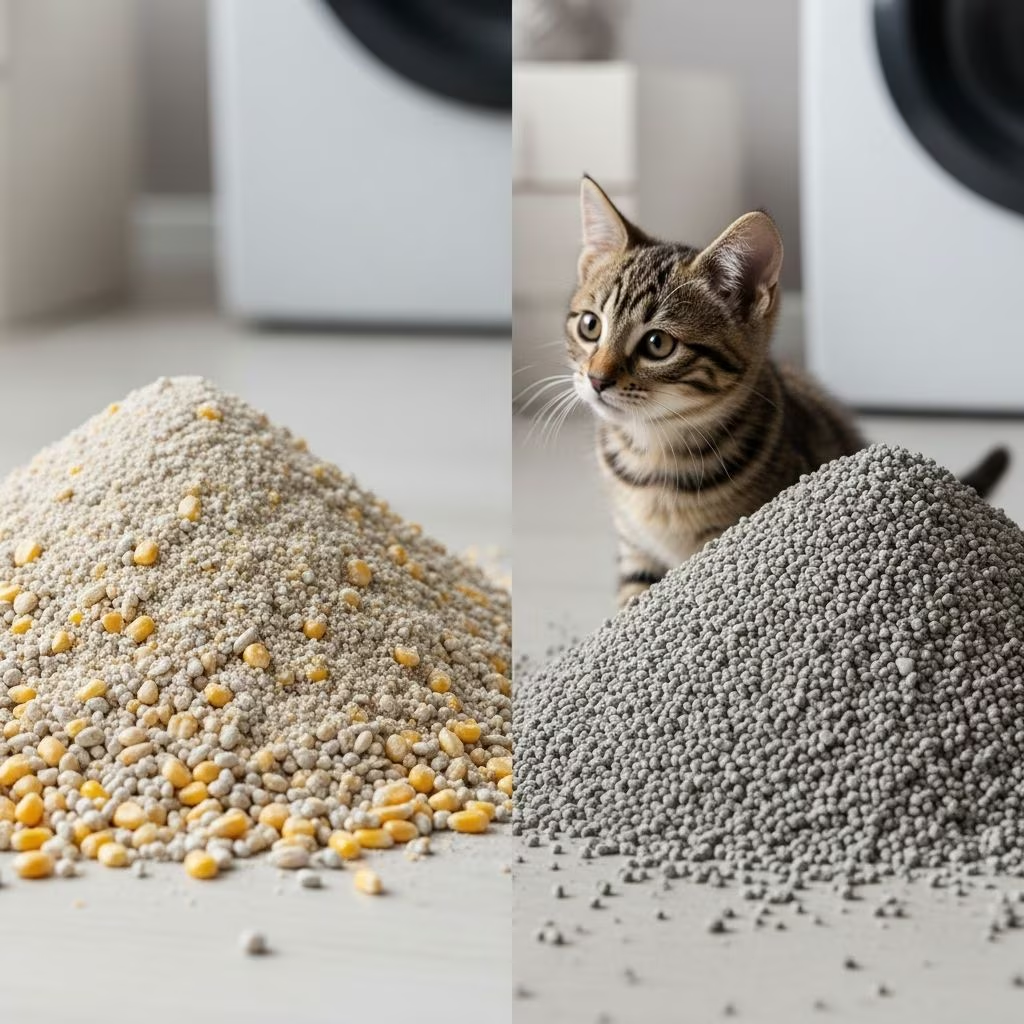
Choosing between corn and clay cat litters involves weighing factors like absorbency, odor management, environmental effects, and your cat’s preferences. Corn litter offers biodegradability and flushability, while clay provides strong clumping at a lower price, though it generates more dust and waste.
Understanding the Basics of Cat Litter Materials
Cat litters come in various forms, but corn and clay dominate discussions for their distinct properties. Corn litter derives from ground corn kernels, forming lightweight, natural granules that break down easily. Clay litter, primarily bentonite or montmorillonite, is mined and processed into absorbent particles that expand when wet.
These materials influence everything from daily scooping to long-term disposal. Corn appeals to eco-aware owners seeking plant-based alternatives, whereas clay suits those prioritizing reliability and affordability.
Performance Breakdown: Clumping and Absorbency
Clumping ability is crucial for hygiene. Clay litters excel here, creating firm, scoopable masses that isolate waste effectively. Clumping varieties trap liquids into solid chunks, reducing bacterial spread.
Corn litters clump decently, often into softer masses suitable for flushing in small amounts. They absorb well but may require more frequent scooping in multi-cat homes due to quicker saturation.
| Feature | Corn Litter | Clay Litter |
|---|---|---|
| Clumping Strength | Good (soft clumps) | Excellent (hard clumps) |
| Absorbency | Moderate to High | High |
| Scoopability | Easy, lightweight | Very Easy |
Odor Control: Keeping Your Home Fresh
Odor management prevents litter boxes from becoming smell hotspots. Clay litters neutralize smells through high absorbency and optional additives like baking soda. They lock in odors within clumps, maintaining freshness longer.
Corn litters rely on natural enzymes for odor breakdown but perform adequately rather than outstandingly. In humid environments, they might need additives for boosted control. Regular scooping enhances both types’ effectiveness.
- Clay: Superior for heavy-use households due to robust trapping.
- Corn: Natural scent-masking, better for mild odors.
Dust and Tracking: Cleanliness Around the Home
Dust levels affect air quality and paw health. Traditional clay litters produce significant dust, potentially irritating respiratory systems in cats or owners. Low-dust formulas exist but aren’t universal.
Corn litters shine with minimal dust, ideal for allergy sufferers. Tracking—litter scattered outside the box—is moderate for both, though corn’s lighter weight can lead to more spread.
Use litter mats and enclosed boxes to minimize issues.
Environmental Footprint and Sustainability
Corn litter stands out as biodegradable and compostable, breaking down naturally without landfill burden. Many brands are flushable, easing disposal.
Clay is non-biodegradable, contributing to mining impacts and vast waste volumes. It’s heavier, increasing transport emissions. For green living, corn reduces environmental harm significantly.
Cost Analysis: Value Over Time
Clay litters are budget-friendly upfront, often under $1 per pound. A 40-pound bag lasts weeks in single-cat setups.
Corn costs more initially ($1.50-$2 per pound) but its lightweight nature means less frequent purchases. Flushability cuts bag disposal needs.
| Litter Type | Initial Cost | Long-Term Value | Best For |
|---|---|---|---|
| Corn | Higher | Good (less waste) | Eco-focused owners |
| Clay (Clumping) | Lower | Excellent (durable) | Budget households |
| Clay (Non-Clumping) | Lowest | Fair (full changes) | Short-term use |
Health and Safety Considerations for Cats
Safety tops litter choices. Clay’s dust may harm lungs, especially in kittens or seniors. Ingested amounts pose minor risks but are rare.
Corn is non-toxic, digestible if nibbled, and low-dust for sensitive noses. Both suit most cats, but transition slowly to avoid box avoidance.
Vets recommend unscented options to prevent urinary issues.
Cat Preferences: Texture, Scent, and Behavior
Cats dictate success. Clay’s gritty feel mimics soil, favored by many. Corn’s softer texture appeals to finicky paws.
Test small quantities. Some reject clay dust; others shun corn’s pellets. Multi-cat homes benefit from versatile blends.
Practical Maintenance Tips for Both Litters
Daily scooping preserves all litters. For clay, fully change monthly; corn biweekly if flushing.
- Box depth: 3-4 inches litter.
- Location: Quiet, accessible spots.
- Cleaning: Enzyme sprays for stuck waste.
Monitor urine clumps for health signs like crystals.
Top Brands and Real-World Testing Insights
Popular corn: World’s Best (strong clumping, natural). Clay leaders: Arm & Hammer, Fresh Step (odor fighters).
User feedback highlights clay’s reliability, corn’s cleanliness.
Switching Litters: Step-by-Step Guide
- Mix 25% new litter with 75% old for 3-4 days.
- Increase gradually over a week.
- Add attractants if resistance occurs.
- Provide multiple boxes during transition.
Which Litter Wins for Your Household?
No universal best—clay for cost and clumping, corn for green benefits and low dust. Single-cat, budget homes lean clay; eco, allergy-prone favor corn. Trial packs decide.
Frequently Asked Questions
Is corn litter flushable?
Many brands are, but check local septic rules and limit to pee clumps.
Does clay litter cause respiratory problems?
High-dust varieties can; opt for low-dust formulas.
How often to change corn litter?
Scoop daily, full change every 1-2 weeks.
Can I mix corn and clay litters?
Possible but may reduce clumping; test cat acceptance.
What’s the most eco-friendly litter?
Corn or other plant-based like walnut, as they biodegrade.
References
- Best Cat Litter Guide for 2025 — Boxiecat. 2025. https://boxiecat.com/blogs/litter-learning-center/what-are-the-different-types-of-cat-litter
- The Ultimate Guide to Types of Cat Litter — Purina US. 2024-10-15. https://www.purina.com/articles/cat/behavior/litter/types-of-cat-litter
- 8 Different types of cat litter — PetSafe. 2024. https://www.petsafe.com/blog/cat-litter-types-complete-guide/
- The Ultimate Guide To Different Types of Cat Litter — Tuft & Paw. 2024. https://www.tuftandpaw.com/blogs/cat-guides/the-ultimate-guide-to-different-types-of-cat-litter
- Types of Cat Litter: Which One Is Best for Your Cat? — OKC Vet Campus. 2023-05-12. https://okcvetcampus.com/types-of-cat-litter-which-one-is-best-for-your-cat/



