

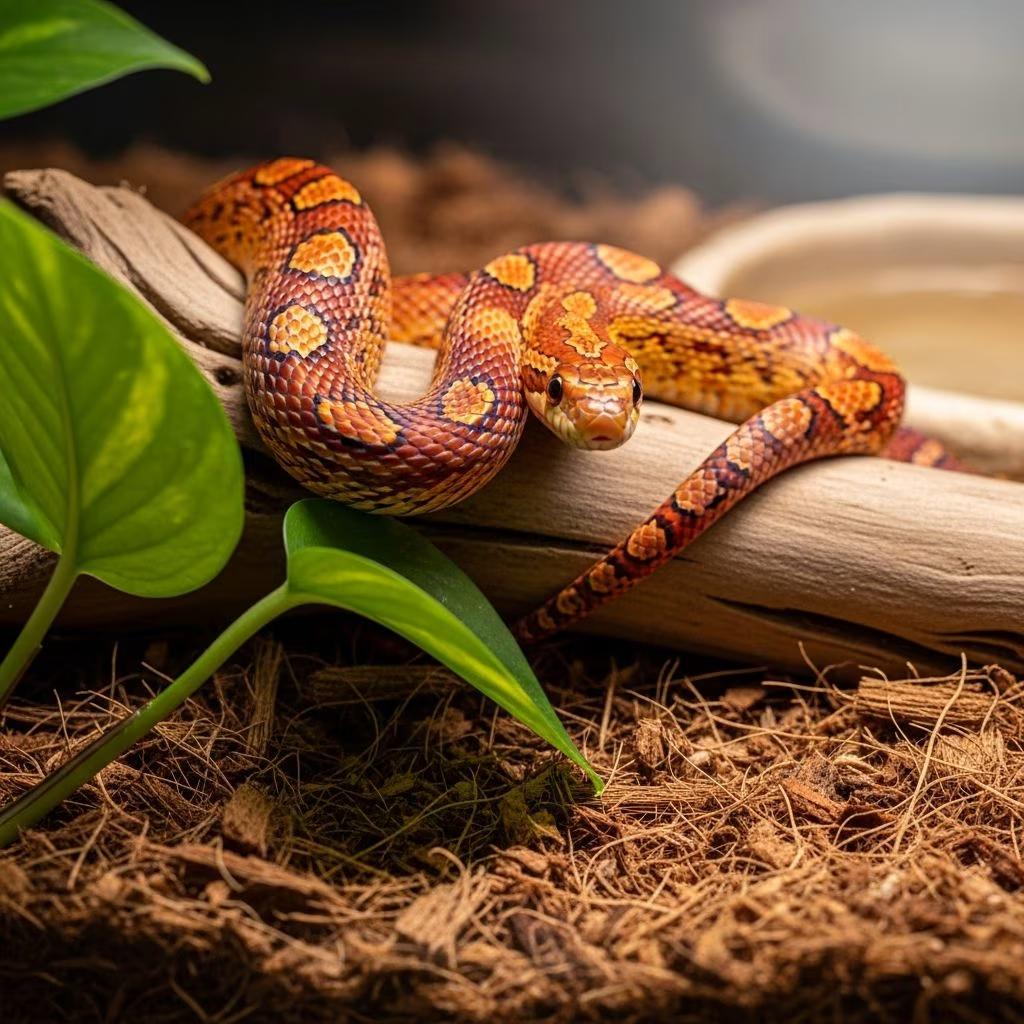
Corn Snake Care Sheet: The Complete Guide
Corn snakes are among the most popular pet snakes for both beginners and experienced reptile enthusiasts. Their docile temperament, manageable size, and striking color variations make them ideal companions for those interested in keeping snakes. However, like all reptiles, corn snakes have specific care requirements that must be met to ensure they thrive in captivity. This comprehensive care sheet covers everything you need to know about housing, feeding, temperature, humidity, handling, and health maintenance for your corn snake.
Choosing the Right Enclosure
The foundation of proper corn snake care begins with selecting an appropriate enclosure. Corn snakes are relatively active snakes that require adequate space to move, explore, and exhibit natural behaviors. A 40-gallon breeder tank or a 4x2x2 foot enclosure is the minimum recommended size for adult corn snakes. These dimensions provide sufficient floor space for the snake to stretch out and engage in normal activities.
Your enclosure must be escape-proof, as corn snakes are known escape artists with surprising strength and determination. Ensure all doors, locks, and seams are secure and regularly inspected. The tank should also have good ventilation to prevent respiratory issues and maintain air circulation. Avoid enclosures with sharp edges or protrusions that could injure your snake’s delicate scales.
Heating and Temperature Control
Maintaining proper temperature gradients is crucial for corn snake health and digestion. Corn snakes require a warm basking area on one side of the enclosure and a cooler refuge on the other side, allowing them to thermoregulate naturally. The basking temperature should be maintained at approximately 90°F, while the cool side should range between 75-82°F. Nighttime temperatures should not drop below 65°F for adult snakes, though juvenile corn snakes younger than one year old benefit from nighttime temperatures not falling below 75°F.
Use an under-tank heating pad, heat tape, or ceramic heat emitter to achieve these temperatures. Always use a thermostat to regulate heating equipment and prevent burns or overheating. Install a digital thermometer with a probe on both the warm and cool sides of the enclosure to monitor temperatures accurately. Avoid hot rocks, as they can cause thermal burns on your snake’s belly.
Substrate Selection and Bioactive Environments
The substrate you choose significantly impacts your corn snake’s health, behavior, and the overall maintenance of the enclosure. Traditional aspen shavings or simple wood chips are not recommended for corn snakes, as they do not retain moisture appropriately and prevent natural burrowing behaviors.
For permanent setups, bioactive substrates are highly recommended. Create a substrate mixture of approximately 40% plain topsoil, 40% coconut fiber, and 20% play sand. Layer this with sphagnum moss and leaf litter to create a more naturalistic environment. Adding bark mulch improves drainage. Incorporate cleanup crew organisms such as powder blue isopods, orange isopods, dwarf white isopods, and springtails to maintain substrate health naturally.
Alternatively, a clean mixture of 60% soil, 30% sand, and 10% sterilized leaves creates a suitable substrate for healthy corn snakes. For juvenile corn snakes in temporary enclosures, humidity-friendly disposables like coconut fiber, coconut husk chips, or cypress mulch are acceptable and should be replaced every 3-4 months with frequent spot-cleaning.
Humidity Requirements
Corn snakes are a low-humidity species, thriving in environments with approximately 30-40% humidity, which mirrors typical household humidity levels. However, during extremely dry seasons like winter, you may need to increase humidity slightly. Misting the enclosure 1-2 times daily with humidity-friendly substrates or providing a humid hide filled with dampened sphagnum moss helps maintain adequate moisture levels.
Always provide a humid hide on the cool side of the enclosure. Signs that humidity is too low include flaky scales or incomplete shedding. If your corn snake has retained shed, increase humidity through misting, humid hides, or daily soaking until the shed comes off completely. Never force shed off, as this causes serious scale damage.
Hides and Enrichment
Corn snakes instinctively seek shelter in small, enclosed spaces. Provide at least two hides: one on the warm end and one on the cool end of the enclosure. These hides should be snug enough that the snake’s body touches the sides when coiled, yet large enough for the entire snake to fit comfortably inside.
Add vertical enrichment with sturdy branches or platforms for climbing, as corn snakes enjoy exploring different levels of their enclosure. Natural wood, cork bark, and live or artificial plants create a more enriching environment that encourages natural behaviors. Ensure all decorations are secure and cannot shift, potentially trapping or injuring your snake.
Water and Hydration
Provide a shallow water dish at the cool end of the enclosure that is large enough for your corn snake to soak in if desired. Water should be fresh and clean, replaced daily or immediately if soiled. Reptiles absorb water through their skin, so adequate water access is essential for hydration.
Some corn snakes may need encouraged soaking. Soaking your corn snake for 10-15 minutes, two to three times weekly, promotes hydration and supports healthy shedding. Misting the enclosure daily also contributes to hydration through skin absorption.
Feeding Your Corn Snake
Feeding Schedule and Prey
Begin juvenile corn snakes on a diet of “pinkies,” which are young, nearly hairless mice. As your snake grows into adulthood, transition to larger mice and small rats. The size of prey should approximate the thickest part of your snake’s body; never offer prey larger than this, as it may cause regurgitation or digestive issues.
Adult corn snakes typically eat every 7-10 days, while juveniles eat more frequently. Always feed your corn snake inside its enclosure using feeding tongs. Contrary to popular myth, feeding inside the enclosure does not make snakes more aggressive. This method is safer and reduces stress compared to moving the snake to a separate feeding container.
Nutritional Considerations
Corn snakes fed a diet of appropriately-sized whole prey receive complete nutrition and typically do not require dietary supplements. Pre-killed or frozen-thawed prey is safer than live prey, which can injure your snake during feeding attempts. Some keepers prefer frozen-thawed prey for food safety and ethical reasons.
If your corn snake loses interest in eating while shedding, this is normal behavior. Resume feeding after the shed is complete. Corn snakes may also show reduced appetite during breeding season or when experiencing stress.
Handling and Temperament
Corn snakes are generally docile and tolerant of handling, making them excellent pets for families. However, new snakes should be given a week to acclimate to their enclosure before handling. Place the transfer container inside the enclosure and allow the snake to emerge at its own pace, then minimize disturbance for the first week.
When handling your corn snake, support its entire body with one hand underneath near the head and the other supporting the tail and lower body. Avoid removing your snake from the vivarium for longer than 10-15 minutes, as this allows their core temperature to drop. Wash your hands before and after handling to reduce the transmission of infectious diseases like salmonella, which reptiles can carry.
Keep other pets separated from your corn snake during and after handling, regardless of how trustworthy they have been previously. Never handle your snake immediately after feeding, as this may cause regurgitation.
Enclosure Maintenance and Cleaning
Regular cleaning maintains a healthy environment and prevents disease. Spot-clean animal waste as soon as it appears to prevent bacterial growth and odor accumulation. The entire enclosure should be thoroughly cleaned and disinfected at least once weekly with a reptile-safe disinfectant or a 3% bleach solution. If using bleach, allow it to remain on surfaces for at least 10 minutes for proper disinfection, then rinse thoroughly to remove all residue.
Follow these cleaning steps:
– Move your snake to a secure, separate container- Remove all substrate, décor, and accessories- Scrub the empty tank with the chosen cleaner- Rinse all surfaces thoroughly- Replace substrate and return decorations- Ensure the habitat reaches proper temperatures before returning your snake
Perform spot-cleaning of the water dish daily, and refresh substrate as needed. Monthly deep cleaning with commercial habitat cleaners or dilute bleach solutions keeps the environment hygienic and prevents respiratory infections.
Common Health Issues
Mites
Mites are parasitic pests that appear as tiny moving dots on your snake’s scales or in the enclosure. Infestations cause stress, anemia, and potential death if left untreated. Treat mite infestations by thoroughly cleaning the entire cage with bleach and rinsing thoroughly. Soak your snake in a dilute betadine solution to remove mites from the body. Use permethrin sprays like Provent-A-Mite according to label instructions, and inspect your snake and any nearby snakes for several weeks to confirm clearance.
Scale Rot and Skin Infections
Scale rot develops from prolonged exposure to wet, dirty substrates and manifests as discolored or necrotic scales, particularly on the belly. Mild cases can be managed by placing the snake on sterile paper towels and applying topical antibiotic ointment while soaking in dilute chlorhexidine or betadine solutions. However, severe cases require veterinary assessment and may need systemic antibiotics or wound debridement. Immediately correct humidity issues by changing substrate or providing proper humidity control.
Respiratory Infections
Signs of respiratory infection include wheezing, open-mouth breathing, nasal discharge, and lethargy. These infections result from improper temperatures, humidity, or inadequate enclosure maintenance. Ensure your enclosure has proper ventilation, correct temperature gradients, and is cleaned regularly. Respiratory infections require veterinary treatment with antibiotics and environmental correction.
Retained Shed
Incomplete shedding indicates inadequate humidity or hydration. Increase humidity through misting, humid hides, and daily soaking with dilute solutions until the shed comes off naturally. Chronic retained shed issues warrant veterinary consultation, as they may indicate underlying health problems or environmental deficiencies.
Housing for Hatchlings and Juveniles
Hatchling corn snakes can be housed in smaller enclosures but should be upgraded as they grow. Many keepers use 20-gallon tanks for juveniles, transitioning to 40-gallon breeder tanks or 4x2x2 enclosures for adults. Ensure juvenile enclosures are properly secured, as young snakes can squeeze through surprisingly small gaps. Juveniles require the same care as adults but may benefit from nighttime temperatures not dropping below 75°F and more frequent feeding schedules.
Setting Up Your Enclosure Before Bringing Your Snake Home
Proper preparation before introducing your corn snake to its new home is essential. Set up the entire enclosure and run it for at least one week before bringing your snake home. This allows time to adjust heating and lighting, verify proper temperature gradients, add enrichment, and ensure all systems function correctly. Test that thermostats maintain appropriate temperatures and that heating elements do not create hot spots or burns.
When bringing your snake home, place the transfer container inside the closed enclosure, open it carefully, and allow the snake to emerge at its own pace. Turn off lights to reduce stress, then check on your snake the following morning. Minimize handling and disturbance during the first week to allow proper acclimation.
Frequently Asked Questions
Q: Can corn snakes be housed together?
A: No, corn snakes are solitary animals and should always be housed alone. Cohabitation encourages stress, aggression, and potential injury or cannibalism.
Q: How often should I feed my corn snake?
A: Adult corn snakes typically eat every 7-10 days, while juveniles eat more frequently, sometimes every 5-7 days. Adjust feeding frequency based on your individual snake’s body condition.
Q: Do corn snakes need UVB lighting?
A: While corn snakes can survive without UVB, it is not essential for their survival. However, providing low-level UVB lighting may offer health benefits and encourage natural behaviors.
Q: What should I do if my corn snake won’t eat?
A: Loss of appetite is common during shedding, breeding season, or temperature fluctuations. Verify proper temperatures and humidity, ensure prey is appropriately sized, and try again in a few days. Persistent refusal to eat warrants veterinary evaluation.
Q: How long do corn snakes live?
A: Corn snakes typically live 15-20 years in captivity with proper care, making them long-term commitments for dedicated keepers.
References
- Corn Snake Care Guidelines — The Bio Dude. 2024. https://www.thebiodude.com/blogs/snake-caresheets/care-guidelines-for-corn-snakes
- How To Care For a Corn Snake — RSPCA. 2024. https://www.rspca.org.uk/adviceandwelfare/pets/other/cornsnake
- Corn Snake Care Guide — MorphMarket Reptile Community. 2024. https://community.morphmarket.com/t/corn-snake-care-guide/39834
- Corn Snake Care Sheet — PetMD. 2024. https://www.petmd.com/reptile/corn-snake-care-sheet



