

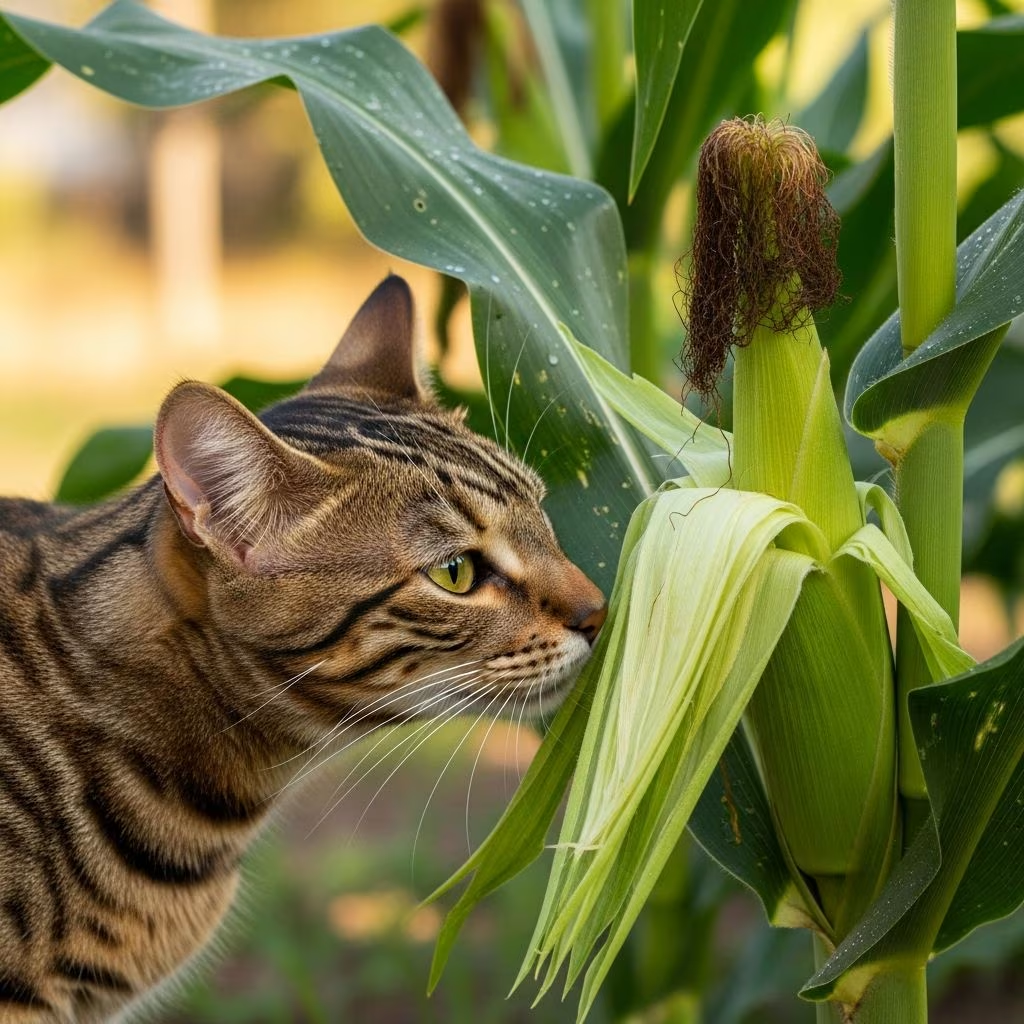
Many cat owners adorn their homes with lush greenery, unaware that certain popular houseplants like the corn plant can pose serious health threats to their pets. Known scientifically as Dracaena fragrans, this plant—often mistaken for actual corn due to its stalk-like appearance—harbors steroidal saponins that irritate a cat’s digestive system upon ingestion. While rarely fatal, exposure can lead to uncomfortable and distressing symptoms requiring prompt veterinary care.
Understanding the Corn Plant and Its Appeal in Homes
The corn plant, sometimes called the dragon tree or ribbon plant, thrives indoors with its long, arching green leaves that mimic corn stalks. It tolerates low light and irregular watering, making it a favorite for busy households. However, its accessibility at cat height increases nibbling risks, as felines instinctively chew on foliage for various reasons.
- Common names: Cornstalk plant, false palm, happy plant.
- Growth habits: Slow-growing, up to 10 feet tall indoors, with variegated or solid green varieties.
- Popularity factors: Air-purifying qualities and forgiving nature for novice plant keepers.
Despite these benefits, its toxicity profile, confirmed by veterinary authorities, demands caution around cats.
Why Every Part of the Corn Plant Harms Cats
Unlike some plants where only bulbs or berries are dangerous, the entire corn plant—from roots to tips—contains saponins, natural detergents that disrupt cell membranes in a cat’s mouth and gut. These compounds trigger inflammation and toxicity without discrimination across plant sections.
| Plant Part | Toxicity Level | Primary Effects |
|---|---|---|
| Leaves | High | Vomiting, oral irritation |
| Stems | High | Digestive upset, weakness |
| Roots | High | Systemic symptoms if chewed |
Cats may gnaw on dangling leaves or knocked-over pots, ingesting enough to spark issues. Even small amounts suffice for sensitive felines.
Recognizing Poisoning Symptoms in Your Cat
Symptoms emerge within hours of ingestion, primarily gastrointestinal but extending to neurological signs. Vigilance is key, as early detection prevents escalation.
- Immediate reactions: Excessive drooling, pawing at mouth, vomiting (sometimes bloody).
- Progressive signs: Lethargy, appetite loss, dilated pupils.
- Severe indicators: Ataxia (wobbly gait), rapid heartbeat, abdominal tenderness.
These mimic other toxicities, so professional diagnosis is essential. Cats hide discomfort, worsening delays.
Immediate Steps and Veterinary Interventions
If ingestion is suspected, isolate the plant and contact a vet or poison hotline immediately—do not induce vomiting without guidance. Treatments focus on decontamination and support.
- Assessment: Vet examines for plant remnants via exam or imaging.
- Decontamination: Inducing emesis, activated charcoal to bind toxins.
- Supportive therapy: IV fluids for hydration, anti-nausea meds, monitoring vitals.
- Prognosis: Most recover in 1-2 days with care; fatalities are exceptional.
Home remedies like milk are ineffective and may harm further. Always prioritize expert intervention.
Unraveling Why Cats Target Houseplants
Feline plant-chewing stems from instinct, nutrition gaps, or environment. As obligate carnivores, cats derive no nutritional value from greenery but may ingest it anyway.
- Boredom: Indoor cats seek stimulation, treating plants as toys.
- Hunger signals: Fiber cravings from imbalanced diets prompt grazing.
- Gut health: Hairballs induce plant-eating to self-medicate vomiting.
- Curiosity: New or swaying plants attract exploratory bites.
Addressing root causes—enriched environments, proper nutrition—curbs the behavior.
Safeguarding Your Home: Prevention Blueprint
Proactive measures eliminate risks without sacrificing greenery. Combine deterrence, placement, and alternatives.
- Elevate plants: Hang baskets or use high shelves beyond leap range.
- Deterrents: Citrus sprays, aluminum foil around pots (cats dislike textures).
- Distractions: Cat grass, interactive toys redirect chewing urges.
- Supervision: Monitor during unsupervised times; secure knock-prone pots.
Regular audits of household flora ensure ongoing safety.
Top Cat-Safe Plants for Greener Homes
Swap risky species for these vet-approved options that beautify without endangering pets.
| Plant Name | Care Level | Benefits |
|---|---|---|
| Spider Plant (Chlorophytum comosum) | Easy | Air purifying, dangling foliage safe for nibbling |
| Parlor Palm (Chamaedorea elegans) | Moderate | Tropical vibe, non-toxic to cats |
| Boston Fern (Nephrolepis exaltata) | Moderate | Lush, humidity-loving, feline-friendly |
| Calathea (Calathea spp.) | Easy | Colorful patterns, low-light tolerant |
| Areca Palm (Dypsis lutescens) | Moderate | Bamboo-like, brightens spaces safely |
These thrive indoors, offering visual appeal minus toxicity worries.
Long-Term Health Strategies for Cat Owners
Beyond plants, holistic wellness prevents mishaps. Balanced diets with high-quality proteins minimize foraging; puzzle feeders combat boredom. Annual vet checkups catch vulnerabilities early.
Environmental enrichment—scratching posts, window perches—mimics outdoor stimuli. Training via positive reinforcement discourages unwanted habits. Informed ownership fosters harmony between pets and decor.
Frequently Asked Questions
Can a small bite of corn plant kill my cat?
No, while distressing, corn plant ingestion rarely proves fatal with timely treatment. Symptoms resolve quickly under veterinary supervision.
How fast do symptoms appear after eating corn plant?
Typically within 2-12 hours, starting with vomiting and progressing to lethargy if untreated.
Are there corn plant varieties safer for cats?
All Dracaena fragrans types contain saponins; none are safe. Opt for confirmed non-toxic alternatives.
What if my cat ate corn plant yesterday with no symptoms?
Monitor closely; delayed effects possible. Consult a vet for peace of mind.
Is corn on the cob safe for cats unlike the plant?
Fresh corn kernels are non-toxic in moderation but avoid cobs to prevent blockages. Not nutritionally ideal for carnivores.
References
- Are Corn Plants Toxic to Cats? Our Vet-Approved Advice — Catster. 2023. https://www.catster.com/cat-health-care/are-corn-plants-toxic-to-cats/
- Houseplants and Ornamentals Toxic to Animals — Merck Veterinary Manual. 2024-01-15. https://www.merckvetmanual.com/toxicology/poisonous-plants/houseplants-and-ornamentals-toxic-to-animals
- Toxic Plant Garden — UC Davis School of Veterinary Medicine. 2023-05-10. https://www.vetmed.ucdavis.edu/toxic-plant-garden
- Toxic and Non-toxic Plants: Corn Plant — ASPCA. 2024. https://dev-cloudflare.aspca.org/pet-care/aspca-poison-control/toxic-and-non-toxic-plants/corn-plant
- Toxicity of House Plants to Pet Animals — PMC (PubMed Central). 2023-05-20. https://pmc.ncbi.nlm.nih.gov/articles/PMC10220692/



